
 By Laily UPN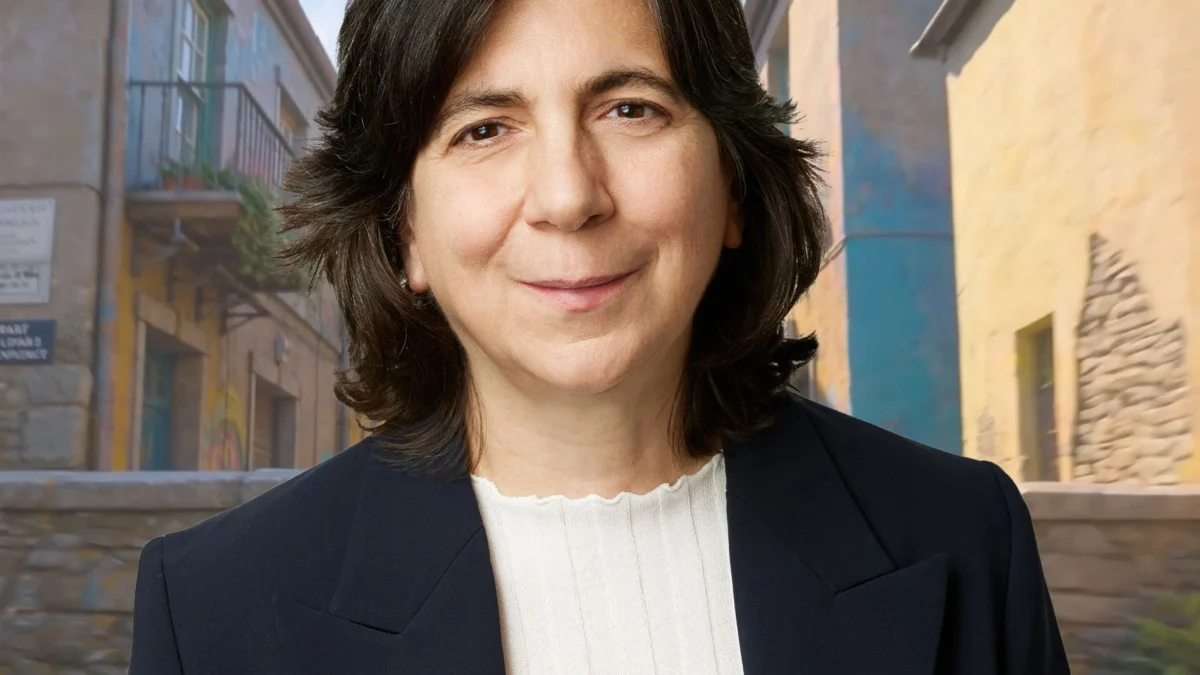
At the recent AU26 conference, the conversation surrounding Artificial Intelligence in the creative sector reached a defining inflection point. For years, the industry has been dominated by a singular, anxiety-inducing question: "Will AI replace the artist?" However, the leadership at Autodesk, led by Diana Colella, EVP and Head of Media & Entertainment, is shifting the narrative toward a more pragmatic and human-centric paradigm. The core message emanating from the company’s latest software reveals—including the Flow Studio platform and integrated tools like MotionMaker for Maya—is not about automation for the sake of replacement, but about the surgical removal of "creative drudgery."
The Core Philosophy: Augmentation, Not Automation
The primary thesis presented by Autodesk at AU26 is that software should function as a force multiplier for human intent. Rather than promising a "one-click" solution that generates finished assets from thin air, the company is doubling down on the idea that AI should handle the repetitive, time-consuming tasks that stifle the creative process.
"How do you make people go faster?" Diana Colella asks, framing the objective with refreshing bluntness. The targets for this acceleration are the traditional bottlenecks of 3D production: rendering times, complex rigging, and the tedious production tasks that occupy a significant portion of an artist’s workday without contributing to the artistic vision.
However, the real substance of the discussion lies not in the speed of the output, but in the destination of the saved time. There is a pervasive fear in the industry that any time saved by AI will simply be swallowed by increased quotas—the "two workloads for one animator" scenario. Colella pushes back against this cynical view. She argues that the objective is to grant artists the "breathing room" to iterate more frequently, explore unconventional creative paths, and troubleshoot potential problems in the pre-production phase before the financial stakes become prohibitively high.

A Chronology of the Shift: From Hype to Integration
The trajectory of AI integration in 3D software has been marked by a transition from experimental "plug-ins" to core ecosystem integration.
- Early Phase (2023-2024): The initial wave of generative AI was characterized by 2D image synthesis. While impressive, these tools largely remained outside the professional 3D pipeline, often viewed as toys or sources of inspiration rather than production-ready assets.
- The Integration Phase (2025): As studios began experimenting with AI, the focus shifted to "Workflow Interop." Tools were introduced to assist with UV mapping, texture generation, and basic retopology, though they were often disjointed.
- The Ecosystem Phase (AU26 and Beyond): With the introduction of Flow Studio and deeper AI integration into Maya, the industry has moved toward a unified experience. Autodesk’s approach ensures that the AI component is not a separate application, but an extension of the artist’s existing workspace.
By folding these capabilities into established tools like Maya, Autodesk is addressing a crucial barrier to adoption: the steep learning curve. By maintaining the familiarity of the interface while empowering it with AI-driven backend support, the company is bridging the gap between traditional craftsmanship and modern computational power.
Supporting Data: Why 3D Resists the "Shortcut"
One of the most compelling aspects of Autodesk’s current stance is its refusal to treat 3D and 2D as identical problems. Generative AI has made significant strides in 2D image creation, where the lack of temporal or spatial consistency is often hidden by style. 3D, however, requires rigid adherence to physics, lighting, and topology.
"3D was never easy, and now with AI, it’s not easy to just replace it," Colella notes. This technical reality is why Autodesk has avoided the "prompt-to-film" trend that has preoccupied many smaller startups. The company’s data suggests that the complexity of 3D production necessitates a human in the loop to maintain high-fidelity standards.

Furthermore, the industry is witnessing a "transparency crisis." As audiences become more adept at identifying AI-generated content—often through telltale artifacts or the uncanny nature of synthesized movement—professional studios are becoming increasingly cautious. TikTok’s recent move to flag AI-generated clips is symptomatic of a broader consumer shift. Colella highlights that Autodesk is responding to this by prioritizing "AI provenance"—being transparent about exactly which features are AI-driven and which are not—to ensure that professionals can trust the tools they use in their production pipelines.
The "Silent User" Phenomenon: Why Professionals Stay Quiet
Perhaps the most fascinating insight provided by the AU26 discussions is the current culture of secrecy regarding AI adoption. Colella admits that a significant portion of the user base is currently utilizing AI tools, yet they are hesitant to acknowledge it publicly.
This phenomenon is driven by a toxic mix of industry "fearmongering" and job insecurity. Many artists feel that admitting to the use of AI tools—even those that simply handle mundane tasks like frame interpolation or denoising—might be perceived as a lack of skill or a betrayal of their craft.
"If they are using the AI tools, they won’t [admit it]," Colella says. "They don’t want to tell us." This creates a strange paradox where the technology is being actively adopted and integrated into high-end production, yet the industry discourse remains stuck in a cycle of skepticism and denial. Autodesk’s strategy is to normalize these tools by making them "invisible" parts of the workflow, thereby stripping away the stigma associated with their use.
Implications for the Future of Filmmaking
The implications of this shift extend beyond the individual artist. If, as Colella suggests, AI can successfully reduce the "drudgery" of production, the economic barriers to entry for high-quality 3D content will inevitably lower.
1. The Democratization of Complex Assets
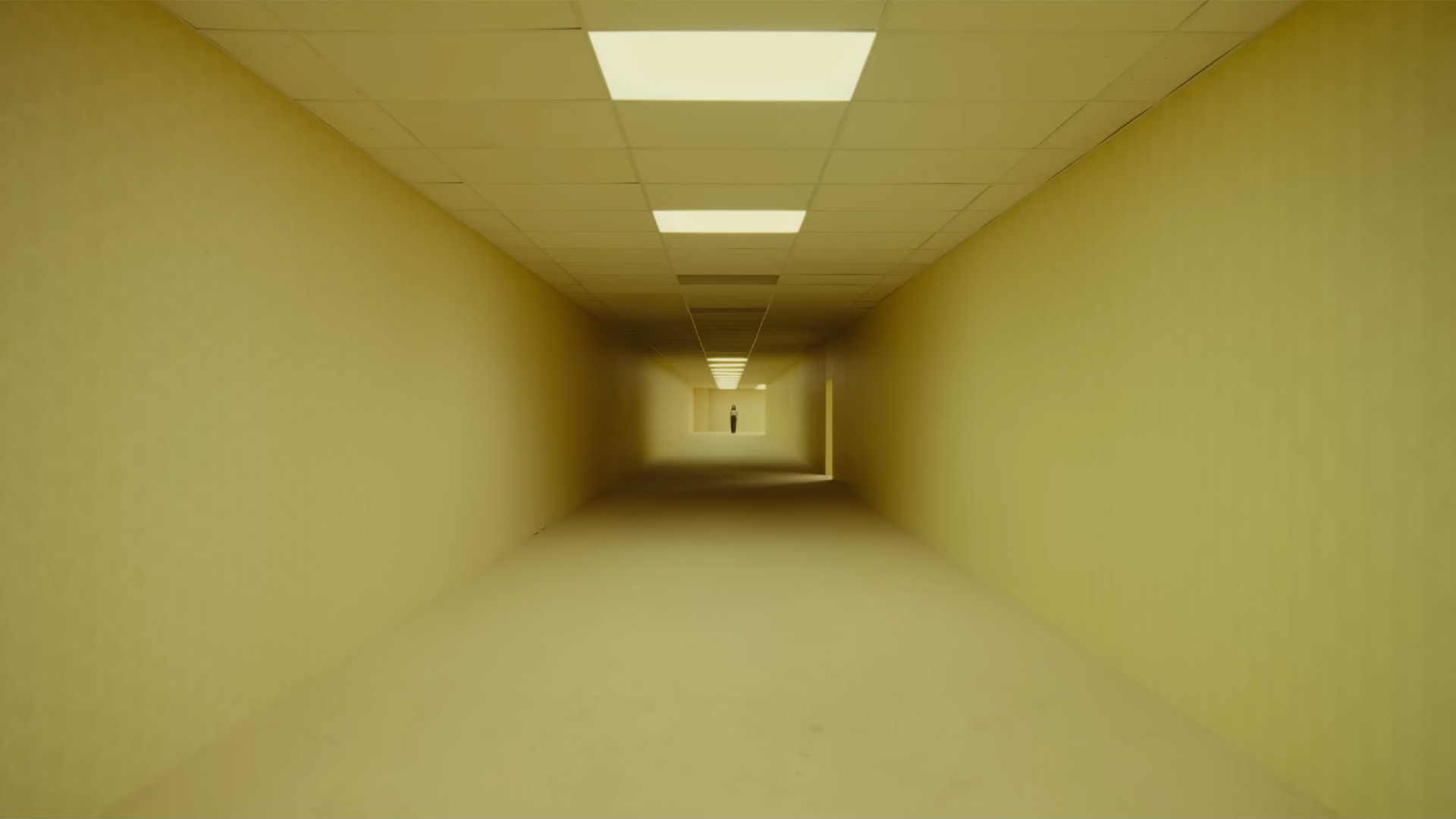
For years, the high cost of rendering and animation limited certain types of storytelling to major studios with massive pipelines. If tools like Flow Studio can democratize these processes, we may see a surge in independent productions that mirror the quality of high-budget features. Colella points to the success of low-budget horror projects like Backrooms as evidence that the audience is hungry for creative vision, even when the budget is constrained.
2. A Shift in Industry Economics
Currently, the media and entertainment industry is in a state of "contraction." Studios are scrutinizing budgets, leading to fewer greenlights and a focus on proven IP. Colella suggests that the widespread adoption of AI-assisted tools might actually act as a catalyst for a new "golden age" of independent creation. By lowering the cost of production, AI enables a wider range of creators to bring their projects to fruition, effectively bypassing the current studio bottlenecks.
3. The End of the "AI Bubble"
When asked about the potential for an AI bubble, Colella provides a sharp distinction between companies raising capital on hype and companies selling software that generates tangible, production-grade results. "There’s a lot of fundraising. There’s not a lot of selling," she remarks. By focusing on Flow Studio as a product that is currently being sold and used in real-world scenarios, Autodesk is distancing itself from the speculative nature of the broader AI startup market.
Conclusion: The Human Element Remains Supreme
The fundamental challenge for the creative industries is not whether AI will be used, but how it will be integrated. The narrative presented by Autodesk is a departure from the "AI-as-a-replacement" trope. It is a vision where the artist remains the primary architect, while the AI acts as a sophisticated assistant that handles the technical heavy lifting.
As Colella concludes, the ultimate test for these tools is not how many seconds they shave off a rendering time, but where that time is reinvested. If the industry uses these gains to squeeze more work out of fewer people, it will fail to innovate. However, if these tools provide the room for artists to experiment with the "weird ideas" they would have otherwise discarded for lack of time, then the future of 3D creativity may be brighter than the skeptics believe.
The industry is currently in a state of flux, waiting to see how the economics shake out. But one thing is clear: the most successful creators of the next decade will be those who view AI not as a competitor, but as a tool that allows them to push the boundaries of what is possible in digital storytelling. For now, the focus remains on building better tools, keeping the human in the loop, and, most importantly, keeping the focus on the art itself.
 Jia Lissa
  Nila Kartika Wati
  Dwi Wanna