
 By Ammar Sabilarrohman
In an era defined by volatile social media algorithms, fluctuating Pay-Per-Click (PPC) costs, and the ever-shifting sands of search engine optimization, one asset remains the bedrock of digital stability: your email list. While the allure of "viral" content or paid acquisition often dominates the marketing conversation, seasoned entrepreneurs know that true brand longevity is built in the inbox.
As we move deeper into 2025, the digital landscape is increasingly cluttered. For small business owners and startups, the challenge is no longer just "getting noticed"—it is building a direct, owned connection with an audience that ignores the noise. If you are operating on a lean budget, you might assume that scaling your reach is impossible without significant advertising spend. Fortunately, the opposite is true. Here is your roadmap to building a robust, high-converting email database using entirely organic, cost-effective strategies.
The Strategic Imperative: Why Your Email List is Your Greatest Asset
Before diving into the tactics, it is essential to understand the "why." In the digital economy, your email list is one of the few assets you truly own. Unlike a follower count on Instagram or a ranking on Google, which can be wiped out or throttled by an overnight algorithm update, your email list is a direct line to your customer base.
The Financial Argument: Unrivaled ROI
The data speaks for itself. According to The 2025 State of Marketing Report by HubSpot, email marketing continues to outperform almost every other digital channel, boasting an average return on investment (ROI) of 36:1. For every dollar invested in your email strategy, you can expect, on average, $36 in revenue. This level of efficiency is rarely matched by social media ads, where costs are rising and organic reach is falling.
Autonomy and Personalization
Email allows for granular segmentation. You are not broadcasting to a monolithic block of users; you are speaking to individuals based on their behaviors, interests, and purchase history. By tailoring content to these segments, you foster a sense of personalization that builds trust—the primary currency of modern commerce. When a customer feels "known" by a brand, they are significantly more likely to transition from a one-time buyer to a brand advocate.
6 Proven Strategies for Organic List Growth
Building a list without paid ads is not about "hacking" the system; it is about providing consistent, undeniable value. Here are six strategies to implement in 2025.
1. The Value-First Approach: Lead Magnets
The most effective way to gain an email address is to provide something of genuine value in exchange. This is the "give to get" philosophy. However, the days of generic newsletters are over. To capture attention today, your lead magnet must be hyper-specific.
- Avoid the ChatGPT Trap: Do not simply aggregate information that can be found in a five-second search. Create resources—checklists, proprietary templates, mini-courses, or industry-specific e-books—that offer deep, actionable expertise.
- Solve a Specific Pain Point: Your lead magnet should act as a "quick win" for your user. If you solve one small, annoying problem immediately, you earn the right to provide long-term value via your newsletter.
2. Strategic Sign-Up Architecture
Many entrepreneurs make the mistake of hiding their newsletter sign-up in the footer. Your opt-in forms should be treated as strategic real estate.
- Diversify Placement: Integrate sign-up forms on your homepage, within the body of high-performing blog posts, on your "About" page, and via intent-based pop-ups.
- The UX Balance: While pop-ups are effective, they can be intrusive. Utilize "exit-intent" technology or time-delayed triggers (e.g., after a user has scrolled 50% of the page) to ensure the disruption is minimized. Monitor your bounce rates; if your traffic starts dropping, simplify your approach.
3. The Power of the "Challenge"
Interactive content, such as a 7-day challenge or a boot camp, creates a sense of community and urgency. This strategy shifts the relationship from a passive transaction to an active participation.
- Examples: A fitness brand might launch a "7-Day Strength Challenge," while a beauty brand could offer a "7-Day Skin Glow Protocol."
- The Mechanic: Promote the challenge on social media, collect email addresses for registration, and deliver daily, bite-sized lessons via email. By the end of the week, the subscriber has already formed a habit of opening your emails, significantly increasing their lifetime value.
4. Leveraging Social Media as a Funnel
Your social media followers are "rented" audiences; your email list is your "owned" audience. The goal is to move your followers from the social platform to your inbox.
- Tease and Convert: Use Stories, Reels, and Live sessions to highlight the value of being on your list, not just the existence of the list. Use "link-in-bio" tools to direct traffic to a dedicated landing page rather than your generic homepage.
- Consistency: Regularly remind your social audience that the "deep dive" content—exclusive insights, early access, and advanced tutorials—is reserved for your email subscribers.
5. Ubiquitous Link Placement
Treat every touchpoint as a potential acquisition channel. Your email opt-in link should be visible in places you might not initially consider:
- Email Signatures: Add a subtle call-to-action (CTA) in your personal and professional email signatures.
- Professional Profiles: Link your lead magnet in your LinkedIn bio or even on physical business cards via a QR code.
- Guest Posting: If you contribute to other blogs or industry publications, include a link to your sign-up page in your author bio.
6. The Power of Collaboration
Building a list as a solo entrepreneur is hard; building it with partners is exponential. Seek out other creators or businesses that share your target audience but are not direct competitors.
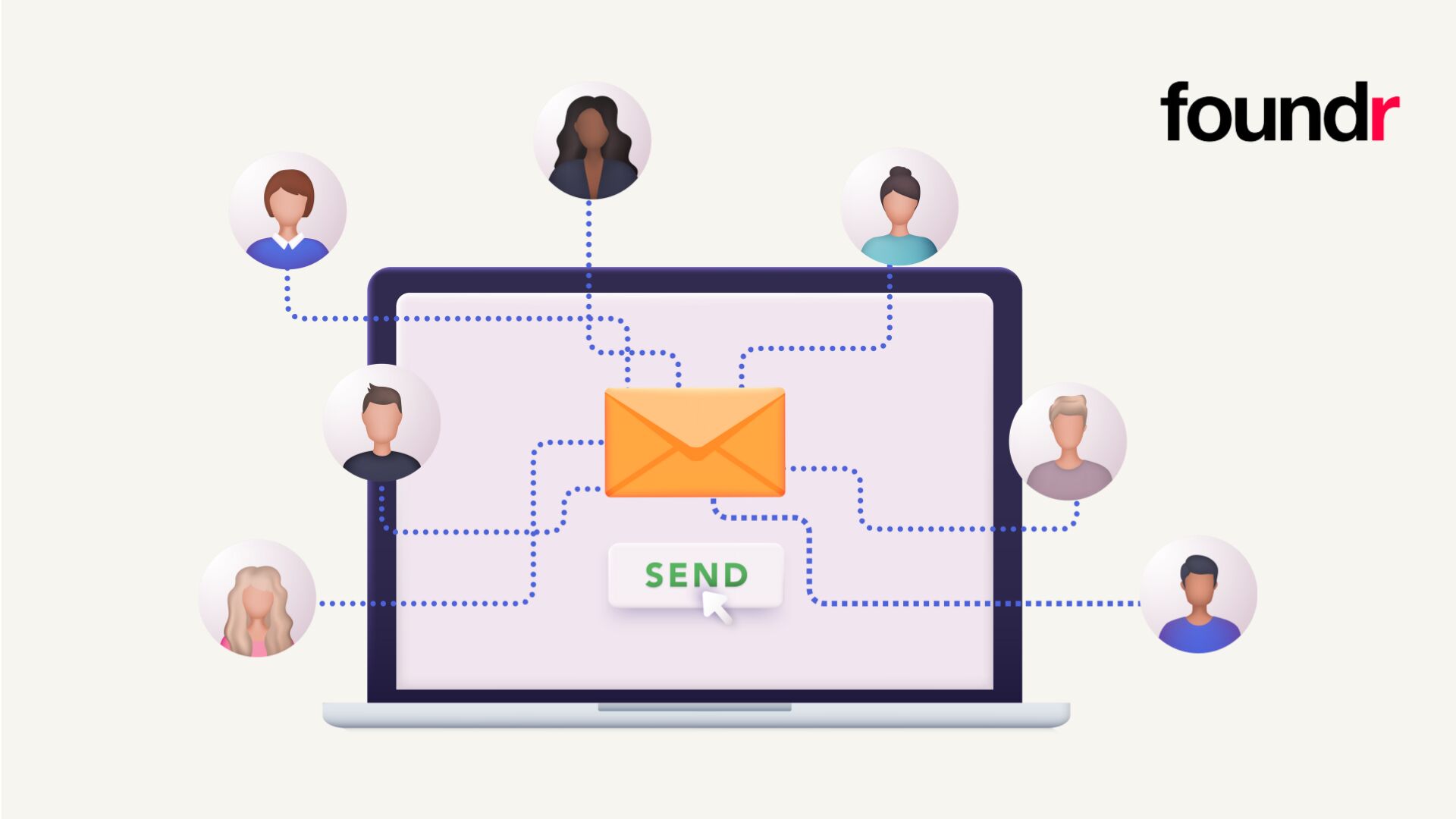
- Newsletter Swaps: Recommend a partner’s newsletter to your list, and have them do the same for you.
- Co-Branded Assets: Team up for a joint webinar or a collaborative e-book. By pooling your resources, you gain access to a pre-vetted audience that is already primed for the type of content you provide.
Implications: Moving From Growth to Retention
Once you have successfully built a growing list, the focus must shift to retention. Growth is a vanity metric if the list is "cold" or disengaged.
- Welcome Sequences: Your first email is the most important. Create an automated sequence that introduces your brand, delivers the promised value, and sets expectations for future communication.
- Consistent Cadence: Whether it is weekly or bi-weekly, establish a schedule and stick to it. Reliability builds trust.
- Segmentation: As your list grows, categorize subscribers based on their interests. A user who signed up for your "Skin Glow Challenge" should receive different follow-up content than someone who signed up for your "Business Finance Template."
The Technological Catalyst: Omnisend
Scaling these efforts requires the right infrastructure. An effective email marketing strategy needs more than just a "send" button; it requires automation, intelligent segmentation, and robust reporting.
Omnisend is purpose-built for the modern eCommerce entrepreneur. By providing intuitive drag-and-drop builders, sophisticated automation workflows, and high-level segmentation, Omnisend transforms a simple list into a high-performance revenue engine.
For readers looking to upgrade their strategy, use the code FOUNDR50 at checkout to receive 50% off your first three months of a paid plan. Click here to start your journey with Omnisend today.
Conclusion
Building a massive, healthy email list in 2025 is not about having a large budget—it is about having a clear strategy. By focusing on genuine value, strategic placement, and collaborative growth, you can insulate your business from the volatility of the digital landscape. Start small, be consistent, and remember that every new subscriber represents a potential long-term relationship. Your inbox is waiting.
 Asep Darmawan
 Reynand Wu
 Nana
