
 By Nana

In the modern era of entrepreneurship, the "side hustle" has evolved from a hobby into a sophisticated business model. However, the transition from a late-night idea to a sold-out product launch is rarely seamless. For Lily, a professional working in the high-stakes world of electric vehicle (EV) infrastructure, the catalyst for her business venture wasn’t a desire to disrupt the fashion industry, but rather a universal, daily frustration: pet hair.
What began as a personal quest to solve the nuisance of fur-covered clothing transformed into a viral consumer brand. By leveraging the power of "building in public" and optimizing her digital marketing stack, Lily proved that even with the rigid constraints of a full-time career, a well-executed vision can scale rapidly.
The Genesis: Solving a Persistent Problem
Lily’s professional life is centered on the complex, technical world of electric vehicle infrastructure—a demanding role that occupies her time from 8:00 AM to 5:00 PM, Monday through Friday. Outside of the office, however, her life is defined by a different kind of management: caring for her three dogs.
For millions of pet owners, the "fur factor" is an accepted reality of life. For Lily, it became a design challenge. "I have three dogs, and I was always just covered in fur all the time," she recalls. "I pretty much thought to myself, how could I make clothes where the hair just doesn’t stick—or I could easily wipe it away?"
While many might simply buy more lint rollers, Lily saw a market gap. She envisioned a clothing line that combined aesthetics with functional, pet-hair-resistant technology. This was not a quick pivot; it was an R&D project. She spent over a year researching and testing fabrics, searching for a manufacturer capable of producing apparel that could withstand the rigorous demands of an active lifestyle with pets.
Chronology of a Viral Launch
Lily’s journey from prototype to profit was characterized by radical transparency. Eschewing the traditional "stealth mode" startup approach, she opted to build her brand in public.
The Development Phase
For twelve months, Lily juggled her engineering-adjacent career with the granular details of textile sourcing. Because she was committed to custom fabric technology rather than off-the-shelf garments, the timeline was significantly longer than standard e-commerce drops. Throughout this period, she documented the wins, the setbacks, and the manufacturing hurdles on TikTok.
The Social Validation
By sharing her process on social media, Lily created a "waiting room" of potential customers. The content resonated with an audience that understood her struggle, transforming a niche problem into a community-led movement. Her transparency served as both a marketing tool and a validation mechanism; she knew there was demand before she had a single piece of inventory to sell.
The First Drop
When the first collection finally went live, the results were staggering. The anticipation built during the development phase culminated in a rapid-fire sell-out. "When a drop came, I sold out in a couple of hours," Lily notes. The challenge had officially shifted: she had moved from the "proving phase" to the "scaling phase," all while maintaining her full-time position in the EV sector.
The Marketing Hurdle: Learning Email at Scale
As the brand moved from concept to commercial reality, Lily hit a wall common to many solopreneurs: the technical complexity of email marketing. While her product development was sound, her digital communication strategy was initially chaotic.
The "Circular" Trap
Lily initially attempted to navigate the landscape of email marketing using Klaviyo. While the platform is a industry staple, Lily found the learning curve steep. For a founder with limited hours, the time required to customize templates and configure automations began to eat into her product development and fulfillment bandwidth.
"I was kind of going in circles with it, and things weren’t looking how I wanted them to look," she explains. She described the feeling of being "punished for growing," as the complexity of her marketing stack increased alongside her audience size.
The Pivot to Simplicity
Recognizing that her time was her most valuable asset, Lily pivoted to Omnisend. The switch was transformative. Unlike her previous experience, she found that the interface allowed for rapid deployment of automations without the technical overhead. This efficiency was critical; it allowed her to "set it and forget it," enabling her to focus on her 9-to-5 while the backend of her business operated autonomously.
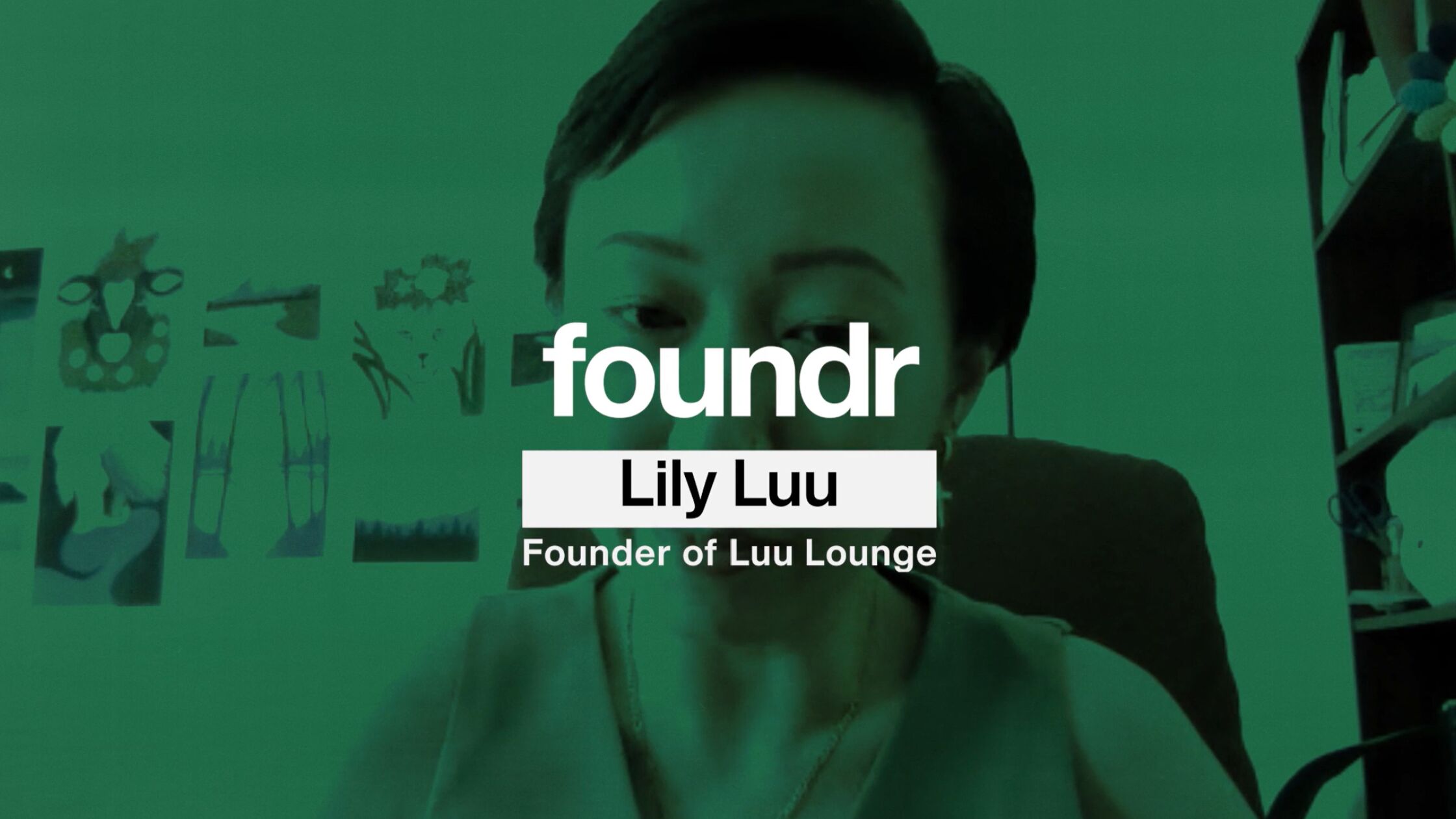
Data and Logistics: Running a Business on Autopilot
The true power of Lily’s model lies in her use of automation to bridge the gap between a side hustle and a professional brand.
Leveraging SMS and Email
By the time of her launch, Lily had cultivated a list of 3,000 subscribers. This wasn’t just a list; it was an engaged, expectant audience. She utilized SMS and email to synchronize her drops, creating a sense of urgency and exclusivity. Customers were not just browsing a website; they were waiting for a specific notification to grant them access to the collection.
Operational Efficiency
For a founder working a full-time job, time management is a zero-sum game. Lily’s reliance on Omnisend allowed her to:
- Coordinate Launches: Automate the "Early Access" sequences that drove her sell-out success.
- Manage Communication: Maintain a professional brand presence without manual daily management.
- Focus on Fulfillment: Spend her limited non-working hours on logistics and product quality rather than wrestling with email formatting.
Implications for the Modern Entrepreneur
Lily’s success story serves as a blueprint for the "career-plus" entrepreneur. Her trajectory offers several key takeaways for those looking to launch a business without abandoning their primary career path.
1. Build in Public as a Risk Mitigation Strategy
By documenting her process on TikTok, Lily reduced the risk of launching a product that nobody wanted. Her audience helped validate her choices, effectively acting as an unpaid focus group throughout the development process.
2. Prioritize "Time-to-Value" in Tool Selection
Lily’s experience with marketing software underscores a vital lesson: the best tool is the one that gets out of your way. For a founder with a time-constrained schedule, software that requires high maintenance is a liability. Her move to a more intuitive platform was the decision that allowed her to scale.
3. The "Automated Ecosystem" is Essential
Modern e-commerce is not just about the product; it is about the automated customer journey. By integrating email and SMS, Lily ensured that her brand could communicate with customers 24/7, even when she was in meetings or working on EV infrastructure.
4. Scalability Through Systems
The transition from a "side project" to a "brand" requires moving away from manual tasks. Whether it is through automated email flows or outsourced logistics, the ability to remove oneself from the day-to-day operations is what differentiates a successful business from a hobby.
Conclusion: A New Standard for Side Hustles
Lily’s journey from a frustrated pet owner to a successful brand founder illustrates a fundamental shift in the landscape of small business. Technology has democratized the ability to build, market, and manage a professional-grade company from a home office or a kitchen table.
However, technology alone is not enough. Lily’s success is rooted in the combination of a genuine problem-solving mindset, a commitment to transparent communication, and the strategic selection of systems that prioritize efficiency. As the barriers to entry continue to fall, the real differentiator for entrepreneurs will be their ability to integrate these tools into their lives without burning out.
For those inspired by Lily’s path, the message is clear: the path to building a business alongside a full-time career is paved with smart, scalable automation. By focusing on the customer experience and leveraging the right infrastructure, any founder can turn a personal frustration into a sustainable, growing brand.
Are you looking to replicate Lily’s success? For those ready to scale, Omnisend offers a streamlined approach to marketing automation. Foundr readers can receive 50% off their first three months by using code FOUNDR50 at checkout. Start building your automated future today.
 Reynand Wu
 Jia Lissa
 Azzam Bilal Chamdy
