
 By Pevita Pearce
SEATTLE — In an era where modern cloud architectures scale into thousands of microservices, distributed systems, and autonomous generative AI agents, engineering teams are increasingly drowning in data. Traditional monitoring tools often fragment this data across a dizzying array of dashboards, log files, and disparate metrics, forcing SREs and developers to piece together clues during high-pressure outages.
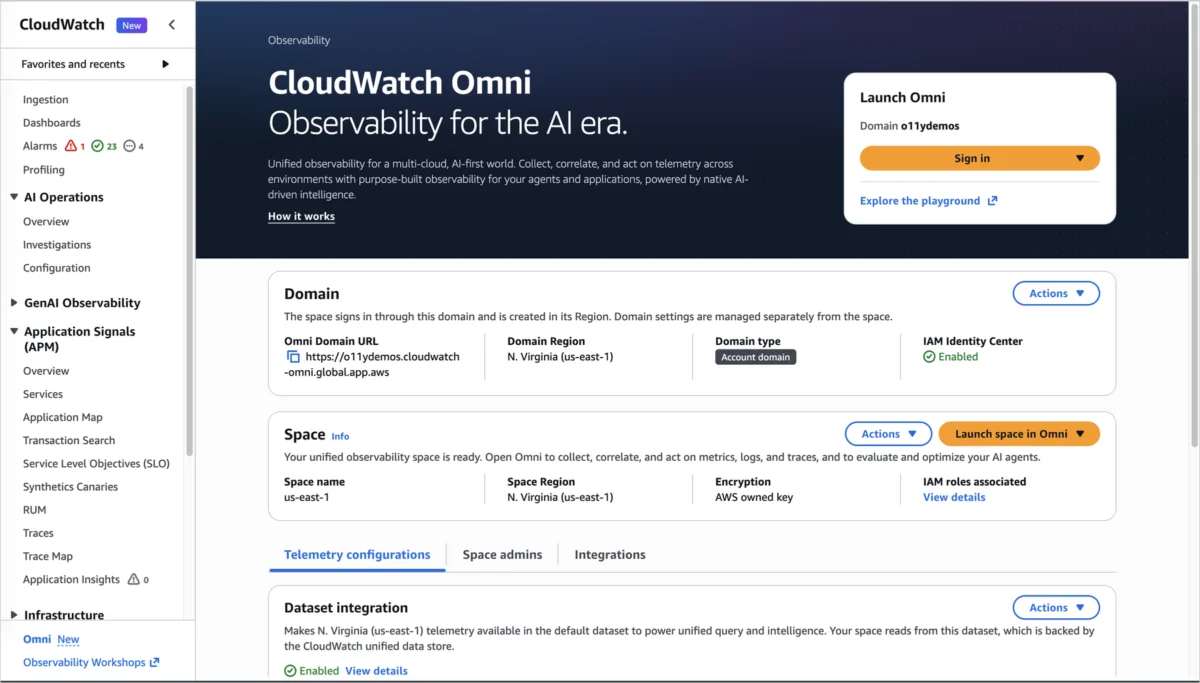
Seeking to alleviate this cognitive overload, Amazon Web Services (AWS) has officially announced the launch of Amazon CloudWatch Omni. Built natively on OpenTelemetry standards, Omni is a unified, AI-powered observability experience designed to transcend traditional infrastructure monitoring. By shifting the focus from isolated technical signals—such as CPU utilization or disk I/O—to holistic, application-centric visualization and natural-language investigations, CloudWatch Omni promises to fundamentally redefine how enterprise engineering organizations diagnose, triage, and resolve production incidents.
Main Facts: What is Amazon CloudWatch Omni?
At its core, CloudWatch Omni is a collaborative, application-aware observability workspace that bridges the gap between disparate technical disciplines within an organization. Accessible via a dedicated organizational URL and secured through enterprise Single Sign-On (SSO) providers like Okta and Microsoft Entra ID, Omni liberates engineering teams from requiring direct access to the AWS Management Console to perform daily triage.
Key pillars of the platform include:

- Application-Centric Organization: Rather than forcing teams to manually curate and maintain static dashboards for every component, Omni automatically discovers services, maps dependency topologies, and adjusts dynamically as architectures evolve.
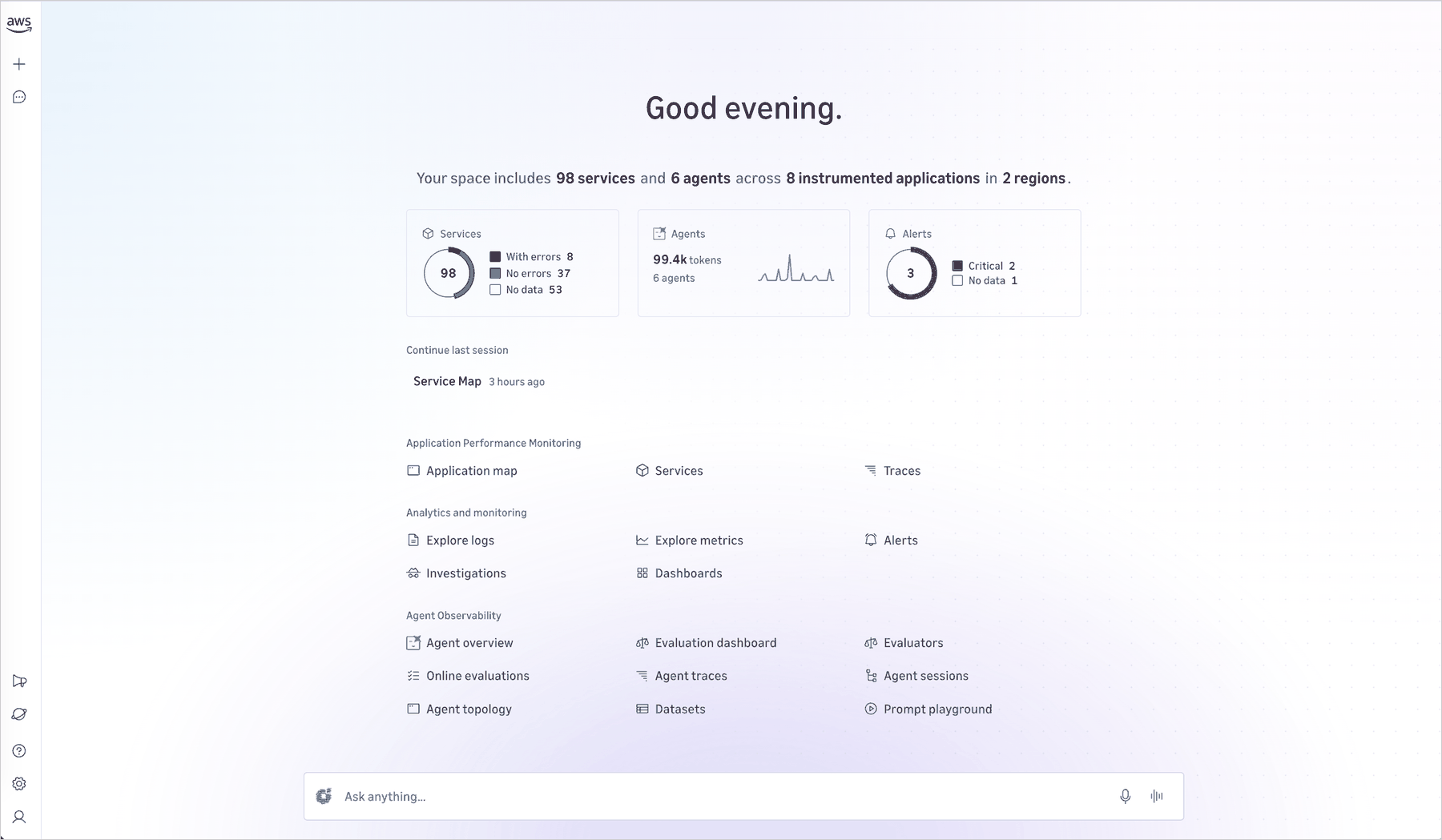
- OpenTelemetry-Native Foundation: Omni leverages OpenTelemetry out of the box. Telemetry data already streaming into CloudWatch appears instantly without requiring any reconfigurations, while external workloads feed data through standard OpenTelemetry Protocol (OTLP) endpoints.
- Amazon DevOps Agent Integration: Acting as a virtual team member, the embedded AI-powered DevOps Agent correlates logs, metrics, and traces in real time, suggests remediation paths, and traces root causes through complex service dependency graphs.
- Unified Collaborative Spaces: SREs, developers, database administrators, and engineering managers share a single investigation session, preserving critical context that is traditionally lost in fragmented chat threads or isolated screenshots.
Chronology: The Evolution Toward Autonomous Observability
The journey toward CloudWatch Omni reflects a broader industry reckoning with the limits of human scalability in modern software engineering.
- The Era of Fragmented Monitoring: For years, engineering organizations relied on patchwork observability tooling. Developers looked at application performance monitors (APMs), operations teams watched infrastructure metrics via CloudWatch or third-party tools, and security teams tracked anomalies elsewhere. When an incident struck, cross-functional communication relied on manual screenshots and long, winding Slack investigations.
- The Rise of OpenTelemetry: As cloud-native architectures matured, the industry converged on OpenTelemetry as the vendor-neutral standard for generating and collecting telemetry data (logs, metrics, and traces). This standardization laid the groundwork for centralized analysis engines.
- The Generative AI Inflection Point: With the explosion of generative AI and autonomous agentic workflows, the volume and complexity of telemetry grew exponentially. Traditional dashboards could no longer keep pace with dynamic AI agents executing non-deterministic paths.
- The Launch of CloudWatch Omni (Late 2026): AWS addressed these growing pains by introducing Omni in a two-pronged rollout. In its companion release, AWS debuted agent observability capabilities tailored specifically for generative AI workloads. Today’s broader launch delivers the comprehensive application observability experience, complete with IAM Identity Center integration, automated topology mapping, and the Amazon DevOps Agent.
Supporting Data: Addressing the Enterprise Observability Burden
To understand the strategic significance of CloudWatch Omni, one must examine the daily friction points faced by modern engineering organizations. Industry surveys consistently show that software engineers spend upwards of 30% to 40% of their operational time maintaining monitoring infrastructure rather than building features.
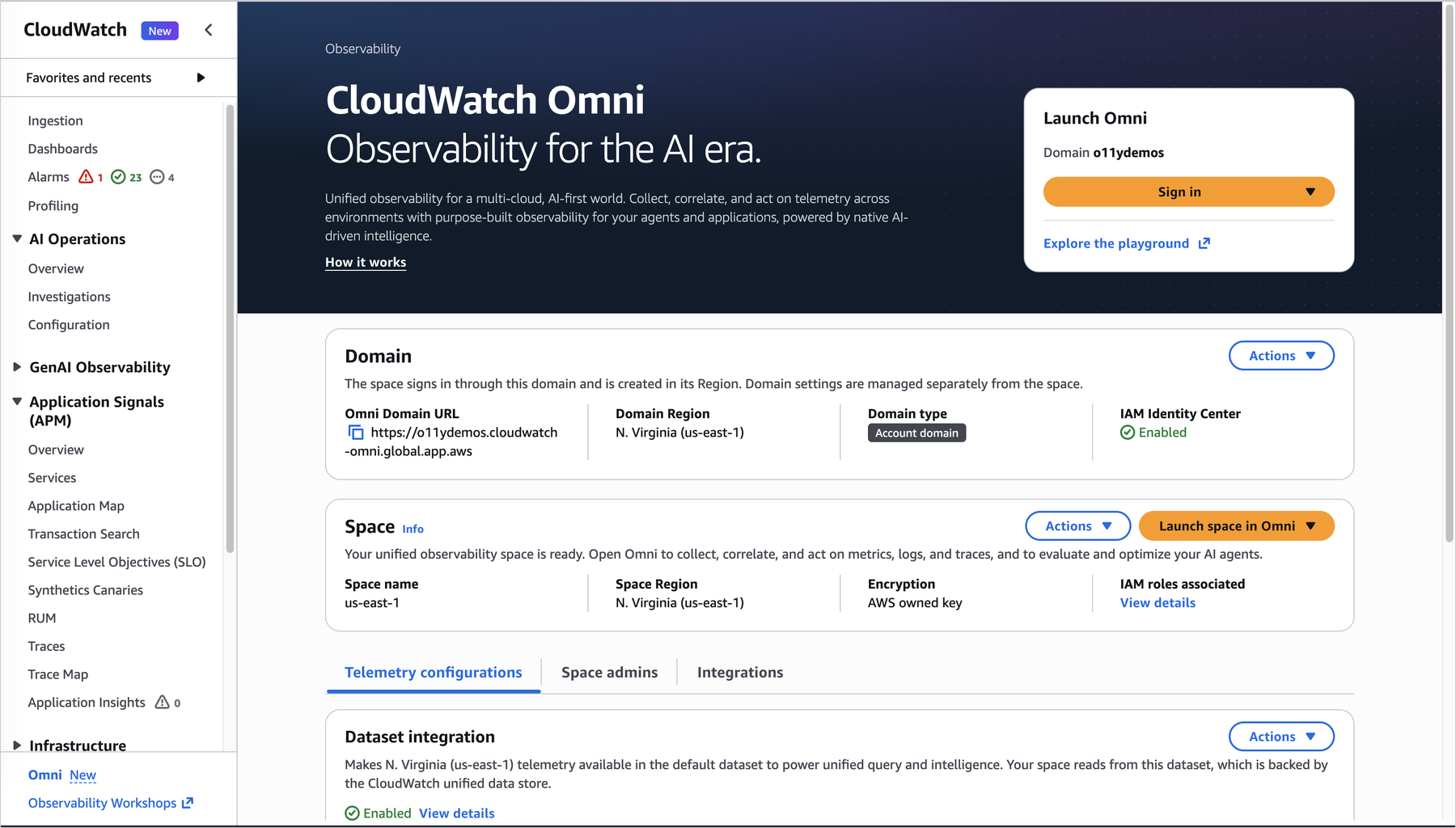
- Zero-Reconfiguration Onboarding: For existing CloudWatch customers, adopting Omni requires zero data migration or telemetry reconfiguration. Existing logs, metrics, traces, and alarms are immediately indexed and visualized within newly created team "Spaces."
- Enterprise Identity Federation: By tying access directly into IAM Identity Center—supporting SAML 2.0 providers such as Okta and Microsoft Entra ID—organizations can securely onboard cross-functional teams without provisioning individual AWS Console credentials.
- Multi-Environment Ingest: While deeply integrated with AWS Config and native cloud resources, Omni provides flexible connectors to ingest telemetry from hybrid and multi-cloud environments, consolidating an enterprise’s entire observability footprint into a single pane of glass.
Official Responses and Architectural Workflows
According to AWS engineering leadership, the design philosophy behind CloudWatch Omni was driven by direct customer feedback regarding the chaotic nature of incident management.
A Typical Incident Lifecycle in Omni
To illustrate how the platform transforms incident response, AWS outlined a standard enterprise workflow:
- The Trigger: An automated alarm fires, signaling elevated error rates in a core checkout service.
- Instant Context Loading: Omni immediately opens a collaborative investigation session. It pre-loads the service topology, highlights correlated signals—such as a deployment executed 10 minutes prior or increased latency from a downstream payment API—and presents the Amazon DevOps Agent’s preliminary analysis.
- Cross-Team Escalation: The on-call SRE confirms the deployment correlation, reviews the trace view to pinpoint failing endpoints, and invites a specialist from the payments engineering team into the exact same session.
- Seamless Collaboration: The payment engineer joins, instantly seeing all historical context, trace graphs, and DevOps Agent correlations pointing to an API gateway configuration change. The root cause is identified, a rollback is initiated, and the entire incident audit trail is captured automatically, eliminating the need for manual post-mortem report drafting.
"Engineering teams told us they spend too much time maintaining dashboards, tuning thresholds, and switching tools during incidents," notes Daniel Abib in the official AWS release documentation. "CloudWatch Omni changes this by organizing observability around your applications rather than individual signals, bringing your whole team into the same workspace."
Implications: What CloudWatch Omni Means for the Future of DevOps
The commercial and operational implications of Amazon CloudWatch Omni extend far beyond a mere feature update; they represent a fundamental maturation of DevOps and Site Reliability Engineering practices.
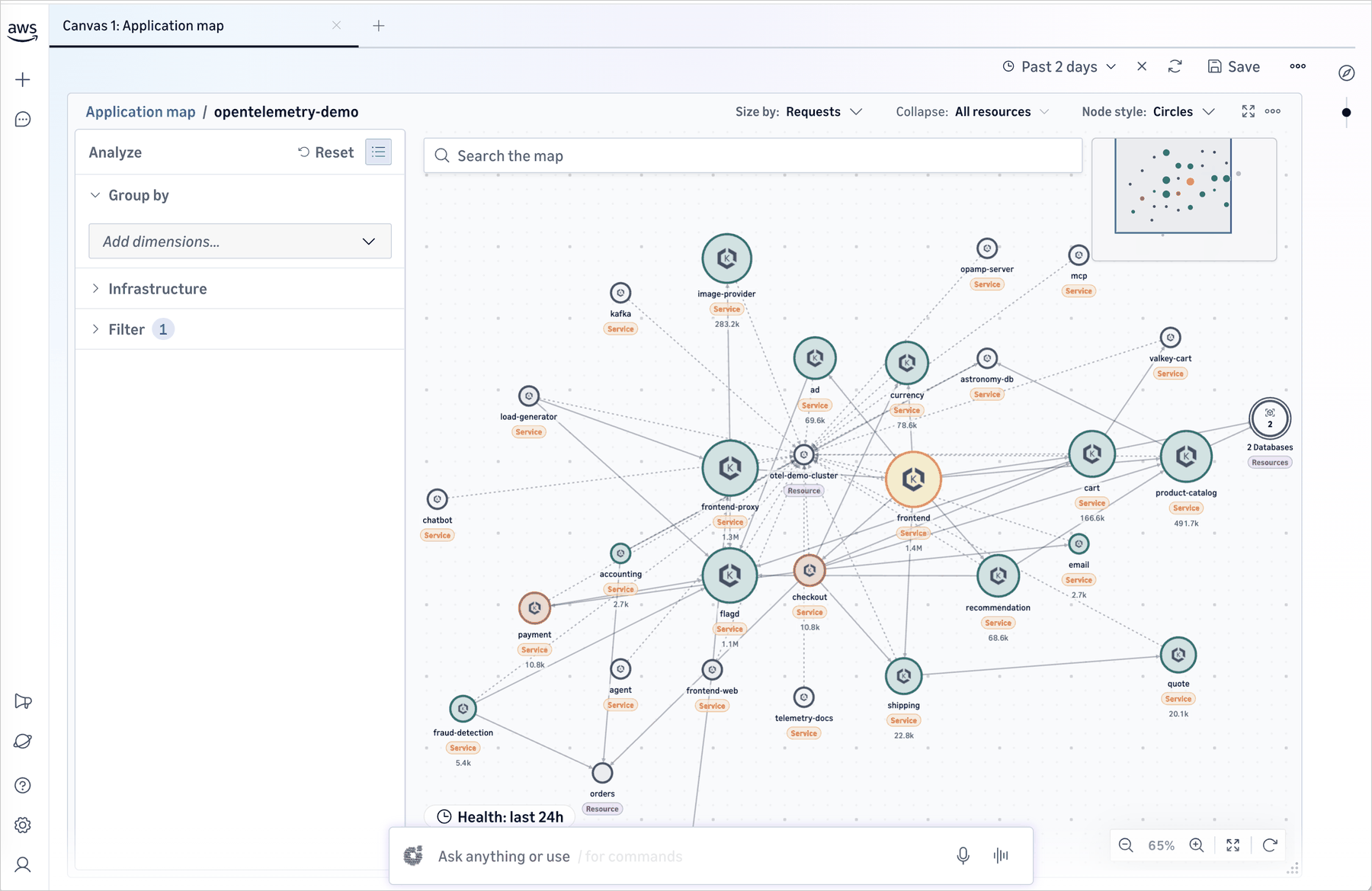
1. The Democratization of Telemetry
By abstracting away the complexities of the underlying AWS Console and presenting data through intuitive, natural-language interfaces, Omni lowers the barrier to entry for non-infrastructure specialists. Product managers, data scientists, and QA engineers can query system health in plain English, fostering a true culture of shared operational ownership (often described as "you build it, you run it").
2. The Shift from Reactive Dashboards to Proactive AI Agents
Static dashboards are inherently reactive—they tell an engineer what broke after the fact. Omni’s integration with the Amazon DevOps Agent points toward a future of proactive, AI-assisted operations. By continuously correlating anomalous telemetry against historical dependency graphs, AI agents are poised to transition from passive advisory tools to active remediation partners.
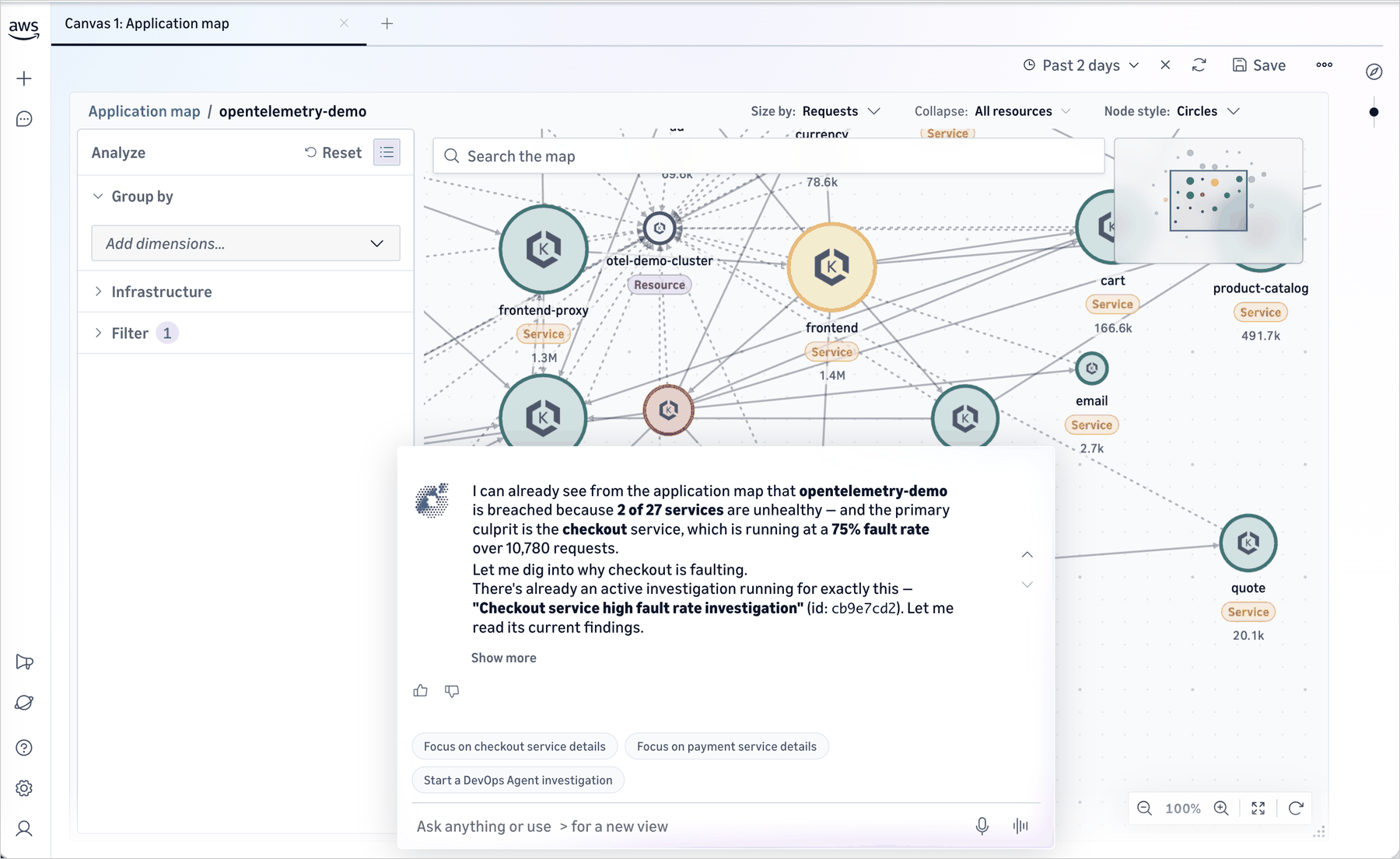
3. Streamlined Compliance and Audit Trails
Because every investigation session in Omni is automatically logged and preserved from inception to resolution, organizations gain an immutable audit trail of how incidents were diagnosed and resolved. This automated record-keeping significantly reduces the administrative overhead associated with regulatory compliance and formal post-incident reviews.
Getting Started
For organizations eager to test the platform, CloudWatch Omni is available immediately. Existing CloudWatch users can access the interface directly by navigating to the CloudWatch console and selecting "Try CloudWatch Omni." Administrators looking to deploy Omni enterprise-wide can configure domains, connect identity providers via IAM Identity Center, and define custom "Spaces" tailored to specific product teams and environments without disrupting existing data pipelines or incurring unnecessary data movement costs.
 Sagoh
 Siti Muinah
 Reynand Wu
