
 By Suro Senen
By Daniel Oropeza
Updated October 2, 2026
No, you are not experiencing a glitch in the matrix or a severe bout of déjà vu: Amazon did, in fact, host its massive summer flagship sales event just a few months ago in July. Yet, retail calendars spare no rest for the weary consumer. The retail giant’s signature autumn shopping event—officially titled Prime Big Deal Days, but universally recognized by bargain hunters as October Prime Day—is once again upon us.
Formally scheduled to run from October 6 through October 7, 2026, the official 48-hour event is preceded by a sprawling wave of early-bird discounts. For weeks, shoppers have been tracking price fluctuations across electronics, home goods, apparel, and kitchen appliances. But navigating a massive retail holiday requires a strategy. As early discounts roll out across the web, understanding how to secure genuine savings—while avoiding psychological marketing traps—is more crucial than ever.
Main Facts: The Anatomy of October Prime Day 2026
Prime Big Deal Days has evolved from a supplemental experiment into a permanent fixture of the annual retail calendar. Positioned strategically just weeks ahead of the November holiday shopping frenzy (Black Friday and Cyber Monday), October Prime Day serves as a preliminary testing ground for holiday gift purchasing, inventory clearance, and autumn home-refresh projects.
Key Details at a Glance:
- Official Event Dates: October 6 – October 7, 2026.
- Early Deals: Already live across various categories, including smart home devices, televisions, headphones, and portable projectors.
- Membership Requirement: Exclusive to Amazon Prime subscribers (though non-members can utilize free trial periods).
- Cross-Brand Coverage: Sister publications including CNET, PCMag, ZDNET, and Mashable are tracking overlapping tech sales and live discount feeds.
The Membership Barrier and the Free-Trial Loophole
To capitalize on the deepest discounts during Prime Big Deal Days, shoppers must hold an active Amazon Prime membership. Standard membership rates stand at $14.99 per month or $139 annually.
For budget-conscious consumers reluctant to commit to a year-long subscription for a single two-day event, a reliable workaround exists: Amazon’s 30-day free trial. Savvy shoppers frequently utilize the trial period to access member-only event pricing, secure free two-day shipping, and sample ecosystem perks like Prime Video and Amazon Music. Provided users remember to cancel their subscription before the 30-day trial lapses, they can access the full breadth of Prime Day discounts without incurring membership fees.
Chronology: How the Fall Sales Event Developed
The inception of a secondary, autumn-focused Prime Day was not always a given. For years, Amazon’s promotional calendar relied heavily on a singular summer anchor. However, shifting macroeconomic trends and altered consumer spending habits transformed the retail landscape.
1. The Genesis of the Fall Event
Amazon first tested the waters for a secondary autumn event in late 2022 under the moniker "Prime Early Access Sale." Designed to jump-start holiday shopping amidst rising inflation and supply chain anxieties, the event proved lucrative enough to warrant a permanent scheduling slot. Rebranded subsequently as Prime Big Deal Days, the October sale has steadily expanded its footprint year-over-year.
2. The Lead-Up to October 2026
By late September 2026, whispers of impending price cuts began circulating within retail analyst circles. Early October brought an official confirmation from Amazon regarding the October 6–7 operational window.
Simultaneously, third-party sellers and competing retail platforms—such as Walmart, Target, and Best Buy—began deploying counter-sales ("fall savings events") designed to peel market share away from Amazon’s ecosystem before the official kickoff.
3. The Early-Bird Phase (Current Status)
As of October 2, 2026, the retail ecosystem has entered the "pre-game" phase. While the core inventory discounts remain locked until the official midnight rollout on October 6, introductory price drops on Amazon-branded hardware (Echo speakers, Fire TVs, Kindle e-readers) and select third-party tech items are already live. Dedicated live blogs across consumer tech publications are actively curating these early drops to assist readers in separating legitimate windfalls from marketing fluff.
Supporting Data: Avoiding Hype and Tracking True Value
Consumer advocacy groups and retail researchers consistently warn that not every "Prime Day deal" represents a historic low price. Manufacturers and retailers frequently inflate baseline "list prices" (Manufacturer’s Suggested Retail Price, or MSRP) in the weeks preceding a major sale, creating an illusion of steep percentage-off savings.

The Role of Price Tracking Tools
To ensure that an advertised discount is genuine, digital shopping editors strongly advocate for the use of independent price-history trackers. Tools such as CamelCamelCamel and Keepa allow users to paste an Amazon product URL and view a multi-year historical graph of that item’s pricing.
- Spotting False Discounts: If a television is advertised as being "50% off for $300," a quick look at a price tracker might reveal that the television routinely sells for $280 during non-sale weeks.
- Identifying All-Time Lows: Conversely, robust tracking tools confirm when a product hits an authentic historical floor, giving shoppers the confidence to pull the trigger immediately.
Category Breakdown: What to Buy (and What to Skip)
Historical purchasing data from previous October Prime Day events points to clear categories where consumers find the highest value:
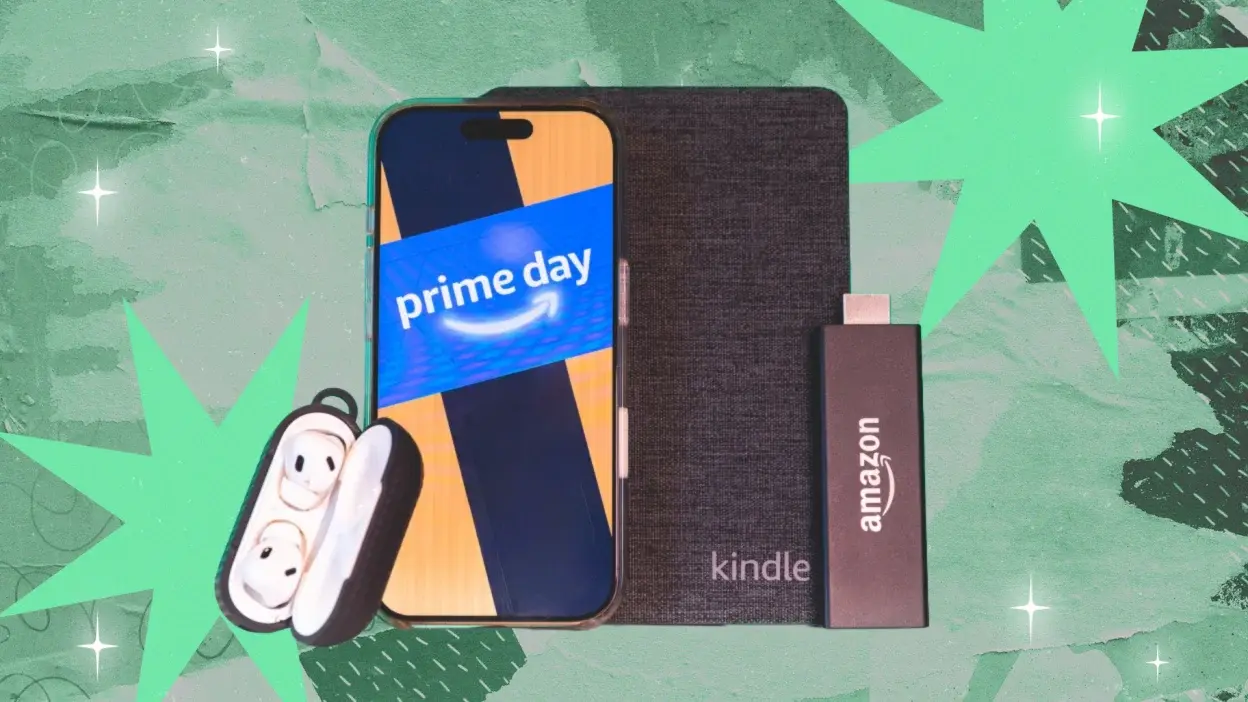
- Amazon Devices: Echo Dots, Fire TV Sticks, Kindle e-readers, and Blink security cameras consistently hit their lowest prices of the year during Amazon-owned sales events.
- Audio & Entertainment: Mid-tier headphones, portable Bluetooth speakers, and entry-level home theater projectors routinely see aggressive price slashing.
- Major Home Appliances & Smart Home Ecosystems: Smart thermostats, robotic vacuums, and kitchen gadgets (air fryers, espresso machines) see significant markdowns as brands clear warehouse space for Q4 inventory.
- Apparel & Consumables: While clothing and pantry staples are heavily discounted, these categories often see comparable or superior discounts during standard Black Friday or end-of-season clearance events.
Official Responses and Industry Perspectives
Industry analysts and retail representatives have weighed in on what October Prime Day 2026 signifies for the broader retail economy heading into the year-end holidays.
Amazon’s Official Stance
Amazon continues to position Prime Big Deal Days as a reward for loyalty and a practical tool for consumers navigating tight household budgets. In corporate statements preceding the event, Amazon representatives emphasized the expansion of small-business participation within the Prime ecosystem, noting that independent sellers account for a major share of marketplace transactions during autumn sales.
Furthermore, Amazon has highlighted improvements to its supply chain infrastructure and regional fulfillment networks, aiming to reduce delivery times even during peak order volume surges.
Consumer Advocacy and Financial Analyst Insights
Financial analysts view the October shopping holiday as an essential temperature check for consumer confidence. With households navigating fluctuating economic pressures, retail researchers at firms like eMarketer and Forrester suggest that consumers are increasingly calculated in their spending—prioritizing essential upgrades, practical electronics, and holiday gift planning over impulse purchases.
Consumer rights advocates, meanwhile, reiterate warnings regarding digital dark patterns—such as urgent countdown timers and deceptive stock-level warnings—urging shoppers to rely on objective product reviews and independent price histories rather than succumbing to manufactured scarcity.
Implications: What October Prime Day Means for the Rest of 2026
The ripple effects of a massive October sales event extend far beyond Amazon’s quarterly earnings report. The success or failure of Prime Big Deal Days sets the tone for the entire fourth-quarter retail economy.
1. Compression of the Holiday Shopping Season
By anchoring a major discount event in early October, Amazon successfully trains consumers to begin their holiday shopping weeks, or even months, earlier than traditional norms. The old paradigm—where holiday shopping commenced aggressively on "Black Friday" the day after Thanksgiving—has been thoroughly dismantled. Consumers now expect rolling sales cycles spanning October, November, and December.
2. Pressure on Competitors
Rival brick-and-mortar and e-commerce giants cannot afford to cede the early October window to Amazon. The coordinated counter-programming by companies like Walmart (with its own competing promotional events) and Target forces a highly competitive marketplace where consumers benefit from aggressive price matching and promotional subsidies.
3. Environmental and Logistical Realities
The sheer volume of packages processed during a 48-hour flash sale carries profound logistical and environmental implications. Packaging waste, carbon emissions tied to expedited shipping fleets, and warehouse worker strain remain subjects of ongoing critique from labor and environmental watchdogs. As shoppers increasingly demand sustainable retail practices, the pressure on Amazon to offset its carbon footprint during high-volume events continues to mount.
Conclusion
As October Prime Day 2026 officially gets underway, the overarching advice for consumers remains clear: plan ahead, utilize price trackers, and buy with intention. Whether you are looking to upgrade your home audio setup, secure early holiday gifts, or simply sample a free Prime trial to grab a discounted smart-bulb kit, approaching the sale with a cool head and a critical eye remains the ultimate shopping lifehack.
 Raul Delapena Setiawan
 Layla Zulfa
 rifanmuazin
