SEATTLE — Amazon Web Services (AWS) has announced a fundamental reimagining of its onboarding and project management architecture tailored specifically for modern developers operating at the speed of artificial intelligence. Unveiled today, the new simplified experience aims to strip away the traditional administrative overhead—such as complex Identity and Access Management (IAM) configurations and upfront credit card requirements—that has historically faced newcomers looking to rapidly deploy prototypes and applications.
By integrating sensible defaults, frictionless federated sign-in options, and native support for AI coding agents, AWS is attempting to bridge the gap between its enterprise-grade infrastructure depth and the agility demanded by solo builders and early-stage development teams.
Main Facts: What the New AWS Experience Offers
The newly announced onboarding framework introduces a project-centric approach to cloud architecture. Instead of demanding that users navigate a sprawling array of consoles before writing a single line of code, AWS now offers a streamlined entry point designed to get developers building within seconds.
Key pillars of the new experience include:
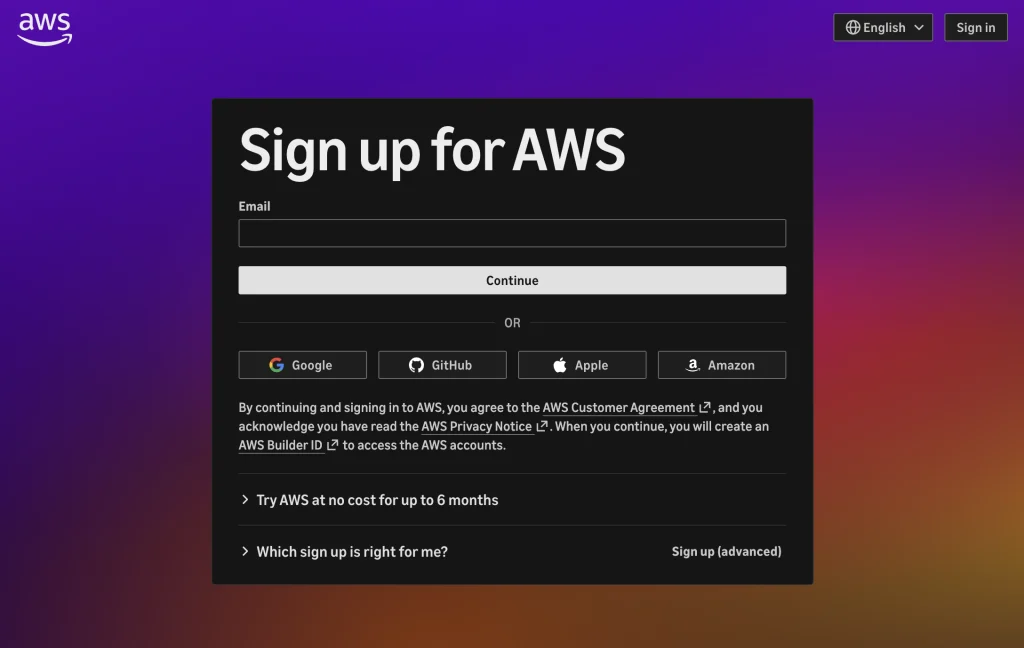
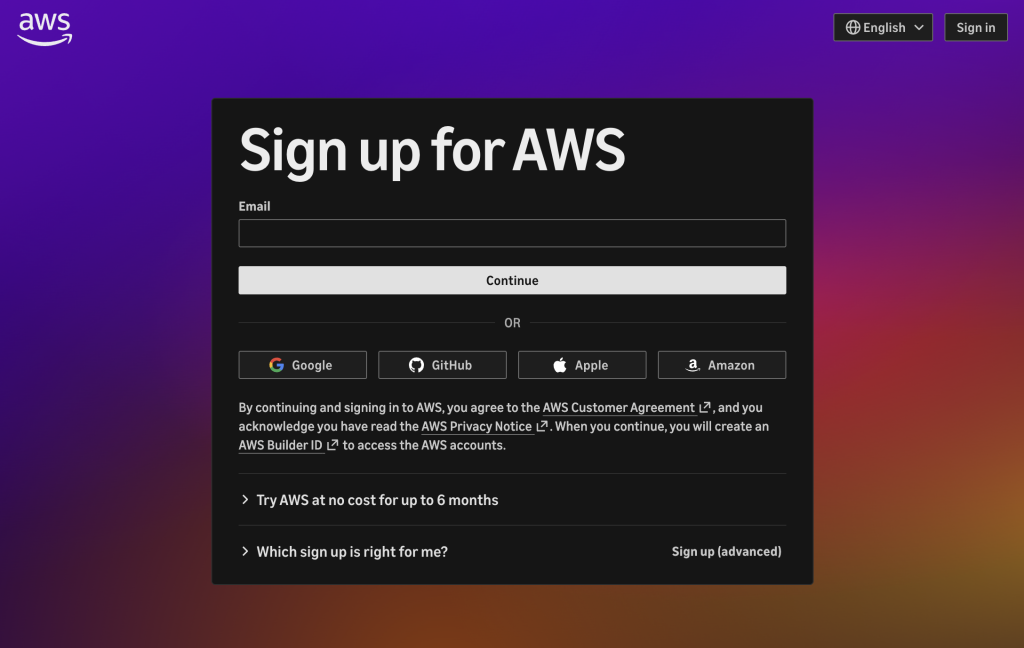
Frictionless Authentication: New users can sign up using existing third-party identities, including Google, GitHub, and Apple, bypassing traditional account creation hurdles.
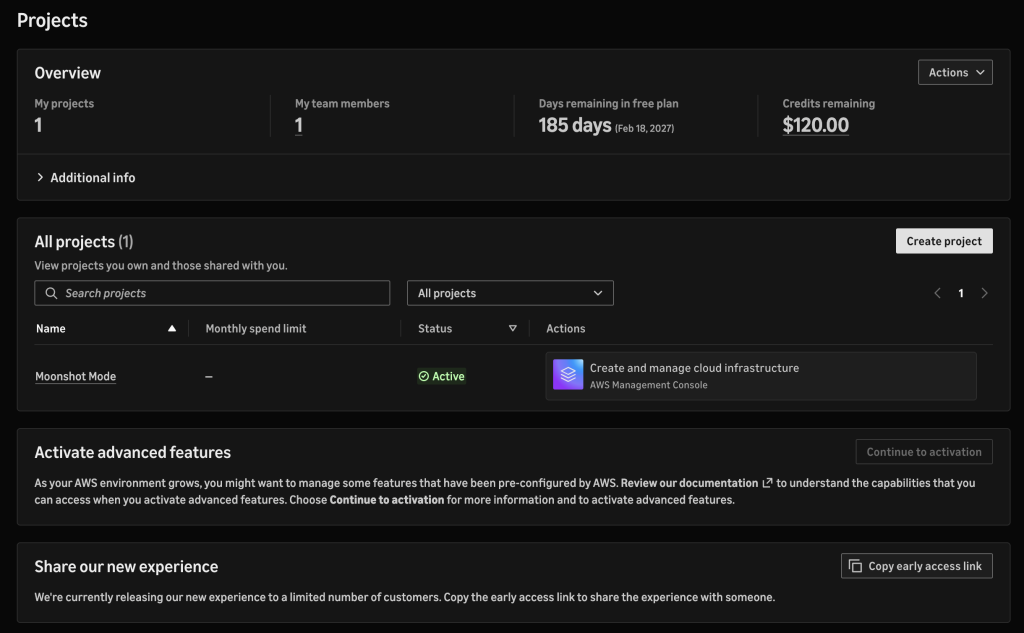
No Upfront Credit Card Required: Most new customers can begin building immediately without providing payment information, receiving $100 in free credits through the AWS Free Tier.
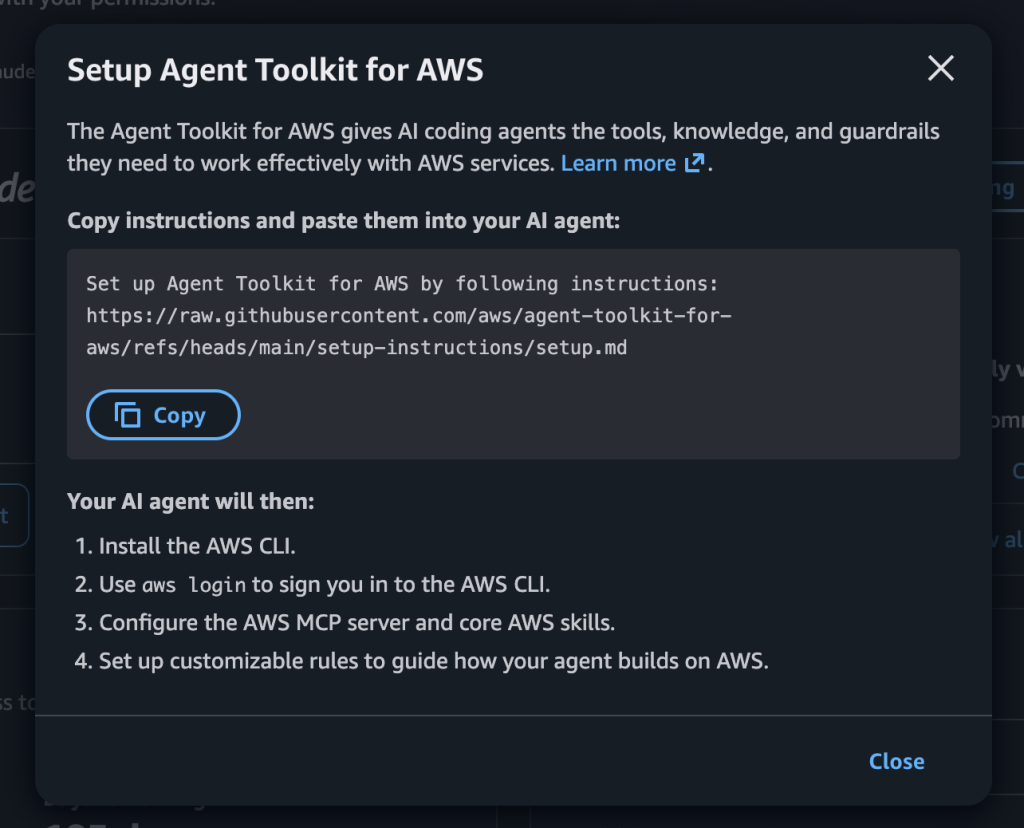
AI Coding Agent Integration: Upon logging in, users receive a tailored prompt that can be pasted directly into an AI coding agent (such as Claude), automatically configuring the AWS Command Line Interface (CLI) and the Agent Toolkit for AWS.
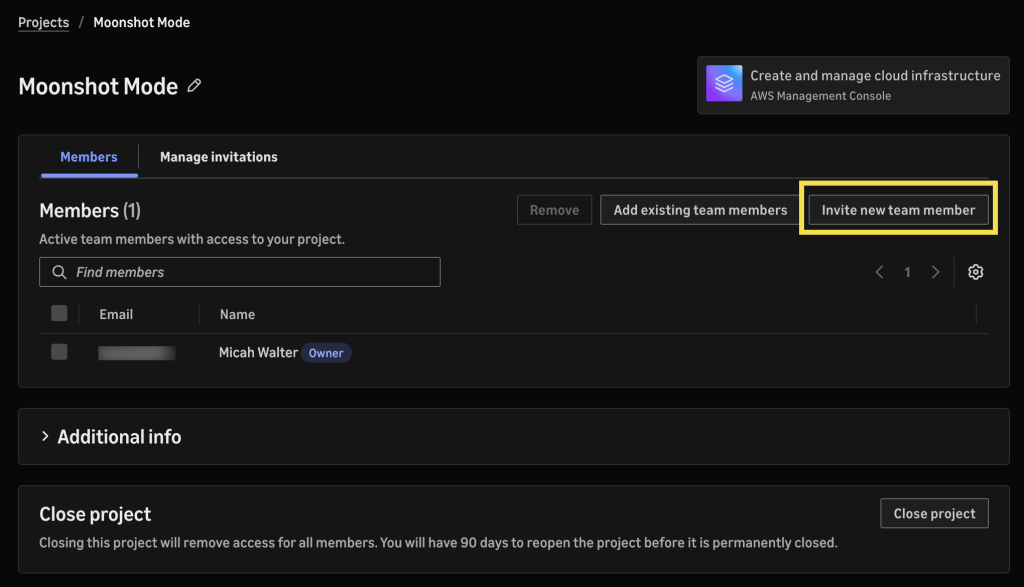
Automated Permission Management: Collaboration is simplified by allowing project leads to invite team members via email address alone. Resource permissions and cross-service IAM configurations are handled automatically behind the scenes.
Built-in Budget Safeguards: Projects utilize custom monthly spend limits (starting at $20). If a project reaches its financial ceiling, AWS pauses the workloads rather than letting unexpected costs accumulate, ensuring strict financial predictability.
Seamless Scalability: When projects outgrow the simplified framework, developers can activate advanced AWS features—such as multi-region deployment and AWS Organizations governance—without requiring a complex migration or experiencing downtime.
Chronology: The Evolution from Infrastructure Pioneers to AI-Speed Builders
To understand the significance of today’s announcement, industry analysts note the trajectory of AWS over the past two decades.
The Foundation Era (2006–2010s)
AWS pioneered cloud computing by launching foundational infrastructure primitives such as Amazon Simple Storage Service (Amazon S3), Amazon Elastic Compute Cloud (Amazon EC2), and Amazon Simple Queue Service (Amazon SQS). Designed to let anyone with an idea build scalable systems, these services laid the groundwork for the modern cloud economy.
The Enterprise Expansion Era (2010s–2024)
As global enterprises, financial institutions, and government agencies migrated mission-critical workloads to AWS, their demands drove the platform’s evolution. AWS responded by expanding globally through discrete Regions and adding immense breadth and depth in security, networking, governance, and cost controls. While necessary for enterprise compliance and global scale, this accumulation of configuration options inadvertently created a steep learning curve for individual developers and rapid-fire prototypers.
The AI-Velocity Era (Present)
Recognizing that modern developers increasingly rely on generative AI assistants and coding agents to ship products in hours rather than months, AWS has pivoted back to its roots. The newly announced experience effectively separates the initial prototyping phase from enterprise-grade configuration, ensuring that developers are no longer slowed down by administrative setup.
Supporting Data: Friction-Free Prototyping in Action
To demonstrate the efficacy of the new workflow, AWS engineering teams walked through a live implementation of an application built entirely via a coding agent.
Sign-Up and Authentication: A developer visits the AWS portal, selects "Create account," and authenticates using a Google credential. Within seconds, a new project environment is instantiated.
Agent Configuration: The dashboard presents a setup prompt. Copying and pasting this prompt into a coding agent automatically installs the AWS CLI and Agent Toolkit for AWS, logs the user in, and generates a local configuration guidance file (CLAUDE.md).
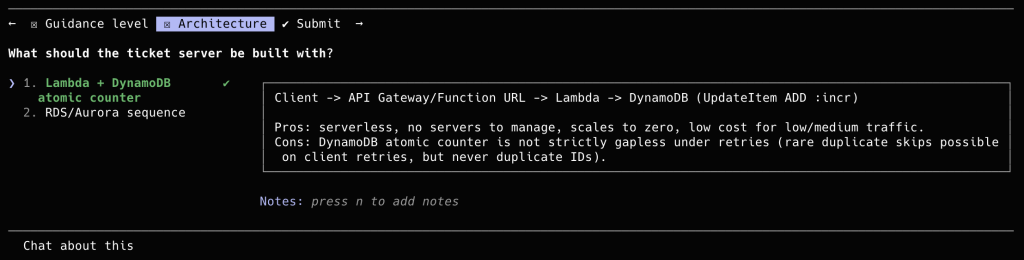
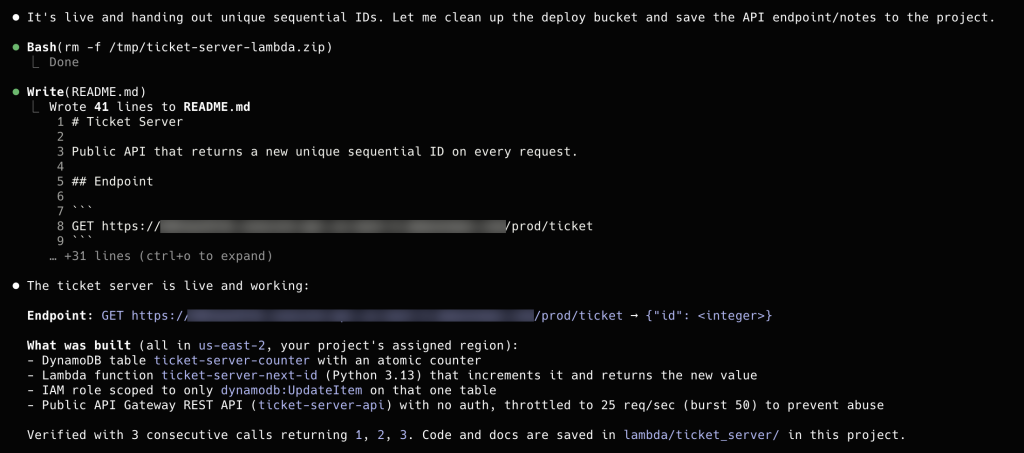
Execution: Giving the agent a high-level natural language prompt—such as "Build an API that returns a new unique sequential ID on every request"—causes the agent to autonomously architect the solution.
Deployment: Without manual human intervention in the console, the agent provisions an AWS Lambda function, an Amazon DynamoDB table, and an Amazon API Gateway endpoint. It deploys the infrastructure, establishes all requisite resource permissions automatically, and exposes a live public endpoint.
Bonus Incentives: Upon successful deployment of the Lambda function, the developer’s account receives an additional $20 in promotional credits, supplementing the initial $100 allocation.
Furthermore, the platform’s billing mechanics introduce a predictable safety net. For a project assigned a $50 monthly spend limit that ultimately incurs $32 in usage charges, the user is billed strictly for the $32 consumed. If costs trend toward the ceiling, proactive notifications are dispatched, and should the limit be reached, AWS pauses the project to prevent budget overruns.
Official Responses and Strategic Intent
AWS leadership emphasizes that the update is a direct response to developer feedback regarding onboarding fatigue.
"We’ve heard from builders that they do not want to spend their first hours configuring an AWS environment," noted an AWS product spokesperson during the release briefing. "They want to build what they came to build, and we listened. AWS began as a place where anyone with an idea could start building, and this new simplified experience brings that starting point back, with sensible defaults so you can begin immediately."
Executives stress that this launch does not compromise the underlying power of the cloud. Instead of forcing developers to choose between simple developer-centric platforms and full-scale enterprise clouds, AWS has engineered a dual-stage architecture. Beginners can operate within a simplified sandbox environment, yet retain a direct, one-click bridge to the platform’s complete global footprint when their application scales.
Broader Implications for the Cloud and AI Ecosystem
The release of this simplified, agent-ready AWS experience carries profound implications for the competitive landscape of cloud computing and software development:
1. Democratization of Cloud Architecture
By abstracting away the complexities of IAM policies, VPC peering, and manual resource provisioning, AWS is lowering the barrier to entry for non-infrastructure specialists. Product managers, data scientists, and frontend developers can now leverage backend cloud primitives safely without needing formal cloud certifications.
2. Deepening Integration with AI Coding Workflows
The direct integration of automated setup scripts for coding agents signals a shift in how cloud providers view developer tooling. Rather than viewing AI assistants as external utilities, AWS is baking them directly into the provisioning pipeline. This positions AWS infrastructure as a native execution layer for autonomous AI agents capable of writing, testing, and deploying complete software systems.
3. Redefining the Freemium Model in Enterprise Tech
By pairing $100 in trial credits with rigorous spend-limit safeguards and no-credit-card onboarding, AWS is aggressively targeting the grassroots developer community. This strategy counters the perception of hyperscale clouds as overly bureaucratic, ensuring that indie hackers and early-stage startups choose AWS over specialized, lightweight hosting alternatives.
4. A Path to Seamless Enterprise Migration
One of the historical risks of developer-friendly cloud tiers has been the eventual need to migrate projects to enterprise accounts as they grow—a process often fraught with technical debt and downtime. By designing the new experience as an abstraction layer over standard AWS Organizations, AWS ensures that projects can "graduate" to full enterprise capabilities simply by toggling advanced features on, preserving all underlying infrastructure configurations.
Outlook and Rollout
AWS confirmed that the new onboarding and project management experience is currently rolling out in phases to new customers. As the rollout expands, AWS is actively soliciting developer feedback to refine the agent toolkits and budget controls.

 By Nana Wu


 Sagoh
 Siti Muinah
 Reynand Wu
