
 By Jia Lissa
For many digital creators, solopreneurs, and boutique retailers, Sellfy has long served as the “Goldilocks” solution—offering a quick, no-nonsense path to selling digital products, subscriptions, and basic merchandise. However, as the digital economy evolves in 2026, the needs of online businesses are shifting toward greater scalability, deeper customization, and more sophisticated marketing integration. If you find your current storefront feeling more like a cage than a launchpad, it may be time to consider a migration.
In this comprehensive analysis, we explore the top Sellfy alternatives, providing a deep dive into functionality, cost-effectiveness, and the strategic implications of choosing the right platform for your brand’s future.
1. Shopify: The Gold Standard for Scaling
Best for: Businesses with long-term growth ambitions.

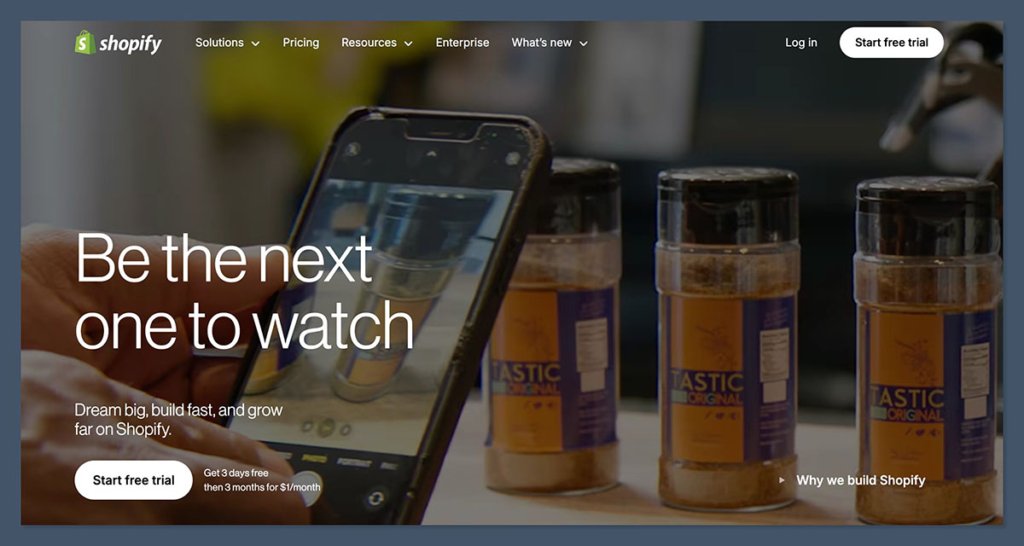
Shopify has solidified its position as the premier ecommerce ecosystem. It is no longer just a store builder; it is a full-stack business operating system.
The Core Facts
With plans starting at $5/month (Starter) and $39/month (Basic), Shopify offers a tier for every stage of development. In 2026, its standout feature is Shopify Sidekick, an AI-powered assistant that automates everything from site layout design to complex discount rule creation and inventory management.
Strategic Implications
The transition to Shopify is a commitment to professionalization. Unlike simpler tools, Shopify handles international tax compliance, high-volume shipping logistics, and abandoned cart recovery natively.
- Pros: Unmatched app ecosystem, robust security, enterprise-grade scalability, and advanced AI automation.
- Cons: Can become expensive with multiple third-party apps; the learning curve is steeper than basic site builders.
2. Wix: Aesthetic Freedom for Creative Brands
Best for: Designers and businesses prioritizing visual impact.
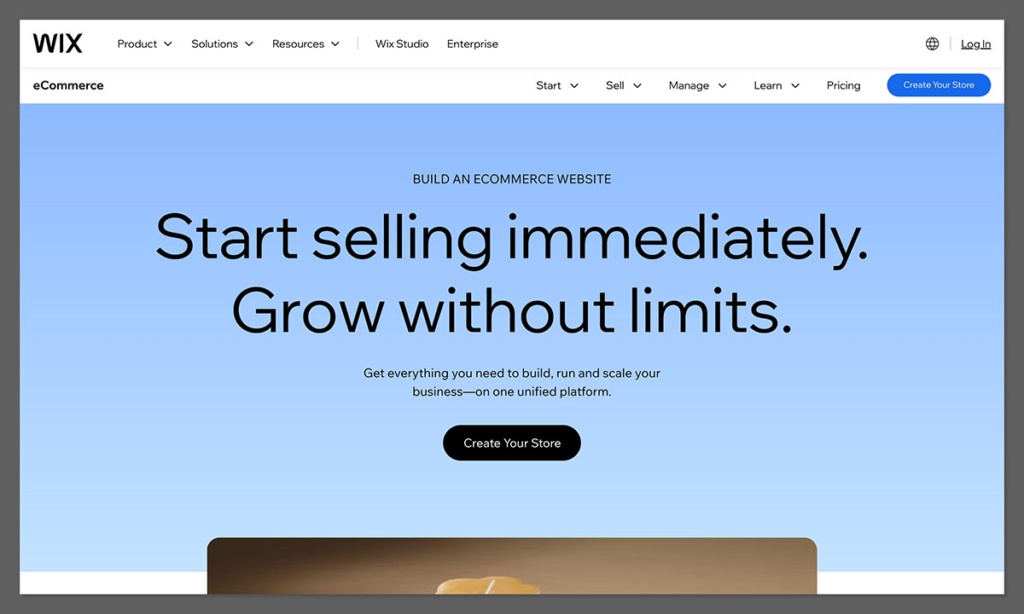
Wix has transcended its reputation as a simple drag-and-drop tool to become a formidable ecommerce contender.
The Core Facts
Starting at $29/month, Wix provides a sophisticated visual editor that allows for pixel-perfect design control. Its 2026 suite includes Astro AI, which generates entire site structures and product copy in seconds.
Why It Matters
For creators whose products are visual—such as photography, high-end stationery, or fashion—the ability to design without code is invaluable. Wix bridges the gap between a high-end portfolio site and a fully functional retail storefront.
- Pros: Intuitive drag-and-drop, extensive design templates, and strong marketing automation.
- Cons: Less suitable for massive product catalogs (1,000+ SKUs) where speed and database management are critical.
3. Squarespace: The Minimalist’s Powerhouse
Best for: Portfolio-driven stores and premium branding.
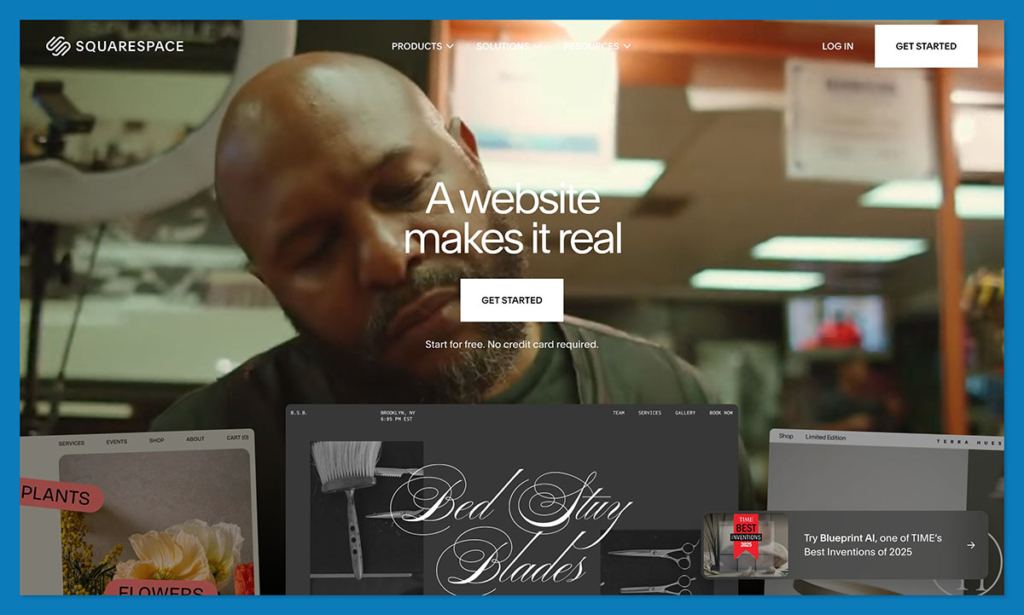
Squarespace remains the preferred platform for those who view their website as a digital gallery.
The Core Facts
Pricing begins at $16/month (billed annually). Recent updates, including Squarespace Blueprint, allow for the rapid deployment of brand-aligned stores that require minimal maintenance.
Strategic Implications
Squarespace is the antithesis of the "cluttered" ecommerce experience. It is designed to handle digital downloads, subscriptions, and physical merch within a clean, high-end interface. It is the best choice for brands that want to sell products without compromising on visual sophistication.
- Pros: Stunning, award-winning templates; excellent for digital media and service-based businesses.
- Cons: Limited third-party integration compared to Shopify; checkout customization is relatively locked down.
4. WooCommerce: The SEO and Control Specialist
Best for: WordPress users who demand total autonomy.
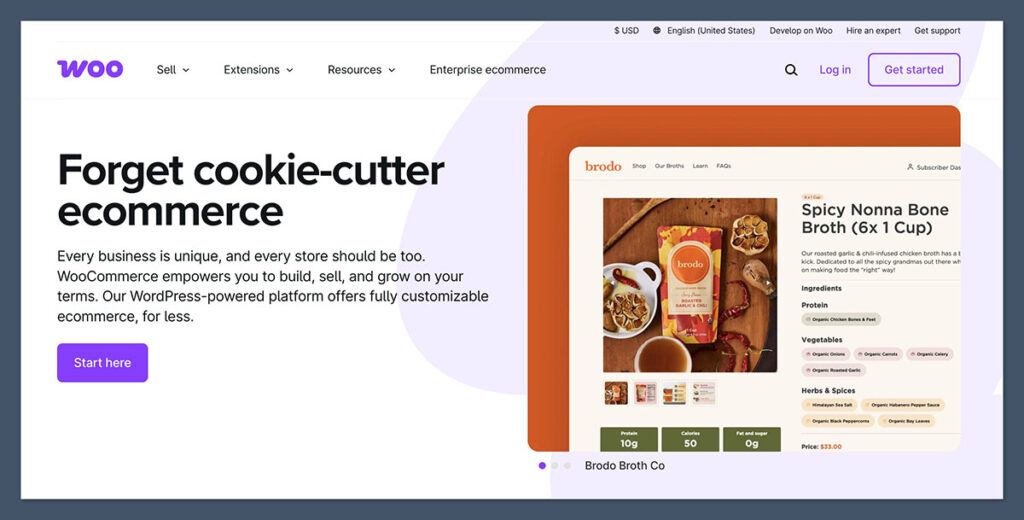
WooCommerce is not a standalone platform but a plugin, and that distinction is its greatest strength.
The Core Facts
While the plugin is free, hosting costs generally start around $20/month. Because it runs on WordPress, you own your data, your code, and your site’s destiny.
Why Use It?
If your business strategy relies on long-form content marketing and aggressive SEO, WooCommerce is the superior choice. You have full control over your site structure, allowing for optimizations that hosted platforms simply do not permit.
- Pros: Total control, massive plugin library, superior SEO potential.
- Cons: Requires technical maintenance (updates, security patches, hosting management).
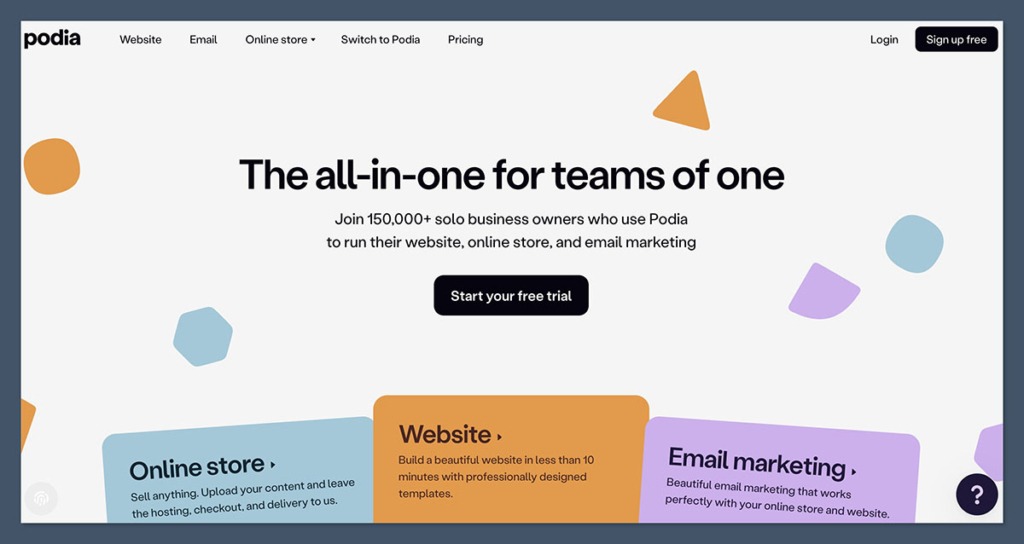
5. Podia: The Creator’s All-in-One Hub
Best for: Coaches, course creators, and digital product sellers.
Podia eliminates the "tech stack headache" by bundling everything a creator needs into one subscription.
The Core Facts
Pricing ranges from $39/month to $89/month. Podia is specifically designed for selling knowledge products, including video courses, webinars, and digital downloads.
Strategic Implications
By centralizing email marketing, course hosting, and storefronts, Podia allows creators to focus on community building rather than managing integrations. It is a seamless transition for anyone moving away from Sellfy to pursue a creator-led business model.
- Pros: No transaction fees on higher tiers, excellent for community engagement, simple course management.
- Cons: Design options are somewhat uniform; not built for physical inventory.
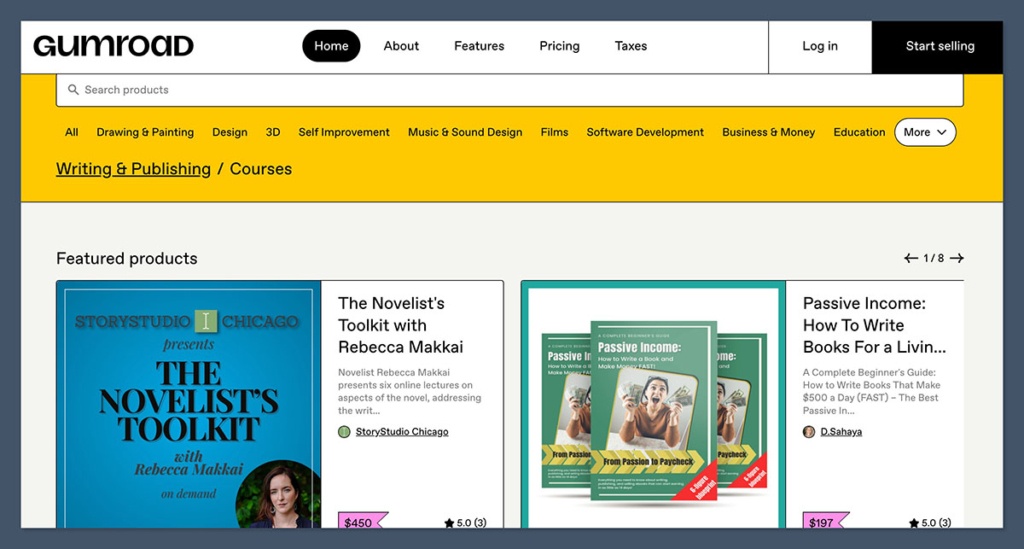
6. Gumroad: The "Fast-Launch" Specialist
Best for: Minimalists and rapid product testing.
Gumroad is a transactional powerhouse that eschews monthly fees in favor of a 10% transaction model.
The Core Facts
There is no upfront cost, making it the most accessible starting point for new creators.
Why Choose It?
Gumroad is designed for speed. If you have a file and an audience, you can be selling in minutes. It is less a "website" and more a "payment gateway with a landing page."
- Pros: Zero barrier to entry, simple checkout, powerful affiliate tools.
- Cons: The 10% fee becomes prohibitive as your revenue grows; limited branding capabilities.
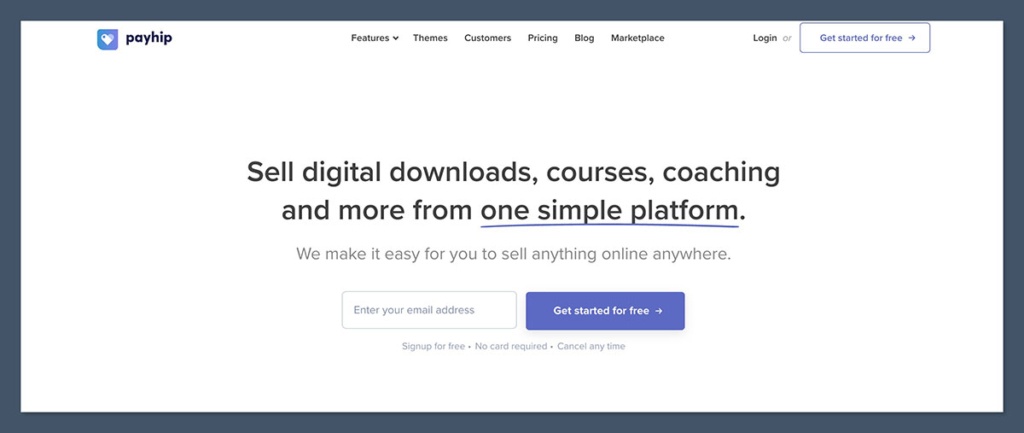
7. Payhip: Transparent Value for Small Teams
Best for: Creators looking for a balance between cost and function.
Payhip is the quiet achiever of the digital product space, known for its honesty and ease of use.
The Core Facts
With a free plan and paid tiers reaching $99/month, Payhip offers a scalable model where you can reduce your transaction fees as your business grows.
Strategic Implications
Payhip handles the "boring" parts of business—VAT, EU tax compliance, and file delivery—exceptionally well. It is a pragmatic choice for creators who want to build a sustainable, long-term business without the "flash" of bigger platforms.

- Pros: Transparent pricing, excellent tax handling, easy setup.
- Cons: Design flexibility is limited compared to Shopify or Wix.
8. Ko-fi, Fourthwall, and Big Cartel: Niche Solutions
For creators with specific business models, these three platforms offer highly tailored experiences:
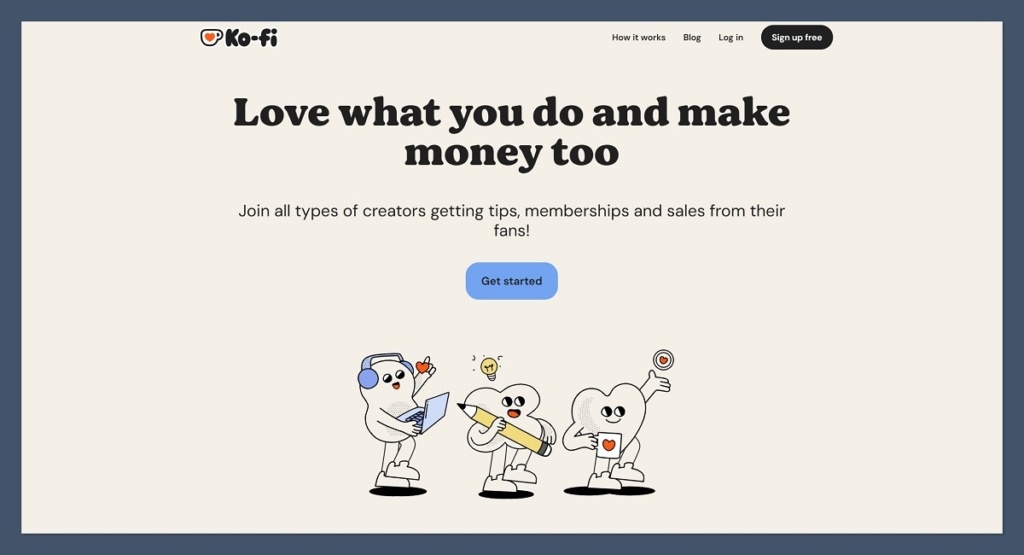
- Ko-fi ($0–$12/month): The ultimate choice for fan-supported creators. It is less about "sales" and more about "patronage." It’s perfect for artists and writers who want to sell small digital assets while maintaining a donation-friendly environment.
- Fourthwall ($0–$19/month): If your business is merch-heavy, Fourthwall is the king of fulfillment. It bridges the gap between content creation and physical commerce, integrating directly with platforms like YouTube and Twitch.
- Big Cartel ($0–$30/month): The artist’s choice. It is purposefully small, limiting the catalog to keep the focus on the maker’s craft. It’s ideal for boutique brands that don’t want to look like a "corporate store."
Final Thoughts: Navigating the Migration
The shift away from Sellfy should be viewed as a strategic pivot. If you are struggling with scalability, Shopify or WooCommerce are your logical destinations. If you are fighting against design limitations, look toward Wix or Squarespace. For those focusing purely on content and creator monetization, Podia or Fourthwall offer the most streamlined path to revenue.
Summary Table: Comparative Analysis
| Platform | Best For | Key Advantage |
|---|---|---|
| Shopify | High-growth brands | Ecosystem & AI |
| Wix | Visual creators | Design flexibility |
| Squarespace | Portfolios | Aesthetic polish |
| WooCommerce | SEO-focused | Total control |
| Podia | Course creators | All-in-one simplicity |
| Gumroad | Rapid launches | No-friction setup |
| Payhip | Budget-conscious | Transparent fees |
The Bottom Line: Your platform is a tool, not a lifestyle. Choose the one that removes the most friction from your daily workflow while providing the room necessary for your brand to double or triple in size. In 2026, the cost of switching is far lower than the cost of remaining limited by a tool that no longer serves your vision.
 Dwi Wanna
  Lina Irawan
  Basiran