
 By Pevita Pearce
For many creators, the journey to monetization begins with a simple "Buy Me a Coffee" button or a Ko-fi page. These platforms offer a low-friction entry point, allowing artists, writers, and makers to collect tips, sell modest digital downloads, and offer basic memberships without the headache of managing a full-blown ecommerce store. However, as your audience grows and your creative practice evolves into a legitimate business, you may find that the very simplicity that drew you to these platforms has become a bottleneck.
If you have hit a ceiling where your current toolset no longer supports your creative ambitions, you are not alone. In 2026, the creator economy has matured, offering a diverse array of specialized platforms designed to handle everything from physical merchandise logistics to complex course hosting. This guide examines the top-rated alternatives to Ko-fi, analyzing their capabilities, cost structures, and the specific business models they are built to serve.
The Evolution of Creator Monetization: Main Facts
The shift from "hobbyist" to "entrepreneur" requires a change in infrastructure. Ko-fi is excellent for transactional, low-pressure support, but it lacks the robust backend features—such as deep analytics, automated tax compliance for physical goods, or complex course management—that sustain a full-time creator career.
When you outgrow a "tip jar" model, you need to transition to a platform that acts as a business partner. Whether you are looking to sell high-end merchandise, gated video content, or subscription-based newsletters, the current market offers a platform tailored to your specific niche.
Quick Comparison Table: Selecting Your Next Platform
| Platform | Best For | Starting Price | Platform Fee | Standout Feature |
|---|---|---|---|---|
| Patreon | Membership content | Free | 10% | Built-in community tools |
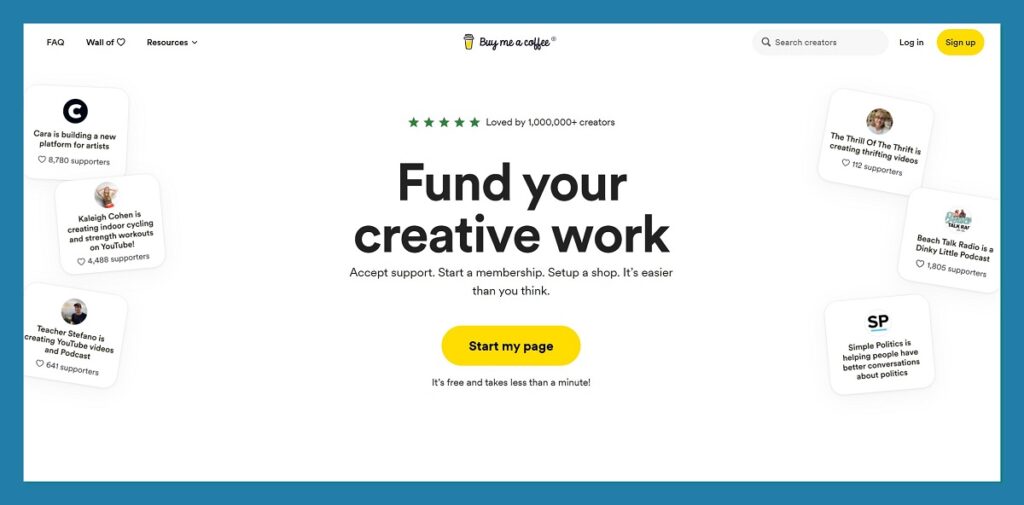
| Buy Me a Coffee | Simple donations | Free | 5% | One-time tips and memberships |
| Fourthwall | Merch & Digital | Free | 5% (digital) | Built-in merch fulfillment |
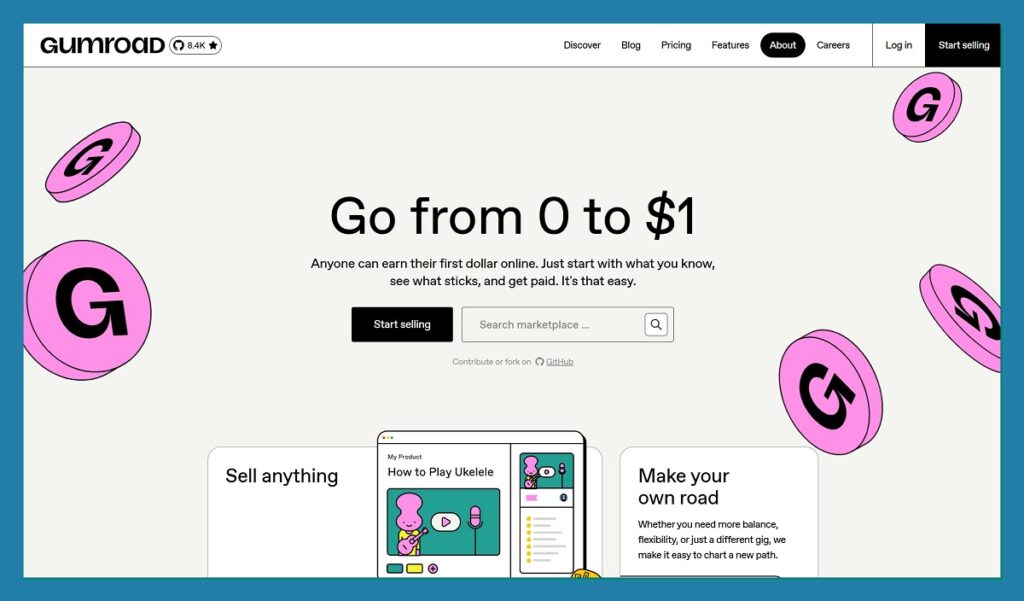
| Gumroad | Digital products | Free | 10% + $0.50 | Instant checkout |
| Payhip | Scalable storefronts | Free | 5% (on Free) | Flexible pricing |
| Substack | Newsletters/Writing | Free | 10% | Integrated email delivery |
| Memberful | Private site integration | Custom | 4.9% | Deep site integration |
| Podia | All-in-one/Courses | $33/mo | 5% | Course & Email combo |
| Liberapay | Recurring donations | Free | None | Zero platform fees |
1. Fourthwall: The Gold Standard for Merchandise
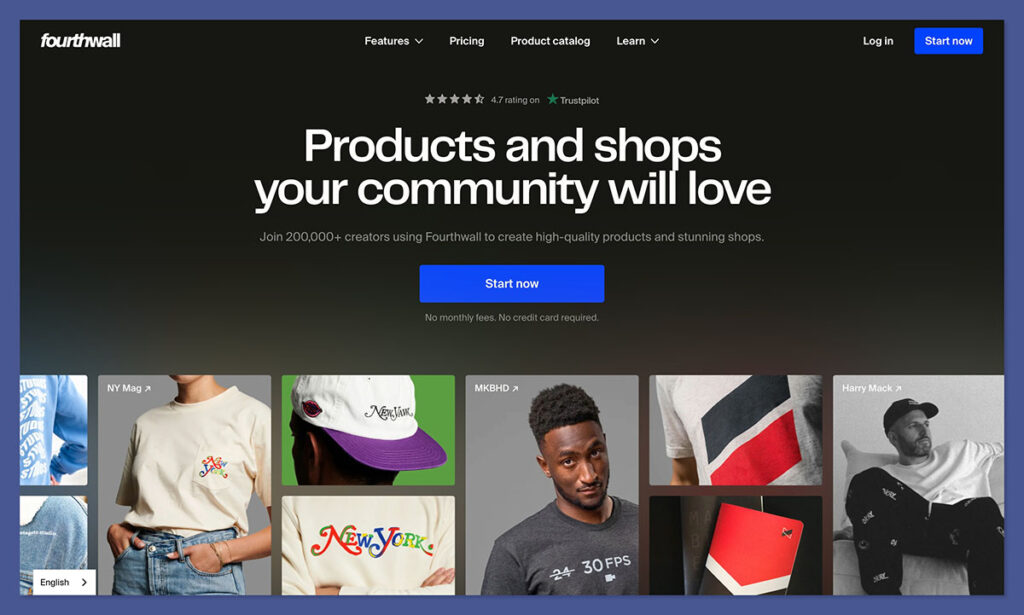
For creators whose brand relies on physical presence—think hoodies, posters, or custom accessories—Fourthwall has emerged as the premier alternative. Unlike most creator platforms, Fourthwall was built with supply chain logistics in mind.
Chronology and Functionality:
Fourthwall integrates seamlessly with platforms like YouTube and TikTok. It manages the entire lifecycle of a product: from the design stage to high-quality print-on-demand fulfillment. During recent testing, the ease of uploading designs and setting up a professional, branded storefront was unmatched.
Implications:
By choosing Fourthwall, you offload the inventory risk. You no longer need a garage full of unsold t-shirts. The platform handles the manufacturing and shipping, allowing you to focus on content. It is the ideal choice for creators who want to build a "lifestyle brand" rather than just a donation-based fan page.
2. Patreon: The Titan of Community Building
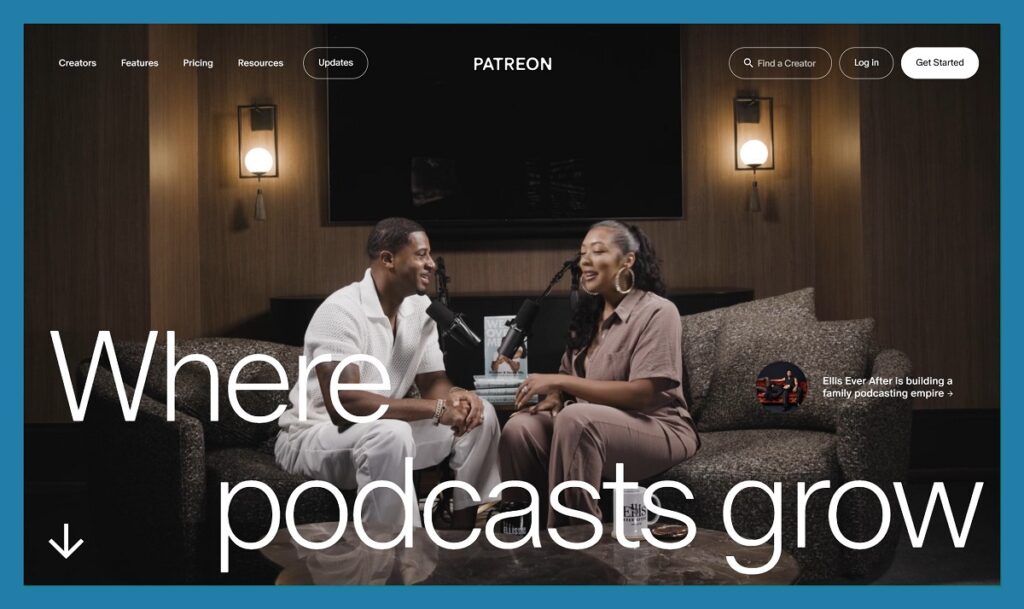
Patreon remains the industry leader for a reason. While other platforms prioritize product sales, Patreon prioritizes the relationship between creator and patron.
Supporting Data:
Patreon’s "Membership" model is built on tiers. By offering exclusive, gated content—such as behind-the-scenes video or early access—creators can build a recurring, predictable monthly income. Despite recent tensions regarding Apple’s in-app purchase policies, Patreon remains the most "trusted" platform for fans.
Official Stance:
Patreon has doubled down on community tools, including integrated video hosting and direct messaging, essentially providing a private social network for your most loyal supporters. If your business model relies on "community-led growth," Patreon’s infrastructure is currently the most sophisticated in the space.
3. Gumroad: Speed and Efficiency
Gumroad is designed for the minimalist creator. If your primary goal is to sell an ebook, a software plugin, or a design template, Gumroad removes all the friction.
Key Features:
The platform’s checkout process is legendary for its simplicity. A customer can click a link, enter their payment details, and receive the digital file in under 30 seconds. There is no bloat, no unnecessary social features, and no requirement to "build a community."
Implications:
Gumroad is a transactional powerhouse. However, it lacks the depth of community management found on Patreon or the aesthetic customization found on Payhip. It is best suited for creators who treat their work as a library of digital assets rather than an ongoing conversation.
4. Payhip: The Scalable Professional Choice
Payhip sits in the "Goldilocks" zone of creator platforms. It is more feature-rich than Gumroad but more flexible and less expensive than a full-scale website builder like Shopify.
Economic Analysis:
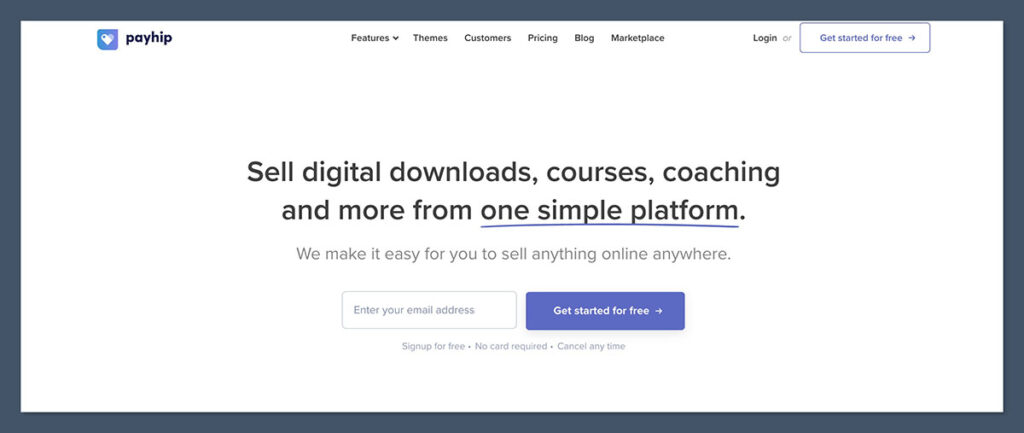
Payhip offers a unique advantage: the ability to choose your pricing model. You can start on a free plan with a 5% transaction fee or pay a monthly subscription to reduce that fee to zero. This allows you to scale your business without being punished by high platform fees as your revenue grows.
Use Cases:
Payhip supports digital, physical, and coaching products. It is the top recommendation for creators who have outgrown their initial "tip" phase and are ready to run a multi-faceted business with diverse revenue streams.
5. Podia: The All-in-One Educational Hub
If your creator business is centered around education—courses, workshops, or coaching—Podia is the superior choice.
Comprehensive Functionality:
Podia bundles email marketing, landing page creation, and course hosting into one dashboard. Most creators end up paying for a separate email provider (like ConvertKit) and a separate course platform (like Teachable). Podia eliminates the need for these expensive integrations by bringing them under one roof.
Implications:
By consolidating your tech stack, you significantly reduce the amount of time spent "managing the business" and increase the time spent "creating the content." While it has a monthly cost, the ROI for a serious educator is usually immediate.
6. Memberful: Ownership and Control
For creators who have already built a custom website on WordPress or another CMS, Memberful is the missing piece of the puzzle.
Strategic Ownership:
Unlike Patreon or Ko-fi, which force your audience to visit their domains, Memberful works behind the scenes on your own site. You maintain complete control over the design, the user experience, and, most importantly, the customer data.
Implications:
This is the "pro" route. It requires more technical setup and maintenance, but it prevents you from being "de-platformed" by a third-party service. For established creators, the increased autonomy is worth the initial configuration complexity.
7. Substack: The Writer’s Ecosystem
Substack has fundamentally changed the landscape of digital journalism and long-form writing.
Supporting Data:
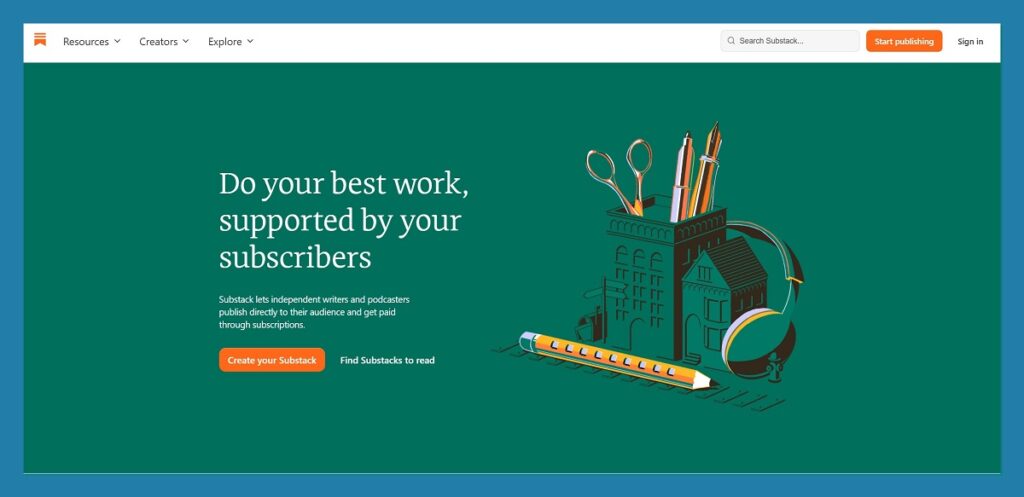
By combining a blogging platform with an email newsletter service and a payment gateway, Substack handles the hardest part of the writing business: audience acquisition. Their recommendation network—where writers can suggest each other’s newsletters—has proven to be an effective engine for growth.
Official Stance:
Substack prioritizes the "subscriber" model. While it is less customizable than a dedicated website, its ease of use for readers is unparalleled. It is the definitive choice for writers who want to be read, not just sell products.
8. Liberapay: The Ethical Alternative
For those who feel uncomfortable with the high fees of commercial platforms, Liberapay offers an open-source, non-profit solution.
Key Features:
Liberapay charges zero platform fees. It is funded entirely by donations to the platform itself. It is designed for developers, non-profits, and open-knowledge creators.
Implications:
Because it lacks the "marketing" and "storefront" features of its competitors, it is not for everyone. However, for creators who have a dedicated, mission-driven audience and want to keep 100% of the money sent to them (minus small payment processor costs), it is the most ethical choice on the market.
Final Thoughts: Designing Your Revenue Stack
The most successful creators in 2026 rarely rely on a single platform. A typical, high-earning creator might use:
- Substack for free content and audience acquisition.
- Patreon for recurring member-only perks.
- Payhip for selling high-value digital products and courses.
- Fourthwall for physical merchandise.
Strategic Recommendations
When deciding to leave Ko-fi, do not just look at the features; look at the intent of the platform. If you want a community, go to Patreon. If you want a store, go to Payhip. If you want to teach, go to Podia.
The barrier to entry for building a business has never been lower, but the barrier to scaling remains high. By migrating to a platform that aligns with your specific creative output, you transition from being a hobbyist waiting for a tip to a business owner building an empire. Start by auditing your current revenue: if 80% of your income comes from one source, prioritize the platform that maximizes that specific revenue stream. Your audience is ready to support you—ensure you have the right tool to let them do it efficiently.
 Dwi Wanna
  Lina Irawan
  Basiran