
 By Ali Ikhwan
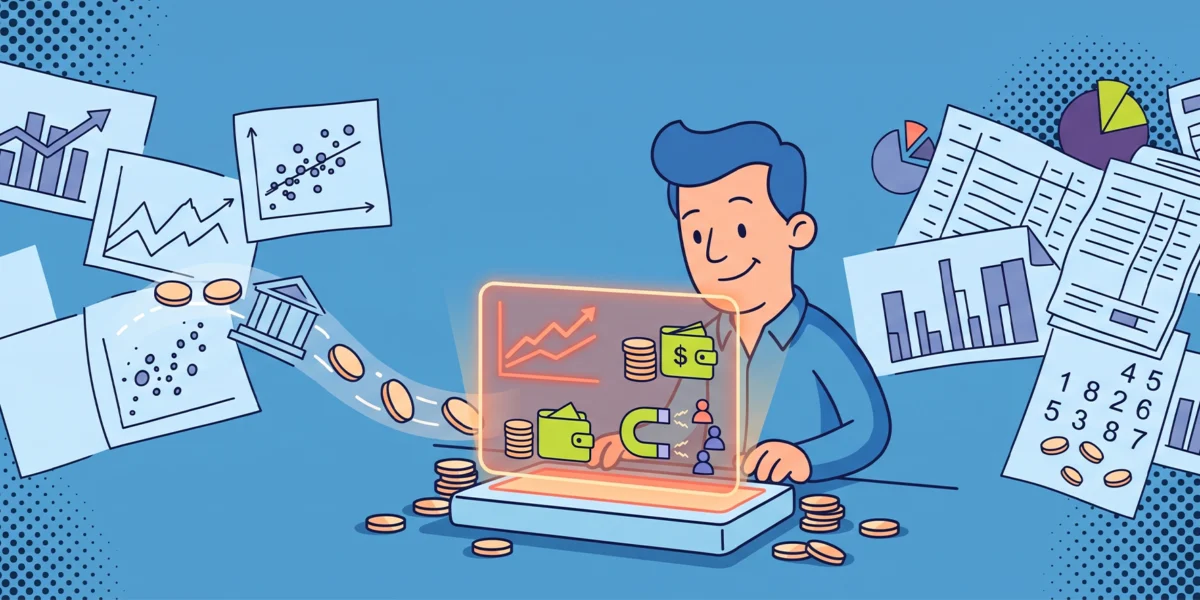
In the startup ecosystem, we often romanticize the “hustle.” We celebrate the viral marketing campaign, the sleek product launch, and the growing social media follower count. Founders can often recite their vanity metrics—likes, shares, and sign-ups—to the exact digit. Yet, when asked about their gross margins, their cash conversion cycles, or their customer acquisition payback periods, the room often falls silent.
This is not a failure of intelligence; it is a failure of perspective. For many entrepreneurs, "the numbers" have been unfairly relegated to the back-office, filed away under "accounting" or "things to pay someone else to handle." This detachment creates a dangerous gap between the business’s narrative and its reality.
To build a sustainable enterprise, founders must shift their mindset: financial literacy is not an administrative chore—it is the primary dashboard for navigating the unpredictable terrain of entrepreneurship.
The Illusion of Revenue: Why "Top-Line" is a Dangerous North Star
The most common trap for early-stage founders is the obsession with revenue. It is the number that looks best on a slide deck and feels best to announce at networking events. However, revenue is merely a measure of velocity, not a measure of health.
The Revenue Trap
Revenue tells you the amount of money that flowed through your door, but it is silent on the most critical questions: How much did it cost to earn that money? How much of it is actually staying in the bank? Is the business model inherently profitable, or are you simply subsidizing your growth with personal savings or venture capital?
History is littered with companies that posted record-breaking revenue months while quietly edging toward insolvency. This phenomenon occurs when founders conflate "selling" with "succeeding." If your cost of delivery is high, or your operational overhead is unchecked, increasing your revenue actually accelerates your path to bankruptcy.
Gross Margin: The Real Health Indicator
The metric that truly matters is gross margin—the percentage of revenue that remains after subtracting the direct costs of goods sold (COGS). Two companies can generate identical revenue, yet one may be building a war chest for expansion while the other is slowly bleeding out. If you aren’t obsessed with your margin, you aren’t running a business; you are merely moving money around.
The Silent Killer: Why Cash Flow Trumps Profitability
There is a pervasive myth among novice entrepreneurs that the only thing standing between them and failure is a lack of profitability. This is fundamentally incorrect. In reality, it is the absence of cash—not the absence of profit—that shutters businesses.
The Profitability Paradox
A company can be "on paper" profitable—showing a net gain on its income statement—and still fail to meet payroll. This happens because of the timing gap between cash outflows (paying for inventory, staff, and marketing) and cash inflows (collecting payments from clients).
If you are a B2B service provider waiting 60 days for an invoice payment while your rent is due on the 1st, your profit margin is irrelevant. You are cash-poor. This is particularly treacherous for rapidly growing businesses. Growth is expensive; it requires upfront investment in talent and infrastructure long before the customer revenue arrives. If a founder does not monitor their cash runway, the very growth they crave can become the instrument of their demise.
The Weekly Pulse
To manage this, founders must treat cash flow as a living, breathing metric. You should know exactly what is in the bank today, and exactly what is scheduled to leave before the next significant payment arrives. This is not about complex financial modeling; it is about basic survival.
Customer Economics: The Math of Sustainable Growth
Many founders are "flying blind" when it comes to their customer unit economics. They know what a customer pays, but they have no idea what it costs to acquire them, or how long it takes to recover that investment.
CAC and the Payback Window
Two numbers define the sustainability of your growth:
- Customer Acquisition Cost (CAC): The total cost of marketing and sales efforts required to win a single customer.
- Payback Period: The time it takes for a customer to pay back their acquisition cost through their recurring or one-time purchases.
If your payback period is too long, you are effectively acting as a bank for your customers, fronting your own capital to acquire them and waiting months or years to break even. This places immense strain on your cash flow. A healthy business strives for a short payback period, allowing the capital from one acquisition to be reinvested into the next, creating a self-sustaining cycle of growth.
Establishing the Financial Habit: The Five-Number Audit
You do not need to be a CFO to understand your business’s health. In fact, you only need to focus on five core metrics. If you commit to reviewing these once a week, you will transform your decision-making from instinctive guessing to data-driven strategy.
The Weekly Five
- Cash Position: Total liquid assets versus upcoming obligations.
- Revenue: The top-line pulse check of your weekly momentum.
- Gross Profit: The real dollars left after direct costs are covered.
- CAC (Cost to Acquire a Customer): Monitoring how much you are spending to win new business.
- Payback Period: Determining how efficiently your marketing dollars are turning into returns.
By dedicating time each week—ideally while reviewing a centralized dashboard provided by modern accounting software like Xero—you remove the element of surprise. You catch a slipping margin in the first week of the month rather than discovering it six months later during a frantic tax-season audit.
Implications of Data-Driven Leadership
When a founder understands their numbers, the entire culture of the organization shifts. Decisions become calmer and more deliberate. Instead of panicking over a slow month, the founder can look at their metrics and identify exactly where the friction is—perhaps it’s an increase in CAC or a dip in conversion rates—and address it with precision.
Removing the Emotional Burden
Financial clarity reduces the anxiety of entrepreneurship. When you know your numbers, you stop worrying about the "what-ifs" and start focusing on the "how-tos." You can confidently decide whether to hire a new team member, invest in a new product line, or double down on a marketing channel, because you aren’t guessing—you are calculating.
The Role of Technology
Tools like Xero are not just for accountants; they are for founders who want to reclaim their time. By pulling live data from bank feeds into a single, intuitive dashboard, these platforms turn the chore of reconciliation into a strategic exercise. When you stop fearing your financial statements, you start using them as a roadmap for scaling.
Final Thoughts: The Founder’s Duty
You will never out-market a business you do not understand. No amount of branding, PR, or "hustle" can compensate for a broken business model. The most successful founders share a common trait: they are students of their own numbers. They look at their financial statements and see the narrative of their business—the struggles, the victories, and the levers they can pull to accelerate growth.
If you are a founder, make this the year you take control. Stop treating your finances as a quarterly chore to be dreaded. Treat them as the most important feedback loop you have. Understand your cash, master your margins, and keep a watchful eye on your customer economics. Your business, your team, and your own peace of mind will thank you.
For founders looking to streamline this process, modern tools offer a lifeline. By consolidating income, expenses, and cash flow into one, live-synced dashboard, you move from guessing to knowing. Through partnerships with platforms like Xero, resources are now available to help you master these metrics without the high barrier to entry. For more information on simplifying your financial management, visit foundr.com/xero.
 Basiran
 Azzam Bilal Chamdy
 Asep Darmawan
