SAN FRANCISCO — For nearly two decades, the WordPress ecosystem has operated under a standardized, albeit restrictive, architectural paradigm. Millions of websites have been constructed "inside boxes"—bound by rigid container widths, constrained column structures, and a heavy reliance on a sprawling stack of third-party plugins just to achieve modern layouts.
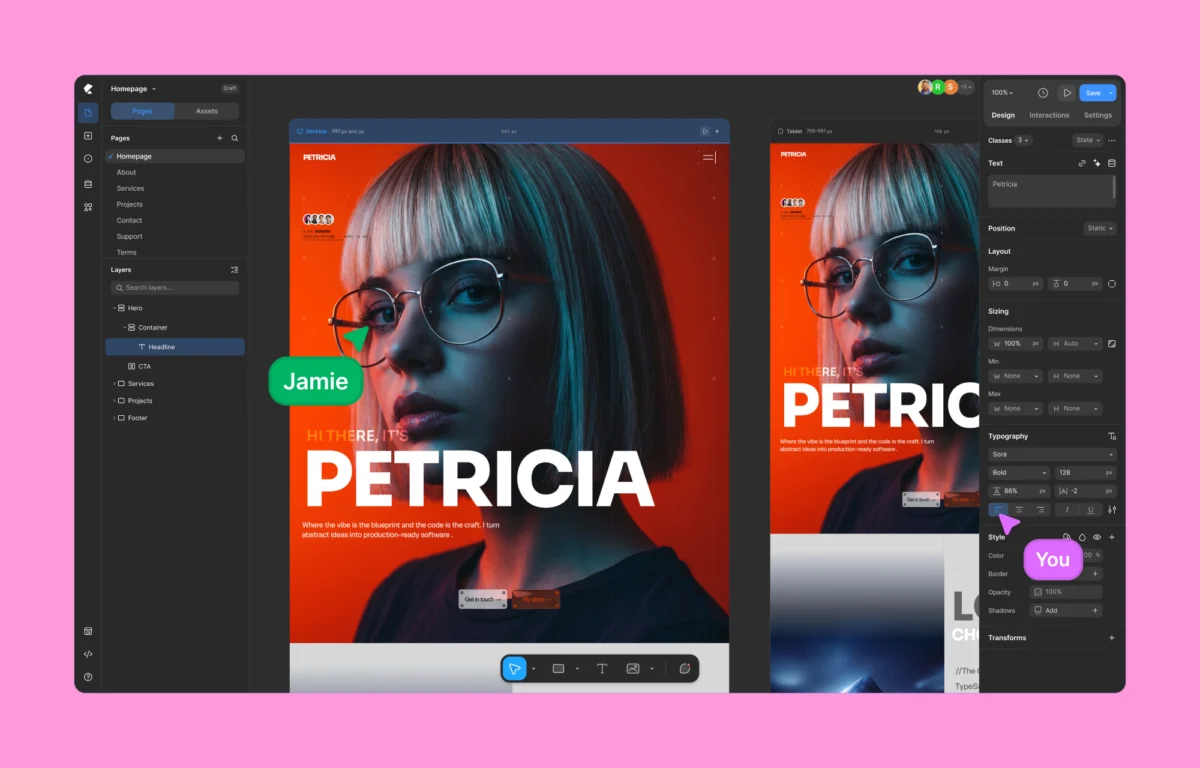
Today, the landscape of no-code WordPress development is undergoing a fundamental shift. Enter Kirki, heralded as the first freeform visual website builder featuring an infinite canvas. By offering deep integration, clean code output, and native tooling that eliminates third-party dependencies, Kirki is challenging legacy page builders like Elementor and bringing a Figma-like design experience directly to the WordPress content management system.
Main Facts: A New Paradigm for WordPress
The introduction of Kirki marks a departure from traditional WordPress site-building methodologies. Rather than relying on nested <div> wrappers and bulky asset loading, Kirki approaches web design through a fluid, browser-based visual workspace.
The Freeform Infinite Canvas: Users can pan freely, zoom in and out, and place elements anywhere on the screen without being confined to standard grid rows.
Zero Plugin Dependency: Unlike traditional ecosystems that require separate plugins for dynamic content, form building, and pop-ups, Kirki integrates these features natively.
Performance-First Architecture: Benchmarks show that Kirki’s clean Document Object Model (DOM) output drastically reduces server overhead, leading to superior Core Web Vitals scores.
Transparent Pricing: The platform offers a robust free version on WordPress.org, a Starter plan at $59/year for single sites, and a Lifetime unlimited license for $499.
Chronology: The Evolution of WordPress Page Builders
To understand the significance of Kirki’s arrival, it is essential to trace the timeline of visual web design within WordPress:
The Early Era (Pre-2015): WordPress relied heavily on static themes and shortcodes. Customizing layouts required direct intervention with PHP, HTML, and CSS.
The First-Generation Builders (2015–2020): Tools like Elementor, Divi, and Beaver Builder democratized web design by introducing drag-and-drop interfaces. However, these platforms frequently introduced code bloat and deep DOM nesting, which negatively impacted page loading speeds.
The Block Editor Era (2020–Present): WordPress introduced Gutenberg, attempting native block-based editing. While performant, it retained structural rigidities.
The Modern Canvas Integration (Current): Designers increasingly adopted external vector and layout tools like Figma and Webflow. Recognizing this gap, developers engineered Kirki to merge the infinite-canvas workflow of design software with the robust publishing backend of WordPress, culminating in its public release and ongoing adoption by modern agencies.
Supporting Data: Performance and Benchmarking
Performance directly dictates search engine optimization (SEO), user retention, and conversion rates. Independent testing pits Kirki directly against legacy giants like Elementor to quantify these differences.
Testing Parameters
To ensure fairness, both builders were installed on clean WordPress installations utilizing the default Twenty Twenty-Five theme. Identical layouts—featuring text blocks, media elements, and responsive imagery—were constructed under identical server configurations. Google Lighthouse audits were then executed to evaluate load times, execution speeds, and markup cleanliness.
The Findings
DOM Structure: Kirki generated a streamlined HTML output with minimal structural wrappers. Elementor produced significantly deeper element nesting and loaded additional third-party scripts even on elementary layouts.
Speed Metrics: Kirki consistently achieved higher First Contentful Paint (FCP) and Largest Contentful Paint (LCP) scores, reducing total page weight.
Core Web Vitals: Because Kirki avoids excessive JavaScript execution during the initial render phase, it passed Google’s strict Core Web Vitals thresholds with minimal optimization overhead.
Official Responses and Industry Reception
The web development community has responded to Kirki with a mixture of cautious optimism and enthusiastic endorsement. Freelancers and agency owners accustomed to juggling complex stacks of optimization plugins have praised the platform’s consolidation of tools.
Early adopters note that Kirki bridges a long-standing disconnect between UI/UX designers and WordPress implementers.
"For years, designers would build fluid, beautiful wireframes in Figma, only to watch them get distorted or forced into rigid grid systems upon porting to WordPress," notes a prominent digital agency lead. "Kirki eliminates that translation loss. What you design on the canvas is structurally what renders on the front end, minus the code bloat."
Furthermore, the integration of real-time multi-user co-editing—allowing multiple team members to view live cursor movements, leave pinned canvas comments, and co-author pages simultaneously—has positioned the tool favorably among collaborative remote agencies.
Implications for Designers, Developers, and Businesses
The widespread adoption of zero-dependency, freeform builders carries profound implications for the future web development ecosystem:
1. For Designers
Designers are no longer required to learn complex PHP or rely entirely on developers to realize intricate layouts. Features such as timeline-based animation editors, custom CSS variables, and native class-based styling allow for advanced visual interactions without code.
2. For Developers
Clean code output reduces the need for heavy caching plugins and minimization scripts. Developers can extend functionality using native JavaScript and custom CSS injection points without fighting against proprietary framework wrappers.
3. For Business Owners
By reducing reliance on third-party add-ons—which often introduce security vulnerabilities, compatibility issues upon updates, and recurring subscription costs—businesses experience lower maintenance overhead and enhanced site security.
Overall Verdict: The Future of WordPress
Kirki represents more than just another incremental update to the crowded WordPress plugin directory. By fundamentally rethinking how layouts are constructed, processed, and rendered, it answers long-standing criticisms regarding page builder bloat and design inflexibility.
While simpler, lightweight page builders may still appeal to absolute beginners seeking basic five-page sites, Kirki establishes a new benchmark for professionals demanding performance, aesthetic precision, and technical scalability. As the digital marketplace continues to prioritize speed and user experience, tools that discard the traditional "box" model are poised to lead the next generation of web development.

 By Asro


 Iffa Jayyana
 Azzam Bilal Chamdy
 Nila Kartika Wati
