
 By Nana Wu
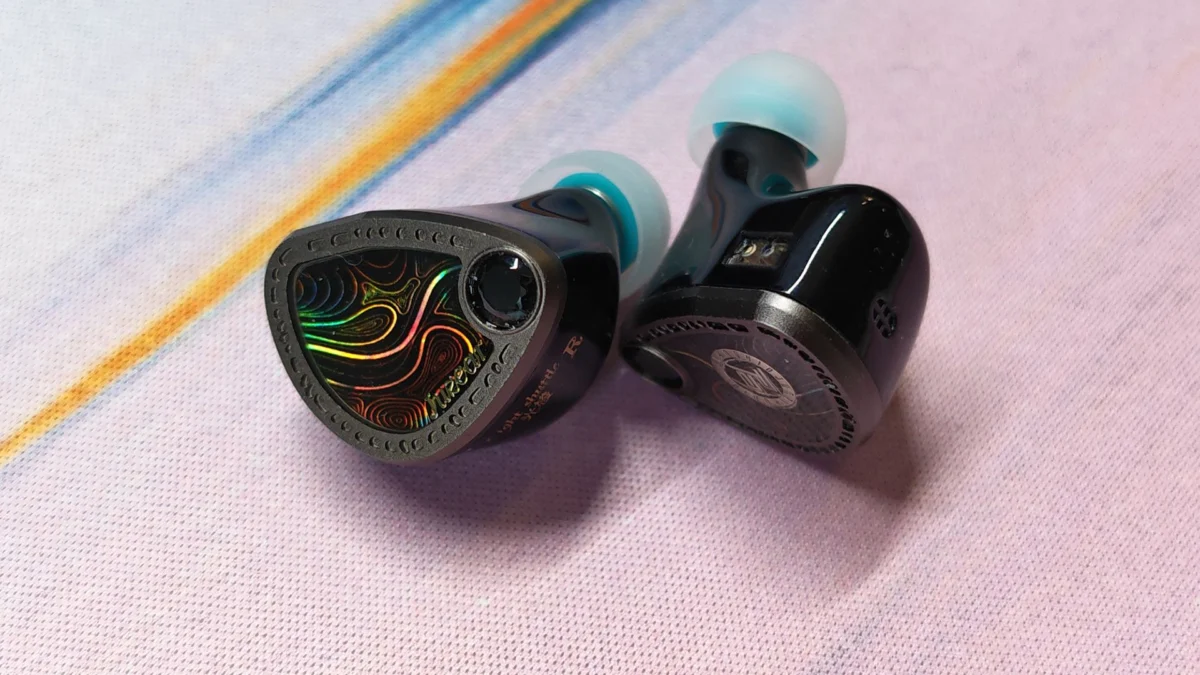
In the rapidly evolving world of personal audio, few segments have seen as much disruptive innovation as the In-Ear Monitor (IEM) market. Over the past twenty-four months, the barrier to entry for "audiophile-grade" sound has plummeted, with boutique manufacturers from East Asia consistently outperforming legacy brands that charge a premium for their namesake. Among these rising stars, Juzear has emerged as a particularly formidable force. Following a year of rigorous testing and critical acclaim, the company’s flagship offerings have cemented themselves as benchmarks for performance-per-dollar.
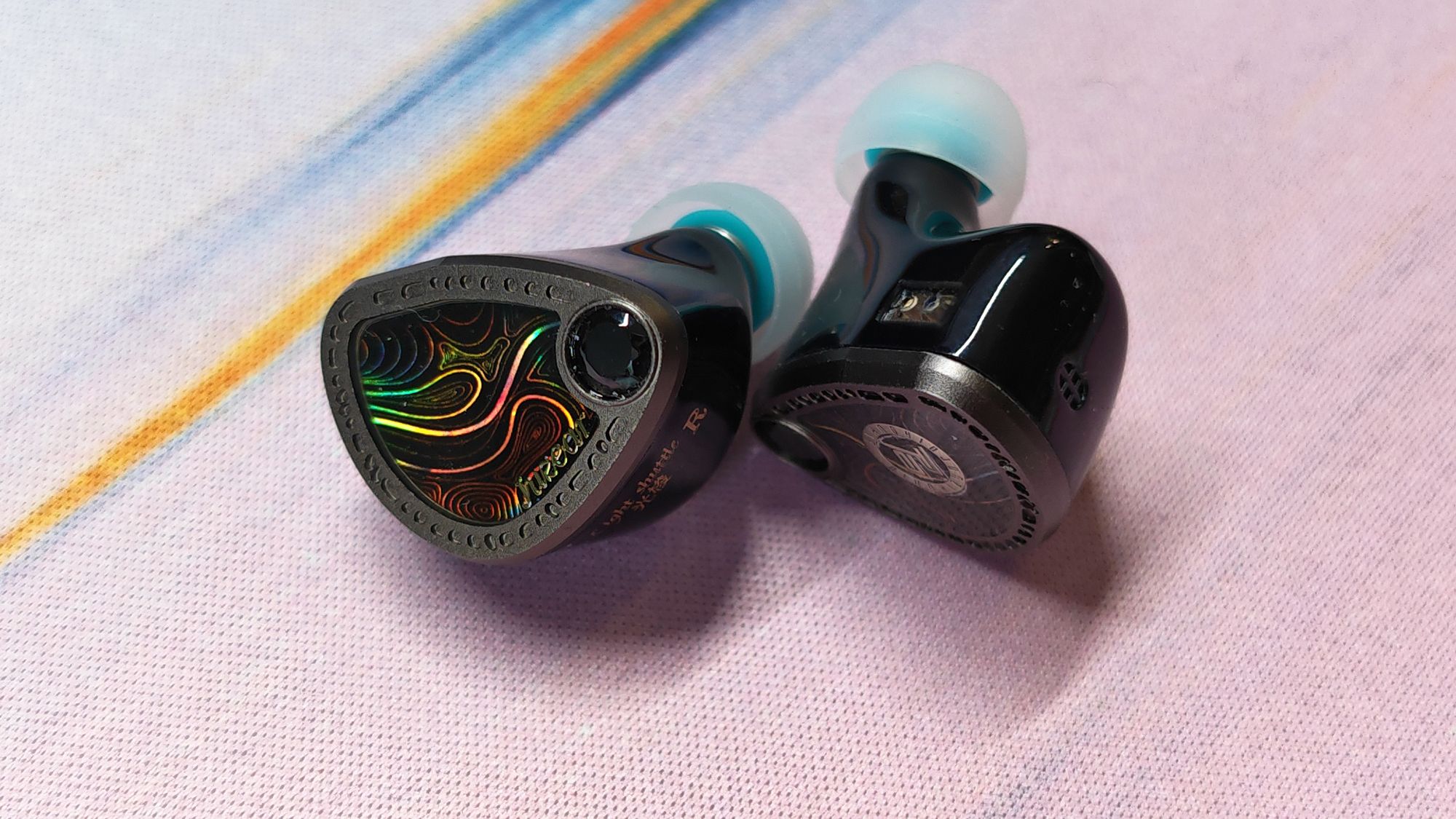
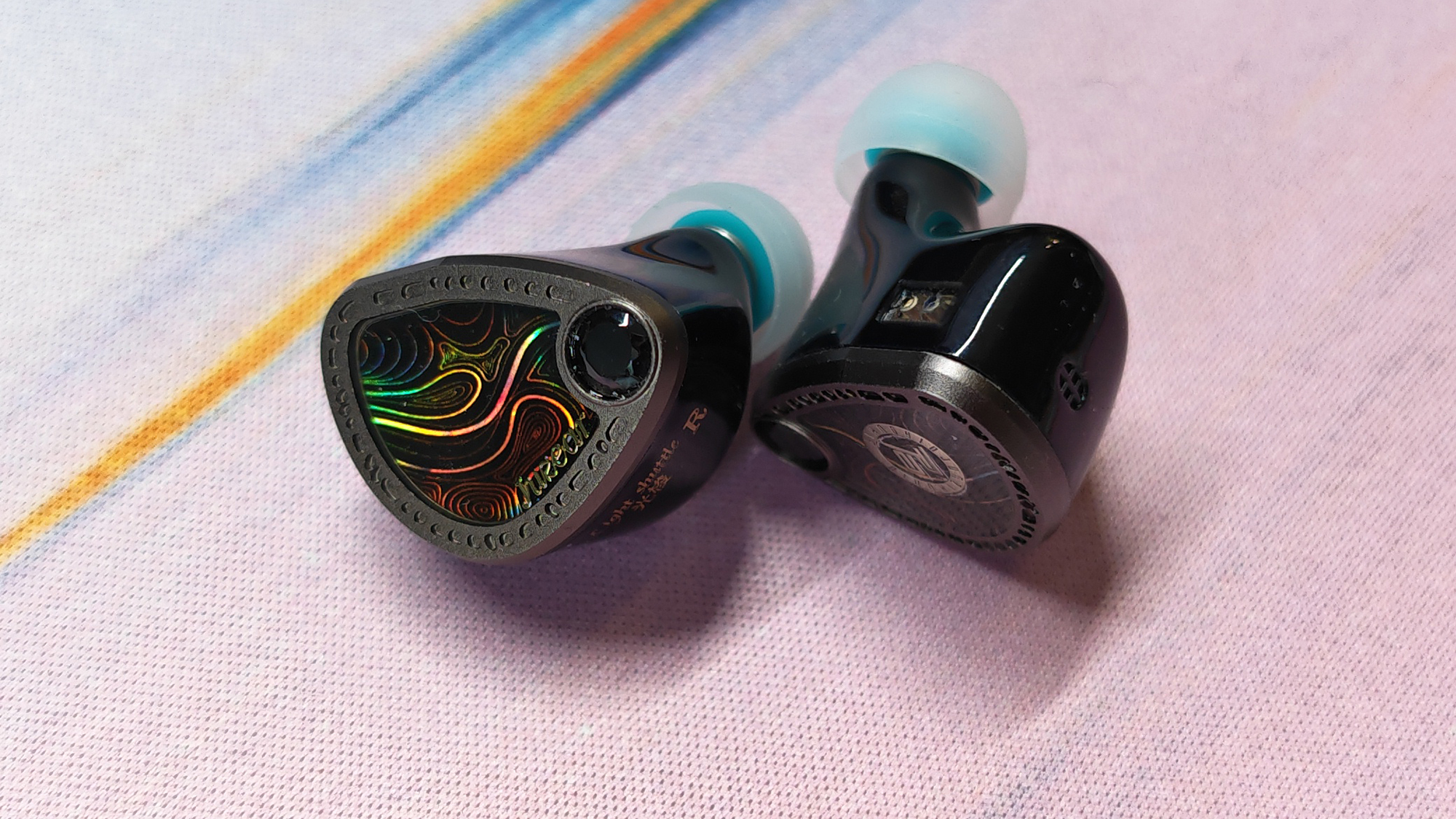
At the forefront of this movement is the Juzear Light Shuttle, an earphone that has not only earned a prestigious four-star rating in our recent testing but currently stands as a primary contender for the "IEM of the Year" title for 2026. For those waiting for the perfect moment to upgrade their listening experience, that moment has arrived: The Juzear Light Shuttle is currently marked down from $189.99 to just $151.99 at Amazon.
The Core Proposition: High Fidelity at a Mid-Range Price
The appeal of the Juzear Light Shuttle lies in its refusal to compromise on technical capability. While many manufacturers in the $150–$200 range prioritize "flashy" tuning—often overemphasizing either bass or treble to mask hardware deficiencies—Juzear has opted for a more sophisticated, balanced approach.
The "neutral with a bass boost" sound profile has become something of a holy grail in the audiophile community. It attempts to satisfy the purist’s desire for accurate midrange reproduction while acknowledging the modern listener’s preference for sub-bass impact. The Light Shuttle executes this with surgical precision. By creating a subtle dip between 150Hz and 300Hz, the engineers at Juzear have effectively decoupled the bass frequencies from the lower-midrange. The result is a soundstage that remains clean, expansive, and free of the muddy "bleed" that often plagues lesser-tuned dynamic driver sets.
Chronology of an Audiophile Disruptor
To understand why the Light Shuttle is such a significant release, one must look at the trajectory of Juzear as a brand.
Early 2025: The Entry
Juzear entered the global consciousness with a series of prototypes that focused on driver efficiency and material science. Their early units were praised for their build quality, utilizing resin-shell designs that rivaled custom-molded monitors costing three times as much.
Mid-2025: The Refinement Phase
Following initial feedback, the brand shifted its focus toward internal acoustic architecture. This period saw the development of the "Shuttle" series, which aimed to refine the resonance chambers within the shell to minimize phase distortion. During this phase, the brand compared its internal test results against industry standards, focusing on the Harman Target Curve while injecting a "fun" factor that the target curve often misses.
Late 2025: The Launch of the Light Shuttle
The official release of the Light Shuttle in late 2025 was met with immediate approval from enthusiast forums. Reviewers noted that the consistency of the frequency response across different sources—from high-end desktop DAC/Amps to standard smartphone dongles—was exceptional.
Early 2026: The Critical Consensus
By the first quarter of 2026, the Light Shuttle had transitioned from a "niche recommendation" to a "must-buy." Our own testing confirmed that its technical performance, particularly its resolution in the treble region, allowed it to punch well above its weight class, competing directly with monitors priced at $300 and beyond.
Technical Analysis: Breaking Down the Sound Profile
When evaluating high-end audio, data often tells a different story than subjective experience. However, with the Light Shuttle, the two align quite remarkably.
The Bass Performance
The bass in the Light Shuttle is not merely "loud"; it is authoritative. Utilizing a high-quality dynamic driver, the unit delivers a deep sub-bass shelf that creates a foundation for the music. Because of the aforementioned dip in the mid-bass, the kick drum and bass guitar retain their distinct texture rather than blurring into a singular, indistinct thrum.
The Midrange and Treble
The midrange is where many mid-tier IEMs fail, often sounding recessed or "veiled." The Light Shuttle, however, keeps the vocals upfront and present. This creates an intimate listening experience, particularly for acoustic and vocal-heavy genres. The treble is equally well-managed, providing a sense of "air" and detail that allows for the separation of complex instruments in an orchestral arrangement, all without the piercing sibilance that often characterizes cheaper armature drivers.
Comparison: The Juzear Defiant
It is worth noting that Juzear’s catalog is not monolithic. The "Defiant," another popular model in their lineup, offers a different flavor. Where the Light Shuttle is warm and inviting, the Defiant leans into a leaner, more analytical signature. It is a "crowdpleaser" for those who prioritize clinical clarity. However, it can occasionally feel thin in the lower registers, resulting in a timbre that some listeners may find slightly strained. While the Defiant remains a top-tier choice for its price bracket, the Light Shuttle remains the more versatile, "daily driver" choice for the average audiophile.
Implications for the Market
The current price reduction of the Light Shuttle to $151.99 on Amazon represents more than just a seasonal sale; it is a signal of the shifting economics of personal audio.
- The Obsolescence of Entry-Level High-End: For years, consumers were told that to get "true" audiophile sound, they had to spend upwards of $500. The success of the Light Shuttle effectively dismantles this narrative. When a $150 product can achieve 90% of the performance of a $1,000 product, the diminishing returns of the luxury market become harder to justify.
- Standardization of Quality: As manufacturing processes in Shenzhen and surrounding hubs improve, the expectation for build quality has risen. The Light Shuttle features robust cabling, high-quality connectors, and an ergonomic fit that would have been considered premium a decade ago.
- The Importance of Prime Accessibility: The deal, which requires a Prime membership, highlights the shift toward e-commerce giants as the primary gatekeepers for niche technology. By leveraging Amazon’s logistics, companies like Juzear can reach a global audience, bypassing the traditional brick-and-mortar retail markup.
How to Secure the Deal
For those interested in taking advantage of this offer, the process is straightforward. The $151.99 price point is accessible via the Amazon link provided. If you are not currently a Prime member, Amazon offers a 30-day free trial, which allows you to unlock the discount immediately.
Given that this unit is currently in the running for our "Best IEM of 2026" award, supply may fluctuate. We recommend that those interested in upgrading their portable audio setup act sooner rather than later.
Final Verdict
The Juzear Light Shuttle is a masterclass in balance. It manages to cater to the bass-hungry modern listener while respecting the traditional demands of high-fidelity midrange and treble reproduction. In a market saturated with "flavor-of-the-month" products, the Light Shuttle stands out as a genuine, durable, and highly capable piece of equipment.
Whether you are a seasoned audiophile looking for a reliable pair of monitors for your daily commute, or a casual listener looking to take your first step into high-end audio, the current discount makes the Light Shuttle an impossible deal to ignore. It is not often that the "best in class" becomes the "most affordable in class," but for the time being, that is exactly where the Juzear Light Shuttle sits.
Disclaimer: This article contains affiliate links. We may earn a commission on purchases made through these links. Our reviews are independent and based on rigorous, objective testing protocols.
 Reynand Wu
 Nila Kartika Wati
 Nana Muazin
