
 By Nila Kartika Wati
By Meredith Dietz
Senior Staff Writer & Marathon Runner
September 28, 2026
Main Facts
For endurance athletes, outdoor enthusiasts, and commuters alike, battling inclement weather is an inevitable part of the training routine. However, the aftermath of a stormy-weather workout usually comes with an unpleasant domestic byproduct: soaked, foul-smelling footwear that refuses to dry overnight.
Enter the Hedgehog Hanger, a specialized, high-velocity hanging shoe and glove dryer that has quickly become a game-changer for all-weather training. Utilizing patented turbine technology rather than passive heat, the device actively forces temperature-controlled airflow directly into wet gear. According to manufacturer specifications, a thoroughly soaked pair of running shoes or winter gloves can be completely dried, deodorized, and restored to pristine condition in as little to 15 to 30 minutes.
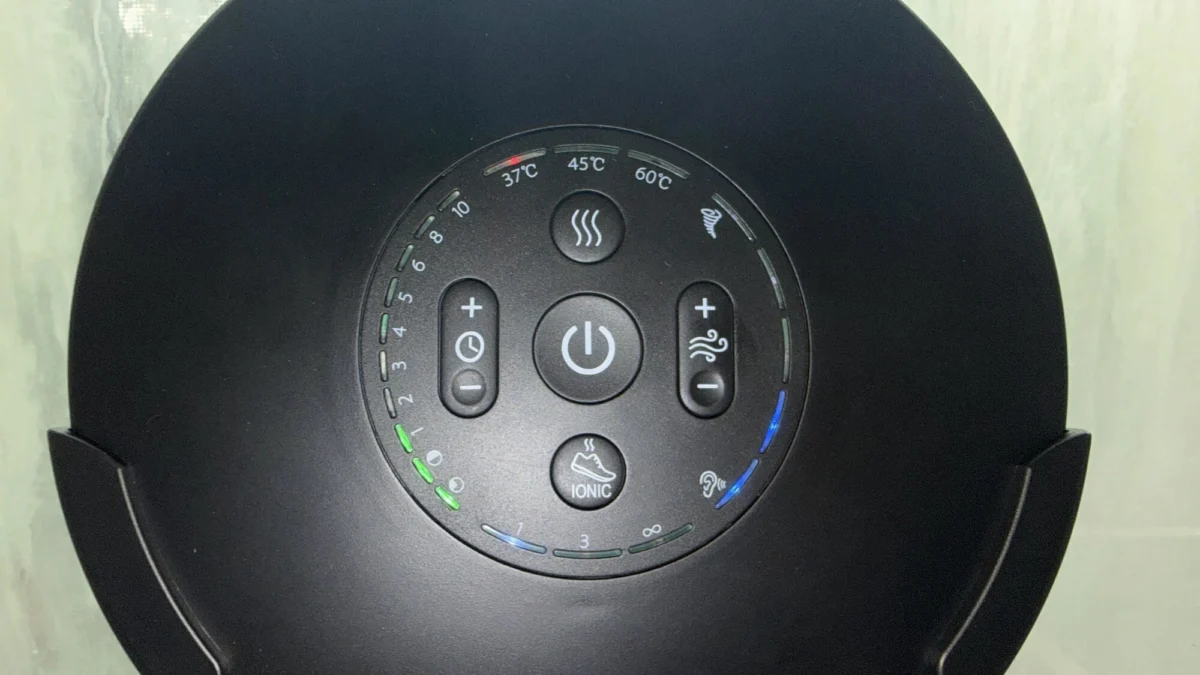
Retailing at $199, the unit is designed to hang discreetly in a closet, mudroom, or wardrobe via a durable stainless steel hook. It features customizable thermal output—ranging from ambient room temperature to higher settings—as well as five distinct airflow speeds, topping out at a powerful "tornado" mode meant for rapid-fire turnarounds. While the price point places it firmly in the premium lifestyle gadget category, its ability to eliminate moisture, prevent bacterial growth, and salvage consecutive days of outdoor training makes it a compelling investment for dedicated runners and active households.
Chronology of an All-Weather Training Dilemma
The journey to discovering the Hedgehog Hanger began not in a sterile laboratory, but out on the pavement amid brutal meteorological conditions.
The Traditional Struggle: Fans and Hope
As a marathon runner committed to a strict training regimen, skipping workouts due to bad weather is rarely an option. During a recent weekend onslaught brought on by a stubborn nor’easter, the reality of back-to-back rainy runs set in immediately.
Under normal circumstances, the post-run protocol was archaic and largely ineffective:
- The Arrival: Returning home from a miles-long slog with waterlogged sneakers that weighed down every step.
- The Setup: Propping the sodden shoes in front of a standard household oscillating fan or leaving them on a floor vent, crossing fingers that ambient air circulation would work a miracle overnight.
- The Reality: Waking up the next morning to damp insoles, cold fabric, and a distinct, locker-room-style mildew odor permeating the entryway. Slipping damp feet back into wet shoes not only creates blisters and foot health issues, but it also saps motivation entirely.
The Back-to-Back Weekend Test
This particular weekend presented a severe scheduling crunch: two high-mileage training sessions scheduled on consecutive days, both culminating in heavy downpours. The margin for error was zero; the running shoes needed to be bone-dry, structurally sound, and ready for action within a matter of hours.

Unpacking the Hedgehog Hanger for its ultimate field test, the setup proved straightforward. Suspended from a sturdy hook, the device allowed the wet running shoes to slide easily onto its dual drying arms. Within minutes of powering it on and engaging a moderate heat and speed profile, the turbine system began actively forcing air through the damp mesh and insoles.
By the time the afternoon training block rolled around, the shoes were completely dry, warm, and free of any residual moisture or odor. The need to rotate into an inferior backup pair—or worse, lace up soggy footwear—was entirely eliminated.
Supporting Data and Technical Specifications
To understand why traditional drying methods fail while turbine-based systems succeed, it helps to examine the mechanics of moisture retention in modern athletic footwear.
Modern running shoes are marvels of material science, constructed from complex synthetic weaves, engineered mesh, waterproof membranes (such as Gore-Tex), and high-density foam midsoles. While these materials maximize breathability and shock absorption, they also trap moisture deep within internal cavities where passive air circulation cannot reach.
How Turbine Technology Works
Standard shoe dryers often rely on low-wattage heating elements that gently warm air, hoping it will rise naturally through the shoe. This passive approach can take upwards of 6 to 8 hours and risks degrading delicate glues and synthetic foams through prolonged, uneven heat exposure.
The Hedgehog Hanger approaches the problem through forced convection powered by turbine engineering:
- Airflow Velocity: By generating a high-pressure stream of air, the turbine forces moisture-laden vapor molecules out from the deepest crevices of the toe box and heel counter.
- Granular Thermal Control: Users can toggle between ambient room temperature settings—ideal for delicate leather dress shoes, wool-lined gloves, or high-tech running membranes—and elevated heat settings designed to accelerate evaporation.
- Variable Speed Settings: With five distinct velocity tiers, ranging from a gentle whisper-quiet breeze to the high-output "tornado" mode, users can balance drying speed against acoustic comfort and fabric sensitivity.
Economic and Practical Considerations
At a suggested retail price of $199, the Hedgehog Hanger represents a significant financial commitment for a niche home appliance. Consumer data and expert reviews highlight a clear division in its utility:
| User Demographic | Frequency of Need | Value Proposition |
|---|---|---|
| Casual Walkers / Fair-Weather Exercisers | Low (Occasional rain/snow) | Low Value: At $199, standard methods (crumpled newspaper, ambient air) are more cost-effective. |
| Dedicated Runners & Endurance Athletes | High (Daily training regardless of weather) | High Value: Eliminates gear bottlenecks, prevents missed workouts, and extends shoe lifespan. |
| Active Families / Parents | Constant (Kids tracking in snow, mud, sports gear) | High Value: Keeps mudrooms organized, dries multiple pairs of gloves/shoes rapidly, eliminates household odors. |
Official Perspectives and Industry Implications
The rise of high-end recovery and gear-maintenance tech signals a broader shift in the fitness and lifestyle ecosystem. Manufacturers are increasingly realizing that consumer adherence to fitness goals—whether running a marathon, hitting the ski slopes, or simply maintaining a daily walking habit—is heavily dictated by friction points in the user experience.

Mitigating Training Friction
Sports psychologists and fitness coaches frequently cite "friction" as the primary reason individuals abandon consistency. Physical friction—such as putting on cold, wet socks or damp running shoes—creates an immediate psychological barrier that makes skipping a workout far more tempting.
Industry analysts note that gadgets like the Hedgehog Hanger address micro-pain points that legacy sports brands have traditionally ignored. By removing the discomfort of wet gear, products of this nature indirectly support long-term training adherence.
Environmental and Gear Longevity Benefits
Beyond comfort, proper drying technology plays a crucial role in gear preservation. Leaving shoes damp for extended periods accelerates the breakdown of EVA (ethylene-vinyl acetate) and polyurethane foams, compromises stitching integrity, and breeds odor-causing bacteria and mold.
By safely expediting the drying process without scorching delicate technical textiles, active dryers help preserve the structural integrity and cushioning properties of expensive footwear. This potentially extends the mileage and usable lifespan of running shoes that often retail upwards of $150 to $250 per pair.
Furthermore, multi-purpose design elements—such as the unit’s ability to double as a neat, space-saving storage rack for footwear when powered off—demonstrate how modern home-fitness accessories are evolving to fit into compact urban living spaces like apartments and mudrooms.
Conclusion
While a $199 price tag may deter casual observers, the Hedgehog Hanger fills a genuine, nagging gap for dedicated athletes, outdoor workers, and families living in wet climates. By merging high-velocity turbine engineering with precise thermal controls, it transforms a frustrating, multi-hour chore into a quick, 20-minute maintenance task. For those who refuse to let a forecast dictate their training schedule, investing in advanced gear management may just be the ultimate life hack for consistency.
 Nana
 Basiran
