
 By Jia Lissa

In the hyper-competitive landscape of digital marketing, capturing and holding consumer attention is the ultimate currency. Among all available social media tools, Instagram Reels has emerged as the premier engine for organic discovery, audience expansion, and digital commerce.

Designed to help brands and creators navigate the ever-evolving platform, this comprehensive guide dives deep into the mechanics of the Instagram Reels algorithm, current best practices, step-by-date creation and scheduling workflows, measurement metrics, and forward-looking trends for 2026.

Main Facts: What Are Instagram Reels and Why Do They Matter?
An Instagram Reel is a short-form, vertical video format natively integrated into Instagram. Users can record, edit, and stitch together multiple video clips and photos, layering them with text overlays, special effects, and audio tracks.
Reels vs. TikTok: Key Structural Differences
While both platforms dominate the short-form video ecosystem, distinct characteristics set Instagram Reels apart from TikTok:
- Length: Instagram Reels support videos up to 3 minutes long (a limit introduced in January 2025, up from 90 seconds). In contrast, TikTok allows up to 10 minutes in-app and up to 60 minutes for desktop-uploaded videos.
- Audience Demographics: Instagram boasts a broad, highly diverse global user base, with core users spanning the 18–34 demographic, whereas TikTok retains a particularly strong, native presence among younger Gen Z cohorts.
- Content Style: Instagram Reels often lean toward polished, aesthetic-focused, and highly curated visual storytelling. TikTok content frequently prioritizes raw, casual, and experimental authenticity.
- Audio and Discovery: Instagram relies on original audios, a curated music library, and a massive portion of users scrolling with sound off. TikTok is heavily trend-driven, utilizing dynamic sounds where viewing with sound-on is the norm. Discovery occurs via the Reels feed, Explore page, and standard home feeds, compared to TikTok’s singular "For You Page" (FYP) algorithm.
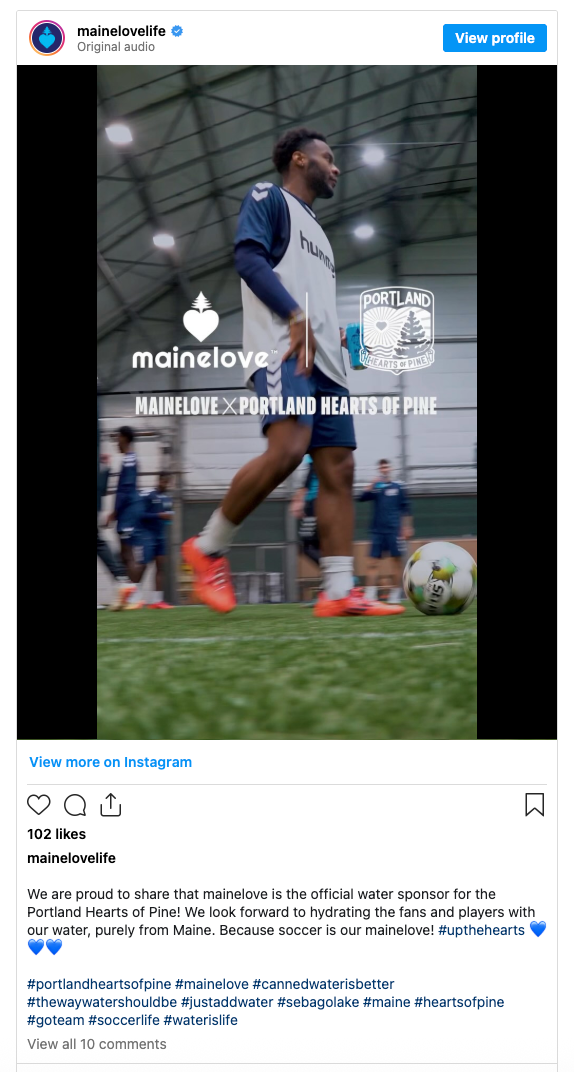
- Shopping Integration: Instagram Reels seamlessly link product tags directly to Instagram Shops and external e-commerce sites, offering robust social-selling pathways.
Optimal Video Specs
To maximize algorithmic distribution, technical specifications matter. The optimal Instagram Reel size is 1080 x 1920 pixels with a 9:16 aspect ratio. Because Reels are built for full-screen mobile consumption, horizontal or low-resolution videos face immediate algorithmic suppression.
Chronology and Evolution of the Format
The trajectory of Instagram Reels reflects Meta’s aggressive pivot toward AI-driven discovery engines.
- Launch and Early Growth: Introduced to counter the meteoric rise of short-form video competitors, Reels initially launched with short time caps (15 to 30 seconds).
- The 90-Second Expansion: As creators demanded more creative real estate, Instagram expanded the cap to 90 seconds, allowing for more narrative depth.
- The 3-Minute Shift (January 2025): Meta officially raised the maximum length to 3 minutes, giving brands room for mini-documentaries, tutorials, and behind-the-scenes interviews.
- AI Recommendation Overhauls (2025–2026): Recent Meta earnings calls highlighted massive performance spikes—including a 4% increase in overall Reels time spent driven by upgraded AI ranking models that prioritize completion rates and direct reshares.
Supporting Data: The Business Case for Reels
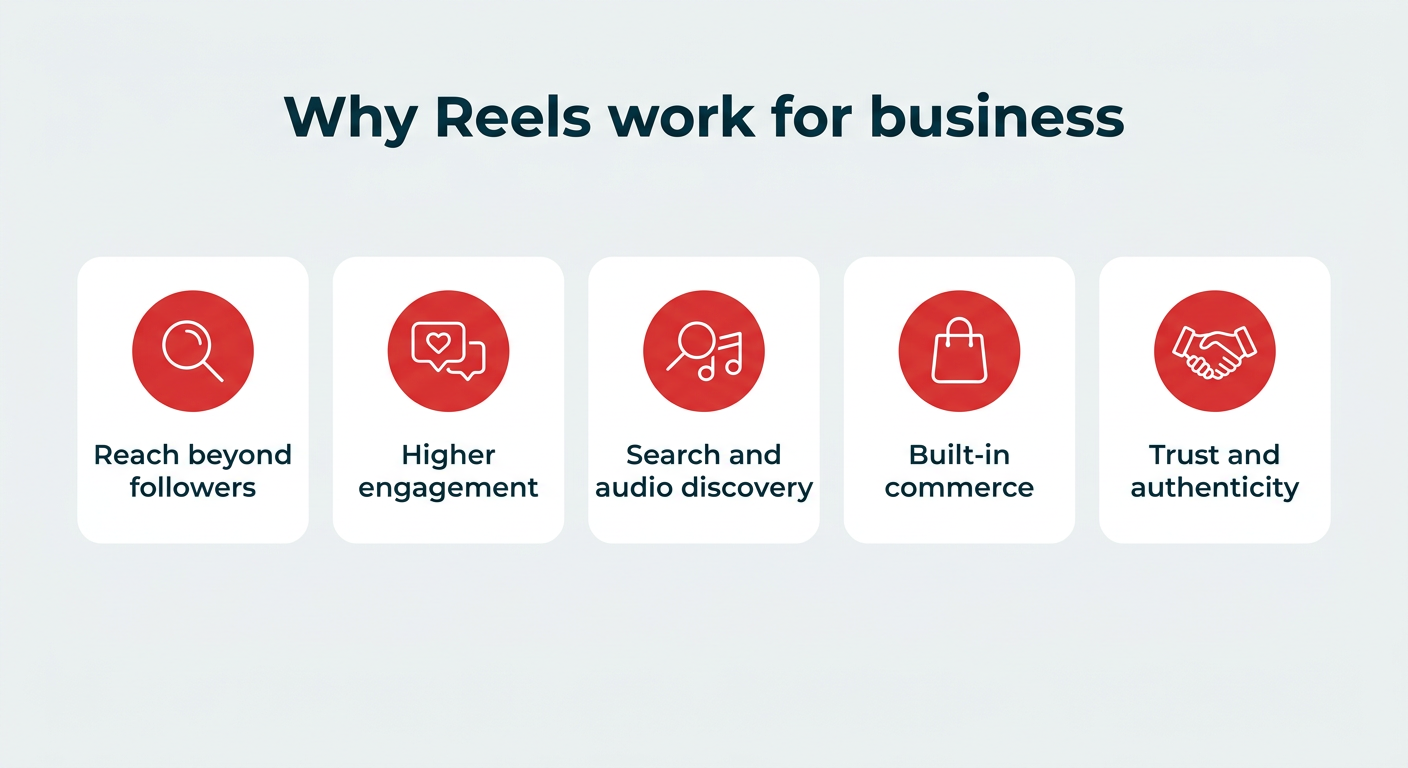
Investing time and resources into Reels is no longer optional for brands looking to scale. With half of all U.S. adults actively using Instagram, Reels serve as the most efficient mechanism to bypass traditional follower-count bottlenecks.
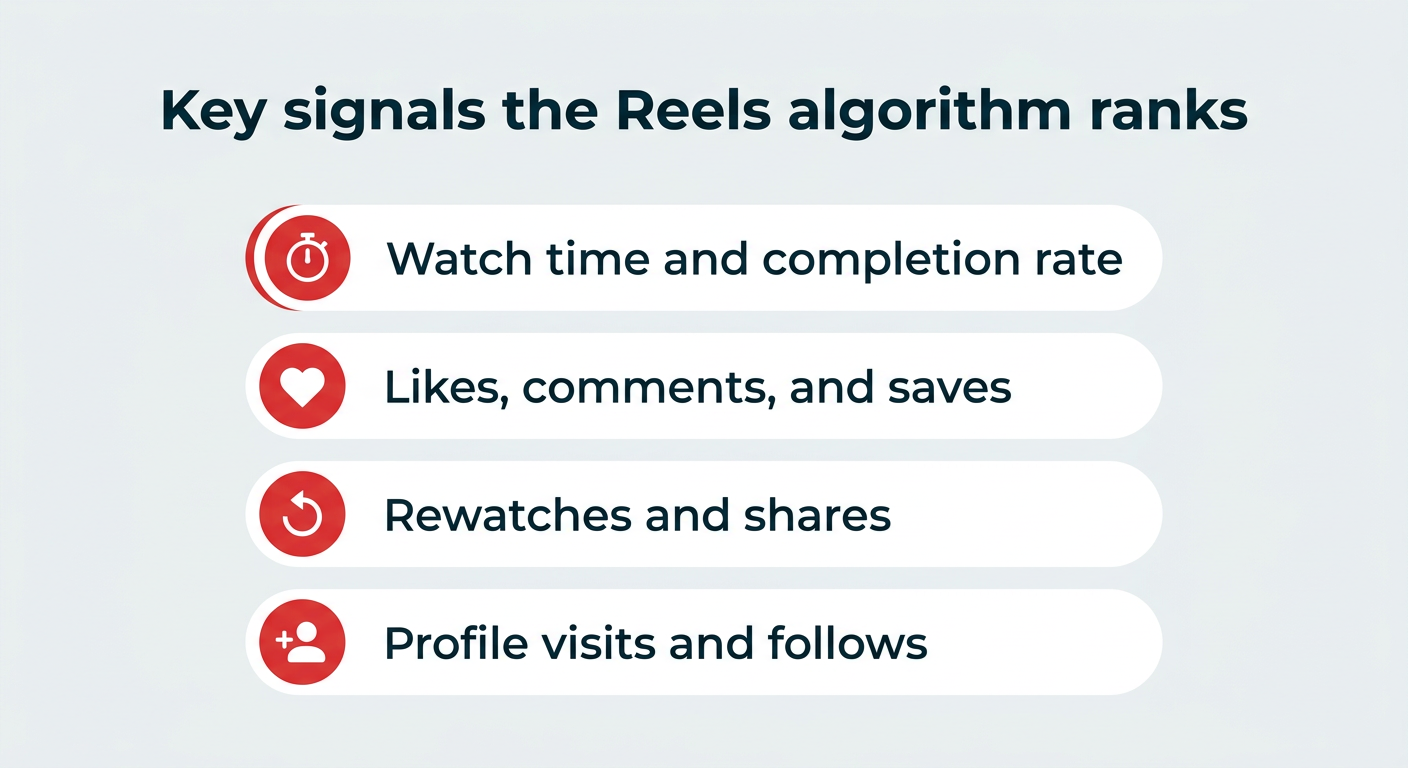
Meta’s algorithm explicitly treats accounts of all sizes equally within the recommendation engine, meaning a brand with zero followers can achieve millions of organic views if the content resonates.
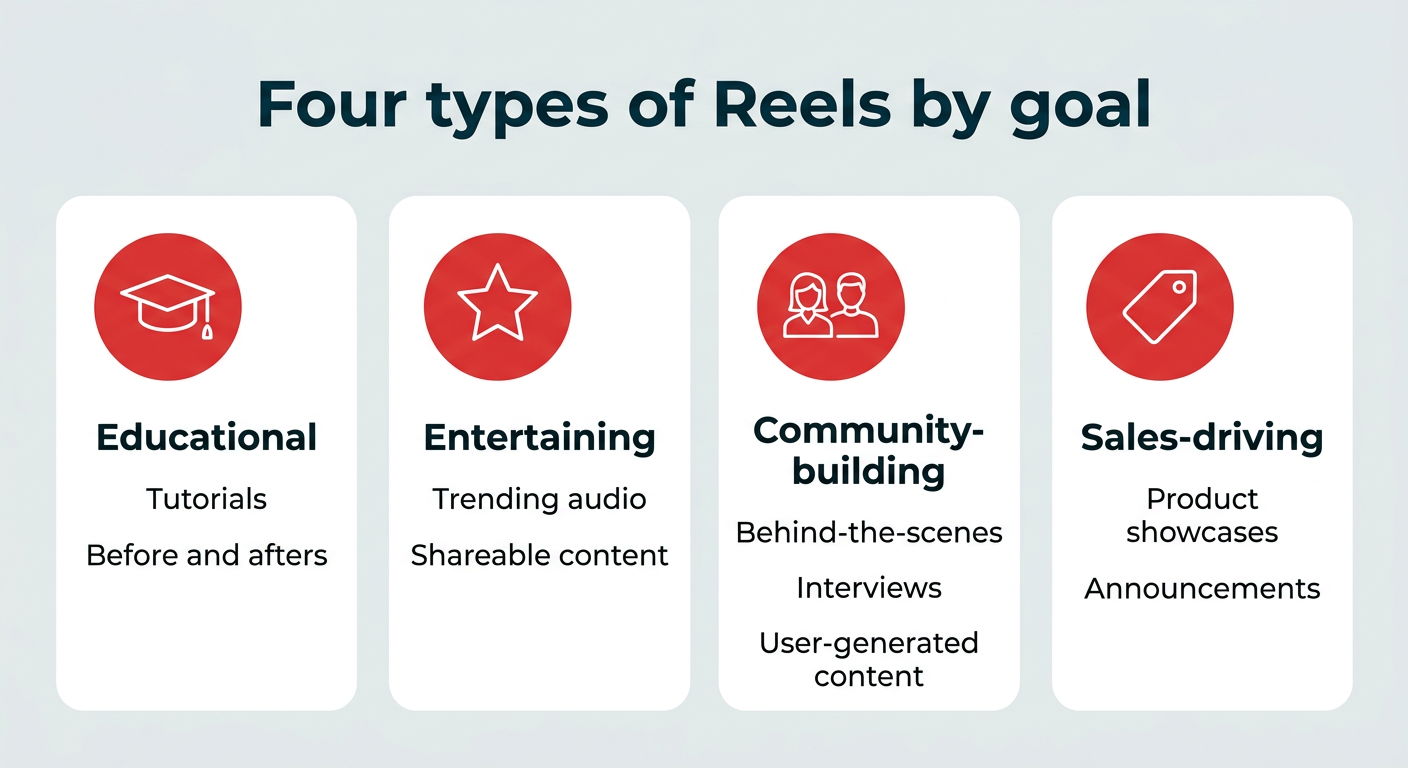
Four Pillars of Reel Utility by Goal
- Educational Reels: Build brand authority and rack up "saves," signaling long-term value to the algorithm.
- Entertaining Reels: Act as primary reach drivers, maximizing algorithmic distribution through user shares.
- Community-Building Reels: Humanize the brand behind the logo, transforming casual scrollers into loyal brand advocates.
- Sales-Driving Reels: Directly connect top-of-funnel content to revenue streams using embedded product tags and shoppable integrations.
Official Responses: What Meta’s Leadership Recommends
Executives at Meta, including Head of Instagram Adam Mosseri, have provided consistent guidelines for maximizing Reels performance. Mosseri emphasizes several core philosophies:
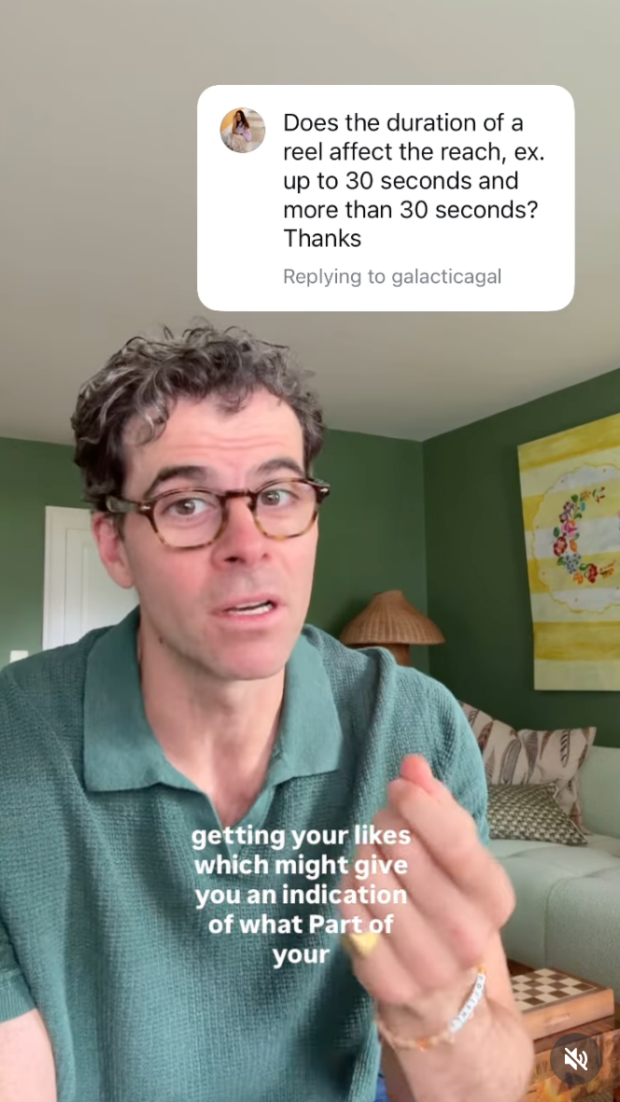
- Shorter is Generally Better: Even though 3-minute videos are permitted, Mosseri notes that high completion rates and rewatches heavily influence distribution. If a message can be delivered succinctly, keep it tight.
- Avoid Recycled Watermarks: Mosseri has explicitly warned against uploading videos bearing watermarks or logos from competing platforms (such as TikTok). Native, clean video files secure priority placement.
- Audio as a Lever: Leveraging trending sounds and native music integration functions as a direct shortcut to expanding discoverability.
Implications: Best Practices for Brands in 2026
To capitalize on Meta’s algorithmic priorities, digital marketers must implement strategic best practices:
- Hook Viewers in 1-2 Seconds: Eliminate slow title cards, long introductions, or brand logo intros. Begin with immediate visual or auditory stimulation.
- Think Beyond Your Niche: Broaden content horizons by discussing adjacent topics that appeal to your target audience’s broader lifestyle or professional interests, even if they aren’t explicitly about your product.
- Deploy Trending Audio Strategically: Scan the audio library for upward-trending arrows. Use trending tracks for entertainment and community content, while relying on original voiceovers for educational tutorials.
- Incorporate Clear In-Video CTAs: Prompt viewers to save, share with a friend, or drop a comment to fuel algorithmic signaling.
- Maintain Consistent Scheduling: Consistency outweighs erratic bursts of volume. Publishing on a predictable weekly cadence trains the algorithm to understand your distribution network.
Step-by-Step Execution: Creation, Scheduling, and Measurement
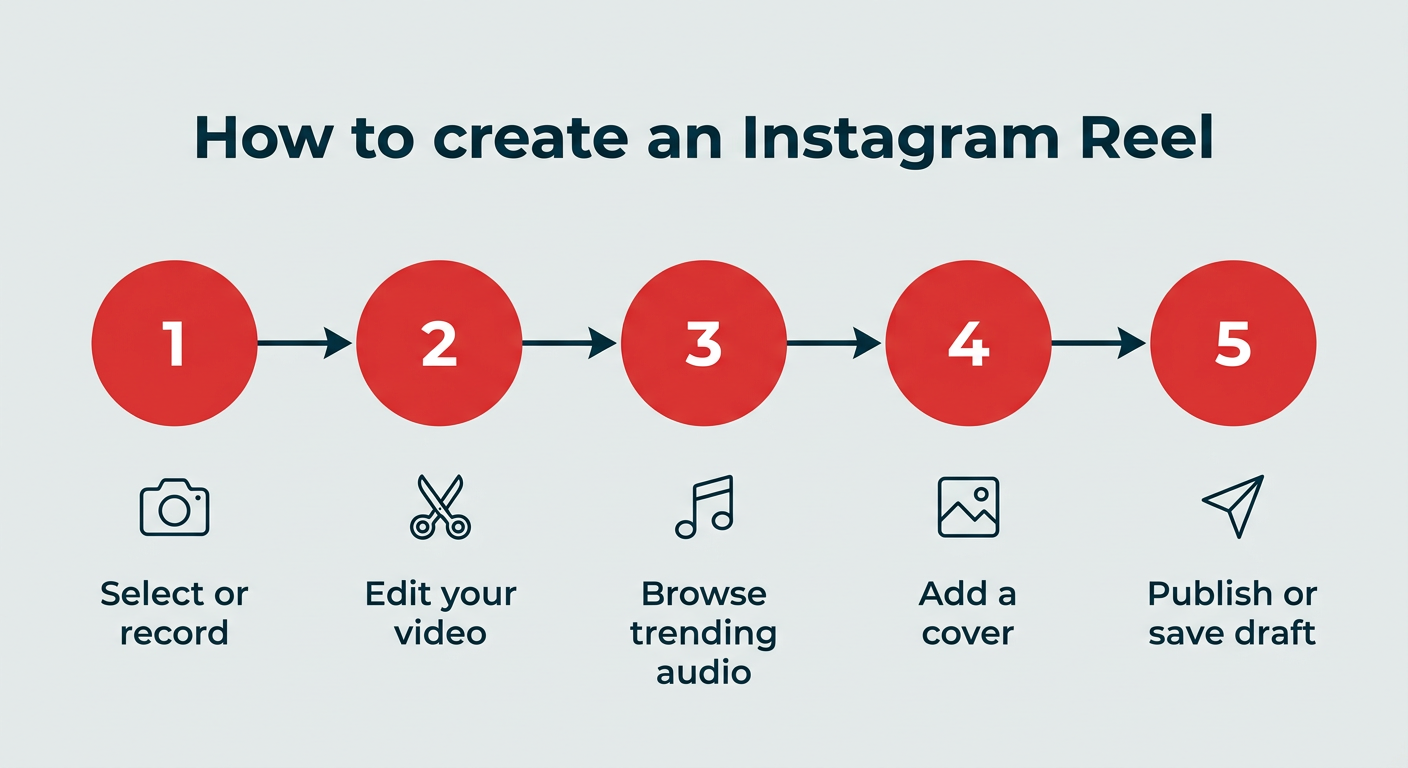
How to Create a Reel
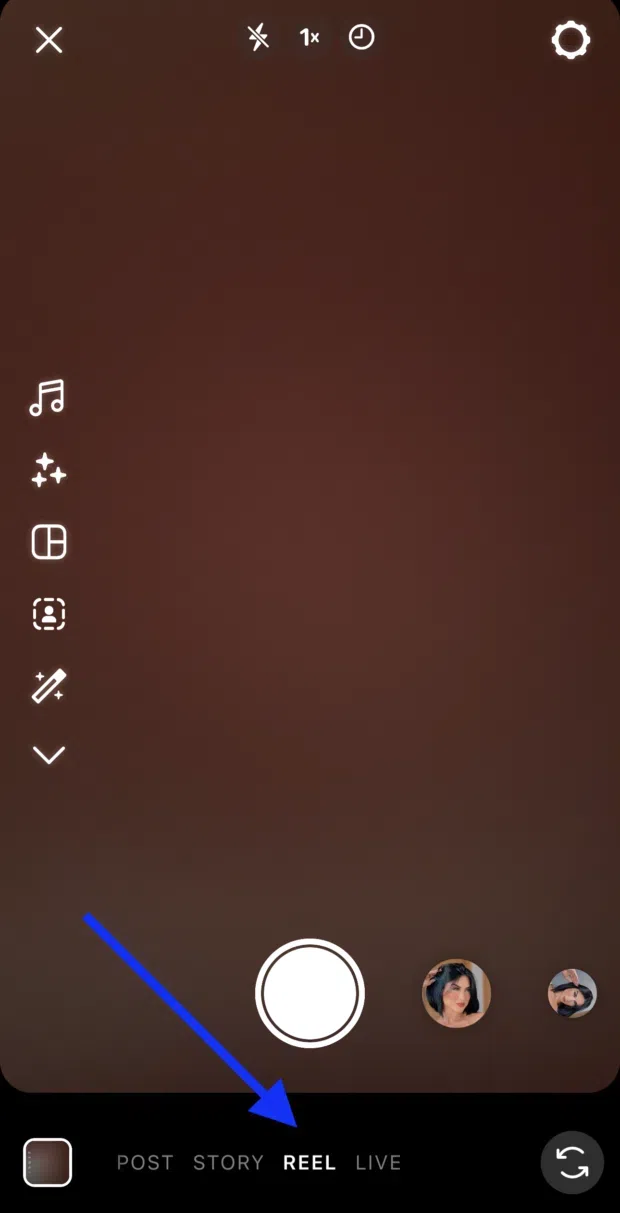
- Select or Record: Tap the + button from your feed, select Reel, and record live or upload pre-existing footage (up to 3 minutes).
- Edit: Utilize in-app tools to adjust clips, add transitions, text overlays, and filters.
- Add Audio: Browse trending audio tracks or upload original voiceovers.
- Design a Cover Image: Choose an eye-catching frame from your video or upload a custom thumbnail to maintain a clean profile grid aesthetic.
- Publish or Draft: Write a compelling caption (up to 2,200 characters), add relevant location tags and hashtags, and publish or save as a draft.
How to Schedule a Reel
- Via Instagram App: During the final publishing screen, tap More options, toggle on Schedule this reel, and choose your target date and time.
- Via Hootsuite/Perch: Leverage enterprise scheduling tools to automatically publish Reels at peak engagement windows determined by your unique audience analytics.
Measuring Performance
Key metrics to track monthly include:
- Watch Time & Completion Rate: Indicators of high content engagement.
- Shares and Saves: The strongest signals of viral potential and long-term utility.
- Profile Visits & Follower Conversion: Assessing how successfully a top-of-funnel view translates into a long-term audience member.
Conclusion
Instagram Reels represent an indispensable pillar of modern digital strategy. By aligning content creation with algorithmic priorities—focusing on instant hooks, native formatting, consistent publishing, and authentic community engagement—businesses can unlock unprecedented organic reach and sustainable brand growth.
 Ammar Sabilarrohman
 Muslim
 Layla Zulfa
