
 By Evan Lee Salim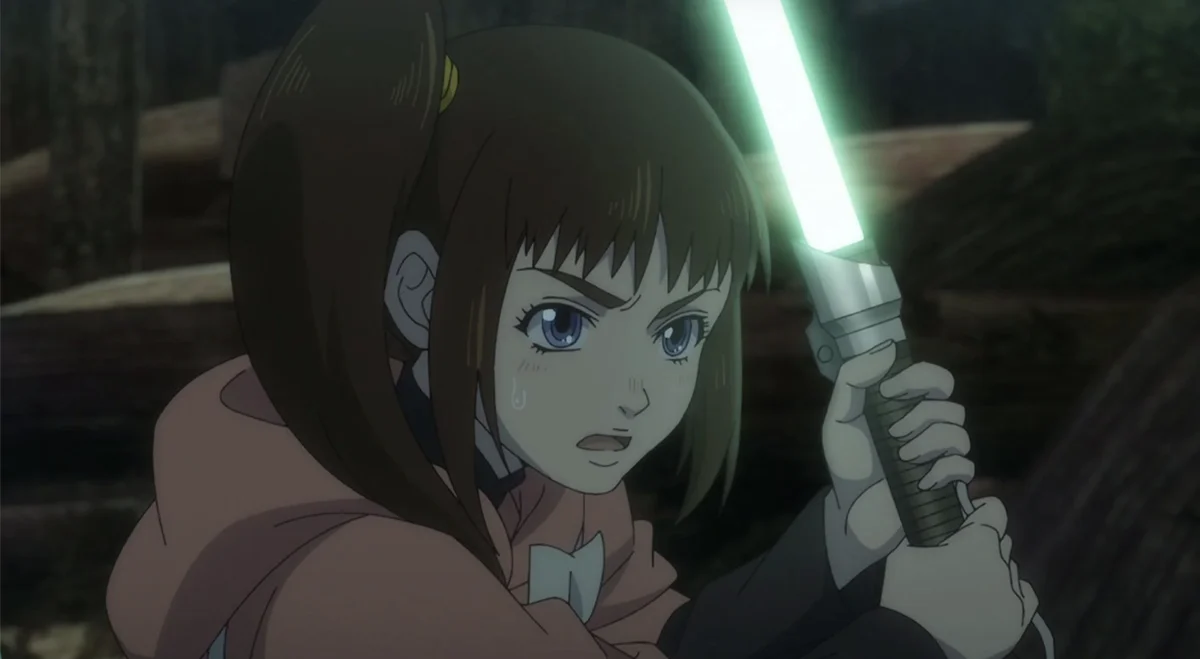
A persistent rumor has recently swept through the vast digital galaxy of Star Wars fandom, igniting passionate debates and fueling speculative headlines across the internet. The claim? That Lucasfilm, under the Disney banner, is subtly — or not so subtly — "erasing" the Star Wars sequel trilogy from its official canon. These three films, The Force Awakens (2015), The Last Jedi (2017), and The Rise of Skywalker (2019), which collectively represent the continuation of the Skywalker saga, have become a focal point of intense discussion, often marred by a vocal segment of fans expressing deep dissatisfaction.
However, a thorough examination of current projects and the overarching strategy of Lucasfilm reveals a truth far less dramatic than the rumors suggest. The sequel trilogy is not being erased. Instead, it is being approached with a multi-faceted strategy that involves expanding upon, contextualizing, and occasionally sidestepping its narrative, rather than outright nullifying its existence. This complex handling speaks volumes not only about the ongoing evolution of the Star Wars universe but also about the intricate relationship between creators and their intensely invested audiences.
Main Facts: The Rumor, The Reality, and The Catalysts
The central assertion reverberating online is that Lucasfilm is actively working to remove the sequel trilogy from the official Star Wars timeline, effectively making it non-canonical. This belief has gained traction despite a lack of concrete evidence, often stemming from wishful thinking among fans who were critical of the films’ direction.
The reality, as confirmed by current and upcoming projects, is quite different. Lucasfilm is demonstrably integrating the sequel trilogy into the broader narrative fabric of Star Wars, albeit with varying degrees of direct engagement. Three key projects serve as the primary catalysts for both the rumors and their refutation:
-
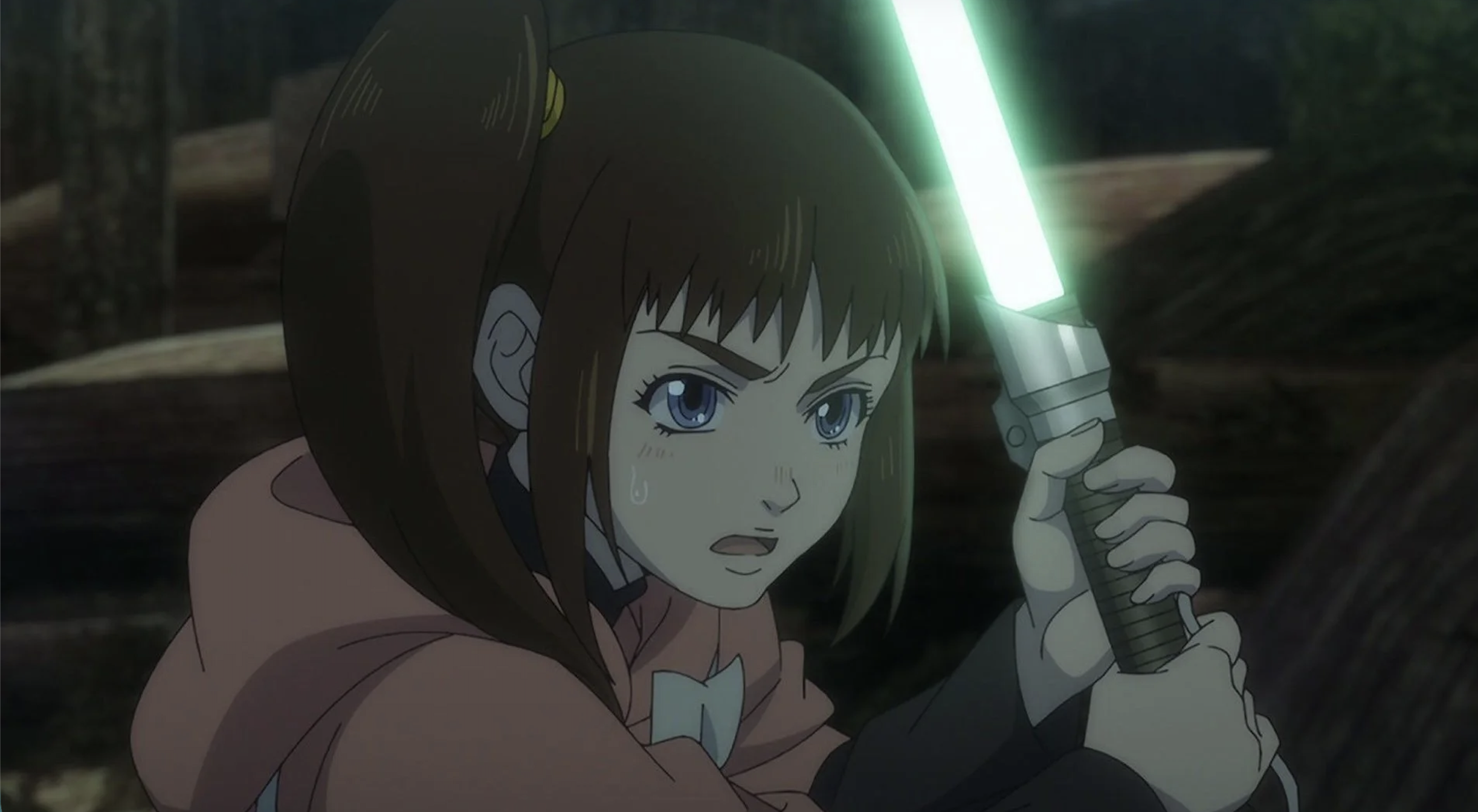
Star Wars: Visions Presents – The Ninth Jedi: An animated series on Disney+, this project is set approximately one thousand years after the events of the sequel trilogy. Its perceived "silence" on sequel characters and events has been misconstrued by some as an implicit erasure. However, Visions has always been an anthology series operating outside the main Star Wars continuity, granting creative freedom to its various animation studios. Its distant timeline and non-canonical status inherently mean it wouldn’t directly reference the sequels, making any such interpretation of erasure unfounded.
-
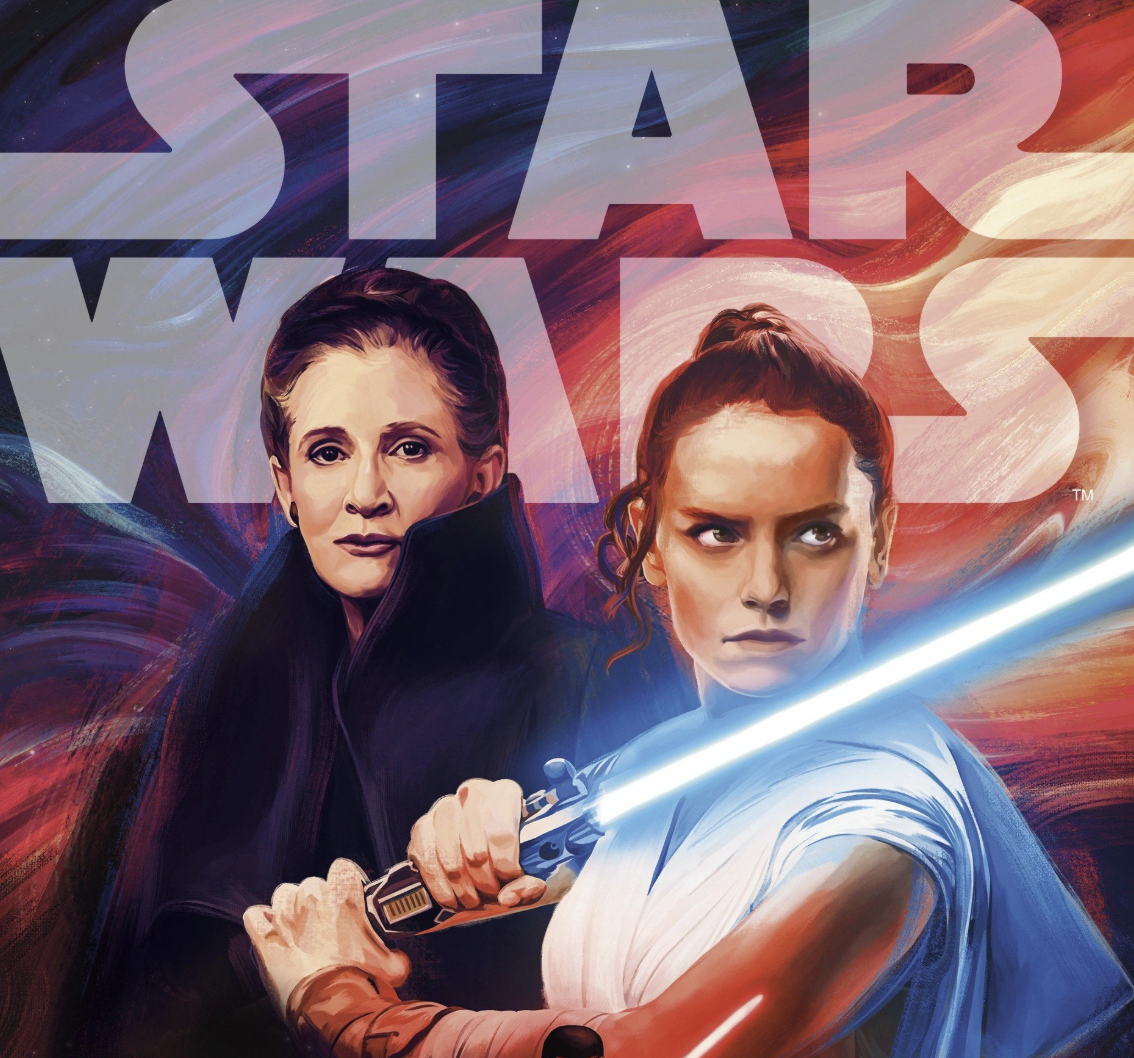
Star Wars: Legacy by Madeleine Roux: This new novel is specifically designed to fill narrative gaps between The Last Jedi and The Rise of Skywalker. Far from erasing the trilogy, Legacy actively seeks to enhance it by expanding on critical plot points, such as Rey’s Jedi training and Princess Leia’s pivotal role. This endeavor is a direct effort to strengthen the trilogy’s internal consistency and make its conclusion feel more earned, a clear act of reinforcement, not removal.
-
Shawn Levy’s Starfighter Movie: Slated for cinematic release in 2027, this highly anticipated film is set just five years after the conclusion of the sequel trilogy. Its proximity to the sequels’ timeline signals a direct continuation of the narrative thread established in those films. A major theatrical release building directly on the sequels is arguably the strongest evidence against any notion of their erasure.
These simultaneous, yet distinct, approaches — one ignoring due to its non-canonical nature, one repairing perceived flaws, and one directly building upon — present a nuanced picture that contradicts the simplistic narrative of deletion.
Chronology: A Saga Through Time
To fully appreciate the context of the sequel trilogy and the ongoing debate, it’s essential to trace the historical lineage of the Star Wars saga.
The Genesis of a Saga
The Star Wars phenomenon began in the late 1970s with George Lucas’s original trilogy: A New Hope (1977), The Empire Strikes Back (1980), and Return of the Jedi (1983). These films introduced iconic characters like Luke Skywalker, Princess Leia, Han Solo, and Darth Vader, establishing a foundational mythology that captured the imagination of millions and became a cultural touchstone. The original trilogy set the standard for epic space opera and remains beloved by generations of fans.
The Prequel Era
Nearly two decades after Return of the Jedi, George Lucas returned to direct a prequel trilogy in the late 1990s and early 2000s: The Phantom Menace (1999), Attack of the Clones (2002), and Revenge of the Sith (2005). These films explored the backstory of Anakin Skywalker’s fall to the dark side and the rise of the Galactic Empire. While financially successful, the prequels were met with a more mixed reception from fans and critics, particularly for elements like the extensive use of CGI and the controversial character of Jar Jar Binks. This era demonstrated early on that expanding the Star Wars universe could be a divisive undertaking, setting a precedent for future fan reactions.
Disney’s Acquisition and the Sequel Trilogy
In 2012, The Walt Disney Company acquired Lucasfilm for over $4 billion, announcing plans to produce a new trilogy of films that would continue the Skywalker saga beyond Return of the Jedi. This led to the release of The Force Awakens (2015), directed by J.J. Abrams; The Last Jedi (2017), directed by Rian Johnson; and The Rise of Skywalker (2019), again directed by J.J. Abrams.
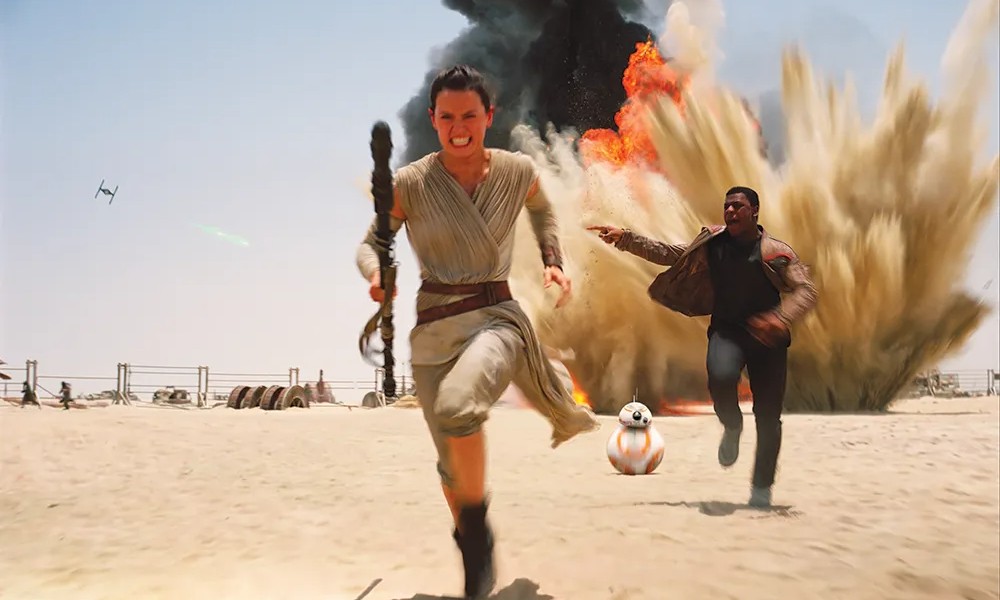
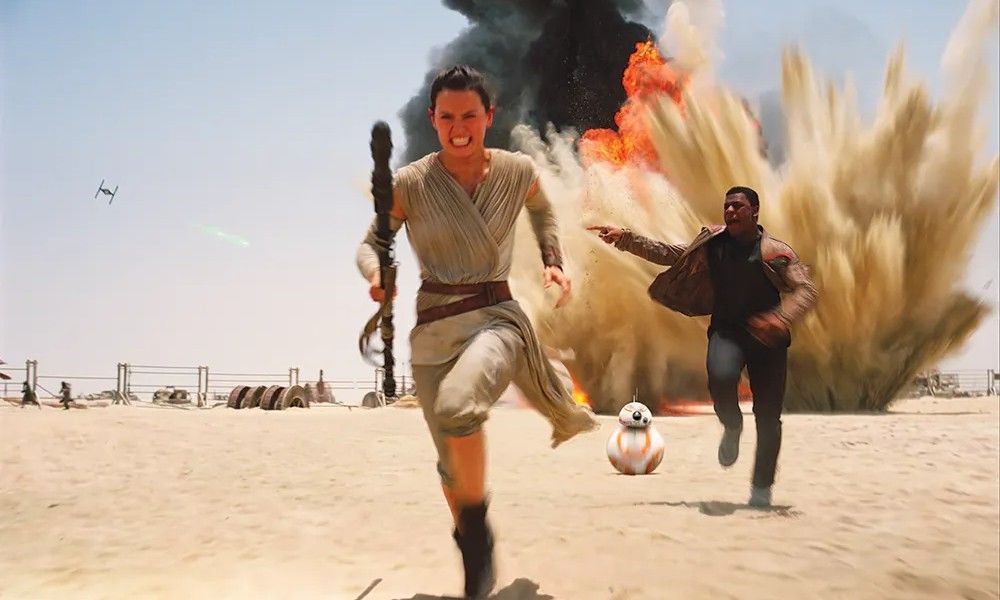
The sequel trilogy introduced a new generation of protagonists: Rey, a powerful scavenger; Finn, a former stormtrooper who defects to the Resistance; and Poe Dameron, a skilled X-wing pilot. It also brought back beloved original cast members like Harrison Ford (Han Solo), Mark Hamill (Luke Skywalker), and Carrie Fisher (General Leia Organa), bridging the gap between generations. While The Force Awakens was largely praised for recapturing the spirit of the original films, The Last Jedi proved highly divisive, challenging fan expectations and prompting strong reactions. The Rise of Skywalker attempted to conclude the saga but struggled to reconcile some of the narrative choices made in its predecessor, leaving many fans feeling unsatisfied with the overarching story arc.
The Post-Sequel Landscape
Following the conclusion of the Skywalker saga in 2019, Lucasfilm embarked on a strategy of expanding the Star Wars universe through various media, including numerous Disney+ series (e.g., The Mandalorian, Andor, Ahsoka) and a slate of new films. It is within this post-sequel landscape that the three aforementioned projects — Star Wars: Visions Presents – The Ninth Jedi, the novel Star Wars: Legacy, and Shawn Levy’s Starfighter film — have emerged, becoming crucial pieces in understanding Lucasfilm’s current approach to its own continuity. These projects are not only set after the sequels but actively engage with the timeline, either by deliberately placing stories outside the main canon or by directly building upon the established narrative.
Supporting Data: Financial Success vs. Fan Dissent
The Star Wars sequel trilogy was an undeniable financial powerhouse, generating over $4 billion at the global box office alone, a testament to the franchise’s enduring appeal and Disney’s marketing prowess. This staggering sum does not even account for the vast revenue generated from merchandise, streaming rights, theme park attractions, and other ancillary products. From a purely commercial perspective, the sequels were a resounding success.
Financial Performance vs. Fan Sentiment
Despite their commercial triumph, the sequels provoked a significant and passionate backlash from a vocal segment of the fanbase. Criticism often centered on several key areas:
- Lack of a Coherent Overarching Plot: Many fans felt that the trilogy lacked a clear, pre-planned narrative arc, with each film seemingly retconning or disregarding elements from its predecessor. This perceived inconsistency contributed to a sense of narrative drift.
- Character Development and Consistency: The arcs of characters like Rey, Finn, and Luke Skywalker were particular points of contention. Luke’s portrayal in The Last Jedi sparked widespread debate, with some feeling it betrayed his established character. Rey’s mysterious parentage, a major plot point in The Force Awakens, was dismissed in The Last Jedi only to be re-addressed in The Rise of Skywalker, leading to accusations of indecision.
- Unsatisfying Conclusion: The Rise of Skywalker attempted to wrap up a nine-film saga, but many felt its resolution was rushed, relied too heavily on nostalgia, and failed to provide a truly satisfying ending for both new and legacy characters.
- The "Wasted Potential" Argument: Fans often pointed to promising plot threads introduced in The Force Awakens that were seemingly abandoned in subsequent films, leading to frustration over what "could have been."
This intense dissatisfaction manifested in extensive online discourse, including petitions, viral social media campaigns, and elaborate fan theories. It is this fervent desire for a different outcome, a "better" version of the story, that makes the idea of the sequels being erased so appealing to some. The flimsiest evidence is thus magnified into a supposed "secret plan" by Lucasfilm to rectify past mistakes.
Dissecting the "Evidence" for Erasure
The three projects mentioned earlier are consistently cited as proof of erasure, but a closer look reveals the opposite:
-
Star Wars: Visions and Non-Canonical Storytelling: Star Wars: Visions is an anime anthology series, celebrated for its unique artistic interpretations and diverse storytelling. Crucially, Lucasfilm explicitly states that Visions exists outside the main Star Wars canon. This creative decision allows filmmakers to explore themes and characters without being bound by established continuity. The upcoming The Ninth Jedi is set a millennium after the sequel trilogy. Its narrative focus on new Jedi, without explicit reference to Rey or the First Order, is not an act of erasure but a natural consequence of its non-canonical status and extremely distant timeline. Expecting it to explicitly mention sequel events would be akin to expecting a story set in the year 3000 to heavily feature 21st-century politics – it’s simply too far removed.
-
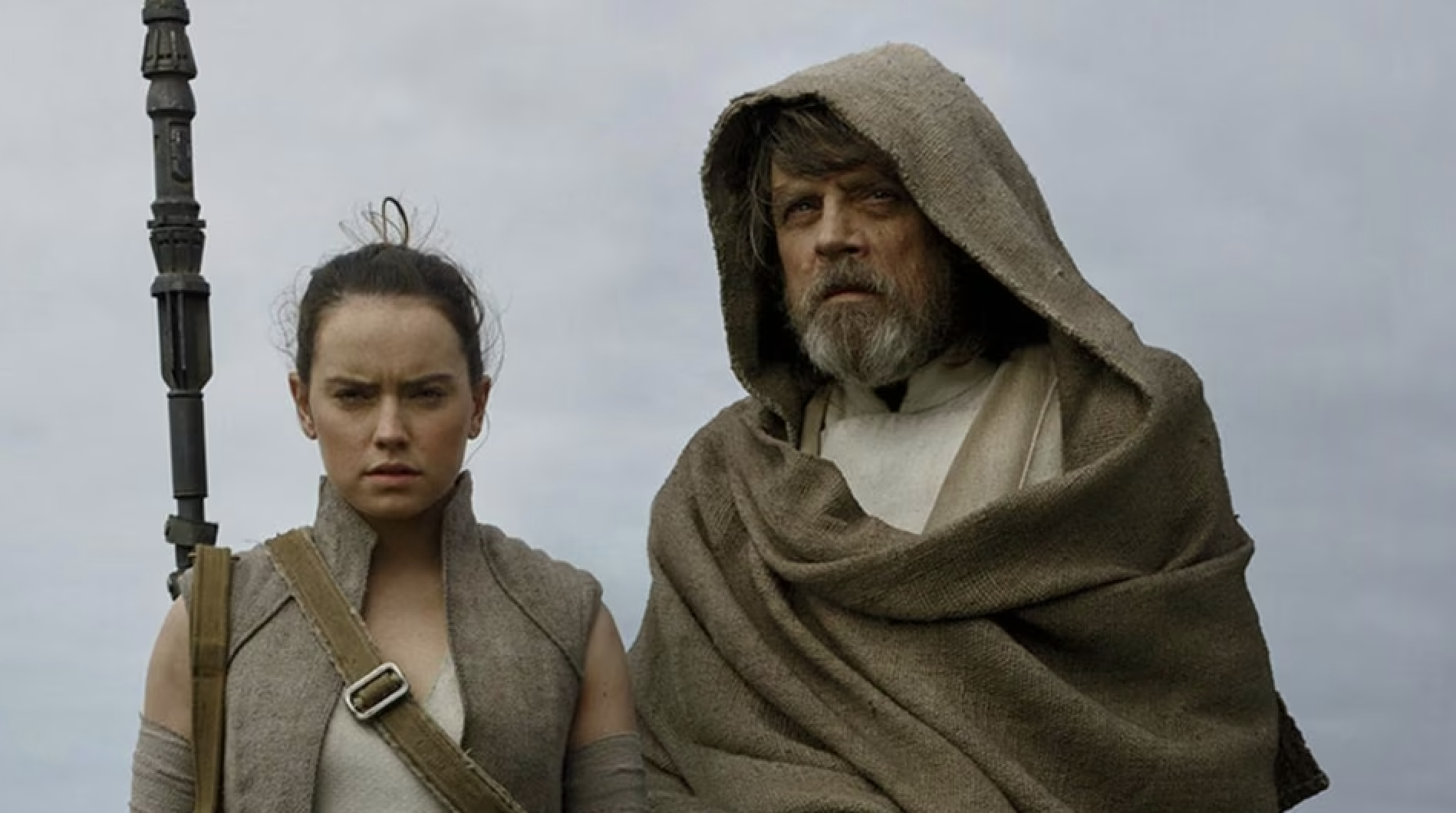
Star Wars: Legacy – Bridging Gaps, Not Erasing: Madeleine Roux’s novel, Star Wars: Legacy, aims to bridge the narrative gaps between The Last Jedi and The Rise of Skywalker. Specifically, it delves into Rey’s training under Leia Organa and further develops Leia’s role as a mentor and leader. This is a direct response to fan criticism regarding the pacing and character development within the films. By providing additional context and enriching existing storylines, the novel serves to strengthen the sequel trilogy’s narrative foundation, making its events and character motivations more understandable. This is the antithesis of erasure; it’s an act of supplementation and justification.
-
Shawn Levy’s Starfighter – A Direct Continuation: The announcement of Shawn Levy’s Starfighter movie, set a mere five years after The Rise of Skywalker, is perhaps the most definitive counter-argument to the erasure theory. A major live-action theatrical film, positioned to be a significant part of the franchise’s future, cannot ignore the events that immediately precede it in the timeline. While details about the plot remain scarce, its setting firmly establishes the sequel trilogy as an undeniable part of the ongoing narrative. It signals Lucasfilm’s intention to move forward, building on the established history rather than discarding it. This is a clear vote of confidence in the sequels’ place within the larger Star Wars tapestry.
Official Responses: The Fluidity of Canon
Lucasfilm, like many long-running franchises, operates with a concept of "canon" – the agreed-upon official history of its fictional universe. However, this "canon" is far from a fixed, immutable legal document; it is a dynamic and evolving framework.
Lucasfilm’s Stance on Canon
While Lucasfilm rarely issues explicit statements addressing fan rumors directly, its actions speak louder than words. By greenlighting projects like Star Wars: Legacy and Shawn Levy’s Starfighter, they are unequivocally affirming the sequel trilogy’s place in the official timeline. The approach is not to pretend the sequels never happened but to find ways to build upon them, address perceived weaknesses through supplementary material, and explore new stories in their wake. The Visions projects are simply an acknowledgment that creative expression can exist both within and outside the main continuity.
The Fluidity of "Canon" in Modern Franchises
The very concept of "canon" is increasingly fluid in contemporary storytelling, especially in sprawling franchises.
- Marvel’s Multiverse: Marvel Comics and the Marvel Cinematic Universe (MCU) have fully embraced the multiverse concept, allowing for countless alternate realities and versions of characters. This provides immense creative freedom, enabling new interpretations without "breaking" established continuity.
- Doctor Who’s Enduring Inconsistencies: The British sci-fi institution Doctor Who has cheerfully accumulated over 60 years of inconsistencies, retcons, and unexplained paradoxes. Fans and creators alike largely accept that strict adherence to every past detail is less important than telling compelling new stories.
- Sherlock Holmes’s Adaptability: Sir Arthur Conan Doyle’s Sherlock Holmes has been adapted, reinterpreted, and reimagined countless times in books, films, and television shows for over a century. No one seriously debates which version is the "true" canon; each adaptation offers a fresh take on the enduring detective.
- DC’s Reboots and Crises: DC Comics is famous for its periodic "Crisis" events and reboots that reshape its entire continuity, allowing for fresh starts and modernizations of characters and storylines.
These examples illustrate that for many long-running narratives, "canon" is a flexible guide, not an unbreakable chain. Creators often prioritize compelling storytelling and creative freedom over slavish devotion to every past detail, leading to "soft reboots," retcons, or the introduction of parallel universes.
The "Legends" Precedent
It is important to acknowledge that Lucasfilm has "erased" a significant portion of its lore in the past. When Disney acquired Lucasfilm, it designated the vast body of existing Star Wars novels, comics, and video games (known collectively as the "Expanded Universe") as "Legends." This move made way for a new, cohesive canon that would include the sequel trilogy and all subsequent films and television shows. This historical precedent fuels the current rumors, as fans recall a time when beloved stories were de-canonized.
However, the "Legends" decision was a pre-emptive measure to clear the slate for a new cinematic saga. The current situation is different: the sequel trilogy is the cinematic saga that replaced "Legends." To erase it would be to actively undermine their own most recent cinematic endeavors, a move that makes little commercial or creative sense given the investment. The "Legends" purge was about making room for a new future; erasing the sequels would be about denying a recent past they themselves created.
Implications: Fandom, Creativity, and the Future of Storytelling
The fervent desire among some fans for the sequel trilogy’s erasure points to broader implications regarding fandom, creative ownership, and the evolving nature of art in a digital age.
The Psychology of Fandom and Creative Ownership
The intense demand for a single, official, "correct" version of events highlights a deep emotional investment many fans have in their beloved franchises. When a story deviates from personal expectations or perceived logical progressions, it can feel like a betrayal, akin to a violation of creative ownership. For these fans, the concept of "canon" becomes a bulwark against perceived narrative chaos, a wish for definitive closure and perfection in a fictional world they hold dear. In a culture increasingly defined by user-generated content, remixes, and constant reinterpretation, this longing for an authoritative, settled narrative stands in stark contrast. It suggests a discomfort with the idea that art can be unresolved, messy, or even imperfect, yearning for a singular, confirmed "truth" in a world that often feels endlessly mutable.
This phenomenon is not unique to Star Wars. It’s seen in various fandoms where passionate communities grapple with creator choices, often feeling a strong sense of entitlement to the narrative direction of stories they love. While healthy engagement and critical discussion are vital, the impulse to "erase" disliked elements reflects a deeper desire for control over an artistic product that, ultimately, belongs to its creators.
Lessons for Creative Professionals
For artists, writers, designers, and anyone engaged in creative work, Lucasfilm’s handling of the sequel trilogy offers a valuable lesson. It demonstrates a pragmatic and ultimately healthier response to imperfect work than the fantasy of deletion. Instead of disowning or ignoring a chapter that received mixed reviews, Lucasfilm is engaged in a process of:
- Remediation: Through projects like the Legacy novel, they are actively attempting to address criticisms and strengthen the narrative coherence of the sequels, making their events feel more justified in hindsight. This is about learning from feedback and improving the existing foundation.
- Building Forward: By setting new, major projects like Shawn Levy’s Starfighter directly after the sequels, they are asserting their continued relevance and laying the groundwork for future stories that acknowledge and build upon them.
- Diversification: The existence of non-canonical projects like Visions shows an understanding that the universe is vast enough to accommodate diverse creative interpretations without disrupting the core narrative.
This approach stands in stark contrast to the unhelpful instinct many creatives harbor: the belief that weaker projects don’t deserve to exist, and that only a polished, "perfect" version of one’s work is fit to be seen. This self-critical avoidance can lead to stagnation, as talented individuals sit on unfinished portfolios or hesitate to share work that isn’t "flawless."
No artist’s back catalog is a pristine, unbroken string of successes. There will always be projects that, in hindsight, could have been better, or that didn’t land as intended. The healthier habit, as Lucasfilm is modeling, is not to hide these chapters or wait for permission to move past them. It is to learn from them, understand what was missing or went awry, and then let your subsequent work make the case for your continued growth and vision. Embracing the entirety of one’s creative journey, flaws and all, is a more productive path than attempting to retroactively erase perceived imperfections.
The Future of Star Wars
The Star Wars franchise is currently in a dynamic period of expansion, with multiple films and television series in various stages of development. This diversification across different eras and media platforms makes a complete "erasure" of any one trilogy highly improbable and counterproductive to Disney’s overall strategy. The current approach allows Lucasfilm to explore new territories (like the High Republic era), revisit popular periods (The Mandalorian), and yes, continue to build upon the Skywalker saga, including the sequels.
Ultimately, the Star Wars sequel trilogy is not disappearing into the void. It is firmly embedded in the saga’s history, a significant and financially successful chapter that continues to influence the direction of the franchise. While fan sentiment remains divided, Lucasfilm’s strategic moves indicate a clear intention to move forward, integrating the sequels into the sprawling tapestry of the Star Wars universe rather than abandoning them. The debate over "canon" will undoubtedly persist, but the actions of the creators paint a clear picture: the Force, and the sequels, are still very much with us.
 Nana
Nana  Ammar Sabilarrohman