
 By Neng Nana
For many digital creators, solopreneurs, and small-business owners, Sellfy has long been a go-to solution. Its "all-in-one" philosophy—bundling storefronts, digital product delivery, and basic print-on-demand services into a single, no-nonsense package—offered a low barrier to entry. However, as the digital economy evolves in 2026, the needs of online sellers are shifting.
Creators are no longer just selling a single PDF; they are launching sophisticated subscription ecosystems, global merch lines, and multi-tiered educational courses. As businesses scale, the "restrictive" nature of simplified platforms often becomes a bottleneck. If you find yourself hitting the limits of your current setup, it is time to look at the landscape of modern ecommerce alternatives.
The Evolution of the Digital Marketplace: Why Sellers Are Moving
The shift away from entry-level platforms is driven by a need for autonomy. In 2026, data ownership, SEO performance, and deep integration with third-party marketing stacks are no longer "nice-to-haves"—they are requirements.
While Sellfy excels at getting a shop online in an afternoon, it lacks the modularity required for aggressive growth. The current market offers a spectrum of alternatives: from robust enterprise-grade engines like Shopify to design-centric builders like Squarespace, and creator-specific hubs like Podia.
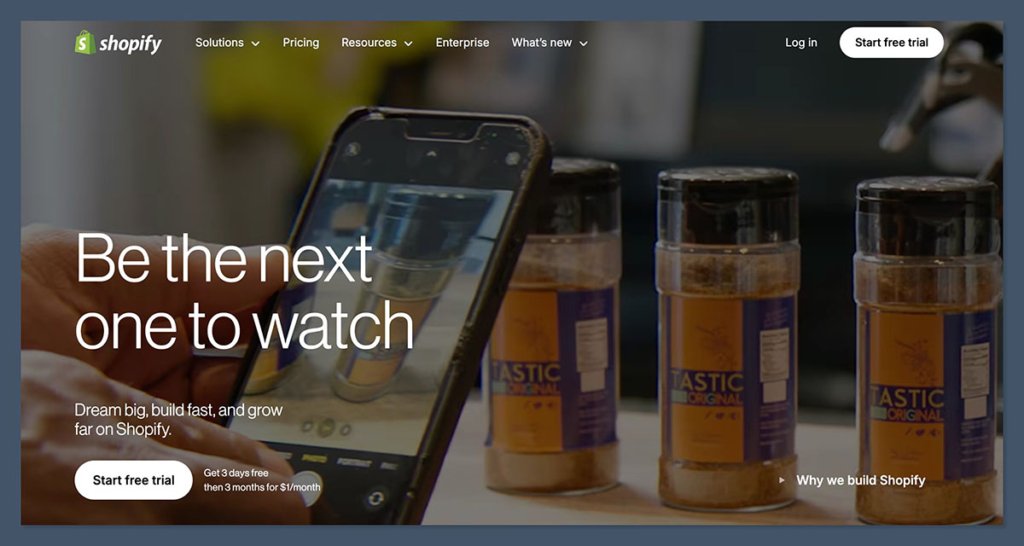
1. Shopify: The Gold Standard for Scalable Ecommerce
Shopify remains the industry titan, and for good reason. It provides a comprehensive ecosystem that grows alongside your business.
- Core Strengths: Unmatched app ecosystem, superior inventory management, and the newly integrated "Shopify Sidekick" AI, which acts as a virtual business strategist.
- Implications: By adopting Shopify, a merchant moves from a "shop" to an "omnichannel business." It handles everything from international tax compliance to abandoned cart recovery automatically.
- Best For: Ambitious creators and brands ready to transition from side-hustle to full-time enterprise.
2. Wix and Squarespace: The Aesthetic Powerhouses
For brands where visual identity is the primary selling point, Wix and Squarespace are the undisputed leaders.
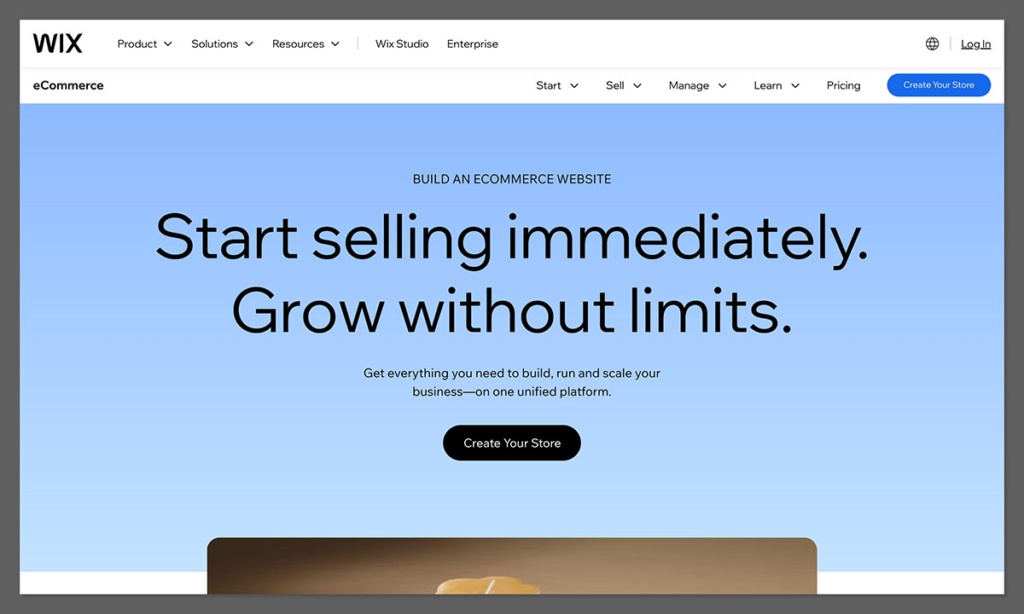
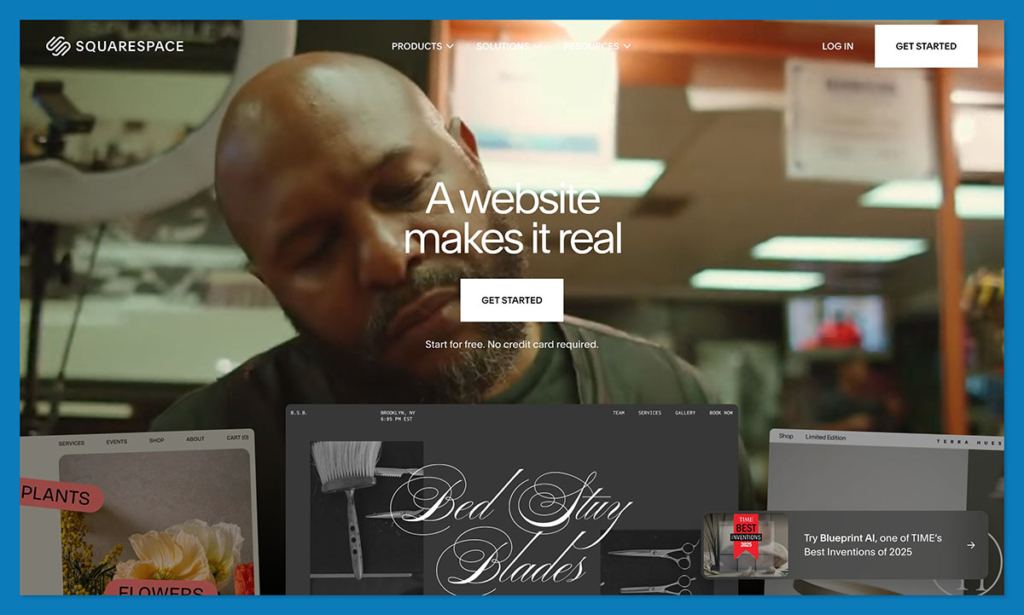
- Design Flexibility: Unlike Sellfy’s rigid templates, these platforms offer near-total control over layout. Squarespace’s "Blueprint" AI allows users to generate high-end, responsive site structures in minutes.
- Why they win: They bridge the gap between "portfolio" and "storefront." If you sell photography, high-end design assets, or boutique physical goods, the visual polish of these platforms builds immediate consumer trust.
3. The Creator-First Ecosystems: Podia, Gumroad, and Fourthwall
These platforms recognize that the "creator economy" requires different tools than a traditional retail store.
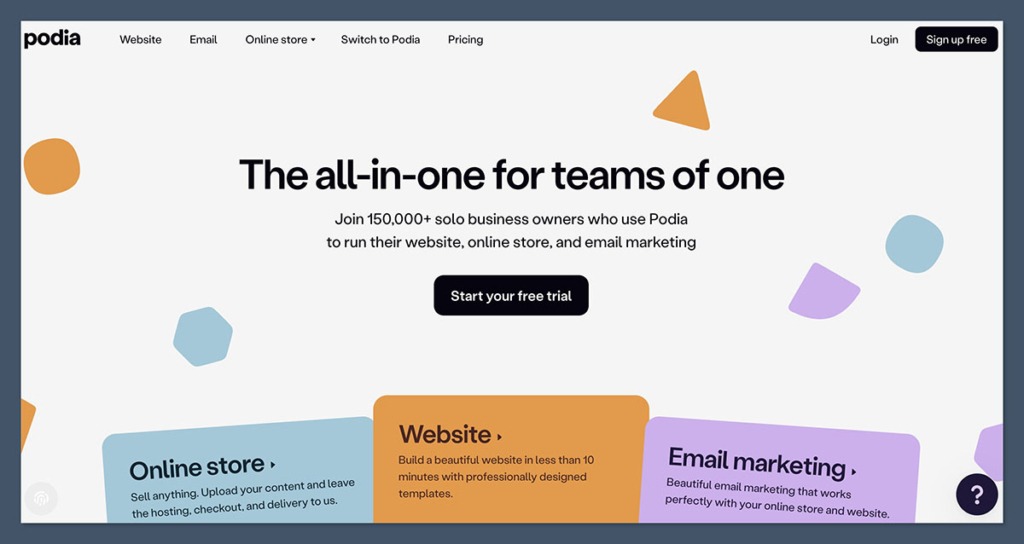
- Podia: A powerhouse for those selling knowledge products. It removes the need for separate email marketing software by building it directly into the course-selling experience.
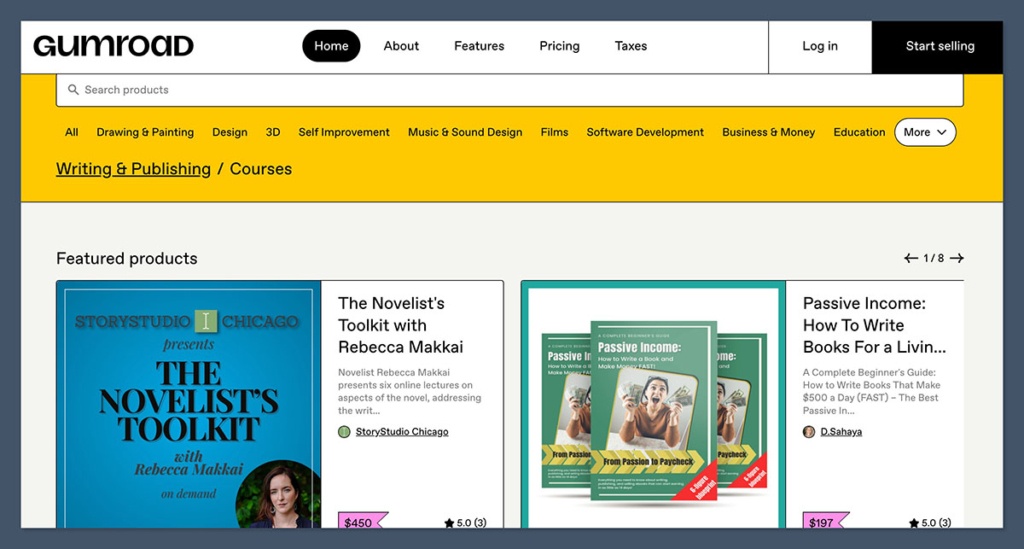
- Gumroad: The "fast-track" solution. It is ideal for creators who prioritize speed over branding. Its transaction-fee-based model means you don’t pay until you sell, making it the lowest-risk option for new product launches.
- Fourthwall: The new leader for content creators. By integrating directly with YouTube and Twitch, Fourthwall allows streamers to turn their audience into customers with one-click merch fulfillment.
Comparative Data: Choosing Your Platform
To help you navigate this transition, we have compiled the essential data points for the top-performing platforms in 2026.
| Platform | Starting Price | Best For |
|---|---|---|
| Shopify | $5 – $39/mo | Scalable Retail |
| Wix | $29/mo | Custom Design |
| Squarespace | $16 – $99/mo | Creative Brands |
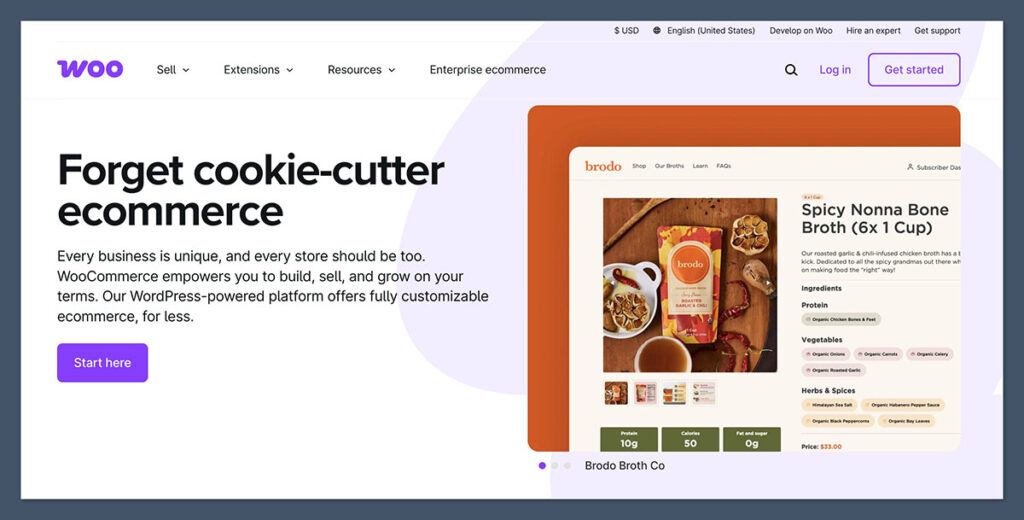
| WooCommerce | Free (+ Hosting) | SEO/WordPress Users |
| Podia | $39 – $89/mo | Courses & Memberships |
| Gumroad | 10% Fee | Rapid Digital Sales |
| Payhip | Free – $99/mo | Transparent Small Teams |
| Ko-fi | Free – $12/mo | Fan Tipping/Lightweight Shop |
| Fourthwall | Free – $19/mo | Creator Merch |
| Teachable | $39+/mo | Education-First |
| Big Cartel | Free – $30/mo | Small Artist Catalogs |
Chronology of the Shift: From Simple to Sophisticated
- The "Launch" Phase: New creators start on platforms like Gumroad or Big Cartel to test the waters with minimal overhead.
- The "Audience Building" Phase: Once an audience is established, creators move toward Podia or Teachable to offer tiered memberships and structured content.
- The "Scale" Phase: As revenue grows, the need for advanced SEO, global shipping, and custom APIs necessitates a migration to Shopify or WooCommerce.
Supporting Insights: The Role of AI in 2026
A major trend in 2026 is the integration of AI-assisted commerce. Platforms like Shopify are no longer just repositories for products; they are active partners. Their AI features can now draft SEO-optimized product descriptions, suggest pricing strategies based on competitor data, and even handle basic customer service inquiries through automated chat agents.
Conversely, platforms like WooCommerce rely on third-party AI plugins, which offer more control but require more technical maintenance. The implication for you as a user is simple: Do you want an AI that works for you out of the box, or do you want the ability to build your own AI-driven workflows?
Official Perspectives and Industry Trends
Industry analysts emphasize that "platform fatigue" is becoming a real issue for creators. Managing five different tools—one for courses, one for email, one for payments, one for merch, and one for hosting—is unsustainable.
The consensus in 2026 is a move toward consolidation. Even the "simple" platforms are adding features to become all-in-one solutions. When evaluating a move away from Sellfy, ask yourself: Does this new platform reduce my tech stack? If the answer is yes, you are likely making the right choice for your business’s long-term health.
Implications for Your Brand
When you decide to move, the implications go beyond just a new login.
- SEO Migration: Changing platforms can impact your organic search rankings. Ensure the new platform allows for 301 redirects for your old product URLs.
- Data Portability: Ensure you can export your customer lists and order history. Shopify and WooCommerce offer robust import/export tools, while smaller platforms can be more proprietary.
- Community Engagement: If your business relies on a community (like a Patreon or a Discord), look for platforms that integrate directly with these services.
Final Thoughts: Finding Your Strategic Fit
There is no "best" platform—only the platform that fits your current stage of growth. If you are a minimalist artist, Big Cartel or Ko-fi will provide all the functionality you need without the bloat. If you are a digital educator, Podia or Teachable will save you hours of administrative work. And if you are building a global brand, Shopify is the only logical choice.
The mistake most creators make is staying with a platform because of "sunk cost fallacy." If your current tool is preventing you from scaling, or if you find yourself paying for plugins to fix features that should be native, it is time to pivot. In 2026, the barrier to switching is lower than ever, and the cost of staying stagnant is higher than ever. Assess your goals, audit your current workflow, and choose the platform that allows you to stop worrying about the tech and start focusing on the creation.
 Dwi Wanna
  Lina Irawan
  Basiran