
 By Suro Senen

By Chloe West | Updated for 2026
For millions of aspiring digital creators, the ultimate dream is turning a passion for video production into a sustainable, full-time career. Yet, despite YouTube’s massive global footprint—where billions of hours of content are consumed daily—the mechanics of how creators actually get paid remain shrouded in mystery.

A common misconception among beginners is that YouTube operates on a flat-rate pay-per-view model, writing checks based purely on the number of total clicks a video accumulates. In reality, the platform’s financial engine is far more nuanced, tied directly to advertising exposure, audience demographics, and precise monetization metrics.
Understanding how YouTube calculates payouts, what factors influence earnings, and how to successfully navigate the YouTube Partner Program (YPP) is essential for anyone looking to transition from a casual uploader to a professional content entrepreneur.

Main Facts: The Core Mechanics of YouTube Payouts
To understand YouTube earnings, one must first dismantle the myth of the "pay-per-view" system. YouTube does not pay creators for raw video views; instead, it pays creators for ad views.
If a video accumulates one million views but features no ads—whether due to a lack of monetization approval, advertiser-unfriendly content, or viewer ad-blockers—the creator generates zero revenue from those streams. Conversely, if a video features multiple mid-roll advertisements that viewers watch through to completion, a creator can actually accrue more ad views than total video views.
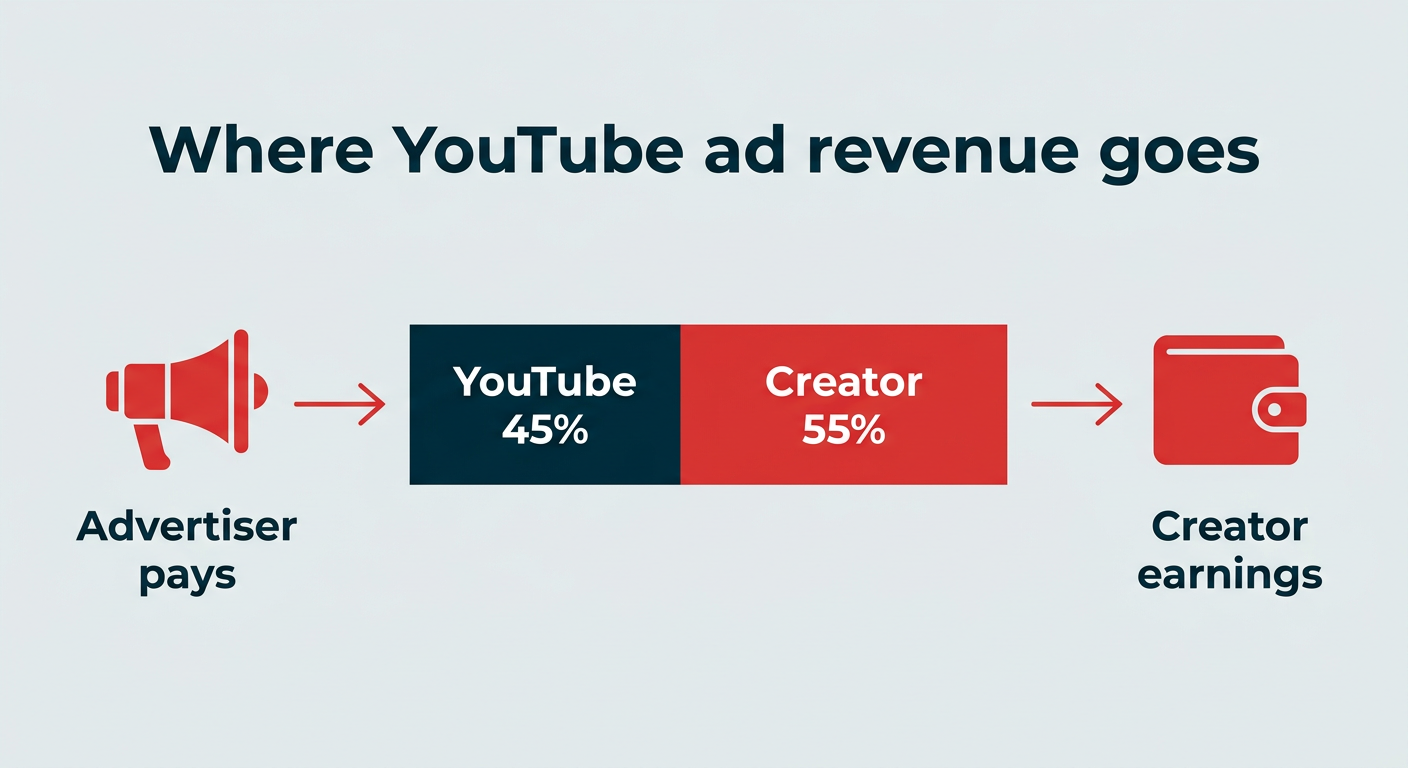
The financial arrangement is a revenue-sharing model between Google and the creator:
- The Split: YouTube retains 45% of advertising revenue to cover platform maintenance, hosting, and operational costs, while the creator pockets the remaining 55%.
- The Scale: Underpinning this model, YouTube has distributed over $100 billion to creators, artists, and media companies since 2021.
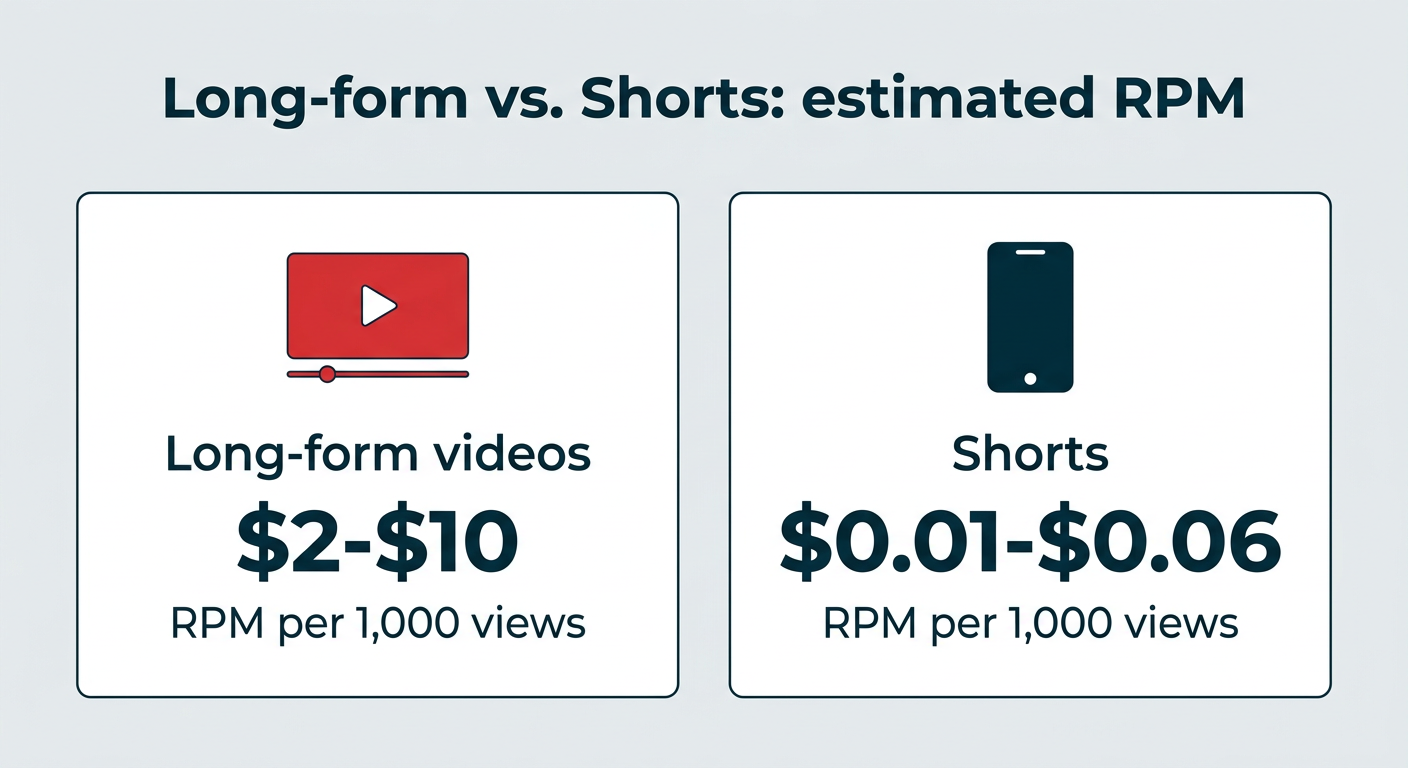
- The Reality Check: In 2026, creators typically earn an estimated $5 to $15 per 1,000 ad views for long-form content. Because not every video view triggers an ad, actual take-home earnings per total video view generally land lower, translating to an estimated RPM (Revenue Per Mille) of $2 to $10.
Chronology: The Evolution of YouTube’s Monetization Landscape
The journey from YouTube’s early days of experimental ad programs to the sophisticated multi-tiered creator economy of 2026 reflects a continuous effort to reward diverse content formats.
- 2007–2010s (The Pioneer Era): YouTube introduced the early iterations of the YouTube Partner Program, initially inviting only a select group of high-performing creators. Monetization was rudimentary, relying primarily on basic banner ads and pre-roll video insertions.
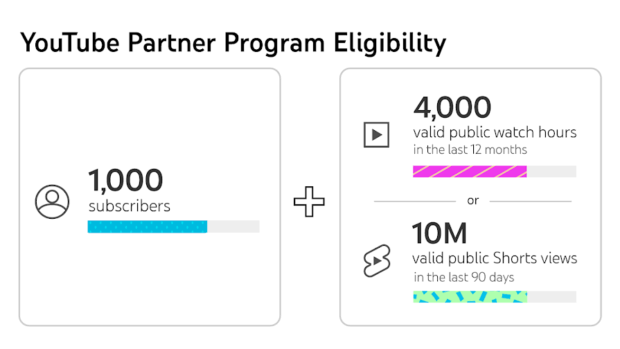
- Late 2010s (The Threshold Era): As platform abuse and low-quality spam grew, YouTube implemented stricter eligibility barriers. In 2018, the platform solidified the baseline requirements for the YPP: 1,000 subscribers and 4,000 watch hours over a 12-month period, ensuring creators met baseline thresholds of audience engagement and content quality.
- 2023–2025 (The Shorts Revolution): Recognizing the meteoric rise of short-form video in response to competing platforms, YouTube overhauled its monetization structure. The platform introduced a dedicated monetization path for YouTube Shorts, allowing creators to earn a share of a pooled ad revenue fund based on their percentage of total feed views, backed by a lower subscriber requirement and a massive 10-million-view threshold over 90 days.
- 2026 (The Mature Creator Economy): Today, monetization is a sophisticated science. Creators utilize granular data points inside YouTube Studio—such as CPM, RPM, and CPC—to strategically optimize video length, niche selection, and ad placements, transforming hobbyist channels into robust media businesses.
Supporting Data: Understanding CPM, RPM, and CPC
The gap between what advertisers spend and what actually lands in a creator’s bank account is defined by three critical financial metrics. Mixing them up is the fastest way to miscalculate channel profitability.
| Metric | What it Measures | Who it Describes | Where You See It |
|---|---|---|---|
| CPM (Cost Per Mille) | What advertisers pay per 1,000 ad impressions | The advertiser’s cost | YouTube Studio ("CPM") |
| RPM (Revenue Per Mille) | What you earn per 1,000 video views after YouTube’s cut | Your take-home revenue | YouTube Studio ("RPM") |
| CPC (Cost Per Click) | What advertisers pay when someone clicks an ad | The advertiser’s cost | Reflected in estimated revenue |
Estimated Earnings Breakdown
Based on industry benchmarks showing an average ad view rate of 50% to 65%, estimated earnings across common view milestones scale as follows:
- 1,000 Views: 500–650 ad views = $2.50 – $9.75
- 10,000 Views: 5,000–6,500 ad views = $25 – $97.50
- 50,000 Views: 25,000–32,500 ad views = $125 – $487.50
- 100,000 Views: 50,000–65,000 ad views = $250 – $975
- 500,000 Views: 250,000–325,000 ad views = $1,250 – $4,875
- 1,000,000 Views: 500,000–650,000 ad views = $2,500 – $9,750
Note: These figures are industry estimates. Actual payouts fluctuate based on content niche, geographic audience location, ad formats, and seasonality.
Official Requirements: Entering the YouTube Partner Program (YPP)
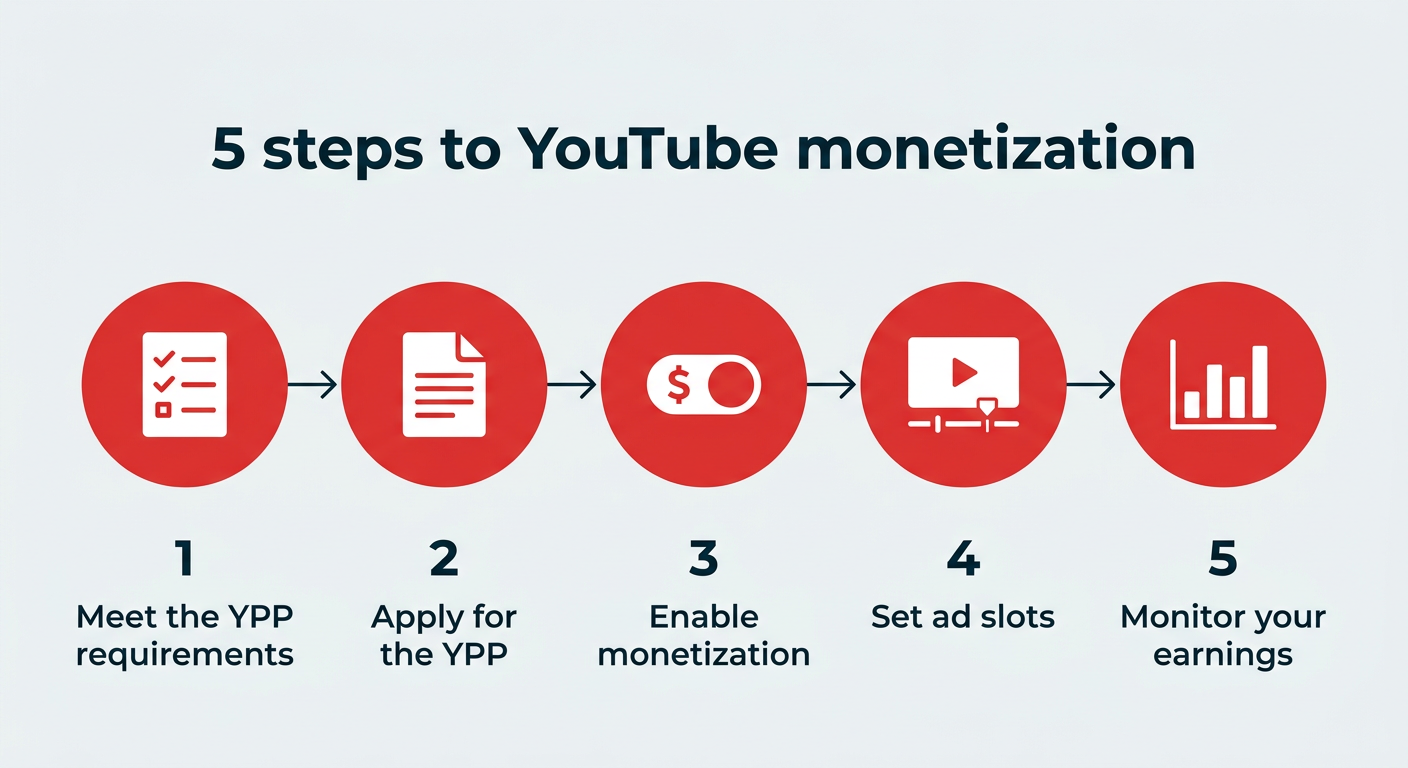
To legally receive a share of ad revenue, creators must apply and be accepted into the YouTube Partner Program.
General Account Prerequisties
- Comply with all YouTube channel monetization policies.
- Live in a country or region where the YPP is available.
- Have no active Community Guidelines strikes on your channel.
- Ensure 2-Step Verification is enabled on your Google Account.
- Have an active Google AdSense account linked to your channel.
Eligibility Pathways
Creators can qualify for the YPP via one of two distinct pathways:
- The Long-Form Path: 1,000 subscribers AND 4,000 qualified public watch hours within the past 12 months.
- The Shorts Path: 1,000 subscribers AND 10 million qualified public Shorts views within the past 90 days.
Key Factors Impacting YouTube Earnings Per View
Not all views are created equal. Several variables dictate why two creators with identical view counts can experience wildly different payouts:

- Content Niche: Highly specialized niches with high-value products or services (such as personal finance, software, and business development) command much higher CPMs than general entertainment, vlogs, or gaming.
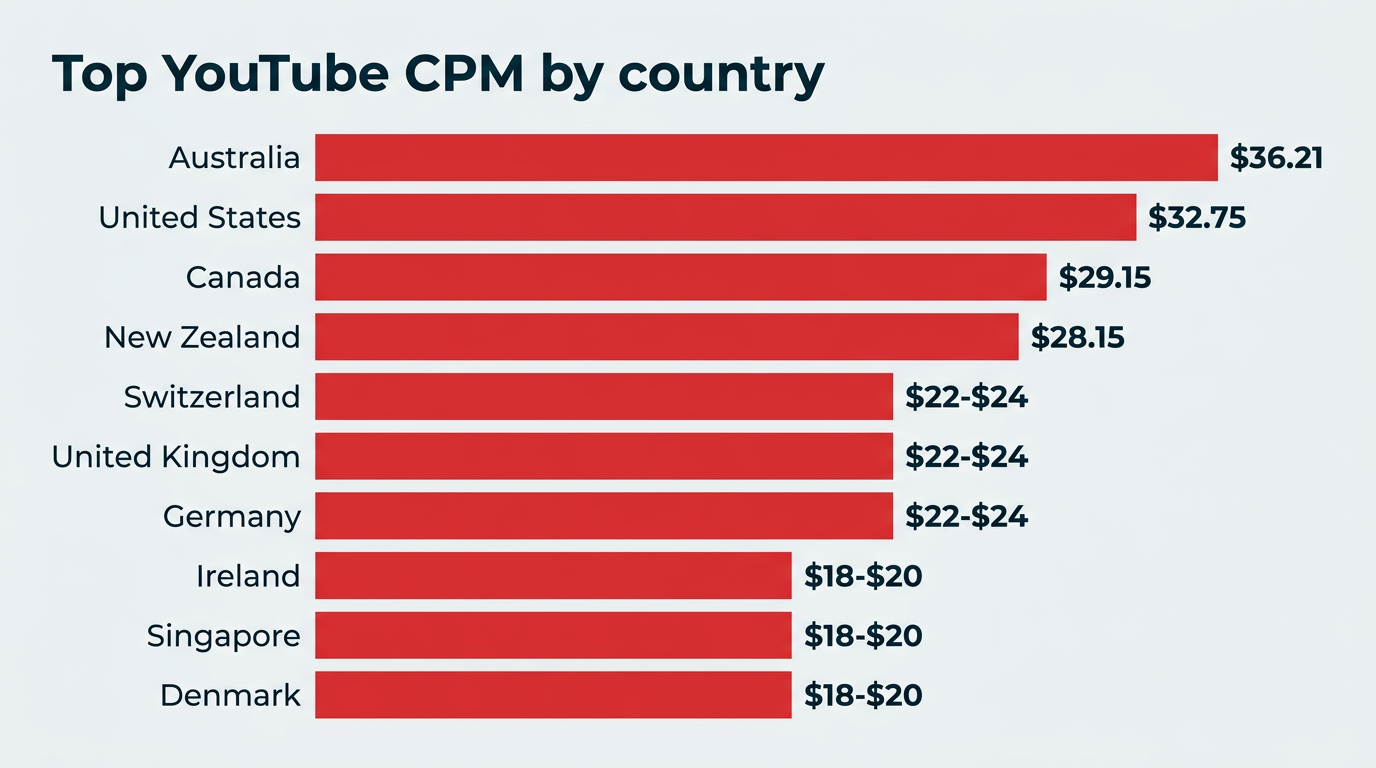
- Audience Location: Advertisers pay premium rates for audiences in wealthier economies. Countries like Australia, the United States, Canada, and New Zealand consistently boast the highest average CPMs globally.
- Video Length & Mid-Rolls: Videos exceeding 8 minutes allow creators to manually place mid-roll ad breaks, multiplying revenue opportunities per viewing session.
- Seasonal Trends: Advertising budgets peak significantly in the fourth quarter (Q4) surrounding holiday shopping periods, causing RPMs to climb between October and December before dropping sharply in January.
- View Exceptions: Certain views yield no revenue, including those from viewers using ad-blockers, non-monetized playback environments, or unapproved embedded third-party players.
Implications: Building a Sustainable Media Business
While a viral video with one million views can net a respectable windfall between $2,500 and $9,750, relying exclusively on ad revenue can be volatile. Month-to-month fluctuations caused by Q4 advertising surges and January slumps mean professional creators must treat ad revenue as just one pillar of a broader financial strategy.
To maximize income, successful creators diversify their revenue streams by integrating:
- Brand Sponsorships and Partnerships: Direct corporate collaborations that pay flat fees for product integrations.
- Affiliate Marketing: Earning commissions by recommending software, gear, or services in video descriptions.
- Merchandise and Digital Products: Selling physical goods, e-books, courses, or exclusive community memberships.
- Fan Funding: Utilizing YouTube features like Super Chats, Super Stickers, Super Thanks, and Channel Memberships during live streams and regular uploads.
Ultimately, mastering YouTube monetization requires balancing algorithmic optimization—such as targeting profitable niches, extending watch times, and structuring long-form content—with entrepreneurial diversification. By treating a channel not merely as a video repository, but as a multifaceted digital media business, creators can turn fleeting view counts into enduring financial success.
 Neng Nana
 Ammar Sabilarrohman
 Jia Lissa
