
 By Laily UPN
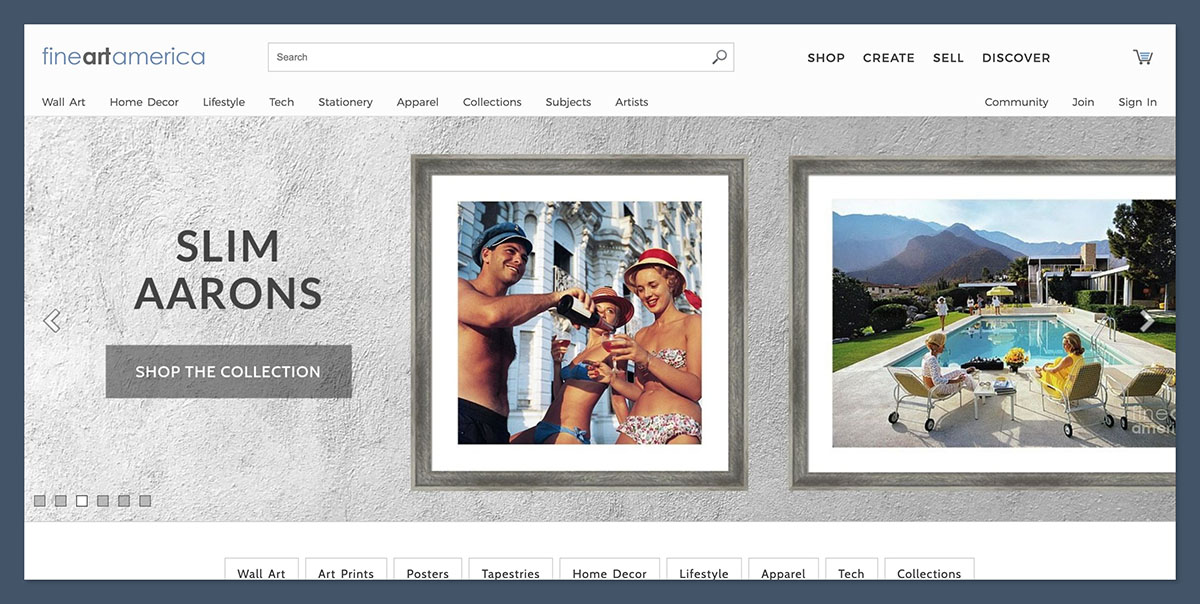
In the expansive landscape of print-on-demand (POD) platforms, few names carry as much weight as Fine Art America (FAA). As the largest dedicated marketplace for fine art, photography, and illustration, it has served as a digital gallery for hundreds of thousands of artists. However, in an era where independent creators are increasingly shifting toward "owned" audiences and white-label branding, the relevance and utility of a marketplace-heavy platform like Fine Art America have come under closer scrutiny.
After spending dozens of hours stress-testing the platform—from account registration and image ingestion to order fulfillment and customer support interactions—this review provides a comprehensive analysis of whether Fine Art America remains a viable pillar for your creative business in 2026.
Main Facts: What Defines Fine Art America?
Fine Art America is not a website builder in the vein of Shopify or Squarespace; it is a print-on-demand marketplace. Its core value proposition is the marriage of high-quality, in-house production with a massive, pre-existing audience of art buyers.
Unlike platforms like Redbubble or Society6, which dictate commission percentages, Fine Art America operates on a "markup-first" model. Artists set their own prices above a base manufacturing cost, retaining 100% of the margin. With a global network of 14–16 manufacturing facilities, the platform maintains tight control over the quality of its output—a critical differentiator for photographers and fine artists who demand color accuracy and archival-grade materials.
Chronology of a Platform: From Niche to Necessity
Founded with the intent of bridging the gap between digital photography and physical art sales, Fine Art America evolved rapidly through the early 2010s.
- The Early Years: The platform established itself as a hub for photographers, focusing on high-end prints (metal, acrylic, canvas).
- The Expansion Phase: As the POD trend exploded, FAA expanded its catalog to include "lifestyle" merchandise—totes, apparel, and home decor—to compete with the likes of Society6.
- The Modern Era (2024–2026): Faced with increased competition from independent, brand-centric POD platforms, Fine Art America has seen a slight decline in market share. Current data indicates a move toward a more curated marketplace approach to combat the saturation of its 700,000+ artist base.
Supporting Data: By the Numbers
To understand the health of the platform, we analyzed performance metrics and market trends as of early 2026.
| Metric | 2026 Performance Data |
|---|---|
| Estimated Annual Revenue | ~$144.8 Million |
| Monthly Sessions (March 2026) | 3.3 Million |
| Average Order Value (AOV) | $100–$125 |
| Conversion Rate | 2.50%–3.00% |
| Global Site Rank (US) | #5,884 |
The high AOV, compared to the $50–$75 range seen at Redbubble, highlights the platform’s strength: its buyers are specifically looking for wall art, not just $20 stickers or basic t-shirts. However, the projected 5–10% year-over-year revenue decline suggests that the platform is currently fighting a battle against the "decentralization" of e-commerce, where artists prefer to build their own shops on Shopify.
The User Experience: A Technical Walkthrough
Onboarding and Dashboard
Signing up for a free Standard account is frictionless. The dashboard is functional but undeniably "old school." For artists accustomed to the sleek, AI-assisted interfaces of modern SaaS platforms, the Fine Art America back-end can feel cluttered. However, it is built for efficiency; once you learn where the "Behind the Scenes" settings are hidden, managing thousands of images becomes manageable.
The Upload Workflow
The workflow is where FAA excels. Upon uploading a high-resolution file, the platform automatically generates mockups for the entire product catalog. You can apply global markups to ensure consistent profit margins across your entire portfolio, or you can granularly adjust pricing for specific premium pieces. This is a massive time-saver for artists with large collections.
Pricing: The Cost of Doing Business
Fine Art America maintains a binary pricing structure:
- Standard Account (Free): Ideal for testing. It allows up to 25 image uploads. While the limit is restrictive, it is sufficient to determine if your specific artistic niche resonates with the platform’s audience.
- Premium Account ($30/year): This is the industry "gold standard" for value. For less than the cost of a single subscription to many other platforms, you get unlimited uploads, white-label website hosting, and the ability to embed a shopping cart on your own external domain.
The "Hidden" Costs: The real cost isn’t the membership fee; it’s the marketing effort. Because of the sheer density of artists, relying on the platform’s internal search engine is a recipe for stagnation. Success requires an active external marketing funnel (Instagram, Pinterest, or your own blog) directed toward your FAA storefront.
Official Responses and Reputational Concerns
In recent years, the platform has faced criticism regarding its artist support. Our research into community sentiment across Reddit and artist forums reveals a recurring narrative:
- Support Lag: Artists frequently report slow response times when dealing with account-level issues or complex disputes.
- Arbitrary Policy Shifts: Some users have voiced concerns regarding the platform’s control over the "customer relationship." Because Fine Art America manages the transaction and the customer data, artists often feel disconnected from their own buyers.
Company Perspective: When queried on these concerns, Fine Art America maintains that its primary focus remains on fulfillment excellence. They emphasize that their 30-day, no-questions-asked return policy is a major factor in driving high consumer trust, which ultimately leads to more repeat sales for the artists themselves. They argue that by handling the heavy lifting of customer service and returns, they allow artists to focus solely on content creation.
Implications: Should You Build Your Business Here?
Who is this for?
Fine Art America is the ideal "fulfillment engine" for:
- Serious Photographers: Who want to sell archival-quality prints without managing a printer or a shipping warehouse.
- The "Hybrid" Artist: Someone who wants to maintain a professional website (via the embed widget) but outsource the production and logistics.
- Low-Overhead Entrepreneurs: Artists who want to test market demand without recurring monthly software fees.
Where it falls short
The platform is not recommended if your goal is to:
- Build a Brand: You cannot easily customize the design, font, or layout of your storefront. You are essentially renting space in a massive gallery.
- Own Customer Data: You do not get access to customer email lists for your own marketing efforts, which limits your ability to retarget buyers independently.
- Receive Fast Payouts: The 30-day wait period, while standard for the industry to account for returns, can be a major friction point for artists who rely on cash flow for their daily business operations.
Conclusion: Final Verdict
Fine Art America remains a titan of the print-on-demand space, not because it is the "coolest" or most modern platform, but because it is the most consistent. For the artist who prioritizes print quality and pricing flexibility above brand customization, it is a formidable tool.
If you are just starting, the free account offers a zero-risk opportunity to test your work. If you find your niche, the $30 annual Premium upgrade is arguably the best value in the industry. However, do not mistake it for a complete business solution. To truly thrive, treat Fine Art America as one part of a diversified strategy—a high-quality production partner that frees you up to spend your time where it matters most: creating art.
Quick Summary Checklist
- Ease of Use: 7/10 (Functional but dated)
- Print Quality: 9/10 (Industry-leading)
- Profit Control: 10/10 (Full markup control)
- Discoverability: 5/10 (Highly competitive)
- Overall Rating: 4.2/5
While the platform faces headwinds due to changing consumer habits and the rise of Shopify-based stores, it continues to prove that for the right artist, it is not just a marketplace—it is a foundation for a professional, scalable, and sustainable print-on-demand business.
 Dwi Wanna
  Lina Irawan
  Basiran