
 By Nila Kartika Wati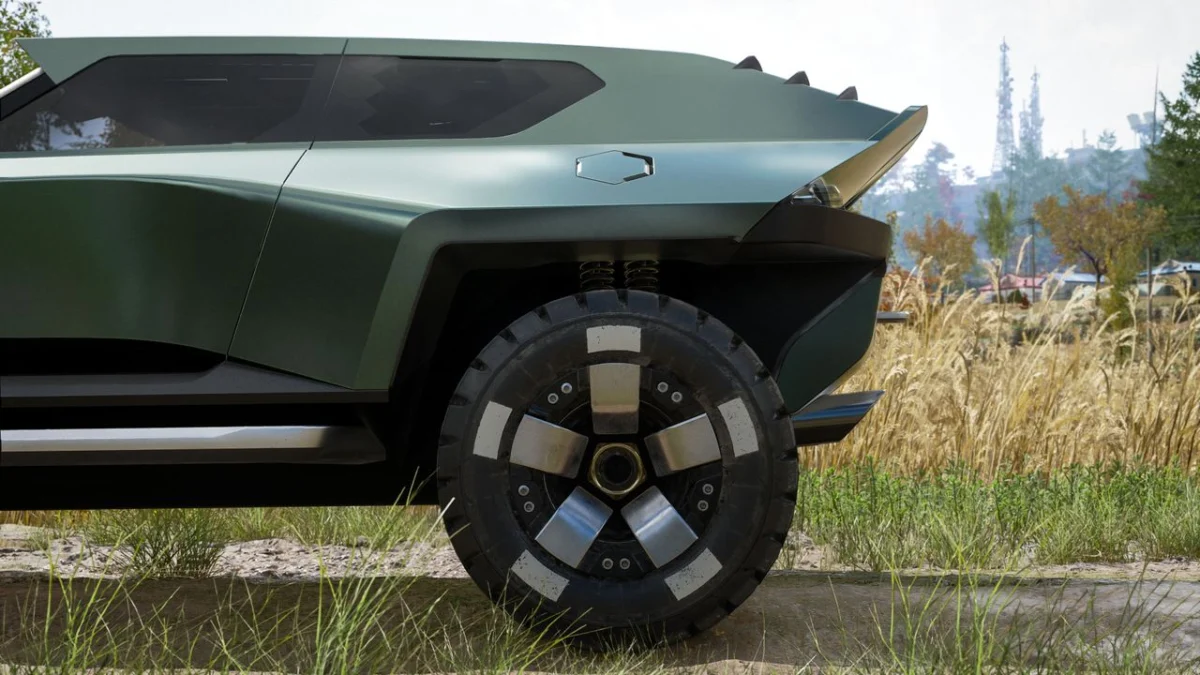
London, UK – October 16, 2024 – In a striking departure from traditional automotive showcases, Aston Martin has unveiled its latest creation, the "Dreadnought" SUV, not on a global auto show stage, but within the hyper-realistic battlegrounds of Call of Duty: Modern Warfare 4. This aggressive, angular, and undeniably imposing vehicle represents a bold new frontier for luxury brands exploring the burgeoning metaverse, offering a glimpse into a design philosophy unshackled by real-world manufacturing constraints and regulatory demands. The catch? You can’t buy it, test drive it, or even spot it outside a five-star hotel. The Dreadnought exists purely as a digital asset, a formidable war machine designed to navigate the virtual landscapes of one of the world’s most popular video game franchises.
The reveal has ignited conversations across both the automotive and gaming industries, posing critical questions about brand evolution, creative freedom, and the increasing convergence of digital and physical design realms. Despite its fantastical nature and military-grade specifications, Aston Martin asserts the Dreadnought is "unmistakably Aston Martin," a testament to the meticulous design process that aimed to imbue a fictional entity with the authentic DNA of an iconic luxury marque.
The Genesis of a Digital Icon: Unveiling the Dreadnought
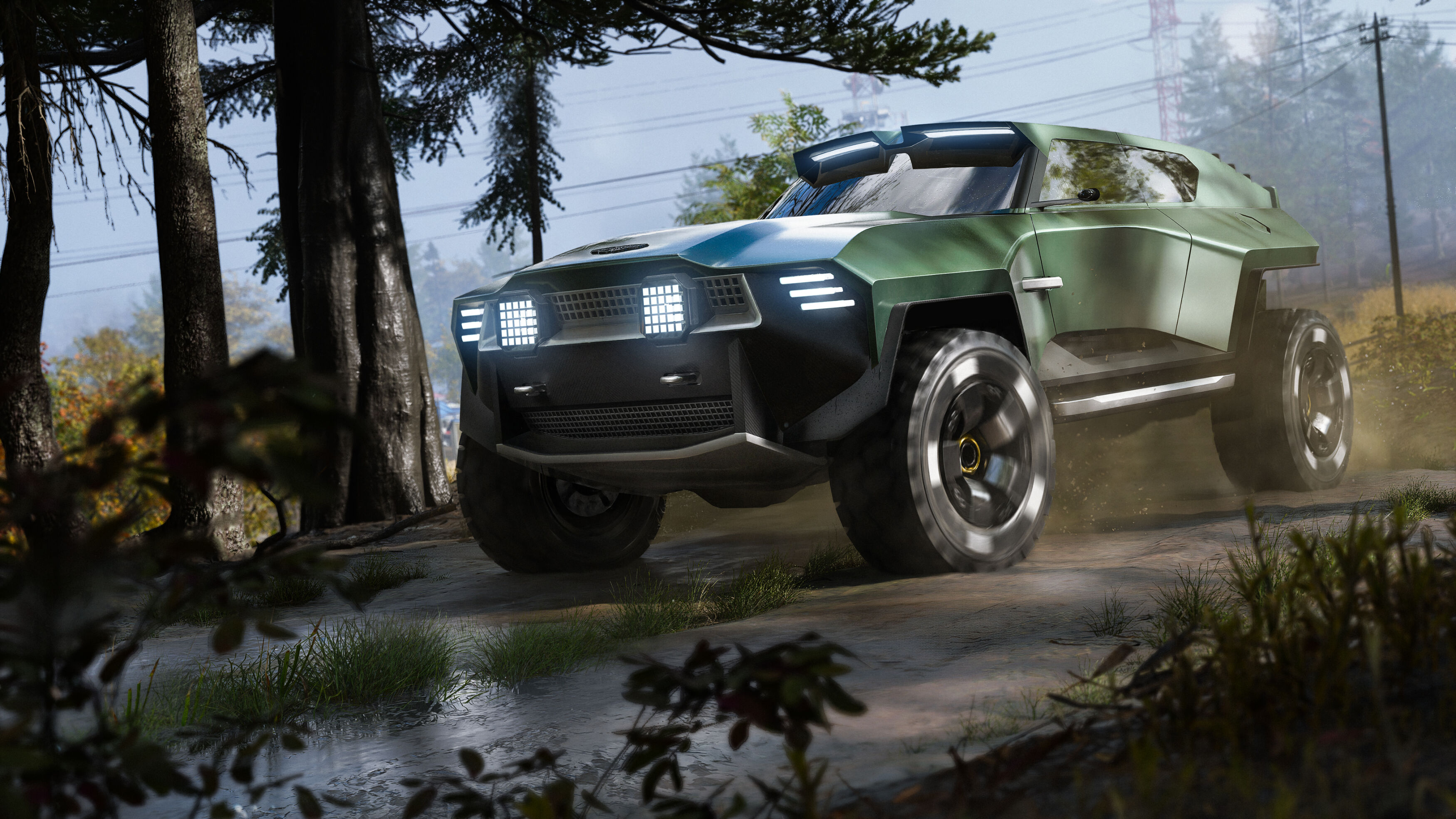
Aston Martin’s Dreadnought SUV burst onto the scene with a design ethos that pushes the boundaries of the brand’s aesthetic further than ever before. Characterized by its "aggressive panels, huge LEDs, and harsh angles," the vehicle projects an almost dystopian elegance, a stark contrast to the refined curves and sophisticated lines typically associated with the British automaker. This extreme evolution of design rivals, and arguably surpasses, the audacious Type 00 concept introduced by Jaguar in 007 First Light for sheer visual impact and brand reinterpretation.
The decision to debut such a radical concept exclusively within a video game is a calculated move, leveraging the immense reach and engagement of the gaming community. Call of Duty: Modern Warfare 4, a titan in the first-person shooter genre, offers a vast and diverse audience, many of whom may not typically engage with traditional luxury car marketing. By placing the Dreadnought in this context, Aston Martin not only generates significant buzz but also positions itself as a forward-thinking brand unafraid to innovate beyond conventional industry practices.
From a purely design perspective, the virtual medium provides an unparalleled sandbox. Freed from the exigencies of crash tests, emissions regulations, and the economics of mass production, Aston Martin’s design team was granted unprecedented creative latitude. They could explore forms, materials, and functionalities that would be impossible or prohibitively expensive in the physical world. The result is a vehicle that embodies pure, unadulterated power and presence, a digital dream machine perfectly suited to the high-stakes, action-packed environments of Call of Duty. This digital genesis allows for an immediate and visceral connection with the vehicle, albeit one experienced through a screen, fostering a new kind of aspirational engagement.
The Art of Virtual Authenticity: Designing an "Unmistakably Aston Martin" Phantom
The true genius behind the Dreadnought lies not just in its aggressive aesthetics, but in Aston Martin’s unwavering commitment to maintaining its core brand identity within an entirely fictional construct. According to Chief Creative Officer Marek Reichman, the design team approached the Dreadnought as if it were a genuine, physical machine. This wasn’t merely a superficial exercise in adding "gamesy stuff" to an existing design; it was a deep dive into hypothetical functionality and real-world scenarios.
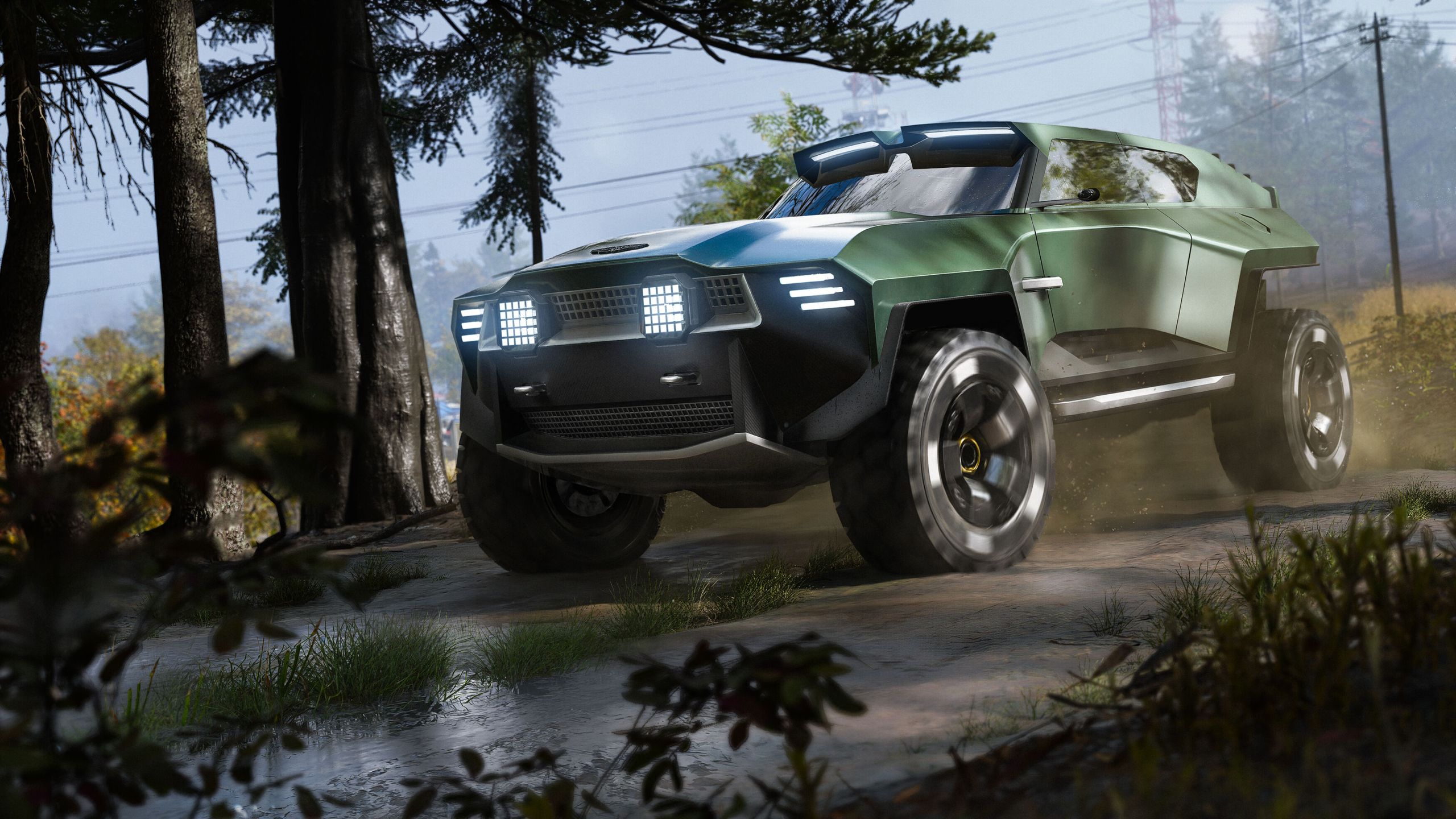
Reichman’s statement highlights a critical aspect of believable fictional world-building: "imagining it driving through New York, tackling Mumbai’s monsoon-soaked roads and behaving like a genuine Aston Martin before it ever became a digital asset." This imaginative leap grounded the design in a tangible reality, however simulated. Designers considered how the vehicle would handle different terrains, respond to various climates, and endure the rigors of an extreme operational environment. This thought process informed every panel, every angle, and every detail, ensuring that even in its most exaggerated form, the Dreadnought would still feel intrinsically linked to the Aston Martin lineage of performance, luxury, and meticulous engineering.
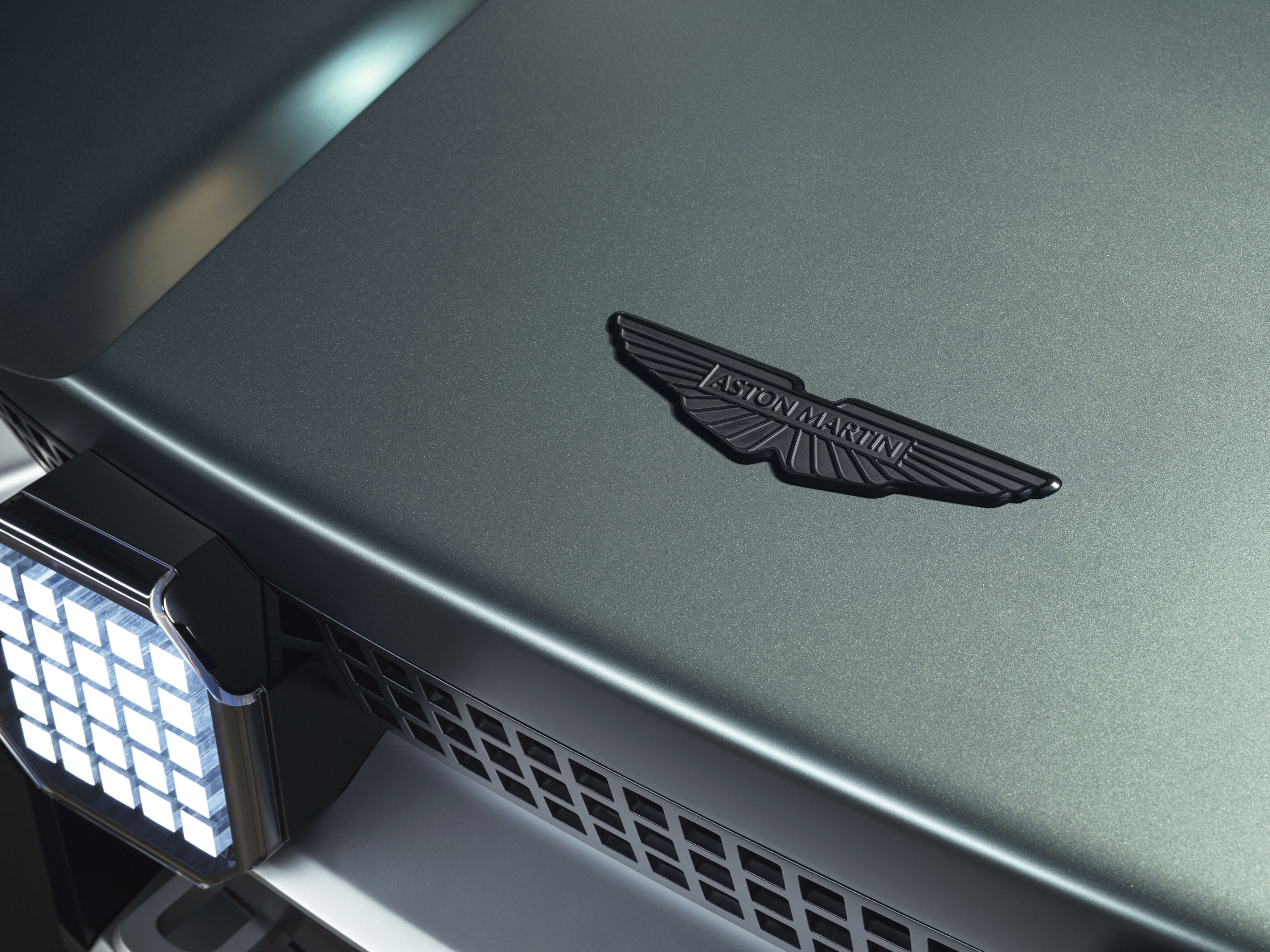
The incorporation of specific Aston Martin brand DNA into the Dreadnought’s virtual interior and exterior further cements its authenticity. Despite its role as an armored SUV for combat, the vehicle boasts the brand’s signature Chiltern Green paint, a sophisticated hue that evokes heritage and prestige. Inside, the cabin features Oxford Tan leather, offering a luxurious contrast to the vehicle’s rugged exterior. Carbon fibre detailing, synonymous with high-performance automotive design, is integrated alongside satin gold finishes, adding a touch of opulent refinement. These elements, meticulously rendered within the game engine, ensure that players are not just interacting with a generic armored vehicle, but with an Aston Martin – albeit one built for a different kind of road.
Even the auditory experience was crafted with precision. Aston Martin deliberately endowed the Dreadnought with "the roar of a V12 engine." This seemingly minor detail is profoundly significant. The distinctive sound of an Aston Martin engine is an integral part of its identity, a symphony of power and prestige that signals its arrival. By replicating this iconic sound in the virtual realm, the designers ensured that the Dreadnought would announce its presence with the unmistakable auditory signature of its real-world brethren, further blurring the lines between the virtual and the tangible. This attention to multi-sensory detail exemplifies the depth of the project, elevating it beyond a simple digital model to a fully realized brand experience.
The challenge was to merge the fantastical requirements of a military vehicle – "military-grade armour and a weapons storage compartment" – with the inherent elegance and sporting prowess of an Aston Martin. This required a delicate balance: integrating aggressive functionality without sacrificing the brand’s sophisticated aesthetic. The resulting design showcases a masterful blend of form and function, where the harsh angles and robust construction are not merely decorative but suggest purposeful engineering, even if only in a digital context. This innovative approach to design, driven by a commitment to brand authenticity, is what truly sets the Dreadnought apart.
Beyond Reality: Gaming as the New Automotive Design Canvas
Aston Martin’s venture into the virtual world with the Dreadnought is not an isolated incident but rather a prominent example of a growing trend: luxury brands leveraging video games as innovative design playgrounds and powerful marketing platforms. This phenomenon signals a significant shift in how brands engage with audiences and explore future design possibilities.
One of the most notable precedents for this trend is Gran Turismo’s "Vision Gran Turismo" project. Launched years ago, this initiative invited real-world automotive manufacturers to design concept cars specifically for the game. These vehicles, often wildly futuristic and unconstrained by production realities, allowed designers to push creative boundaries and showcase their brand’s vision for the future of mobility. Brands like Mercedes-Benz, Bugatti, and Mazda have all contributed stunning concepts to this series, demonstrating the potential of the gaming environment as a legitimate space for design innovation and fan engagement. These concepts served as digital prototypes, gauging public reaction and inspiring future design directions.
More recently, Jaguar introduced its controversial Type 00 concept through 007 First Light, a tie-in with the James Bond universe. This move provided a dramatic new context for Jaguar’s evolving design language, allowing the brand to showcase a more aggressive and modern aesthetic within a narrative that resonates with its legacy of performance and intrigue. The Type 00, like the Dreadnought, benefited from the virtual environment by being presented in a dynamic, action-oriented setting that would be impossible or prohibitively expensive to replicate in a real-world marketing campaign. It offered a glimpse into a potential future for Jaguar, free from the constraints of existing product lines.
However, Aston Martin has taken a distinct route from these predecessors. While Gran Turismo concepts are often speculative visions of the future, and Jaguar’s Type 00 adapted a new design language, Aston Martin has "created something entirely new for one" specific game. This distinction is crucial. Instead of bringing an existing concept into a game or reinterpreting an established design, the Dreadnought was conceived from the ground up to exist within the Call of Duty universe. This approach grants designers unparalleled creative freedom, allowing them to fully embrace the narrative and functional demands of the game without having to retrofit an existing vision.
The implications of this strategy are profound. The game engine effectively becomes another concept studio, a dynamic environment where designers can iterate rapidly, test radical ideas, and visualize complex functionalities that would never survive a traditional production meeting, let alone a physical crash test. This virtual studio offers significant advantages:
- Cost-Effectiveness: Developing digital models is substantially cheaper and faster than building physical prototypes.
- Creative Freedom: Designers are not limited by material properties, manufacturing processes, or safety regulations.
- Rapid Iteration: Changes can be implemented and visualized instantly, accelerating the design cycle.
- Dynamic Presentation: Concepts can be showcased in action, in diverse environments, and under various conditions, providing a more immersive experience than static renders or models.
For Aston Martin, this venture serves multiple strategic purposes. It allows them to:
- Expand Reach to New Demographics: Engaging with the vast and often younger gaming audience introduces the brand to potential future customers who may not be exposed to traditional luxury marketing channels.
- Reinforce Brand Values: Even in a fictional context, the Dreadnought embodies Aston Martin’s core values of power, precision, and distinctive design, demonstrating the brand’s adaptability and forward-thinking nature.
- Showcase Design Prowess: It highlights the creative talent within Aston Martin, proving their ability to innovate and reinterpret their design language in extreme and unexpected ways.
- Generate Aspiration: The exclusivity and extreme nature of the Dreadnought create a new form of aspirational content, captivating imaginations and fostering a deeper emotional connection with the brand.
The Dreadnought is not just a digital car; it’s a statement. It proves that despite complete creative freedom in the virtual realm, Aston Martin has not abandoned the fundamental elements that make its cars instantly recognizable and deeply desirable. The design integrity, the adherence to core brand principles, and the meticulous attention to detail all combine to ensure that even a fictional armored SUV remains unmistakably an Aston Martin.
The Future of Automotive Design and Digital Showcases
The Aston Martin Dreadnought’s debut in Call of Duty: Modern Warfare 4 signifies a critical juncture in the automotive industry’s relationship with digital entertainment. It underscores a burgeoning trend where the lines between physical product design and virtual experience are increasingly blurring, hinting at a future where the metaverse plays a pivotal role in brand building, product development, and consumer engagement.
This phenomenon opens up exciting avenues for the automotive industry. Imagine concept cars being test-driven by millions of gamers before a single physical prototype is ever built, providing invaluable feedback and market intelligence. Virtual vehicles could become fully customizable assets within games, allowing players to personalize their experience while fostering brand loyalty and driving digital sales of accessories or unique liveries. The financial implications are also considerable, with the potential for new revenue streams through in-game purchases and strategic brand partnerships.
Beyond marketing, this trend offers a fertile ground for pure design innovation. Designers are no longer constrained by the laws of physics or the limitations of manufacturing processes. They can truly let their imaginations run wild, exploring forms, materials, and technologies that might inspire future real-world applications. The Dreadnought, with its military-grade armor and V12 roar, serves as a powerful example of how a brand can push its aesthetic to the absolute extreme while still retaining its inherent identity. It suggests that even the most outrageous concepts can be imbued with a sense of believability and purpose when crafted with a deep understanding of brand heritage and design principles.
Ultimately, the Aston Martin Dreadnought is more than just a digital SUV; it is a harbinger of things to come. It challenges traditional notions of what constitutes a "vehicle" and how luxury brands can evolve in an increasingly digital world. It is a powerful demonstration of creative freedom without abandonment of identity, showing that even in the most fantastical of settings, the essence of a brand can not only survive but thrive.
Drive the Dreadnought in Call of Duty: Modern Warfare 4, releasing for Xbox Series X/S, PlayStation 5, and PC on October 23, 2024.
 Evan Lee Salim
  Nana
Nana  Ammar Sabilarrohman