
 By Jia Lissa
In the modern era of entrepreneurship, the "side hustle" has evolved from a hobby into a sophisticated engine of commerce. Yet, the bridge between a simple frustration and a scalable business is often paved with technical hurdles that can derail even the most promising ventures. Lily, a professional working in the high-stakes world of electric vehicle (EV) infrastructure, discovered that her biggest obstacle wasn’t in the boardroom—it was in her living room, attached to her three dogs.
Her journey from a frustrated pet owner to the founder of a viral clothing brand offers a masterclass in efficiency, proving that with the right tools and a lean operational strategy, a full-time career and a thriving startup can not only coexist but fuel one another.
The Genesis of a Problem: Engineering a Solution
The spark for Lily’s brand did not come from a fashion trend or a desire to disrupt the apparel industry; it was born out of sheer, daily necessity. Balancing a demanding Monday-to-Friday schedule in the EV sector, Lily found her professional wardrobe under constant assault from pet fur.
"I have three dogs, and I was always just covered in fur all the time," Lily explains. "It’s a nice eight-to-five, but I was constantly battling that daily frustration."
For many, this would remain a minor grievance handled by a lint roller. For Lily, it became a product design brief. She began to wonder if it were possible to engineer a garment that fundamentally resisted the adherence of pet hair—or, at the very least, made it trivial to remove. This inquiry shifted her focus from traditional fashion design to material science. She began the arduous task of developing a custom, proprietary fabric.
The commitment to this quality-first approach meant her development timeline was significantly longer than the industry standard. "It’s been over a year-long work in progress trying to find the right manufacturer because my clothes are made with this custom fabric," she notes.
Chronology of a Launch: Building in Public
Lily’s strategy for market entry relied heavily on the "build in public" methodology. Rather than laboring in silence for months, she took to TikTok, documenting the trials of fabric testing, the search for ethical manufacturing, and the realities of balancing her corporate career with her creative endeavor.
Phase 1: The Research and Development (Year 1)
During this phase, the primary challenge was sourcing. Lily was not merely buying wholesale blanks; she was creating a niche product. By sharing these challenges on social media, she cultivated an audience that felt invested in the outcome.
Phase 2: The Viral Catalyst
As her content gained traction on TikTok, the "build in public" approach served as a natural market validator. The audience wasn’t just watching; they were signaling intent. By the time she was ready for her first release, the demand had already been quantified.
Phase 3: The First Drop
When the first drop finally went live, the results were definitive. The inventory sold out in a matter of hours. This success, while celebratory, introduced a new, more urgent phase of the business: the transition from "product development" to "operational management."
The Technical Hurdle: Mastering Email Marketing
As Lily’s brand transitioned from a hobby to a high-demand enterprise, she encountered a significant bottleneck: customer communication. Working a full-time job meant she had zero margin for error or complex, time-consuming marketing workflows.
Initially, Lily attempted to use industry-standard tools like Klaviyo. However, the complexity of the platform created a paradox: the more her business grew, the more time she felt she was losing to software management. "I felt like I was being punished for growing," she recalls.
The Pivot to Simplicity
The need for an intuitive, automated system led her to Omnisend. For a founder with a 40-hour work week elsewhere, the switch was transformative. She required a system that could handle high-volume communications—launch notifications, early access codes, and post-purchase follow-ups—without requiring her constant, manual input.
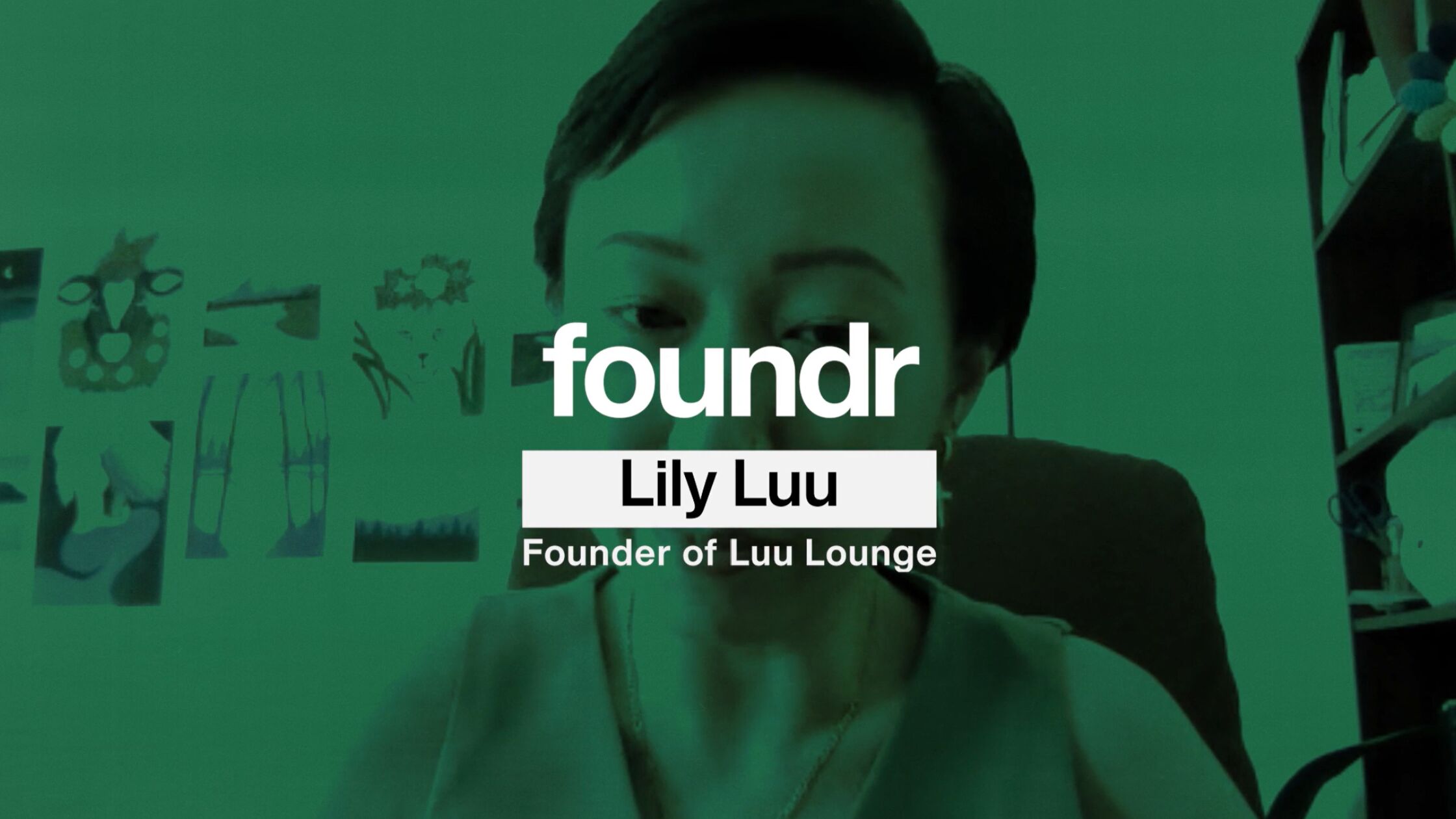
"I was able to pop all my automations together really quickly, and then things were also looking like how I wanted them to look," Lily says. This shift allowed her to move from being a "marketing technician" to a "brand strategist," focusing on the vision rather than the pixels.
Supporting Data: Why Automation Wins
The data behind Lily’s success underscores a critical reality for solopreneurs: the value of time is exponential.
By the time of her first major launch, Lily had successfully built an email list of 3,000 highly engaged subscribers. This list was not an afterthought; it was the primary driver of her "sold-out" status. Because she utilized automated, scheduled sequences, she was able to coordinate the launch timing precisely, creating a sense of urgency and exclusivity.
- Audience Size: 3,000+ at launch.
- Conversion Strategy: Automated SMS and Email sequences.
- Operational Load: Minimal, due to "set-and-forget" automation architecture.
The reliance on these systems allowed Lily to maintain her performance in her corporate role while her e-commerce store functioned as an independent, revenue-generating engine in the background.
Official Perspective: The "Foundr" Philosophy
Lily’s experience is emblematic of the core philosophy taught to students at Foundr. The modern entrepreneur is rarely a person with unlimited time; they are individuals with limited resources who must prioritize high-leverage activities.
The Integration Strategy
The key takeaway from Lily’s success is the integration of disparate systems. By combining email and SMS, she reached her customers exactly where they were, at the exact moment the product became available. This is not about sending more emails; it is about sending the right emails at the right time.
Implications for Future Founders
For those looking to replicate this success, the lesson is clear: Complexity is the enemy of the side-hustle.
- Validate before you build: Use social media to gauge demand for your specific solution.
- Automate early: Do not wait for the business to break before implementing systems. Choose platforms that allow for "set-it-and-forget-it" automation.
- Prioritize the "Stack": Your tech stack should work for you, not the other way around. If a platform requires a dedicated team or excessive hours to learn, it is not the right tool for a side-founder.
Looking Ahead: The Scalability of Intent
Lily’s brand now stands at a crossroads, moving from an experimental launch to a sustained, recurring business model. The infrastructure she built—specifically her automated marketing loop—provides the necessary foundation for future growth.
She no longer worries about whether her emails will reach her customers on launch day. She no longer struggles with the technical nuances of list segmentation during a busy workday. Instead, she can focus on what matters: sourcing better materials, refining her designs, and growing her community.
Her story proves that the barriers to entry in the fashion industry are lower than they have ever been, provided you have the discipline to solve a real problem and the foresight to automate the process of selling the solution.
As Lily continues to grow her business, she serves as a beacon for other corporate professionals who feel the itch to create but are deterred by the perceived complexity of starting a business. The tools are available, the roadmap is clear, and as Lily has demonstrated, a 9-to-5 job is not a hindrance—it is simply the funding and structure that allows the creative process to thrive.
Are you ready to scale your own brand?
Much like Lily, many founders find that the right tools make the difference between burnout and breakthrough. If you are looking to streamline your customer communication and build systems that work while you’re in the office, you can start today. Foundr readers are invited to take advantage of an exclusive offer: Get 50% off your first three months of Omnisend by using the code FOUNDR50 at checkout. Turn your side hustle into a sustainable, automated powerhouse today.
 Dwi Wanna
  rifanmuazin
  Asep Darmawan