By Hannah Macready With contributions from industry strategists including Jose-Andres Camacho
Executive Summary: The Modern Multi-Account Challenge
Multi-account social media management has evolved far beyond simply posting updates across a brand’s Facebook and X (formerly Twitter) profiles. In today’s hyper-fragmented digital landscape, running multiple profiles across different brands, regional markets, and demographic audiences requires a centralized, highly disciplined operating system. For modern enterprises, agencies, and growing businesses, this practice encompasses organizing distinct content pipelines, localized engagement schedules, rigorous compliance guardrails, and real-time performance analytics—all executed through unified platforms.
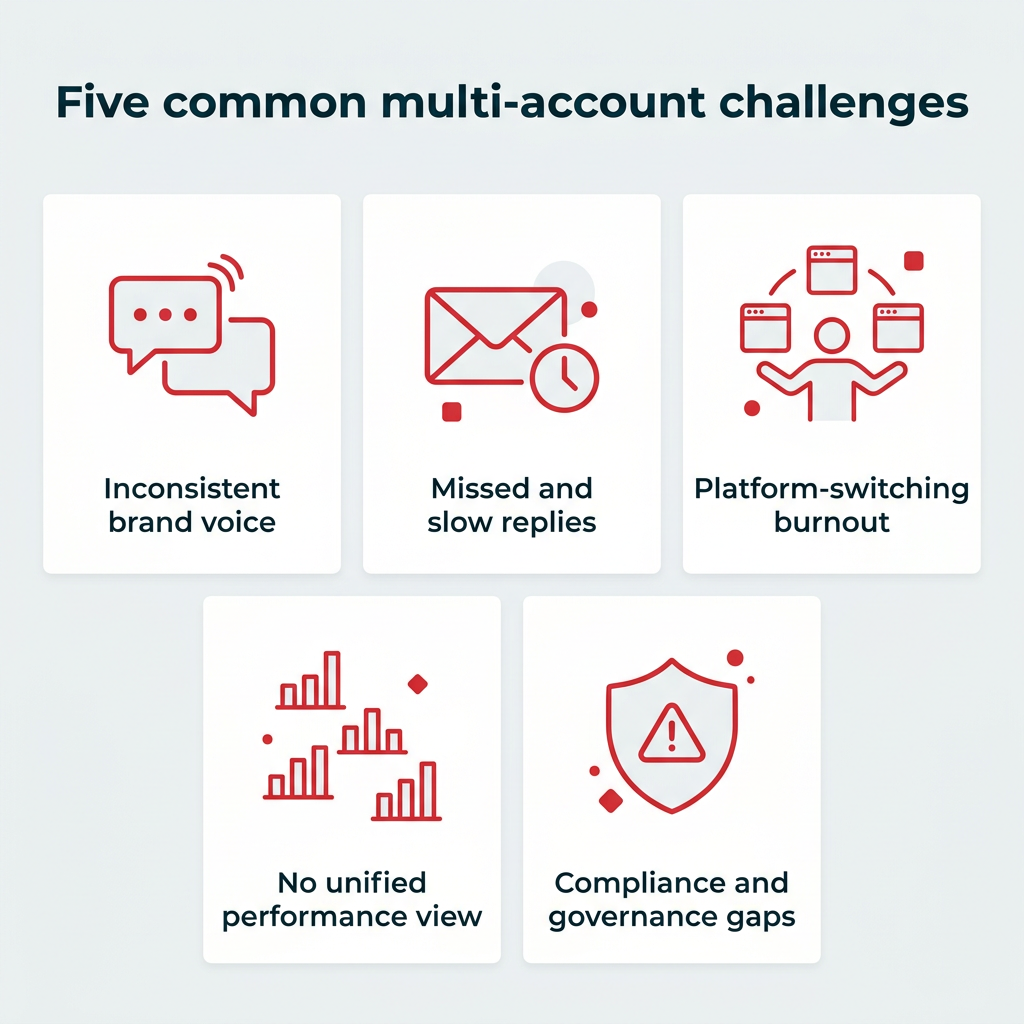
Without a centralized system, digital operations quickly unravel. Brand messaging becomes fragmented and inconsistent, compliance and regulatory risks skyrocket, customer service inquiries slip through the cracks, and marketing teams face severe burnout trying to keep pace with relentless platform demands.
As U.S. social network ad spending races past projected milestones toward $121 billion, the pressure on social media managers to demonstrate tangible return on investment (ROI) has never been higher. To succeed, organizations must move away from the chaotic cycle of manual tab-switching and adopt structured, repeatable frameworks for planning, publishing, engaging, and reporting.
Chronology of Social Management: From Silos to Social Operating Systems
Managing multiple accounts has undergone a dramatic technological and strategic evolution over the past decade.
The Early Era (Siloed Execution): In the nascent days of social media marketing, brands typically operated with a single page per network. Teams manually logged into native apps or used basic web tools, posting ad-hoc updates with little cross-channel coordination or institutional governance.
The Rise of Basic Schedulers (2015–2020): As platforms multiplied—adding Instagram, LinkedIn, TikTok, and Pinterest—the volume of content necessitated basic scheduling tools like Buffer and early-stage point solutions. These tools allowed marketers to queue text and image updates in advance, eliminating the need for constant, live manual posting.
The Integrated Enterprise Era (2021–Present): Today, the industry has transitioned toward unified "social operating systems." Recognizing that listening, publishing, analytics, and customer care can no longer exist in silos, major market analysts like Gartner have formally treated social management and listening as a single strategic category. Modern suites—such as Hootsuite Social OS—now integrate multi-level approval workflows, AI-driven content assistants, unified customer care inboxes, and compliance archiving directly into a single dashboard.
Supporting Data: Platform Demographics and Posting Frequency
Understanding where and how often to post is foundational to multi-account success. Consumer behavior varies sharply across channels. For instance, Pew Research data highlights stark generational divides: approximately 80% of adults aged 18 to 29 use Instagram, compared to just 19% of those aged 65 and older. Tailoring content strategy to these demographic realities prevents wasted effort on misaligned platforms.
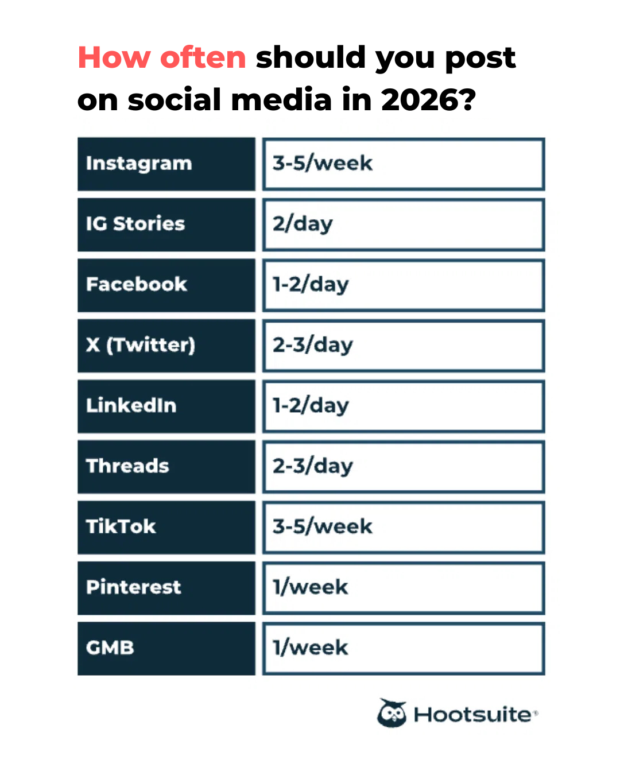
To maintain visibility without overwhelming audiences, leading digital strategists recommend establishing platform-specific posting frequencies:
Instagram & TikTok: 3 to 5 posts per week.
Facebook & LinkedIn: 1 to 2 posts per day.
X & Threads: 2 to 3 posts per day.
Pinterest & Google Business Profile: Approximately 1 post per week.
Furthermore, industry benchmarks indicate that a healthy organic engagement rate generally falls between 1% and 5%, depending on the sector. Achieving and maintaining these rates requires dedicated daily interaction rather than passive broadcasting.
The 10 Core Steps to Streamlining Multi-Account Management
Juggling numerous profiles can easily introduce systemic errors. To combat common operational pain points—such as inconsistent messaging, approval bottlenecks, and missed messages—organizations should implement the following 10-step framework:
1. Define a Clear Purpose and Goals for Each Account
When managing multiple brands or regional sub-brands, a lack of clarity inevitably leads to internal audience cannibalization and mixed messaging. Every single account must possess a codified mission statement, clear target demographics, assigned budgetary resources, and specific key performance indicators (KPIs) to measure success independently.
2. Choose the Right Platforms for Your Brand
Resist the temptation to maintain a presence on every digital channel simply because it exists. Focus exclusively on platforms where your core audience actively spends time and where your specific content formats thrive. Remember: managing two or three platforms exceptionally well yields infinitely better results than managing ten platforms poorly.
3. Deploy a Unified Social Media Management Tool
Stopping the constant cycle of jumping between native apps and browser tabs is the single most effective way to preserve team sanity. Enterprise teams rely on comprehensive social operating systems to pull all brand properties into a single connected feed.
Jose-Andres Camacho, Social Media Strategist at Intuit Mailchimp, emphasizes this foundational shift:
"To start, try to gather all your social media accounts in one place… This makes it easier to streamline workflows, pull cross-brand and cross-account reports, and benchmark performance across multiple accounts. Trust me—this alone can save your sanity."
4. Create Reusable Content Templates and Batch Workflows
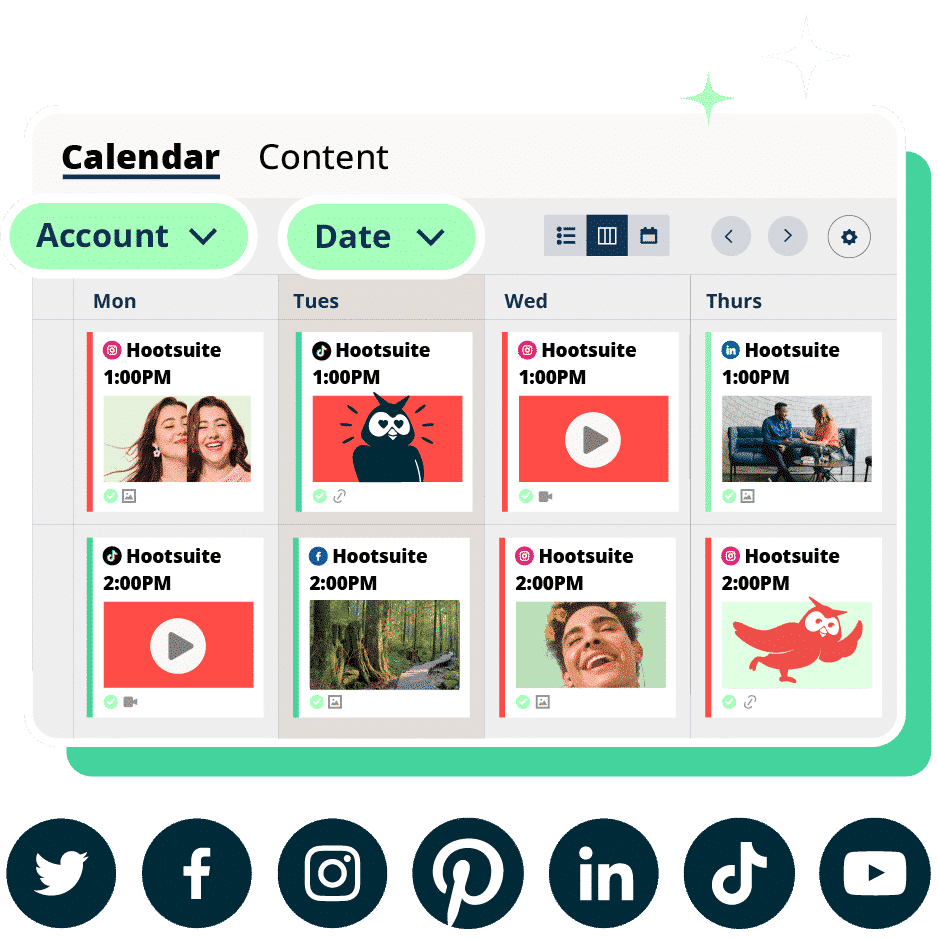
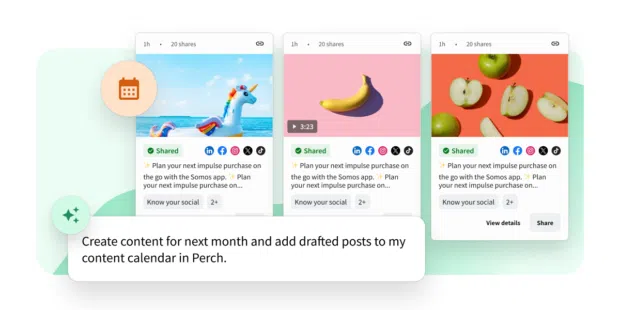
Eliminate the need to start every asset from scratch. Build robust template folders (using tools like Canva or internal digital asset management systems) for recurring post types. Pair these templates with task batching—grouping similar creation, scheduling, and publishing tasks by account—to maintain deep creative focus and leverage productivity frameworks like the Pomodoro Technique.
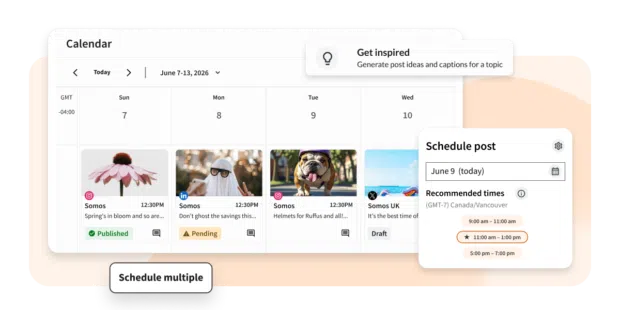
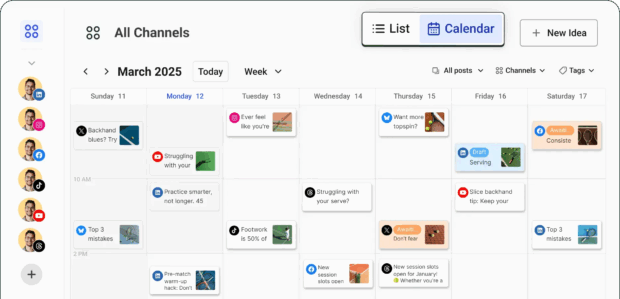
5. Schedule Content Ahead with Room for Real-Time Pivots
Using advanced social media schedulers provides breathing room for teams to curate high-quality creative assets. However, automated scheduling should never mean a complete "set-and-forget" mentality. Teams must remain vigilant regarding global news cycles, ready to pause or pivot scheduled campaigns immediately if unexpected world events alter the conversational context.
6. Streamline Inbox Management with Dedicated Response Windows
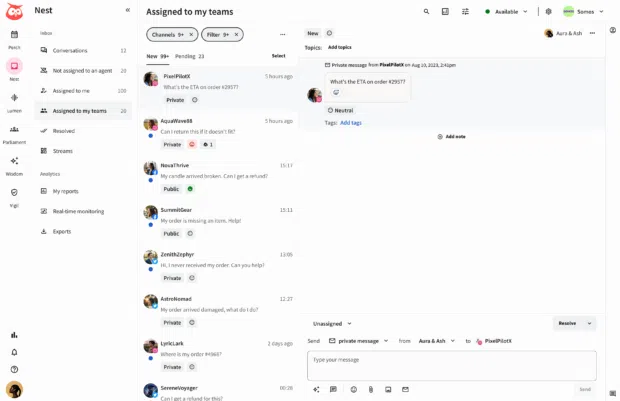
When managing multiple accounts, incoming comments and direct messages can quickly snowball. Enterprise organizations must implement unified social inboxes equipped with AI-assisted sentiment prioritization to route urgent customer service inquiries to the front of the queue. Establishing rigid daily response windows prevents team members from falling into constant context-switching fatigue.
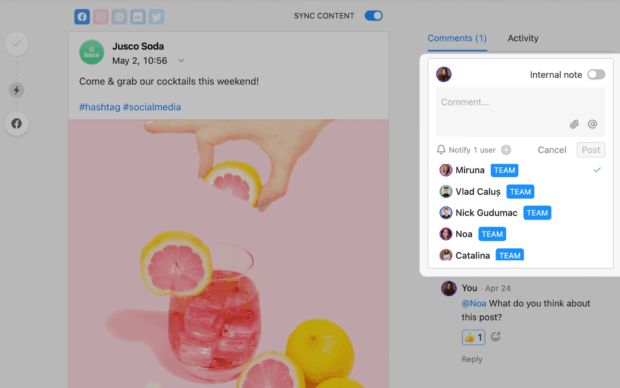
7. Enforce Approval Workflows and Strict Governance
As organizations scale beyond a single creator, operational governance becomes non-negotiable. Mistimed posts, rogue messaging, or unapproved claims can instantly trigger legal, PR, or regulatory crises—particularly in highly regulated sectors like finance, healthcare, and government. Role-based access levels, multi-stage approval chains, and automated compliance archiving are mandatory safeguards.
8. Review Performance Regularly via Comprehensive Audits
Multi-account management is an iterative process. Social media managers must run regular audits tracking reach, engagement rates, follower growth velocity, and conversion attribution. Catching minor dips in engagement early allows teams to adjust targeting or creative hooks before performance metrics spiral downward.
9. Dedicate Time for Social Listening and Engagement
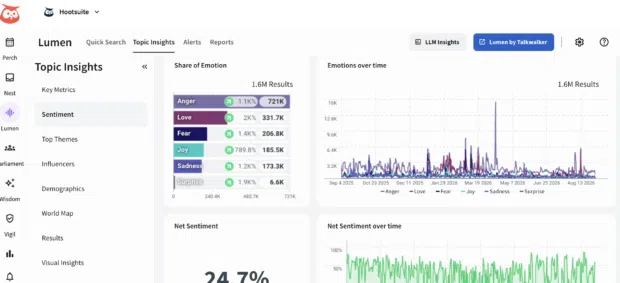
Building real community requires active, daily participation. Implementing the classic "5-5-5 rule" (liking 5 posts, leaving 5 thoughtful comments, and responding to 5 messages or mentions daily) provides a reliable baseline for engagement. Advanced social listening apps can further surface real-time brand sentiment, competitor mentions, and emerging industry trends.
10. Make Social Impact Visible to Leadership
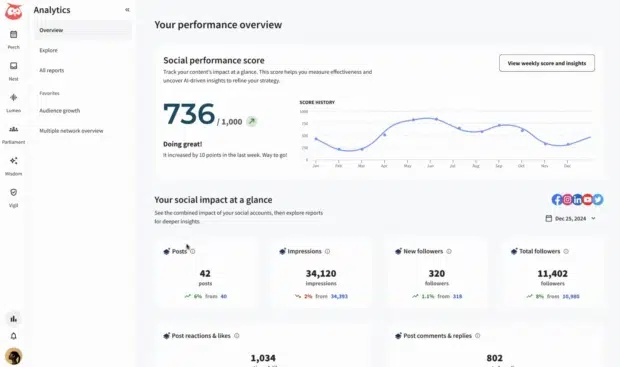
Reporting is the ultimate vehicle through which social marketing earns its seat at the executive table. With billions invested globally in digital advertising, leadership teams demand clear visibility into business impact and ROI. Modern reporting must connect social metrics directly to revenue generation, lead acquisition, and customer retention metrics.
Official Insights and Expert Perspectives
Industry leaders continue to stress the vital importance of human oversight paired with technological leverage. Addressing the cognitive strain of managing multiple corporate voices, Jose-Andres Camacho notes:
"Context switching can humble you real quick. One minute you’re deep in ghostwriting mode for a business author, the next you’re reviewing upcoming content for a Fortune 500 martech brand, and your brain’s like, ‘Wait, who are we right now?’"
To combat this, Camacho advocates for strict time-boxing, Monday morning 20-minute editorial reviews, and treating generative artificial intelligence not as a replacement for strategy, but as an indispensable operational assistant.
"If you’re not using AI, you’re already behind. AI is a free, always-on intern that doesn’t sleep and actually gets stuff done. Stop sleeping on AI. Start training it."
Implications for the Future of Enterprise Social Management
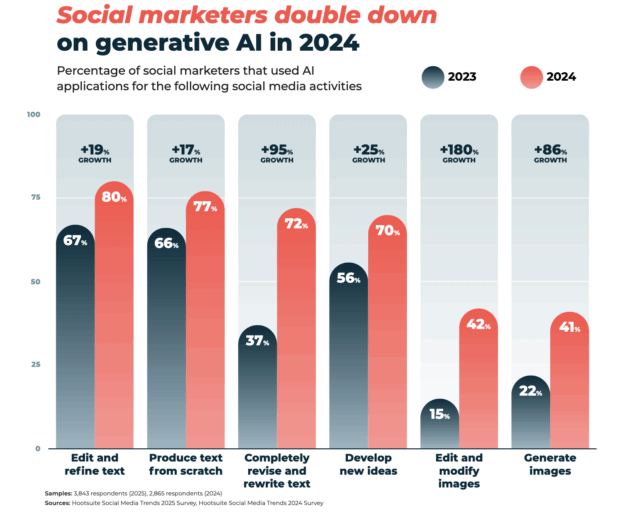
As artificial intelligence layers—such as Hootsuite’s Wisdom AI—become deeply embedded within social operating systems, the nature of multi-account management is shifting from manual execution to strategic curation. AI tools now routinely handle first-draft copywriting, automated image resizing, sentiment analysis summaries, and cross-platform trend-spotting.
For enterprises, agencies, and solo practitioners alike, the future belongs to those who successfully balance automated efficiency with stringent governance. By centralizing operations into a single platform, defining crystal-clear team roles, and maintaining rigorous publishing cadences, organizations can scale their digital presence across dozens of accounts without sacrificing brand integrity, audience trust, or employee well-being.

 By Pevita Pearce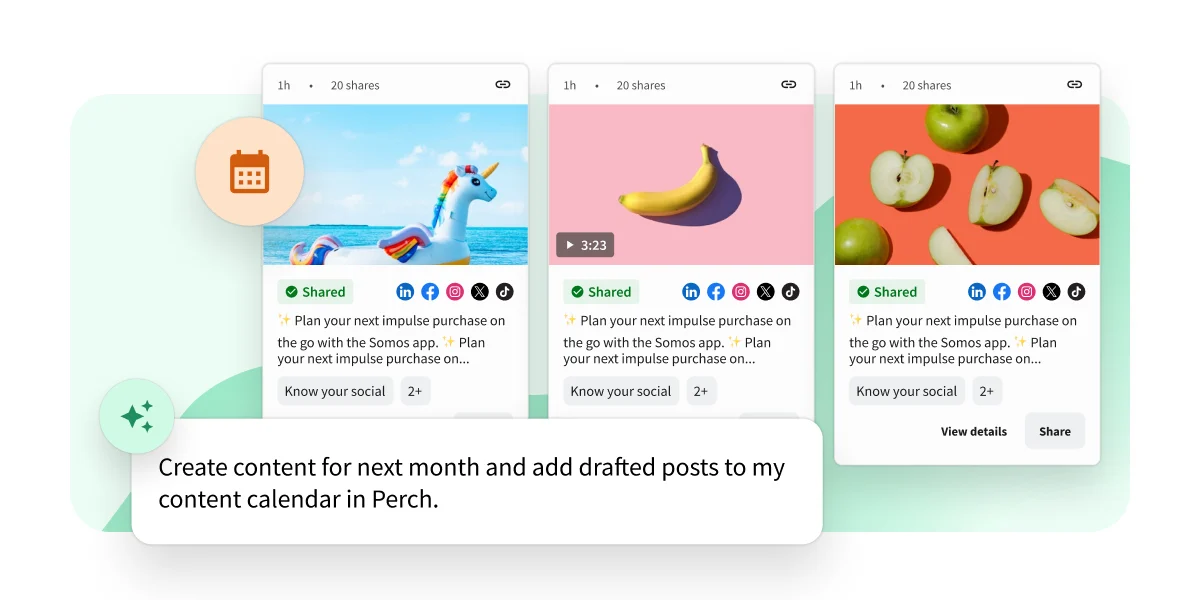


 Laily UPN
  Siti Muinah
  Lina Irawan