
 By Layla Zulfa

As social media fragmentation accelerates, marketing teams across industries face a recurring dilemma: “Should we be on Bluesky?”
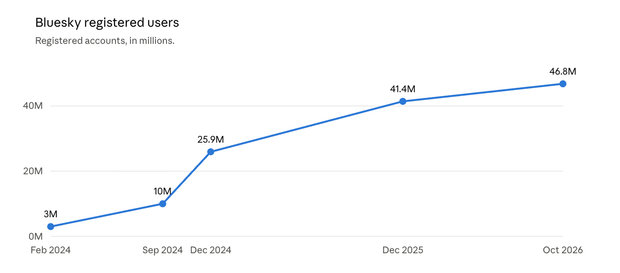
What began as an experimental project under the Twitter umbrella has rapidly evolved into a major player in the microblogging ecosystem. Surpassing 46 million registered users by late 2026, Bluesky has officially transitioned from a niche refuge for tech early adopters into a vibrant, high-engagement digital public square.

However, approaching Bluesky with a traditional, ad-driven playbook is a recipe for failure. Because the platform operates without paid advertising and features customizable, decentralized feeds, brands must rethink how they build authority, foster community, and drive organic engagement.
Main Facts: The Bluesky Landscape in 2026
Bluesky is a decentralized social network built on the AT Protocol, an open standard that allows different applications to interoperate. Structurally, it resembles early-stage microblogging platforms, enabling users to share short text updates, images, and links, follow accounts, and participate in public conversations.

Yet, its underlying philosophy diverges sharply from legacy platforms like X, Meta’s Threads, or Instagram:
- User-Controlled Algorithms: Unlike platforms where a single corporate algorithm dictates the timeline, Bluesky allows users to build, select, and pin custom feeds based on hyper-specific niches—such as astronomy, baking, or software development.
- Zero Advertising: Bluesky does not currently offer a native advertising marketplace. Brands cannot buy their way into feeds; visibility must be earned through organic utility, thought leadership, and authentic community integration.
- Demographics: Demographic data from Similarweb indicates that Bluesky’s audience skews heavily toward the United States (representing nearly half of its web traffic), with strong secondary presences in the UK, Japan, Germany, and Canada. The platform’s core user base is predominantly male (approx. 64%) and young, with 18-to-24-year-olds comprising the largest single age cohort.
- A Hub for Thought Leadership: The platform has solidified its reputation as a preferred digital home for journalists, researchers, software developers, and industry founders.
Chronology: From Experimental Protocol to Mass Growth
Understanding Bluesky’s trajectory requires tracking its rapid, wave-like expansion:

- The Genesis: Initially conceived as a decentralized social network research initiative within Twitter while Jack Dorsey served as CEO, Bluesky eventually spun off into an independent public-benefit corporation.
- The Post-Election Surge: Following the U.S. presidential election in November 2024, Bluesky experienced its first massive wave of mainstream adoption, welcoming millions of new users fleeing algorithmic fatigue on competing platforms in a matter of weeks.
- The 2025 Expansion: Momentum compounded dramatically throughout 2025. According to Bluesky’s official transparency reports, the platform grew by nearly 60% over the course of the year, closing out December with roughly 41.41 million registered accounts.
- Mid-2026 Milestones: By October 2026, total registered users surpassed 46.8 million. While still trailing industry giants like Instagram and X in sheer volume, Bluesky’s active daily engagement rates and high concentration of influential voices have made it impossible for enterprise communications teams to ignore.
Supporting Data: Why Brands Are Moving In
Marketers evaluating Bluesky often look at quantitative benchmarks to justify resource allocation. The data points driving corporate interest include:
- User Base Scale: Crossing the 46-million-user threshold provides critical mass. It is no longer a sandbox for a few thousand tech insiders; it is a scaled ecosystem capable of generating meaningful referral traffic and brand awareness.
- Low Competitive Saturation: Compared to LinkedIn or X, Bluesky remains relatively uncluttered by corporate advertising spam. Brands have a unique window to establish foundational authority before the space becomes oversaturated.
- Chronological Timelines: Bluesky’s primary "Following" feed operates on a strict reverse-chronological order. While this means content has a shorter shelf life—lacking the algorithmic second-wind mechanics of other platforms—it guarantees that posts are seen by followers who are online at the time of publication, rewarding consistent posting cadences.
Official Perspectives and Industry Insights
Navigating a platform without ads requires strategic counsel from digital marketing veterans who understand organic community building.
"I would encourage brands to think of Bluesky as a community-building channel rather than a paid acquisition channel," notes Ben Metcalfe, Founder of BlackFire Marketing. “With no ad budgets to lean on, your growth will come from being useful in conversations, building or joining custom feeds, and, most importantly, giving people a reason to follow you.”
Metcalfe emphasizes that reach on Bluesky cannot be artificially inflated. “Your reach comes down to when you post, how often, and whether users have chosen to follow you.”
Enterprise adoption reflects this mindset. Major organizations—ranging from open-source software providers like GitHub to privacy-focused tech firms like DuckDuckGo—are leveraging the platform not for hard-sell product pushes, but for deep educational content. For instance, GitHub’s Bluesky feed frequently shares advanced developer tips and utilizes video content featuring real company team members rather than faceless corporate logos, humanizing the brand.
Step-by-Step Strategy: How to Build Your Bluesky Presence
Developing an effective, sustainable Bluesky strategy requires a methodical approach that respects the culture of the platform:
1. Define Clear, Measurable Goals
Establish why your brand is joining Bluesky. Are you aiming to build industry authority, forge relationships with niche journalists, or foster a dedicated user community? Set specific objectives to track success over time.
2. Secure a Custom Domain Handle
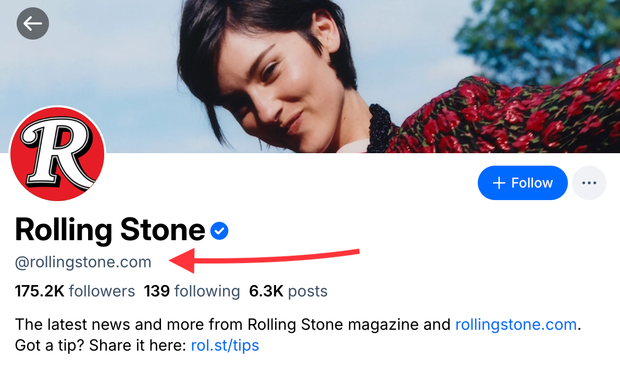
While default accounts receive a handle ending in .bsky.social, brands should configure a custom domain handle matching their official website (e.g., @yourbrand.com). This technical step verifies brand authenticity and prevents impersonation. Complete your profile by uploading an optimized logo, writing a concise bio, and linking back to your primary digital properties.

3. Implement the 80/20 Content Rule
Adopt a value-first content mix where roughly 80% of your posts offer genuine utility, education, or entertainment, while no more than 20% are explicitly promotional. Leverage your internal experts—founders, developers, researchers, and product managers—to share unique insights that establish thought leadership.
4. Engage with Niche Communities via Custom Feeds
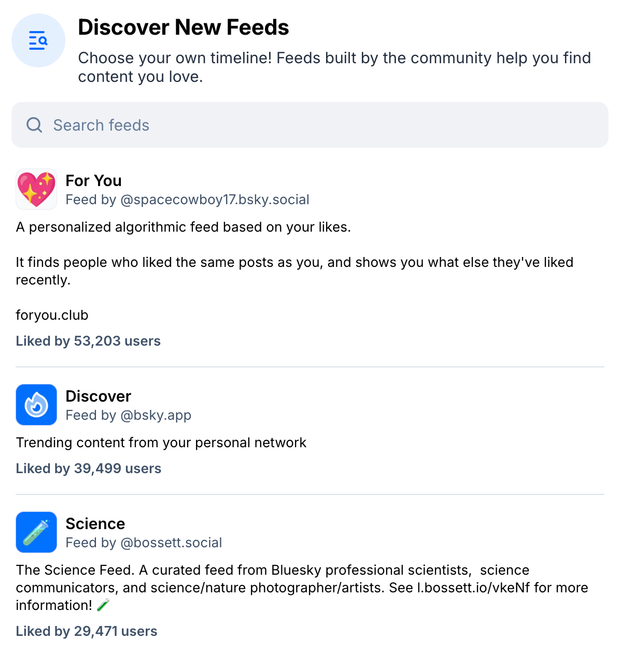
Use Bluesky’s Feeds tab to discover active communities relevant to your industry. Whether it’s an outdoor retailer monitoring backpacking trends or a B2B service provider tracking small business discussions, actively listen, contribute insightful replies, and participate in organic conversations.
5. Optimize for Discovery Feeds and Keywords
To capture audiences beyond your direct follower base, incorporate relevant hashtags and keywords recognized by popular custom community feeds (such as #womeninbusiness or specific industry tags). Ensure this integration feels natural and organic rather than spammy.
6. Establish a Consistent Posting Cadence
Because the primary timeline is chronological, map out a realistic posting schedule. Tools like Hootsuite’s Perch allow social media managers to plan, schedule, and test different publishing times to determine when their specific audience is most active, eliminating guesswork.

Implications for Social Media Teams
The mainstreaming of Bluesky signals a broader shift in digital marketing away from pay-to-play amplification and back toward organic, community-centric engagement. For social media teams, this structural evolution carries several vital implications:
- Resource Reallocation: Brands must shift internal resources away from ad-buying optimization on Bluesky toward high-value content creation, community management, and thought leadership positioning.
- Integration of Social Suites: Managing a decentralized platform alongside traditional networks requires unified workflows. Modern toolkits—such as Hootsuite’s integrated ecosystem, featuring Perch for scheduling, Lumen for social listening and sentiment tracking across 30+ networks, and the AI-driven analytics assistant Wisdom—enable teams to monitor their cross-platform share of voice and evaluate what content is resonating without manual data excavation.
- Authenticity Over Polish: The success of human-led video content and transparent expert commentary on Bluesky proves that audiences increasingly reject sterile corporate messaging. Brands that succeed on decentralized networks will be those empowered to act less like advertisers and more like active, helpful members of a community.
Ultimately, Bluesky represents an invaluable laboratory for forward-thinking brands. By trading advertising dollars for authentic utility, communications teams can secure an early, enduring foothold in the next generation of social media.
 Neng Nana
 Ammar Sabilarrohman
 Jia Lissa
