
 By Laily UPN
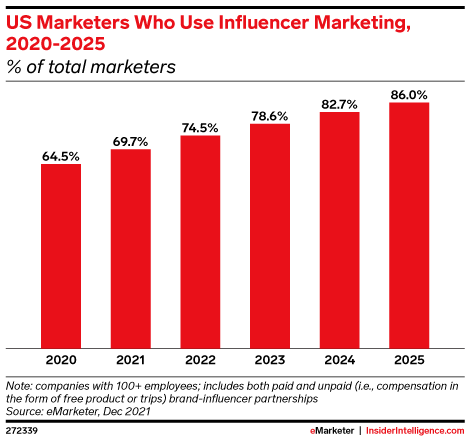
As the creator economy matures in 2026, turning an Instagram presence into a reliable, multi-stream revenue engine has evolved from a speculative side hustle into a sophisticated digital business. With US influencer marketing spending surging past $10.5 billion—and projected to reach $13.7 billion by 2027—Instagram continues to capture the lion’s share of brand investments among social media platforms.
Yet, the paradigm of how creators earn money has shifted. Monetization is no longer the exclusive domain of macro-influencers and celebrities. Recent data highlights a democratization of the platform: micro- and nano-influencers (accounts with fewer than 100,000 followers) now claim a massive 45.5% of total brand marketing spend. Furthermore, creators with just 1,000 to 10,000 followers represent the largest share of influencer accounts worldwide.
This comprehensive report explores the mechanics of Instagram monetization in 2026, detailing setup requirements, 12 distinct revenue streams, strategic pricing models, and the critical policies governing creator earnings today.

1. Main Facts: Understanding the Shift in Instagram Earnings
Instagram monetization refers to generating revenue from published content—including posts, Reels, Stories, and live videos—through brand partnerships, platform native tools, and direct commerce. Historically, social media monetization meant getting paid directly for content views or ad placements. Today, however, the line between content monetization and social commerce has fundamentally blurred.
Key Milestones in the Creator Economy
- Massive Market Growth: US influencer marketing spend surpassed $10.52 billion, with projections indicating a climb to $13.7 billion by 2027.
- The Rise of the Micro-Influencer: Nano- and micro-influencers drive the highest engagement rates (averaging over 6% for nano-influencers) and command nearly half of total brand campaign budgets.
- Diversified Revenue Streams: Modern creators rarely rely on a single income source. Successful accounts stack brand deals, affiliate marketing, platform subscriptions, and digital product sales.
2. Chronology & Evolution: How Instagram Built Its Monetization Ecosystem
To understand how creators make a living on Instagram today, it helps to trace how the platform rolled out its monetization infrastructure over the past decade:
- Phase 1: The Wild West of Brand Deals (Pre-2018): Instagram was primarily an organic photo-sharing app. Monetization happened entirely off-platform. Brands partnered directly with influencers via direct messages, and payments were handled through invoicing and PayPal with little to no platform oversight.
- Phase 2: The Rise of Native Tools (2019–2021): Recognizing the economic power of its user base, Instagram introduced branded content tags, IGTV ads (later retired), and early iterations of Live Badges. Link stickers were eventually democratized, allowing all accounts to direct traffic off-platform, revolutionizing affiliate marketing.
- Phase 3: The Short-Form Video & Creator Fund Era (2022–2024): With the explosive growth of TikTok, Instagram pivoted hard toward Reels. The platform launched Reels Play bonuses, ad revenue-sharing programs, and the automated Creator Marketplace to streamline brand discovery.
- Phase 4: The Social Commerce & Subscription Standard (2025–2026): Today, Instagram operates as a full-fledged economic ecosystem. Features like Instagram Subscriptions, Broadcast Channels, and integrated Shops allow creators to build predictable, recurring revenue models entirely within the app interface.
3. Supporting Data: Market Spend, Engagement, and Payout Benchmarks
Data from industry leaders like eMarketer and Statista underscore the financial viability of Instagram as a career path. However, understanding the quantitative realities of the platform requires looking at both marketing investments and engagement metrics.

Engagement vs. Follower Count
A common misconception is that raw follower count dictates earning potential. In reality, engagement rates scale inversely with audience size:
- Nano-influencers (1K–10K followers): Average engagement rate of 6.23%.
- Macro-influencers (500K+ followers): Average engagement rate of 0.61%.
Standard Brand Deal Benchmarks by Tier
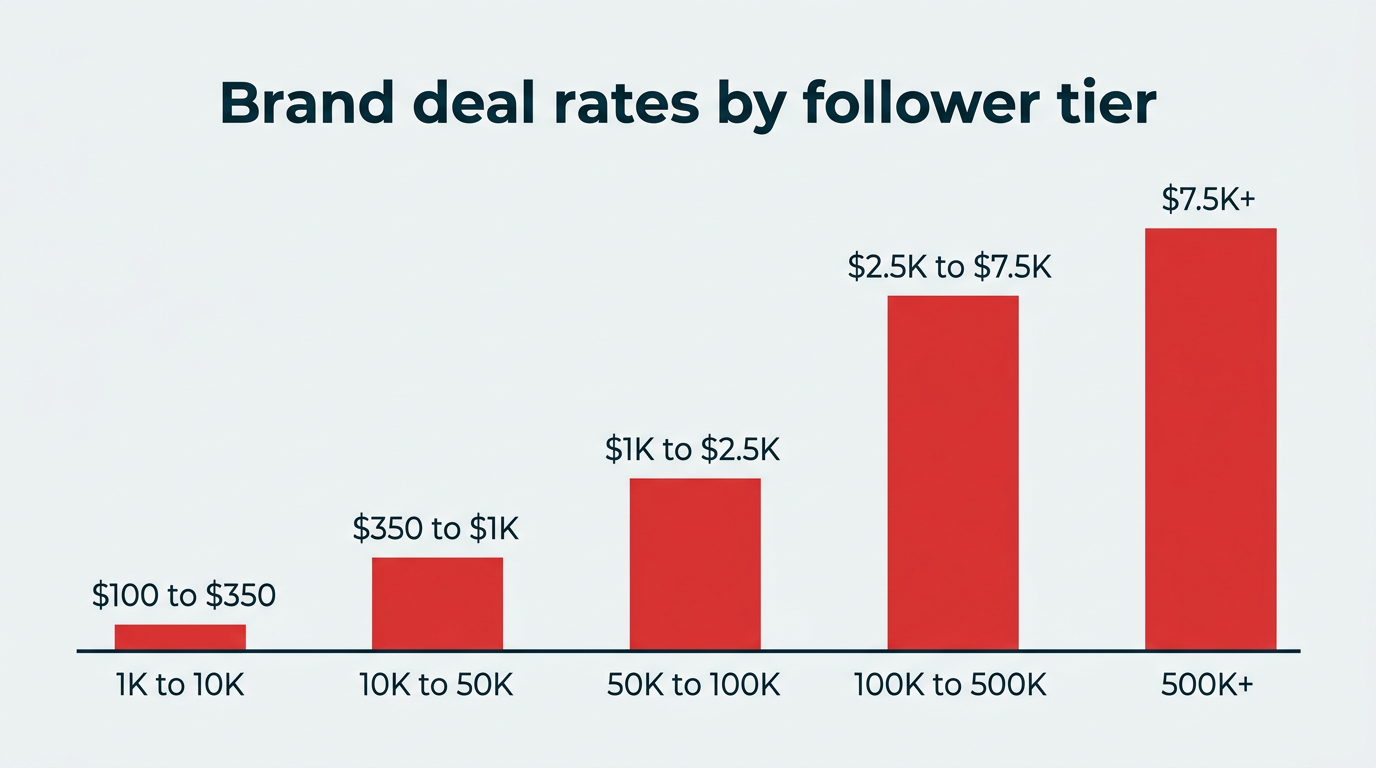
When negotiating sponsored content, creators use follower tiers and content formats as a baseline before factoring in engagement and usage rights:
| Follower Tier | In-Feed Post | Reel | Story Set (3 Frames) | Carousel |
|---|---|---|---|---|
| 1K to 10K | $75 – $250 | $100 – $350 | $50 – $150 | $100 – $300 |
| 10K to 50K | $250 – $750 | $350 – $1,000 | $150 – $450 | $300 – $900 |
| 50K to 100K | $750 – $1,500 | $1,000 – $2,500 | $450 – $900 | $900 – $1,800 |
| 100K to 500K | $1,500 – $5,000 | $2,500 – $7,500 | $900 – $3,000 | $1,800 – $6,000 |
| 500K+ | $5,000+ | $7,500+ | $3,000+ | $6,000+ |
4. Official Guidelines: Setting Up Your Account for Success
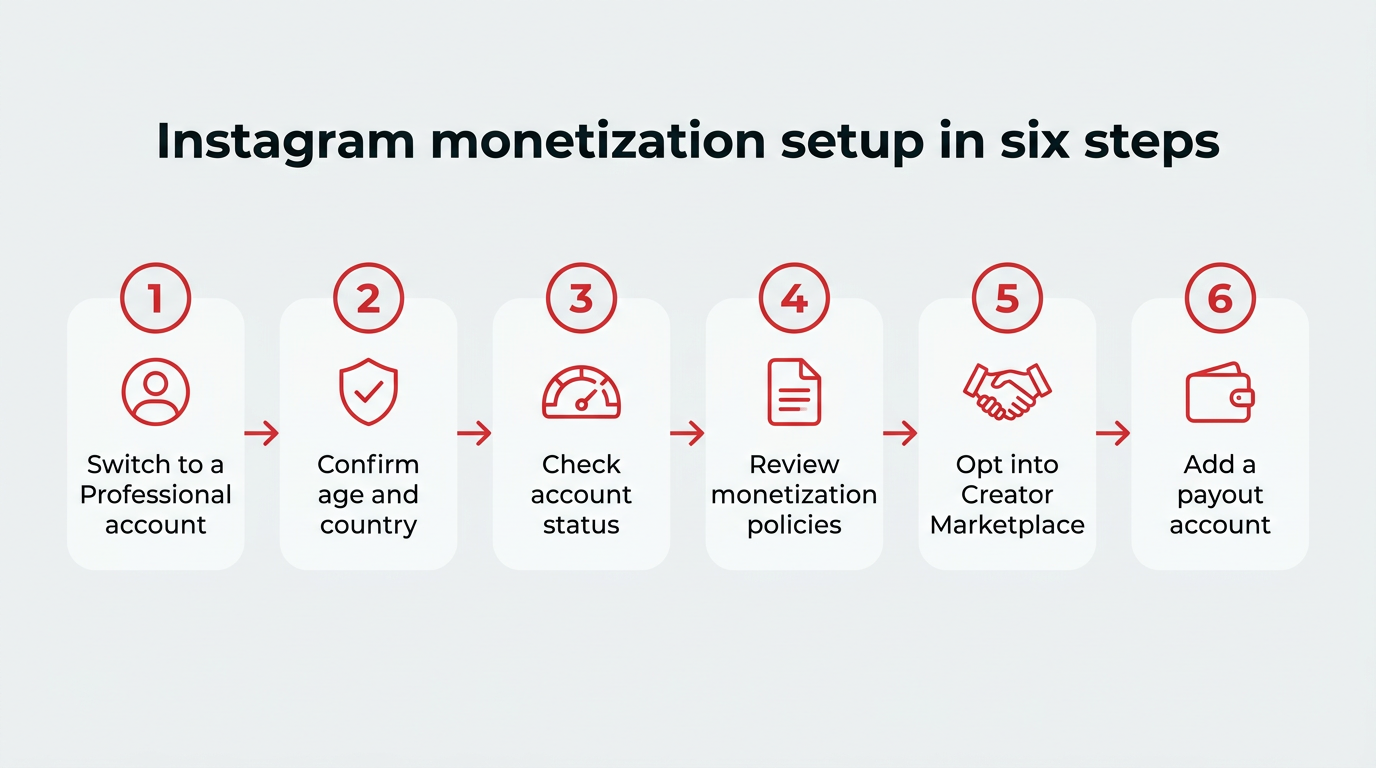
Before activating any monetization features, creators must configure their accounts correctly. Instagram’s built-in monetization tools remain hidden for standard personal profiles.
Step-by-Step Setup Process
- Switch to a Professional Account: Navigate to Settings > Account type and tools > Switch to professional account. Choose Creator if you are an individual influencer, artist, or public figure. Choose Business if you represent an incorporated brand selling products.
- Check Account Status: Open your Professional Dashboard and select Account status. Ensure your account complies with community guidelines and that your content is eligible to be recommended to non-followers.
- Join the Creator Marketplace: Opt into Instagram’s native matchmaking tool via your Professional Dashboard. Build out your niche, audience demographics, and brand preferences to appear in searches without cold pitching.
5. The 12 Ways to Monetize Your Instagram Account
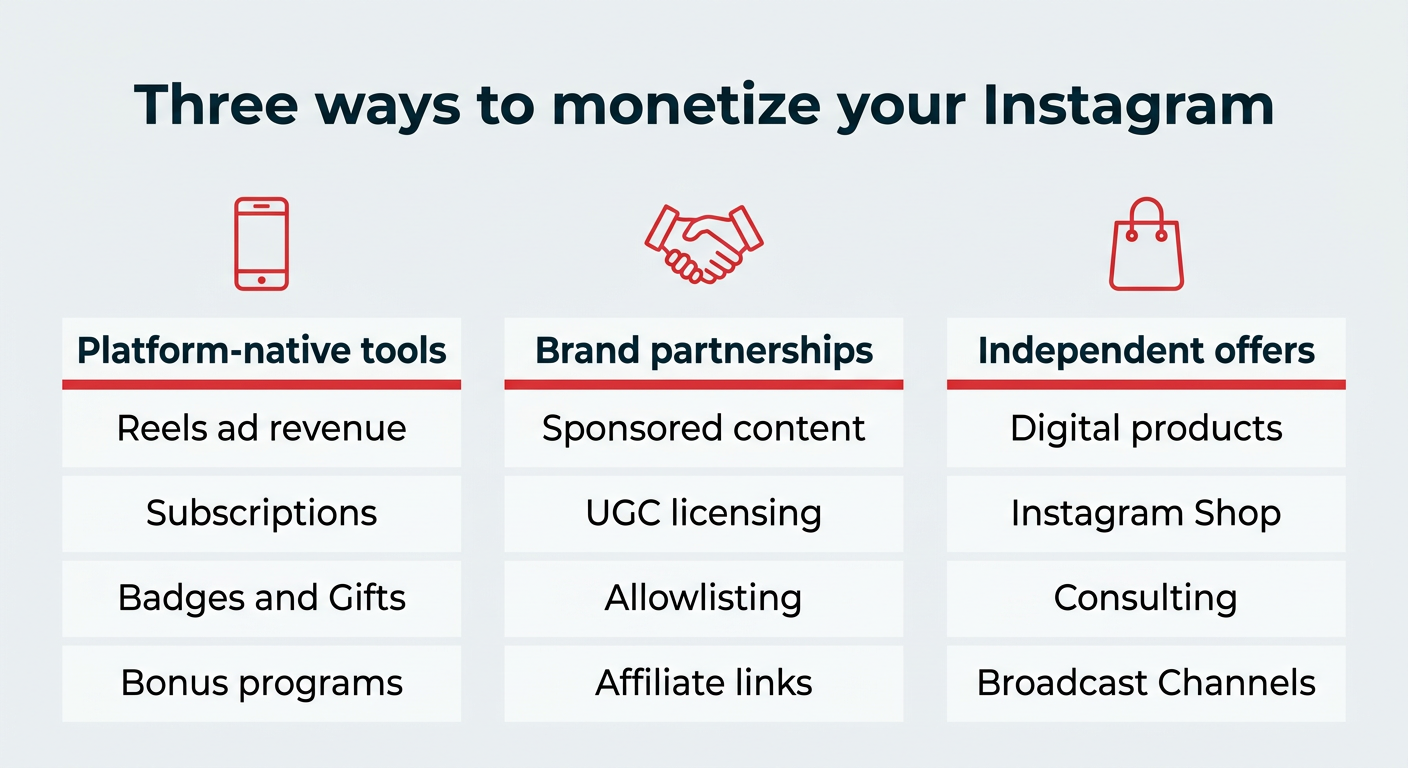
Creators leverage a diverse mix of monetization strategies. Below are the 12 primary avenues available in 2026:
1. Sponsored Content & Brand Deals
Partnering with brands for dedicated posts, Reels, or Stories remains a cornerstone of creator income. Micro- and nano-influencers thrive here due to high audience trust.
2. Affiliate Marketing
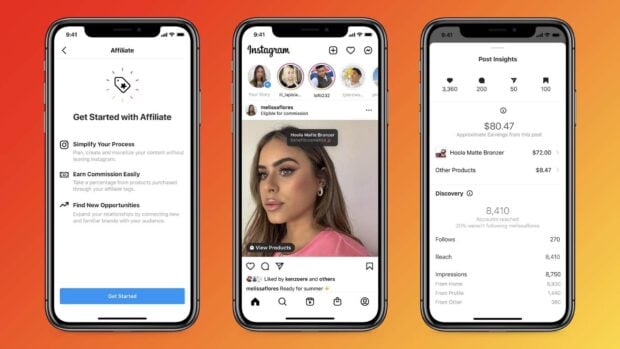
By sharing trackable links via Story link stickers, link-in-bio hubs, or Broadcast Channels, creators earn commissions on sales generated through platforms like Amazon Associates, LTK, and ShareASale.
3. Reels Ad Revenue Sharing
Eligible creators earn a percentage of ad revenue generated around their original Reels based on qualifying plays, niche ad demand, and viewer geography.
4. Instagram Subscriptions
Creators set a recurring monthly fee (typically $0.99 to $99.99) granting subscribers exclusive access to subscriber-only Lives, Stories, badges, and broadcast chats.
5. Live Badges and Virtual Gifts
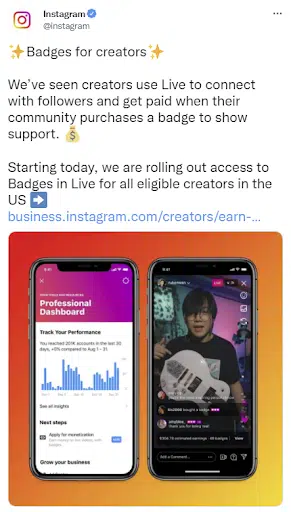
During live streams, viewers purchase Badges ($0.99 to $4.99) to highlight their comments. Similarly, viewers can send virtual gifts on eligible Reels.
6. Digital Products
Selling high-margin digital assets—such as e-books, presets, templates, and online courses—directly converts content authority into direct-to-consumer sales.
7. Instagram Shops
Physical product sellers can tag merchandise directly across posts, Reels, and Stories, enabling friction-free social commerce without forcing users off the platform.
8. User-Generated Content (UGC) and Licensing
Brands pay creators for the rights to use their videos on the brand’s official channels or as paid social advertisements (allowlisting/whitelisting), rewarding production quality over follower count.
9. Broadcast Channels
One-to-many messaging threads allow creators to directly pitch affiliate links, product drops, and exclusive updates straight to an opted-in audience’s inbox.
10. Consulting and Coaching
Expert creators package their knowledge into paid strategy sessions, portfolio reviews, or ongoing mentorship programs booked via link-in-bio tools.
11. Close Friends Tiers
Operating as a manual subscription model, creators charge external fees and grant access to an exclusive "Close Friends" story list—ideal for regions where native Subscriptions are unavailable.
12. Instagram Bonus Programs
Periodic, invitation-only performance bonuses reward creators for hitting specific milestone targets in Reels plays and live engagement.
6. Implications & Best Practices for Creators
Navigating Instagram monetization requires acute attention to legal compliance, pricing strategy, and industry ethics.
FTC Disclosure Requirements
Transparency is non-negotiable. Creators must clearly disclose material connections to brands using Instagram’s native Paid Partnership label, placing clear text disclosures like #ad at the beginning of captions, and verbally acknowledging sponsorships in video content.
Combating the Influencer Pay Gap
Disparities in influencer compensation across racial and demographic lines remain a pressing industry challenge. Initiatives like the @influencerpaygap archive emphasize the importance of pay transparency. Creators are strongly encouraged to share rate data and consult public benchmarks to ensure fair compensation, particularly for marginalized creators.
Frequently Asked Questions (FAQ)
Does Instagram pay per 1,000 views?
No. Instagram does not operate on a flat rate per 1,000 views. Reels ad revenue sharing is calculated on qualifying plays and varies based on advertiser demand within your specific niche.
How many followers do you need to monetize?
Requirements vary by feature. Native tools like Subscriptions and Badges generally require approximately 10,000 followers, whereas brand deals, affiliate programs, UGC licensing, and digital product sales feature no official follower minimums.
Can you make a living with a small audience?
Yes. Micro- and nano-influencers frequently build sustainable income streams by focusing on high engagement, niche authority, and stacking multiple revenue channels such as affiliate marketing and digital products.
 Ammar Sabilarrohman
 Jia Lissa
 Muslim
