
 By Muslim
The print-on-demand (POD) landscape has undergone a seismic shift between late 2025 and early 2026. As the barrier to entry for e-commerce has lowered, the expectation for quality among consumers has simultaneously skyrocketed. Modern shoppers are no longer satisfied with generic, boxy cotton tees; they demand the heavy, structured fabric weights and bespoke branding associated with high-end streetwear.
After six months of rigorous side-by-side fulfillment testing, analyzing over 200 sample orders across eight major platforms, and evaluating their performance against three critical pillars—blank quality, branding infrastructure, and print method precision—one conclusion is clear: the "merch" era is dead, and the "brand" era has arrived.
The Evolution of Fulfillment: Main Facts and Methodology
To determine the industry leader for 2026, we audited eight platforms: Fourthwall, Apliiq, Tapstitch, Printful, Gelato, TPOP, Printify, and CustomCat. Our testing criteria were designed to simulate a real-world, high-stakes brand launch:
- Blank Quality: We prioritized platforms offering premium mills (AS Colour, Stanley/Stella, Cotton Heritage, and Lane Seven) with fabric weights exceeding 200 GSM.
- Branding Stack: We evaluated the ability to execute woven neck labels, custom hangtags, and branded polybags.
- Print Method Match: We tested the fidelity of DTG, DTF, screen printing, embroidery, and sublimation, specifically looking for durability after 30 rigorous wash cycles.
The data confirms that while many platforms provide basic fulfillment, only a select few offer the infrastructure required to scale a brand without forcing the creator to become a full-time logistics manager.
Chronological Shift: The 2025–2026 Market Pivot
The industry landscape shifted significantly in mid-2025 and early 2026. Key developments include:
- August 2025: Patreon increased platform fees to 10% for new creators, forcing many to integrate their membership and merch strategies more tightly to preserve margins.
- January 2026: The long-awaited merger between Printful and Printify was finalized under the parent entity "Fyul," though the consumer-facing platforms maintain independent operations.
- Q1 2026: Fourthwall updated its Pro pricing to $19/mo (or $15/mo annually), solidifying its position as the primary "all-in-one" solution for creators who want to offload tax compliance, customer support, and store management.
- Late 2025: A surge in demand for 400+ GSM heavyweight blanks saw platforms like Tapstitch gain significant market share among streetwear-focused creators.
Detailed Platform Analysis
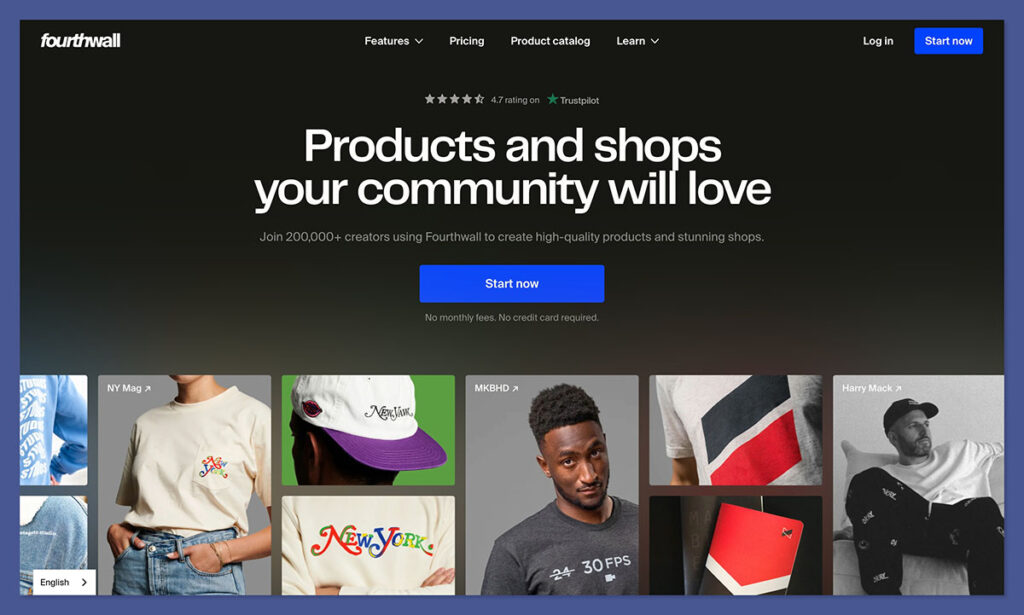
1. Fourthwall: The Gold Standard for Creators
Fourthwall is the clear victor for the modern creator. It is the only platform that eliminates the "ecommerce ops layer." While competitors leave you to manage Shopify apps, sales tax nexus, and customer support, Fourthwall acts as a complete ecosystem.
Why it wins:
- Blank Roster: Access to premium blanks like AS Colour and Stanley/Stella is baked into the UI.
- Signature Ink Coverage: Fourthwall’s proprietary print fix addresses the perennial "washout" issue of DTG on dark fabrics.
- Integration: Seamless native connectivity to YouTube and TikTok ensures that the storefront is a natural extension of the content, not a separate business to maintain.
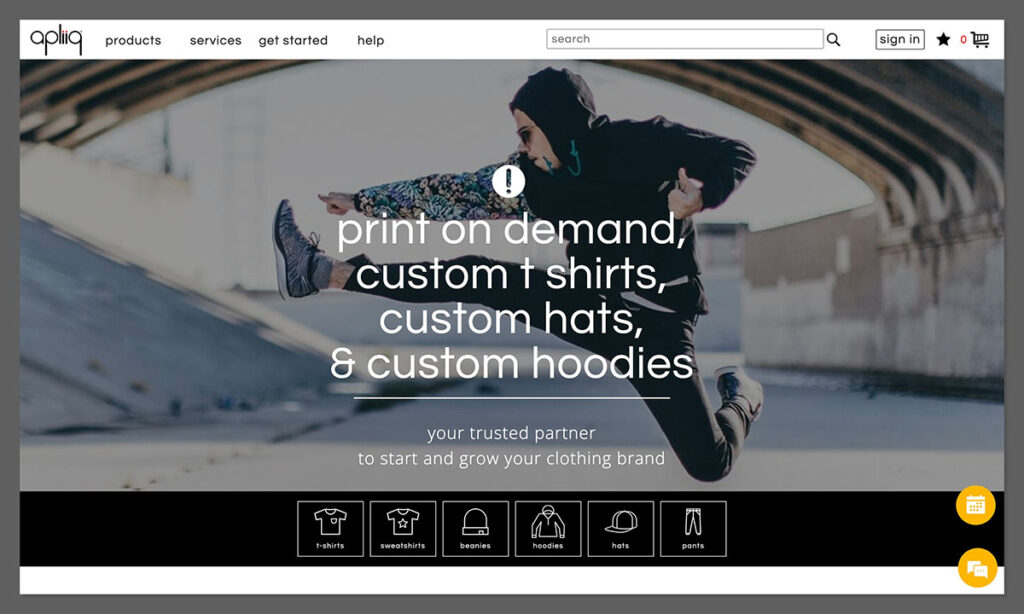
2. Apliiq: The Private-Label Specialist
If your brand identity is non-negotiable regarding sewn-in woven labels, Apliiq remains the only viable POD partner. While most factories require 500+ units, Apliiq allows for custom woven labeling at a 100-unit minimum.
Key Strength: Their facility in Philadelphia and Los Angeles ensures a level of QC that offshore competitors struggle to replicate. It is the closest experience to a traditional boutique fashion house.
3. Tapstitch: The Heavyweight Champion
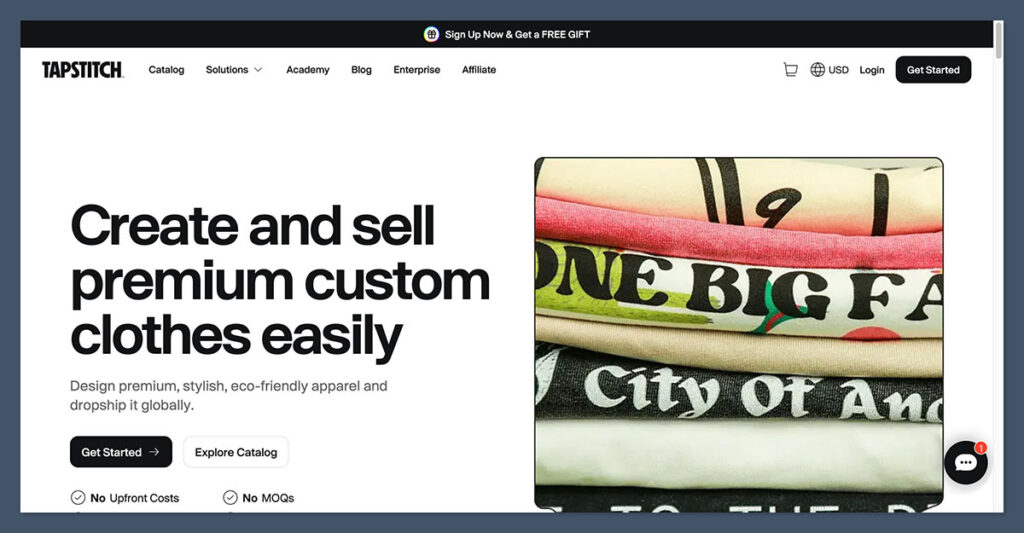
Streetwear is defined by structure. Standard Bella+Canvas tees (140 GSM) often feel flimsy to the modern enthusiast. Tapstitch distinguishes itself by stocking 430 GSM blanks. Their utilization of both DTG and DTF ensures that high-opacity graphics remain sharp even on heavy, vintage-wash fabrics.
4. Global Players: Printful and Gelato
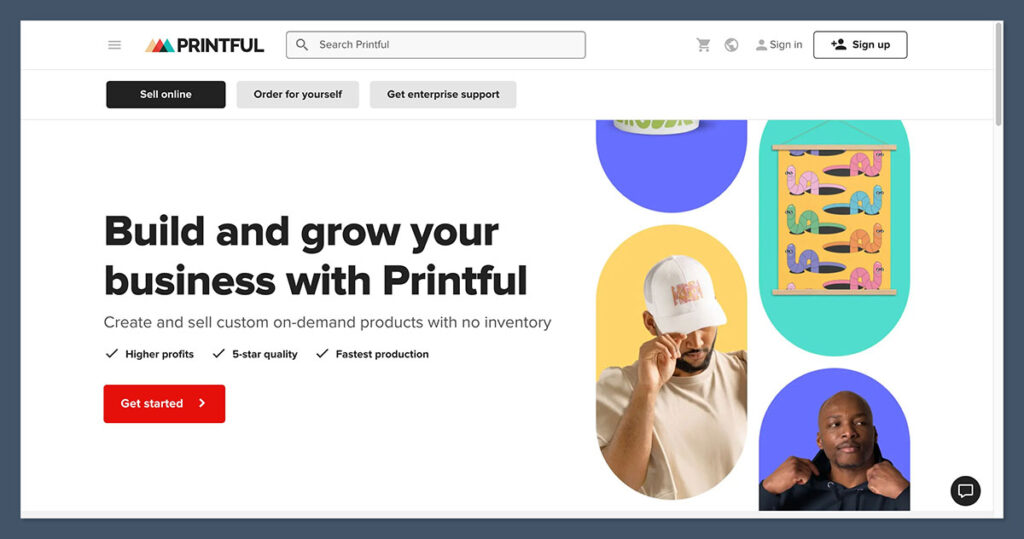
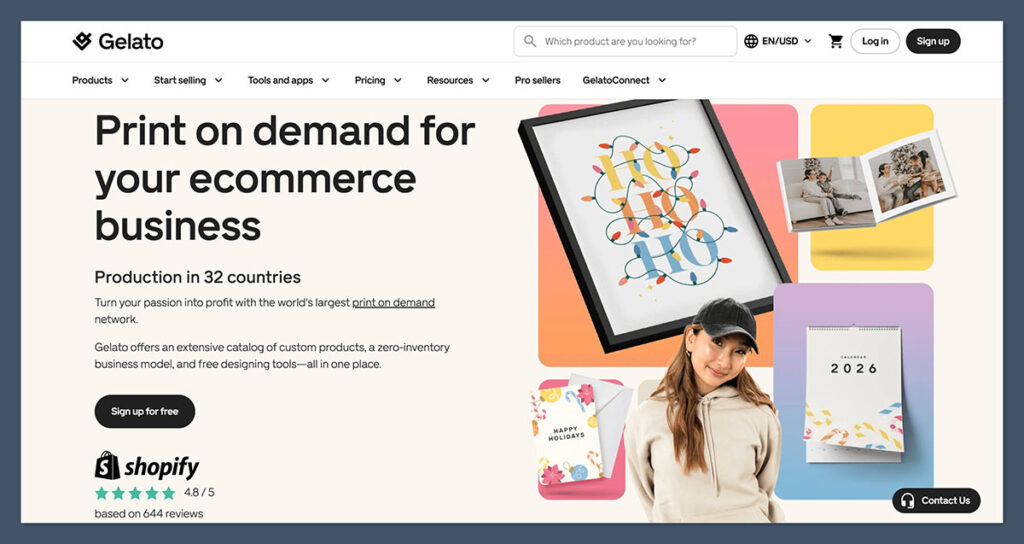
For international scale, Printful and Gelato dominate. Printful’s infrastructure is arguably the most robust for global routing, ensuring that orders are fulfilled in the destination country. Gelato takes this further, with 90% of orders produced locally, drastically reducing transit times for European and Asian customers.
5. Sustainability and Cost-Efficiency: TPOP, Printify, and CustomCat
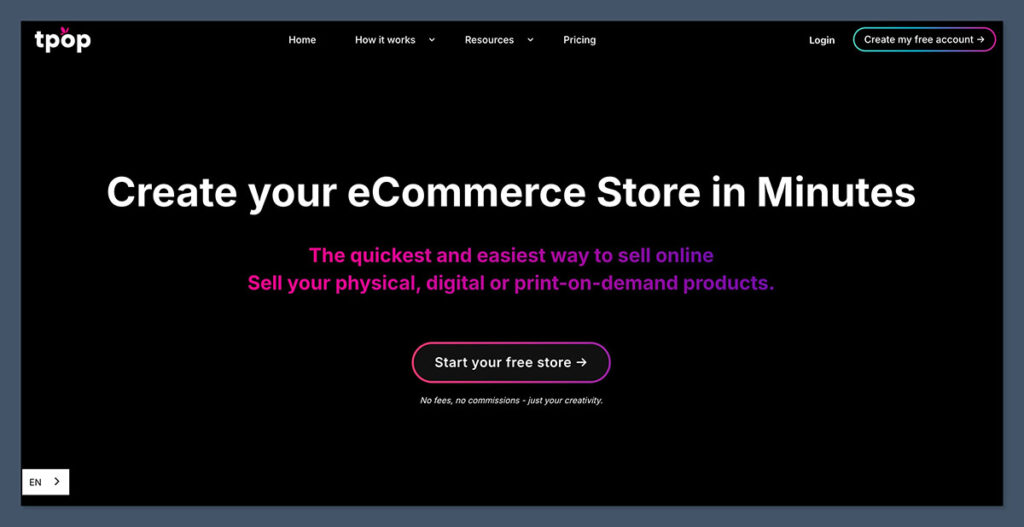
- TPOP: The premier choice for European brands with an eco-conscious ethos. Their plastic-free, water-based ink production is the industry benchmark for ethical apparel.
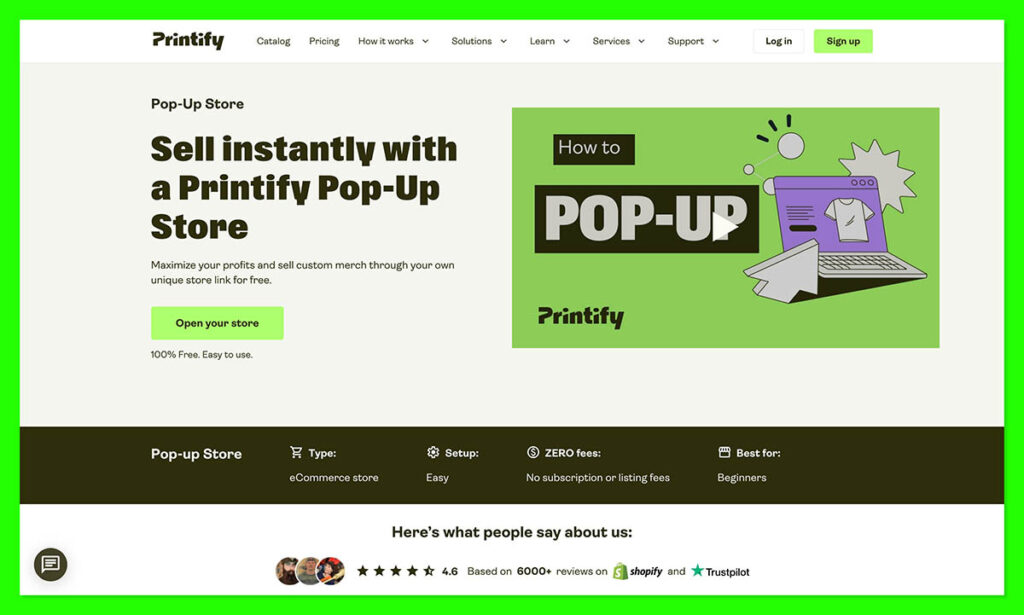
- Printify: The choice for margin-disciplined founders. It is not a factory, but a marketplace. By "sampling and locking" specific providers like Monster Digital or SwiftPOD, you can achieve premium results at a lower cost, provided you are willing to perform the necessary quality control.
- CustomCat: For US-based creators prioritizing speed, their 1–3 day production in Detroit is unmatched, particularly for high-volume embroidery orders.
Implications for Brand Owners
The core implication of this shift is that the "Print-on-Demand" label is becoming obsolete. We are moving into a phase of "On-Demand Manufacturing."
The Graduation Point
A common question among founders is when to exit the POD model. The data suggests that once a single SKU hits 100+ units of consistent monthly sales, the math begins to tilt toward bulk manufacturing. At this volume, per-unit costs can drop by 40–60%.
Pro-tip: When you eventually transition to bulk, ensure your specs match your POD recipe—the same blank, the same ink, the same label placement. A customer should never be able to tell that you’ve switched from POD to a bulk-stocked warehouse.
The "Sample-First" Rule
Regardless of the platform chosen, skipping the sample stage is the most expensive mistake a founder can make. Our testing revealed that even within the best platforms, slight alignment issues or label placement errors can occur. Treat samples as a necessary tax on your business. If a platform’s print fades or cracks before 30 wash cycles, it is not "premium"—it is a liability to your brand’s reputation.
Summary Comparison
| Platform | Best For | Premium Branding Potential | Base Tee Cost |
|---|---|---|---|
| Fourthwall | All-in-one creator brand | High (Branded slips/ink) | ~$11.75 |
| Apliiq | Private-label streetwear | Highest (Woven labels) | $7–$12 |
| Tapstitch | Heavyweight aesthetics | Medium (Neck prints) | $22.99 |
| Printful | Global fulfillment | Medium (Printed labels) | ~$11.75 |
| Gelato | International reach | Medium (Branded labels) | ~$11.75 |
| TPOP | Eco-conscious EU | Medium (Eco-packaging) | ~€10-15 |
| Printify | Margin optimization | Low (Provider dependent) | ~$11.75 |
| CustomCat | US-based embroidery | Low | ~$10-12 |
Conclusion: Which path to choose?
If you are a creator with an audience who wants to focus on building your brand rather than running a logistics firm, Fourthwall is the objective winner for 2026. Its ability to handle the entire lifecycle—from store creation to tax compliance—is unparalleled.
However, if your brand identity is built on the tactile feel of a sewn-in label, Apliiq remains the necessary partner for startup-volume private labeling. If your brand is defined by the "thicker is better" streetwear aesthetic, Tapstitch is the only one providing the necessary fabric weights.
The final takeaway is clear: the technology to print high-quality apparel on demand has arrived. The only variable remaining is the care you put into selecting your partner and the rigor you apply to your sampling process. Choose your engine, lock in your quality, and stop worrying about the ops—start building the brand.
 Dwi Wanna
  Lina Irawan
  Basiran