
 By rifanmuazin
In the hyper-competitive digital marketplace, the inbox has become a battleground. As major retail events like Black Friday, Cyber Monday, and the winter holiday season approach, consumers are bombarded with a barrage of "50% OFF EVERYTHING" and "FINAL CHANCE" notifications. For many businesses, the default reaction is to join the shouting match. However, the result is often mass deletion and a rapid decline in subscriber engagement.
The challenge for modern founders and marketing teams is clear: how to capitalize on seasonal spending surges without eroding brand equity or alienating a loyal audience. The secret lies not in louder volume, but in strategic precision, storytelling, and a sophisticated approach to customer psychology.
The Core Philosophy: Moving Beyond the Transactional
The fundamental shift required for effective seasonal marketing is moving away from purely transactional messaging. When a brand’s communication is limited to sales pitches, subscribers become conditioned to ignore those emails until they see a discount they can’t refuse—or worse, they simply unsubscribe to clear the clutter.
The most successful brands operate on a "Give-and-Take" philosophy. For every promotional email sent—the "take"—a brand should provide at least two pieces of content that offer genuine value: education, inspiration, or entertainment. By consistently providing value during non-peak times, a brand builds a reservoir of trust. When a sales email finally hits the inbox during a key shopping window, the recipient is far more likely to open it because the brand has established itself as a source of utility, not just a source of requests.
A Chronological Roadmap for Seasonal Success
Effective seasonal marketing is never a last-minute scramble. If a business is planning a Valentine’s Day campaign on February 13th, the opportunity for a high-converting, thoughtful campaign has already evaporated.
Phase 1: The Pre-Season Audit (Months Out)
Successful seasonal planning begins with a comprehensive content calendar. This does not mean creating a campaign for every minor holiday. Instead, it involves identifying the three to five key moments that truly resonate with a specific brand’s audience. By mapping these out months in advance, marketing teams can ensure that promotional efforts are bolstered by relevant, evergreen content that warms up the audience.
Phase 2: The Engagement Build-Up (Weeks Out)
During the weeks leading up to a major event, focus entirely on value. Use this time to share behind-the-scenes content, customer stories, or educational pieces related to the product category. This is the period to build anticipation. If you are launching a product, use this time to educate the customer on why the item was created, rather than how much it costs.
Phase 3: The Launch (The "Moment")
When the seasonal window arrives, the campaign should feel like a natural culmination of the content that preceded it. The "sales" portion of the communication should feel like a logical next step for the customer, not a desperate attempt to move inventory.
Phase 4: The Post-Season Retrospective
The most neglected phase is the post-mortem. After the season concludes, analyzing which segments responded best, which stories generated the most clicks, and which subject lines underperformed is essential for refining the strategy for the following year.
Supporting Data and The Psychology of Storytelling
The efficacy of storytelling in marketing is supported by significant psychological data. Research indicates that humans retain approximately 63% of information conveyed through stories, compared to a mere 5% when presented with standalone statistics.
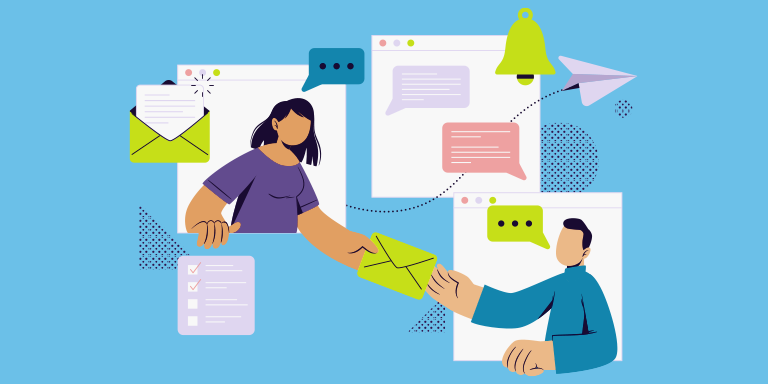
When a brand leads an email with a story—perhaps the origin of a product or the transformation of a customer’s life after using a service—it creates an emotional hook. A discount code is no longer just a reduction in price; it becomes an invitation to participate in a brand’s narrative. This context gives the offer "weight." It transforms the interaction from a commodity-based transaction into a relationship-based exchange.
Audience Segmentation: The End of "One-Size-Fits-All"
One of the most egregious errors in email marketing is the "blast" approach—sending the same message to every person on a list. This practice ignores the nuances of the customer journey and is the primary driver of high unsubscribe rates.
Effective segmentation divides the audience based on behavior and history:
- The New Subscriber: These individuals require brand storytelling and value-proposition education. They are not yet ready for a hard sell.
- The Loyal Customer: This segment has already invested in the brand. They respond better to exclusive access, early-bird invitations, and rewards that acknowledge their history with the company.
- The Window Shopper: These individuals have browsed or added to cart but haven’t committed. Seasonal campaigns for this group should focus on overcoming specific objections or highlighting the limited-time nature of a product.
By utilizing modern marketing automation tools, even solo founders can manage these segments effectively. Segmentation allows for a personalized experience that makes the recipient feel that the brand actually understands their needs.
Creating Urgency Without Desperation
Urgency is a powerful psychological trigger, but it is often misused. When a brand sends ten "LAST CHANCE" emails in 24 hours, they stop creating urgency and start creating annoyance.
True, sustainable urgency is rooted in authenticity. Examples include:
- Exclusivity: Offering early access to a sale for a specific segment of the list. This makes the customer feel special, not pressured.
- Genuine Scarcity: If a product is truly limited in quantity or only available for a specific window, state that clearly. When the limit is real, the urgency is respected by the consumer.
- The "Queue" Effect: By building anticipation ahead of a launch—as seen in successful direct-to-consumer (DTC) brands—the brand creates a "drop" culture where customers are waiting for the email, rather than being chased by it.
The Implications of Automation
The evolution of marketing technology has changed the landscape for small-to-medium enterprises. Automation platforms, such as Omnisend, allow founders to set up complex workflows that handle the "heavy lifting" of customer communication.
The implication here is that the founder is freed to focus on the creative side of the business—the storytelling, the product design, and the community engagement. When automation manages the triggers based on user behavior (e.g., cart abandonment, post-purchase follow-ups), the marketing becomes "always-on" without requiring the founder to be at their desk 24/7.
Conclusion: Treating Customers as People, Not Transactions
The most effective seasonal email strategies share a common thread: respect for the recipient’s time and attention. By shifting from a mindset of "shifting units" to one of "building relationships," businesses can achieve sustainable growth.
When you treat your subscribers as people, they reward you with loyalty. When you treat them as transactions, they reward you with the "unsubscribe" button. As we look toward the future of digital retail, those who master the delicate balance of authentic storytelling and intelligent, automated targeting will be the ones who thrive, even in the most crowded digital rooms. The goal of every seasonal campaign should be to leave the customer feeling better for having read your email, regardless of whether they ultimately clicked "buy."
 Basiran
 Azzam Bilal Chamdy
 Asep Darmawan
