
 By Iffa Jayyana
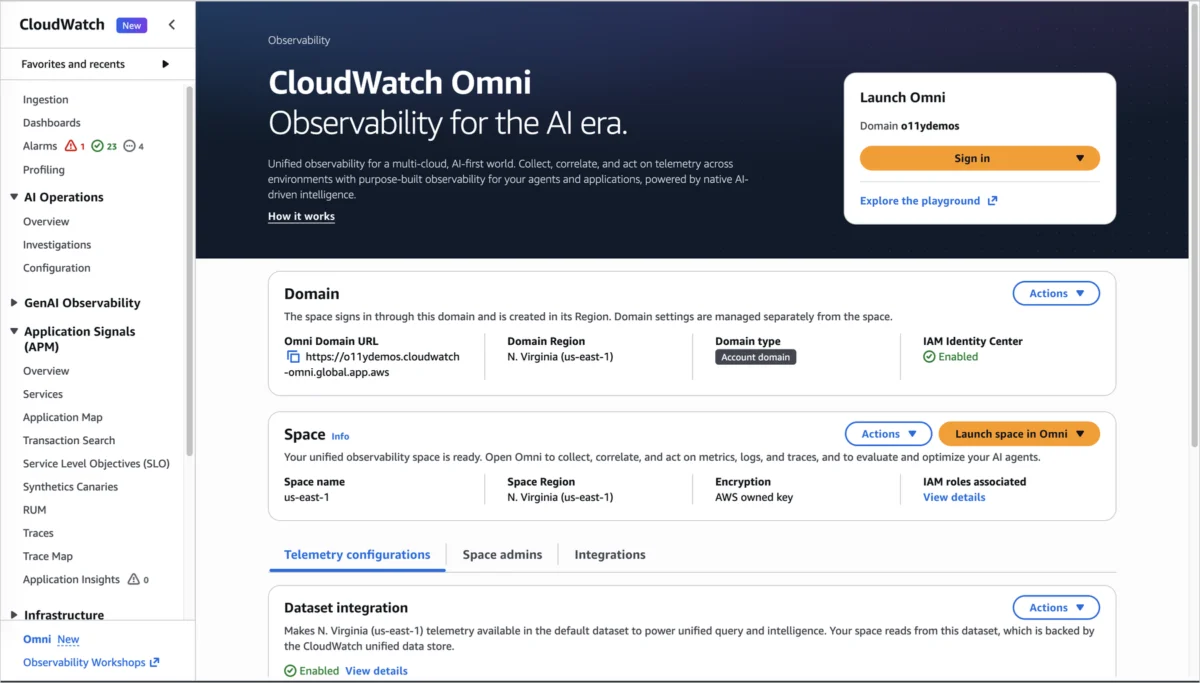
SEATTLE — In a major leap forward for cloud operations and software engineering, Amazon Web Services (AWS) has officially announced the launch of Amazon CloudWatch Omni. This cutting-edge, AI-powered observability experience is engineered to tackle the modern complexity of managing distributed applications, microservices, and increasingly prevalent generative AI agentic workloads. By decoupling monitoring from the standard AWS Management Console and anchoring it in a collaborative, application-centric workspace, Omni seeks to eradicate the fragmented troubleshooting workflows that have long plagued engineering teams.
The release arrives at a critical juncture in software development. As organizations rapidly scale cloud-native infrastructures and deploy sophisticated artificial intelligence agents, the sheer volume of operational telemetry—logs, metrics, traces, and alarms—has outpaced traditional monitoring tools. Engineering organizations routinely spend countless hours manually updating static dashboards, tuning thresholds, and piecing together disparate data points during high-pressure incidents. CloudWatch Omni is designed to fundamentally transform this paradigm.
Main Facts: What is Amazon CloudWatch Omni?
At its core, CloudWatch Omni is an advanced, unified observability platform built on top of OpenTelemetry. It provides a dedicated portal for an organization where developers, site reliability engineers (SREs), database administrators, and managers can collaborate in real time during incidents without requiring direct access to the AWS Management Console.
Key pillars of the new offering include:
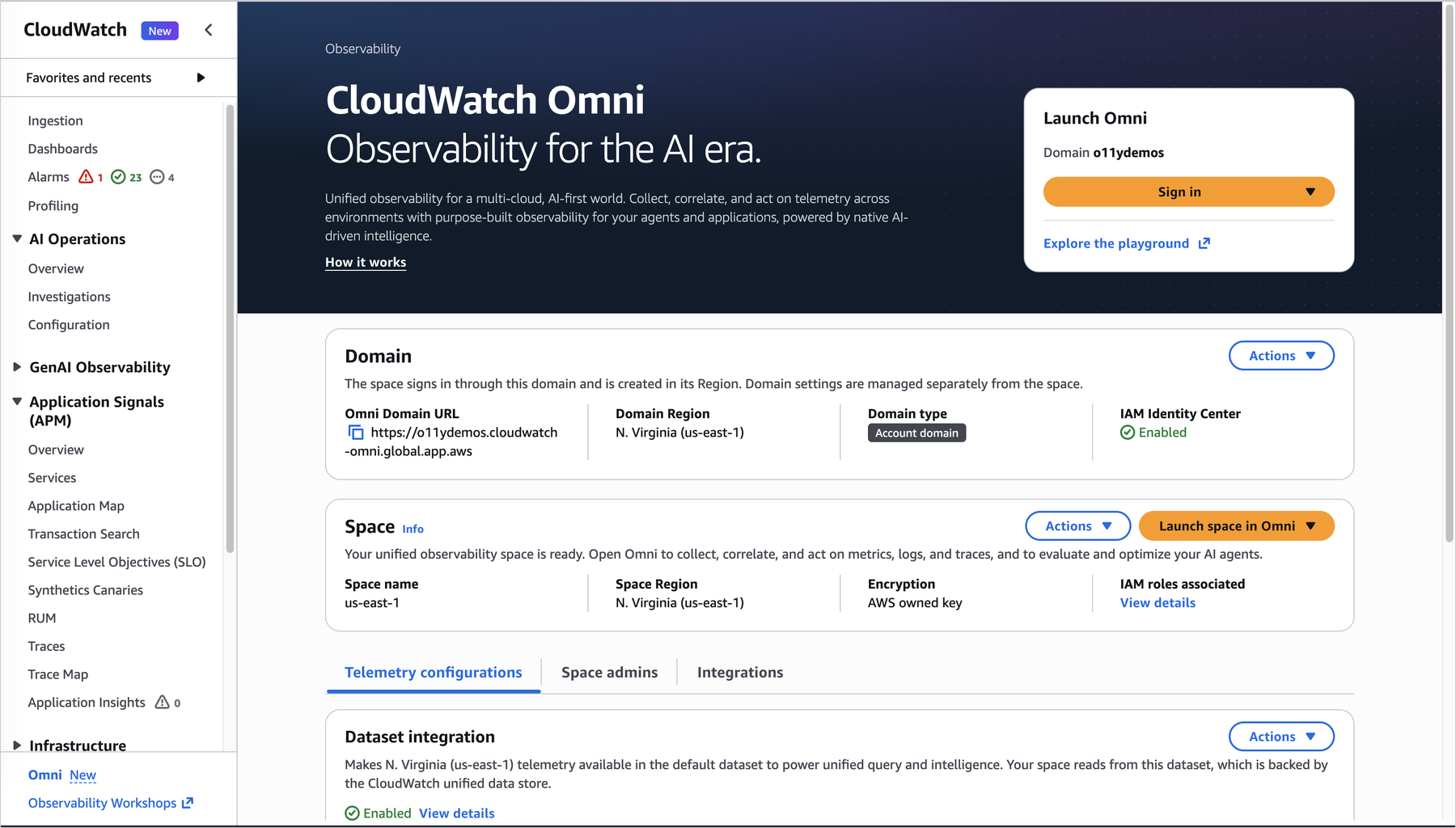
- Decoupled, Enterprise-Grade Access: Users log in through a dedicated organizational URL utilizing enterprise Single Sign-On (SSO) via AWS IAM Identity Center, integrating seamlessly with identity providers such as Okta and Microsoft Entra ID.
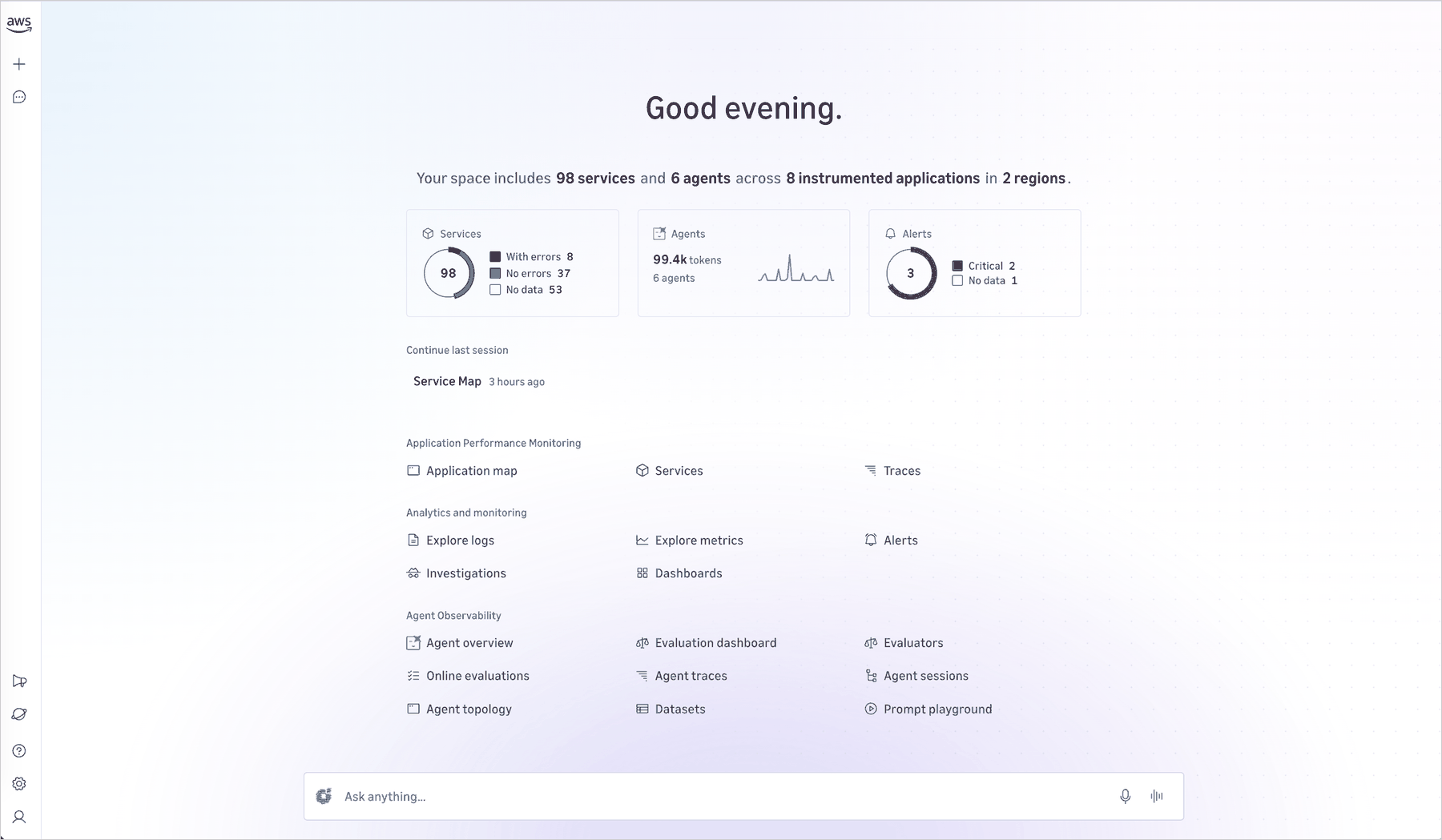
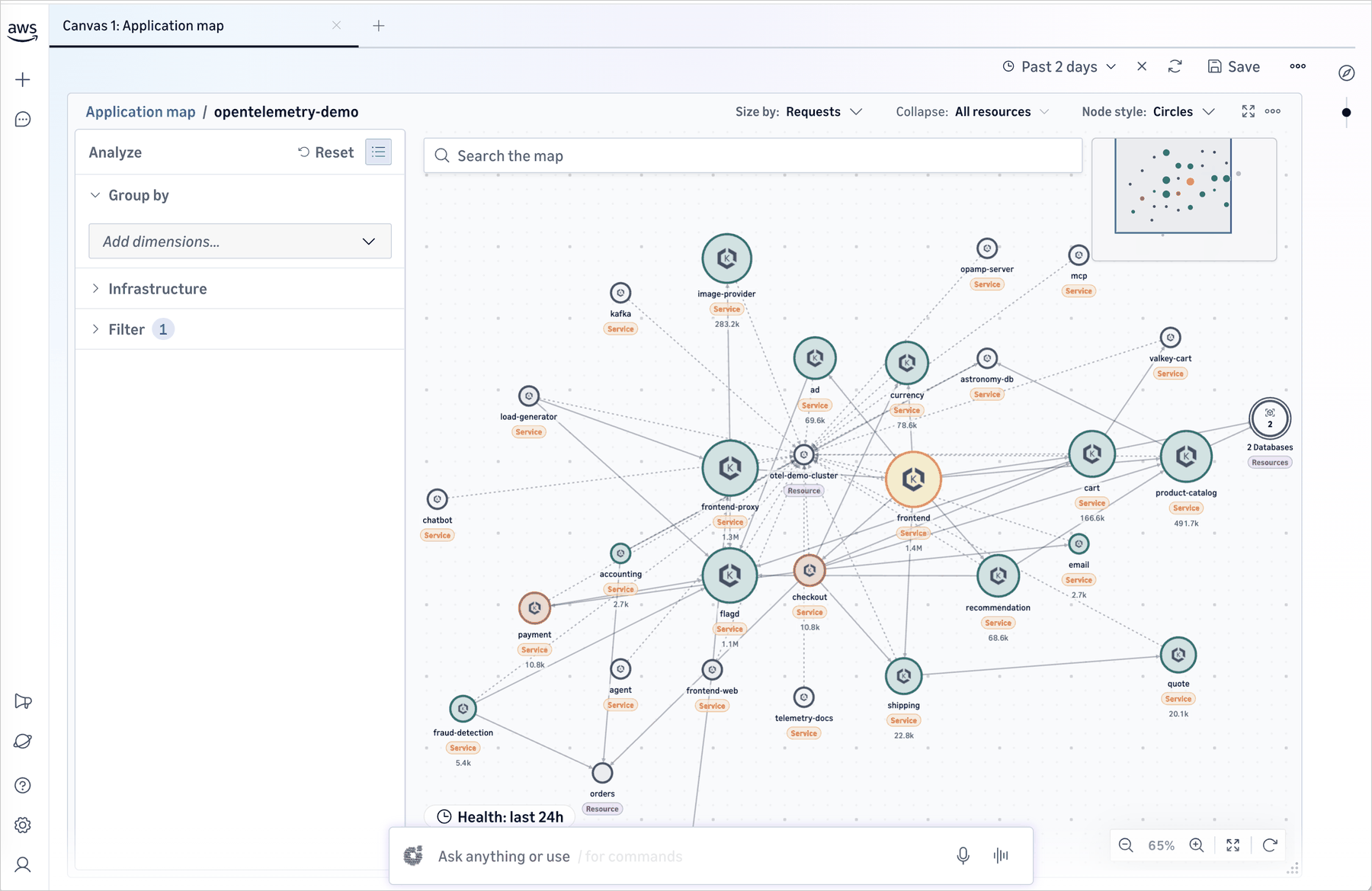
- Unified Application-Centric Architecture: Rather than forcing teams to monitor isolated infrastructure components or raw signals, Omni automatically discovers services, maps dependency topologies, and groups applications into custom team workspaces known as "Spaces."
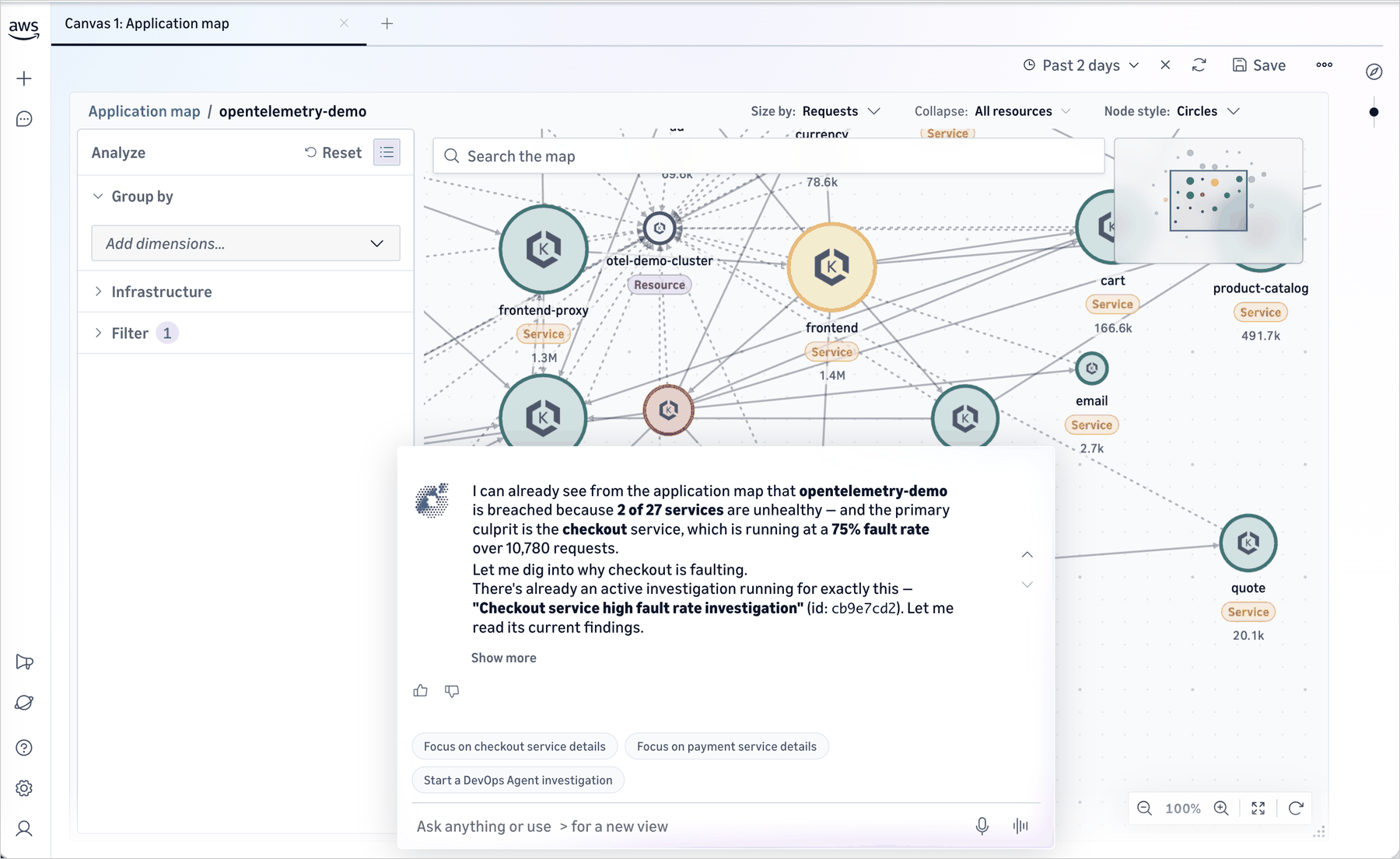
- Built-in Generative AI Capabilities: Leveraging the integrated Amazon DevOps Agent, Omni participates actively in live incident investigations. It correlates signals across disparate services, traces root causes through dynamic dependency graphs, and answers natural language queries about application health.
- OpenTelemetry Native: Operating natively on OpenTelemetry (OTLP), existing telemetry flowing into CloudWatch appears automatically inside Omni with zero reconfiguration, while other workloads can easily stream data via standard OTLP endpoints.
Chronology: The Evolution Toward Autonomous Observability
The journey toward CloudWatch Omni reflects years of shifting enterprise demands, moving from basic infrastructure monitoring to sophisticated, application-aware, and AI-driven telemetry.
- Early Cloud Monitoring Era: Initially, cloud monitoring relied heavily on isolated metrics and static logs. Teams built custom dashboards for individual EC2 instances, databases, and load balancers, leading to siloed visibility.
- The Microservices Explosion: As architectures transitioned from monolithic designs to distributed microservices and containerized environments (such as Kubernetes), tracking the lifecycle of a single user request across dozens of services became exponentially harder, necessitating distributed tracing and OpenTelemetry standards.
- The Rise of Generative AI Workloads: With the explosion of Large Language Models (LLMs) and autonomous AI agents in recent years, traditional monitoring tools fell short. Tracing non-deterministic AI agent behavior required entirely new evaluation frameworks and real-time behavioral monitoring.
- The Omni Breakthrough: AWS addressed these escalating complexities by conceptualizing a unified platform that combines traditional application observability with purpose-built agent observability. Released in September 2026, CloudWatch Omni synthesizes these capabilities into a single, cohesive interface equipped with conversational AI support via the Amazon DevOps Agent.
Supporting Data and Technical Architecture
To understand the operational impact of CloudWatch Omni, it is necessary to examine how it processes telemetry data and structures team workflows. Traditional observability solutions often require heavy data duplication or expensive migration steps when introducing new tools. Omni bypasses this friction.

Zero Data Movement
CloudWatch Omni connects directly to existing Amazon CloudWatch data repositories. When a team establishes a "Space" within Omni, the platform points directly at existing logs, metrics, traces, and alarms. This architecture ensures that organizations do not incur additional data transfer costs or storage overheads simply by adopting the new user experience.
Dynamic Topologies vs. Static Dashboards
In legacy monitoring environments, engineers spend valuable cycles maintaining static dashboards. When a service is added, deprecated, or restructured, dashboards frequently go stale. CloudWatch Omni automates this lifecycle:
- Discovery: The system automatically discovers services through telemetry ingestion and AWS Config resource discovery.
- Mapping: It dynamically constructs a live application topology map.
- Adaptation: As developers deploy new code or modify architectures, alarms and dependency maps adjust automatically based on declared availability targets, latency budgets, and error rate thresholds.
The Investigation Lifecycle in Action
During a typical production incident—such as an unexpected spike in error rates within a checkout service—Omni radically accelerates time-to-resolution.
Instead of forcing an on-call engineer to jump between Slack threads, terminal windows, and separate metric dashboards, Omni instantly opens a pre-loaded investigation session. The platform surfaces correlated events, such as a recent software deployment 10 minutes prior or elevated latency from a downstream payment API. The Amazon DevOps Agent reviews the telemetry alongside the human team, highlighting potential root-cause paths.
When the incident escalates to a secondary team (for instance, the payments engineering group), the new team member joins the exact same collaborative session, instantly inheriting the full investigation history, trace views, and AI-driven correlations. Once the issue is resolved, the session history is automatically captured, eliminating the administrative burden of writing separate manual incident post-mortems.
Official Responses and Industry Perspective
AWS engineering leaders emphasize that Omni was built in direct response to customer fatigue regarding tool sprawl and context loss during critical incidents.
"Engineering teams told us loud and clear that they spend too much time fighting their observability tools rather than fixing their applications," noted product development leads at AWS during the launch. "When an issue crosses team boundaries, context evaporates into scattered screenshots and long Slack archives. With CloudWatch Omni, we are bringing everyone—developers, SREs, and managers—into a single collaborative, AI-assisted workspace where the system adapts to the application, not the other way around."
Industry analysts have similarly highlighted the significance of the release, noting that the integration of the Amazon DevOps Agent transforms CloudWatch from a passive data repository into an active, analytical partner during high-stress operational events. By democratizing telemetry access through secure enterprise SSO, organizations can break down traditional silos between software development and infrastructure operations.
Implications for the Enterprise
The rollout of Amazon CloudWatch Omni carries profound implications for enterprise software engineering, DevOps practices, and financial management in the cloud.
1. Enhanced Cross-Functional Collaboration
By removing the barrier of the AWS Management Console and providing a dedicated URL governed by enterprise identity providers (Okta, Microsoft Entra ID), organizations can safely extend observability access to a broader swath of stakeholders. Product managers, customer support leads, and database administrators can view application health metrics and active investigation sessions in real time without risking unauthorized changes to underlying AWS infrastructure.
2. Accelerated Mean Time to Resolution (MTTR)
Incidents are expensive, both in terms of lost revenue and engineer burnout. By automating the correlation of disparate signals—such as linking a container deployment to a database latency spike—and leveraging generative AI to suggest next steps, Omni significantly compresses MTTR. The automated capture of investigation histories further ensures institutional knowledge is preserved for future system hardening.
3. Comprehensive Coverage for AI-Driven Systems
As enterprises race to integrate generative AI and autonomous agents into their core products, monitoring these non-deterministic workloads has become an urgent priority. By pairing application observability with specialized generative AI monitoring (covering trace exploration, evaluation frameworks, and real-time agent behavior), Omni equips modern engineering organizations to safely scale AI initiatives without flying blind.
Getting Started
Current Amazon CloudWatch customers can begin exploring the platform immediately by navigating to the CloudWatch console and selecting the "Try CloudWatch Omni" option. Organization-wide deployment can be configured in minutes via IAM Identity Center, allowing administrators to define tailored Spaces, connect multi-cloud or hybrid environments using OTLP endpoints, and onboard engineering teams without re-architecting existing telemetry pipelines.
 Sagoh
 Siti Muinah
 Reynand Wu
