
 By rifanmuazin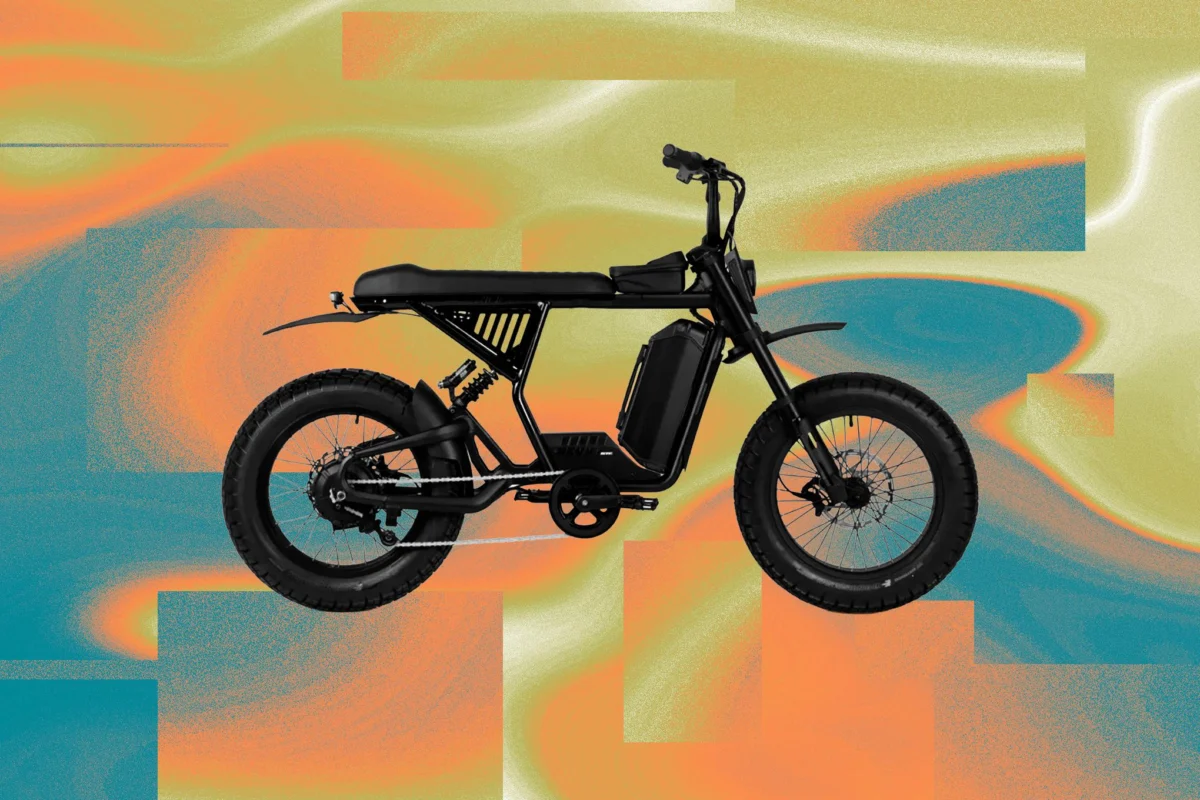
This is The Stepback, a weekly newsletter breaking down the essential stories from the tech world. For more on e-bikes, power stations, and how to work from anywhere, follow Thomas Ricker. The Stepback arrives in our subscribers’ inboxes at 8AM ET.
The Volatile Reality of Our Current Energy Landscape
As we move deeper into the second quarter of the 21st century, our reliance on lithium-ion batteries has become absolute. They power the digital economy, enable personal mobility, and serve as the heartbeat of our portable electronics. However, this dependence has introduced a harrowing public safety crisis. The volatile nature of traditional liquid electrolytes—the core component of the lithium-ion batteries currently in our pockets and garages—has become an undeniable hazard.
From reports of e-bike batteries exploding like grenades in apartment stairwells to power banks spontaneously combusting mid-flight on commercial airliners, the thermal runaway associated with these cells is no longer a fringe issue; it is a global crisis. The chemistry is inherently precarious: when a standard lithium-ion cell is damaged, punctured, or overheated, the flammable liquid electrolyte can ignite, releasing toxic gases and creating intense, self-sustaining fires that are notoriously difficult to extinguish.
A Chronology of Crisis and the Quest for a "Miracle"
The urgency for a safer alternative has been building for years, punctuated by a string of regulatory interventions.
The Regulatory Crackdown
By 2025, the U.S. Consumer Product Safety Commission (CPSC) reached a breaking point. The commission issued massive recalls affecting nearly 1.9 million power banks from industry leaders like Anker, Baseus, and INIU. Simultaneously, the e-bike sector faced a reckoning; tens of thousands of units were recalled due to fire concerns, culminating in a rare, stern warning from the CPSC urging consumers to immediately stop using batteries found in several popular Rad Power Bikes models.
The Solid-State Mirage
For over a decade, the industry has pointed toward "solid-state" technology as the panacea. The promise was seductive: a battery that replaces the volatile liquid with a solid electrolyte, resulting in cells that are non-combustible, energy-dense, lightweight, and capable of rapid charging.
When "Donut Lab" claimed to have developed a "miracle" solid-state battery that was ready for immediate mass production, the tech world paused. Investors and enthusiasts alike wanted to believe that the era of combustion-prone lithium was over. Alas, the claim was scrutinized, challenged, and ultimately debunked. The "miracle" was, in reality, a premature promise that ignored the massive manufacturing hurdles required to move solid-state from the lab to the assembly line.
Supporting Data: The Rise of the "Semi-Solid" Solution
While the world was fixated on the hype cycle of pure solid-state batteries, a quieter, more pragmatic revolution was occurring: the emergence of the "semi-solid-state" battery. These are not merely a theoretical exercise; they are currently occupying the "middle ground" between current liquid-based cells and the elusive solid-state future.
How it Works
Semi-solid-state batteries utilize a gel-like, polymer-infused electrolyte. This composition provides the safety benefits of a solid structure—specifically, a significantly reduced risk of thermal runaway—while retaining the electrochemical flow of a liquid. Crucially, they do not require a total overhaul of existing manufacturing infrastructure. Because they function similarly to traditional cells, they can be produced on the same assembly lines that have been churning out lithium-ion batteries for years, drastically lowering the barrier to entry.
The Performance Advantage
In April 2025, we reviewed the first consumer-grade semi-solid-state power bank from Kuxiu. The results were telling. While these units carry a modest price premium, the trade-off is superior:
- Energy Density: They pack more capacity into the same physical footprint.
- Cold-Weather Performance: They maintain efficiency in temperatures that typically cripple standard batteries.
- Longevity: They boast lifespans two to three times longer than traditional lithium-ion equivalents.
Perhaps most convincingly, social media and lab reports are filled with "torture tests"—videos of technicians using hammers, drills, and knives to puncture these cells. While traditional liquid-electrolyte batteries ignite instantly under such stress, semi-solid cells remain stable, proving their resilience in real-world accident scenarios.
Official Industry Shifts: From Niche to Mainstream
The transition to semi-solid-state is no longer limited to niche power banks; it is rapidly becoming the standard for the personal electric vehicle (PEV) industry.
Leading the Charge: Ride1Up and Giant
Ride1Up has positioned itself at the forefront of this shift in the United States. With the introduction of the Revv1 EVO, billed as the "world’s first semi-solid-state electric bike," the company is setting a new benchmark. The 1,040Wh battery, engineered by Heyuan Lithium Inno, is rated for 1,200 charging cycles—a massive leap over the 500-cycle industry standard. It is slated to begin shipping in August 2026, signaling a major shift in how e-bike manufacturers are approaching liability and consumer safety.
Global giant Giant has also confirmed it is integrating semi-solid-state technology into its future fleet. By partnering with T&D—a spinoff of the component powerhouse Bafang—Giant intends to deploy these batteries across at least five new models. According to reports from Bike Europe, the T&D batteries provide 50 percent more capacity while allowing for a 21 percent reduction in total frame-integrated weight, a massive win for performance cyclists.
The Smartphone Convergence
The smartphone industry is also quietly adopting this architecture. Chinese manufacturers, known for rapid innovation cycles, have begun pairing semi-solid electrolytes with silicon-carbon anodes. The Vivo X200 series, launched in 2024, and the subsequent X300 Ultra, utilize BlueVolt-branded batteries that demonstrate this hybrid chemistry. By moving away from traditional graphite anodes toward silicon-carbon, these phones are achieving higher energy density without the safety trade-offs of the past.
Implications: The Regulatory Tailwind
Why is this shift happening now? The answer lies in increasingly stringent regulations, particularly those originating from China.
The "Puncture Test" Mandate
As of December 2025, new regulations in China require e-bike batteries to undergo rigorous puncture testing. If a battery triggers a fire or explosion during such a test, it cannot be certified for sale. This effectively forces manufacturers to abandon traditional liquid electrolytes if they want to remain competitive in the global market. Furthermore, the "CCC" (China Compulsory Certificate) mark—a prerequisite for air travel—now places high-performance demands on power banks that only semi-solid or advanced chemistries can consistently meet.
A Global Safety Standard
The implications for the rest of the world are profound. China controls a massive portion of the global battery supply chain. As their domestic assembly lines retool to meet these safety standards, the economies of scale will drive down the cost of semi-solid-state cells globally.
For the United States, this provides a much-needed lifeline. The current American regulatory environment is a chaotic, fragmented patchwork of city ordinances and optional, inconsistent UL certifications. By importing the safety standards established by the Chinese regulatory shift, we may see a "trickle-down" of safety that effectively mandates safer battery tech without the need for cumbersome, slow-moving federal legislation.
Conclusion: A Pragmatic Future
We have been promised a "solid-state revolution" for years, only to be met with vaporware and debunked "miracles." However, the arrival of the semi-solid-state battery proves that the most effective solutions are often those that evolve alongside existing technology rather than attempting to destroy it overnight.
By bridging the gap between current manufacturing capabilities and the next generation of materials science, the industry is finally addressing the fire risks that have plagued the electric transition. We may not have the perfect "solid-state" dream yet, but we are entering an era where our devices, e-bikes, and home power stations are finally becoming the safe, reliable, and powerful tools they were always meant to be.
As for the true solid-state battery? We will keep watching the labs. But for now, the "semi-solid" reality is more than enough to power the future.
 Raul Delapena Setiawan
  Siti Muinah
  Asro
Asro 