
 By Lina Irawan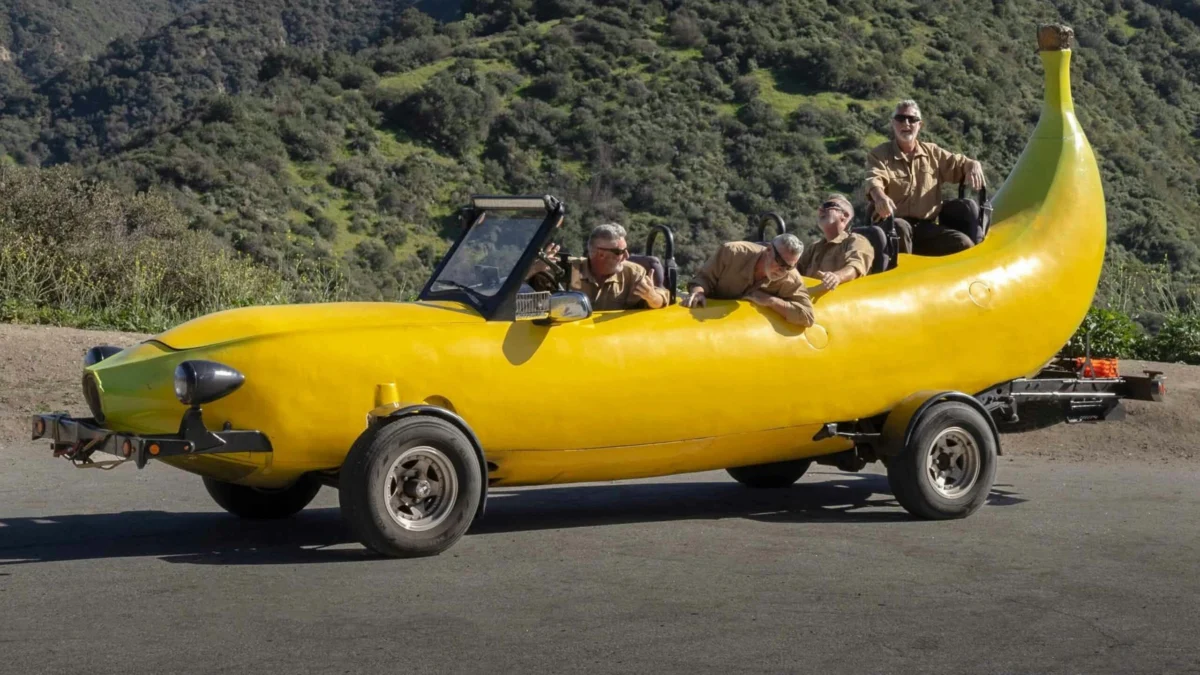
Main Facts: A Yellow Streak on the Highway
In the landscape of American automotive culture, which is dominated by muscle cars, sleek imports, and rugged off-road trucks, one vehicle stands out for its sheer, unadulterated absurdity. It is 23 feet long, painted a vibrant, impossible shade of yellow, and shaped exactly like a giant tropical fruit. It is the "Big Banana Car," and for its creator, Steve Braithwaite, it is more than just a custom build—it is a mission statement.
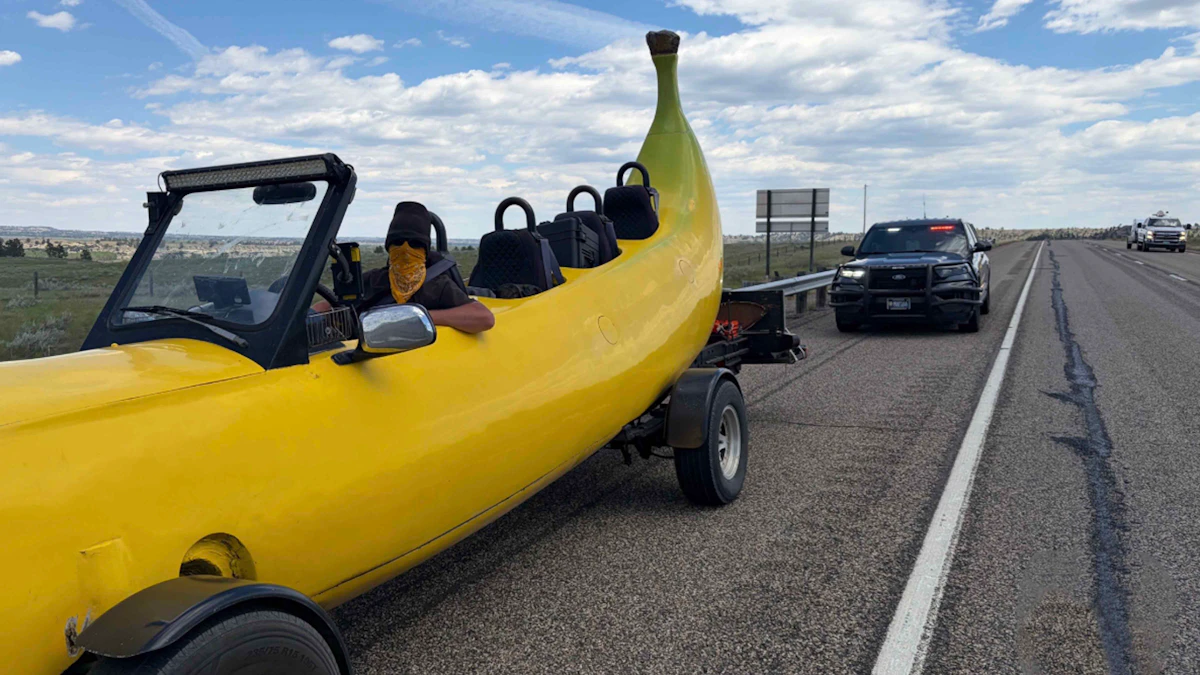
On a quiet Wednesday afternoon in Billings, Montana, the Big Banana Car found itself in a familiar position: pulled over by local law enforcement. As the siren wailed and the overhead lights flashed, Braithwaite did not panic. He simply pulled his documents from the glove box and prepared for the routine. After 15 years on the road, Braithwaite has become something of a connoisseur of police stops. While the officer cited a minor technicality regarding the vehicle’s license plate, no ticket was issued. Instead, the encounter followed the well-worn script of the past decade and a half: a brief check of credentials, a look of genuine disbelief, and inevitably, a request for a photo.
Chronology: From Gas Station Inspiration to Global Icon
The odyssey of the Big Banana Car did not begin in a professional workshop or a high-end design studio. It began in 2008, in the mundane setting of a gas station. Braithwaite, a lifelong hot-rod enthusiast who had grown weary of the repetitive nature of traditional car shows, was looking for a spark of inspiration.
His creative appetite had been whetted by an episode of the British cult classic television show Top Gear, which showcased street-legal oddities like drivable furniture and motorized sheds. For weeks, Braithwaite looked at every object in his daily life—drills, lawnmowers, household appliances—and asked the same question: "Can I turn that into a car?"
The answer arrived when he stood beside a bowl of fruit at a local store. He caught sight of a particularly straight, unblemished banana. In a flash of geometric clarity, his mind mapped the chassis, the windshield, and the wheels onto the fruit’s silhouette. The image was so preposterous that he began to laugh uncontrollably in the checkout line, forcing a nearby shopper to tap him on the shoulder to ensure he was alright.
"If it makes me laugh now, I’m going to do it," Braithwaite decided.
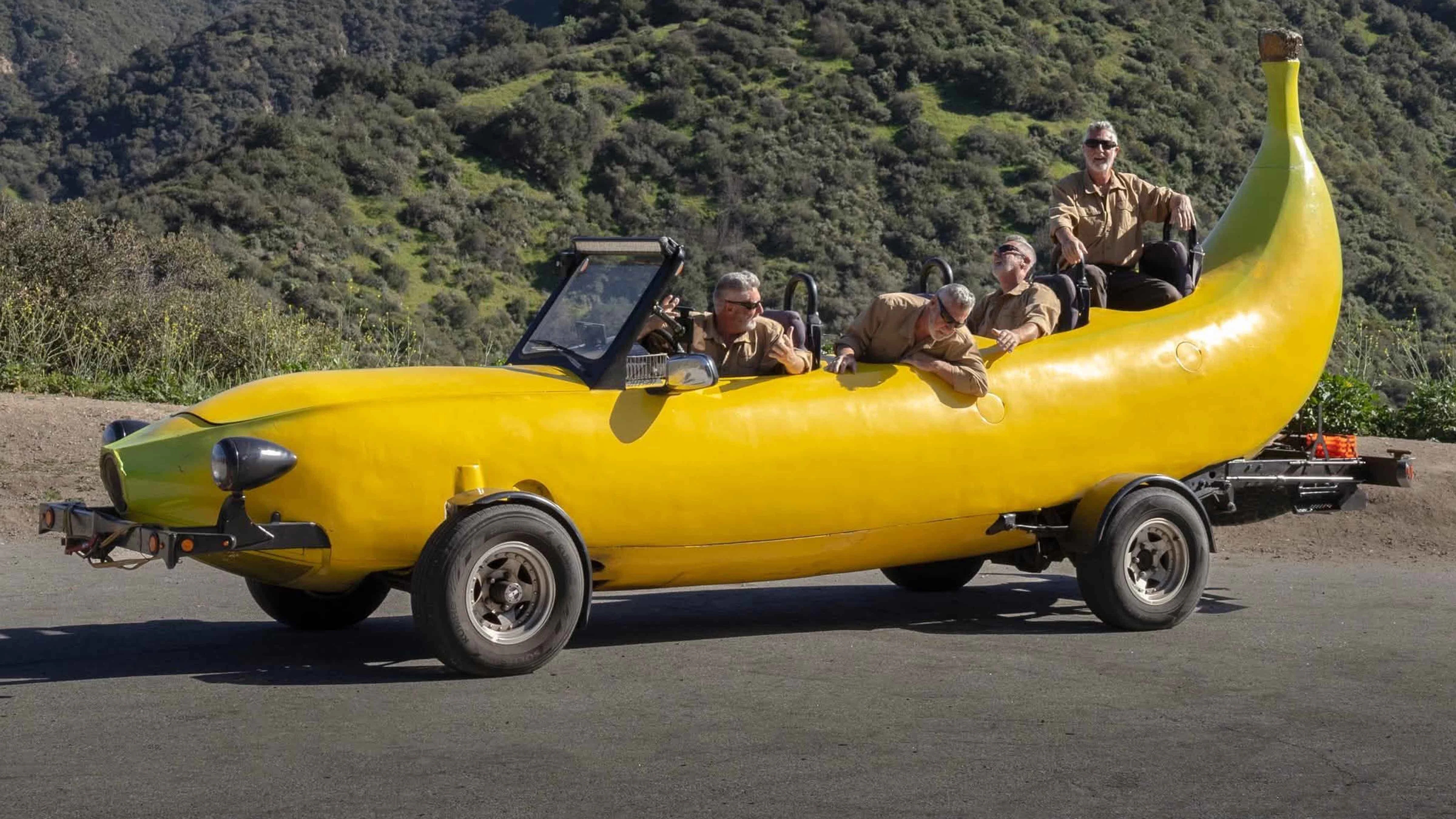
He set to work, converting a truck chassis into the base for his yellow behemoth. What he envisioned as a one-time parade novelty quickly morphed into his daily driver. Over the last 15 years, the Big Banana Car has logged more than 250,000 miles, traversing the United States, dipping into Mexico, and surviving countless mechanical close calls, including a notorious breakdown in the desolate reaches of the Wyoming wilderness.
Supporting Data: The Statistics of Smiles
The life of the Big Banana Car is quantified not just in miles, but in interactions. Braithwaite estimates that during the first eight to nine years of the vehicle’s existence, he was arguably the most frequently pulled-over civilian driver in the United States.
The reasons for these stops vary, but they rarely involve moving violations. Instead, they are the result of intense curiosity. Law enforcement officers, like the general public, are often compelled to investigate the 23-foot banana simply because they have never seen anything like it. Braithwaite notes that the "banana jokes" are a permanent fixture of his life. He recounts a favorite incident in a West Virginia mountain town, where an officer pulled him over after he made a turn at a green light. With a perfectly straight face, the officer informed him, "The reason I pulled you over—that light back there? You peeled out."
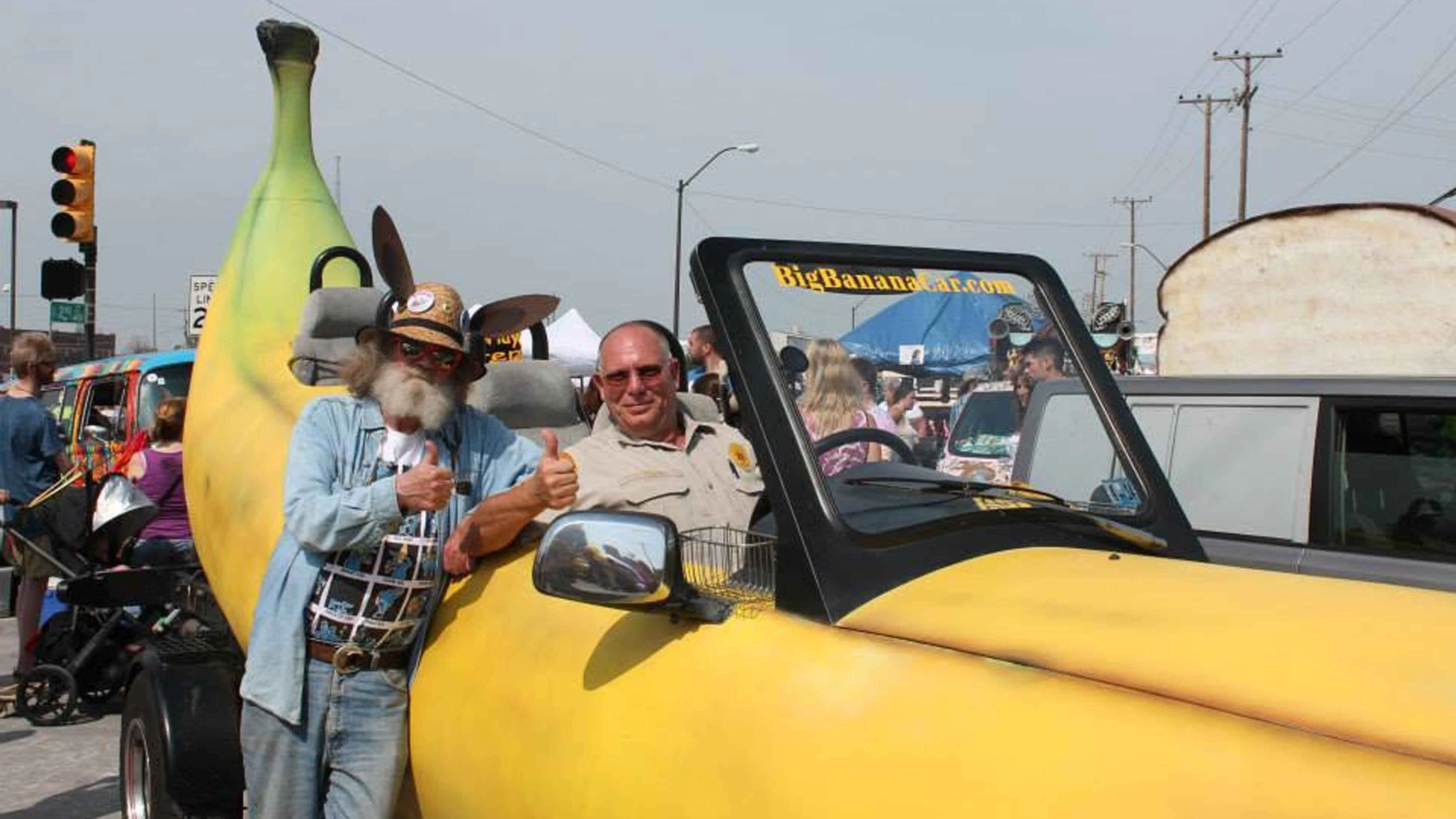
These interactions highlight a unique intersection between law enforcement and public engagement. For the most part, the stops are friendly, brief, and provide a moment of levity in an otherwise high-stress profession. Whether he is in a rural town in Appalachia or navigating the bustling streets of a Mexican border city—where he was pulled over five times in a single three-day span—the reception remains consistent: delight, amusement, and a demand for a snapshot.
Official Responses and Perspectives
The automotive community has taken note of Braithwaite’s commitment to the craft. Tom Morton, a noted car enthusiast based in Casper, Wyoming, views the project with a mix of bemusement and respect. "What’s next? Asparagus street rods?" Morton quipped. However, he admits that the project succeeds because of its sincerity. "I like it. It’s an original, and in a world of factory-produced replicas, that’s a rare commodity."
Braithwaite’s own perspective on the project has shifted from a lighthearted experiment to a philosophical stance. He has begun to view his creation as a vessel for "whimsy." He is currently planning an ambitious venture he calls "The World Needs More Whimsy Grand Tour." The goal is to drive the banana through Central America, ship it across the oceans, and eventually circumnavigate the globe.
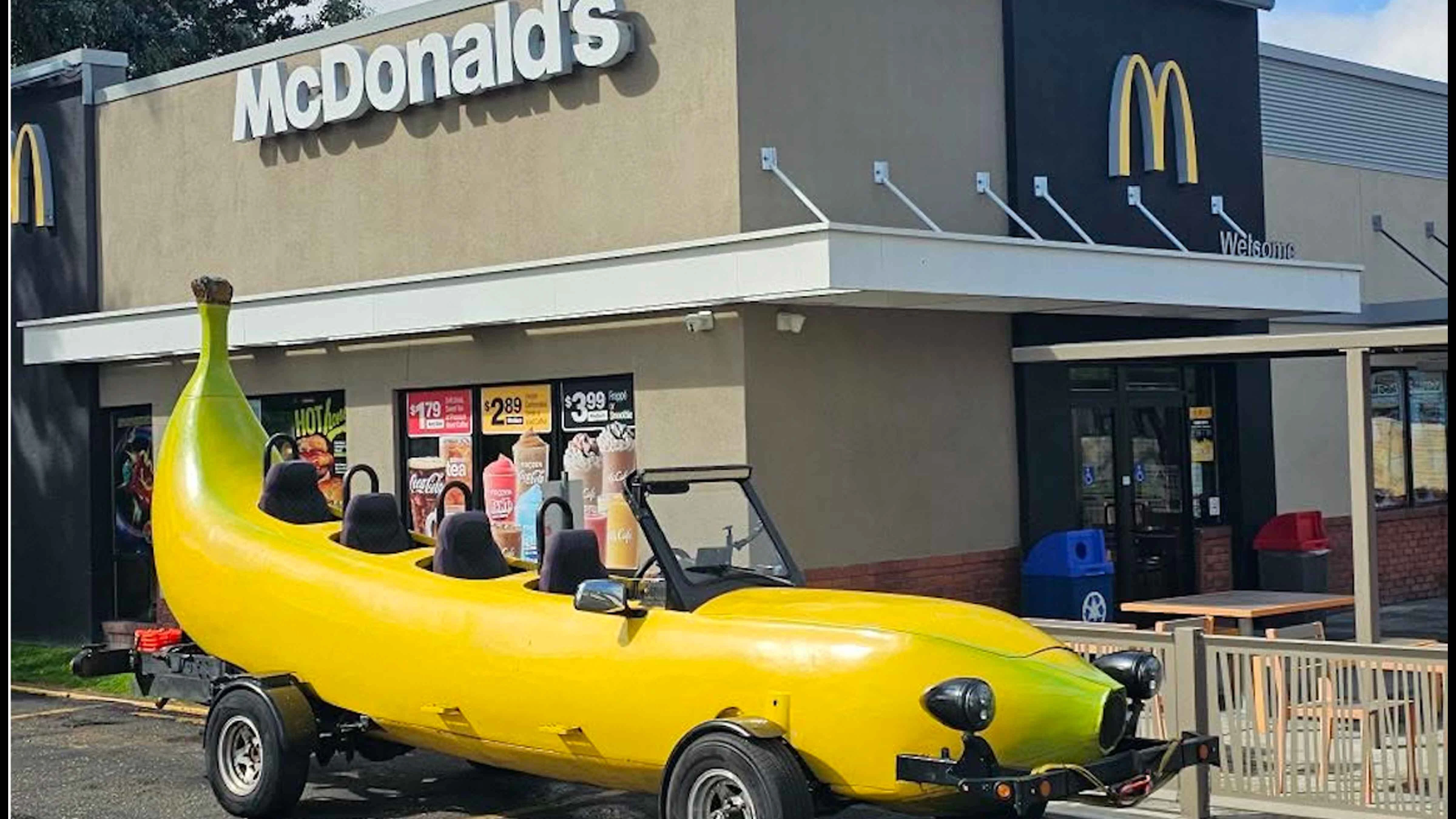
Part of his grand ambition includes a desire to challenge the Oscar Mayer Wienermobile to a race. While Kraft, the parent company of the iconic hot-dog-shaped vehicle, has been hesitant to engage in a formal competition, Braithwaite remains undeterred. He frames the potential race not as a contest of speed, but as a contest of nutrition—a "healthy food" race where he feels the banana holds the moral high ground.
Implications: Why Whimsy Matters
The enduring popularity of the Big Banana Car speaks to a deeper cultural deficit. In an era often defined by digital isolation and rapid-fire news cycles, the appearance of a 23-foot-long yellow fruit on a highway creates a "third space" for connection. It forces strangers to stop, interact, and laugh at the same thing.
Braithwaite’s insistence that "the world is dangerously low on whimsy" serves as the core thesis of his project. By dedicating his life to the maintenance and navigation of such an absurd machine, he is providing a service that transcends automotive culture. He is a roving reminder that the world does not have to be entirely logical to be functional.
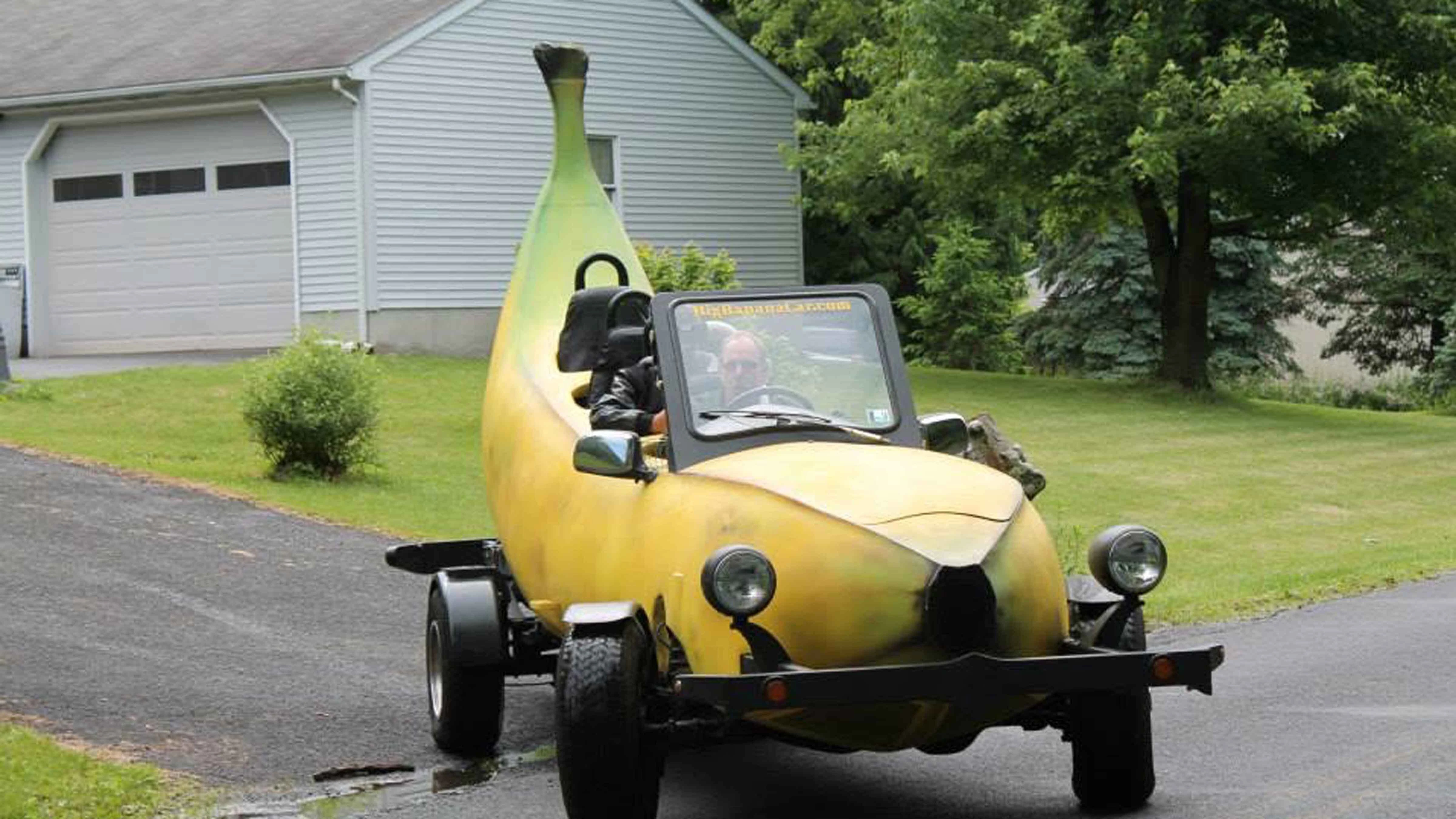
The Big Banana Car’s journey from a gas station epiphany to a global symbol of lightheartedness underscores the power of personal passion. Whether he is arguing with a police officer about whether he "peeled out" of an intersection or navigating the lonely, winding roads of the American West, Braithwaite is proving that one person’s commitment to a strange, funny idea can change the atmosphere of an entire community.
As he prepares for the next leg of his tour, Braithwaite shows no signs of slowing down. For him, the road ahead is not just a series of highways, but a canvas for his next banana-themed exploit. He continues to drive, to laugh, and to collect stories, one stop at a time. In the end, the Big Banana Car is more than just a car; it is a rolling manifesto, reminding everyone who sees it that even in the most serious of times, there is always room for a little bit of potassium-powered joy.
The world may be short on whimsy, but as long as Steve Braithwaite is behind the wheel, the road is at least a little bit brighter. Whether he is racing a hot-dog-shaped truck or simply navigating the streets of Billings, he remains a singular figure in the American landscape—a man who looked at a banana and decided to change the world, one traffic stop at a time.
 rifanmuazin
  Layla Zulfa
  Evan Lee Salim