
 By Lina Irawan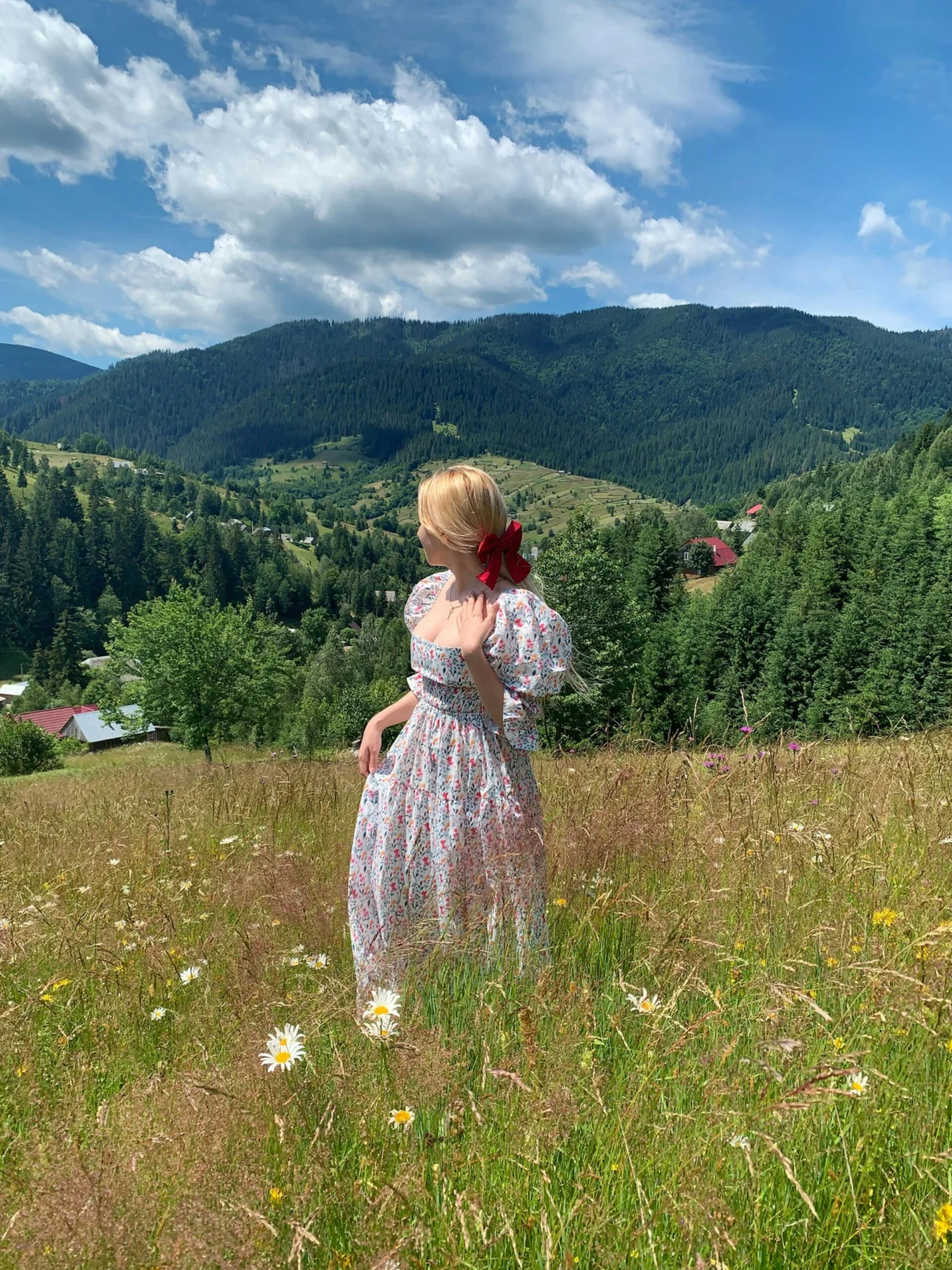
Close your eyes and visualize the quintessential fashion of the 1980s. You likely see neon spandex, towering perms, and oversized shoulder pads. Shift to the 1990s, and the image sharpens into flannel shirts, baggy denim, and the grunge aesthetic. The 2000s conjure memories of low-rise jeans, velour tracksuits, and trucker hats.
For decades, fashion was defined by a clear, cohesive visual language. Each era had a "uniform" that acted as a cultural shorthand for the time. However, as we push further into the 2020s, that clarity has evaporated. If you were asked to define the look of the 2010s or the present day, you would likely stumble, met with a kaleidoscope of checkered Vans, colored leggings, and a dizzying array of micro-trends. We are witnessing the death of the decade-defining style, replaced by a fragmented, digital-first landscape where trends move at the speed of an algorithm.
The End of the "Fashion Era"
The erosion of the traditional decade-cycle is more than just a stylistic shift; it is a fundamental change in how human beings curate their identities. Historically, fashion trends functioned on a 15-to-20-year cycle—a "trickle-down" model where designs originated on high-fashion runways, were adopted by celebrities, and eventually filtered into the suburban mall.
Data from recent consumer surveys highlights a growing sense of nostalgic longing for this lost cohesion. When asked to rank their favorite fashion decades, respondents consistently favor the 1980s, 90s, and 2000s. Statistically, 9.5% of respondents favor the 80s, 11.25% the 90s, and 8.25% the 2000s. By contrast, the 2010s and 2020s consistently rank lowest for "fashionability" and having a distinct, recognizable sense of style. The modern era is not viewed as a failure of design, but rather a failure of definition. There is simply too much happening, all at once, for any one look to take hold.
Chronology of the Digital Takeover
The catalyst for this shift is, unequivocally, the internet. Before the ubiquity of high-speed mobile data, fashion inspiration was gated. It came from a limited pool of sources: magazines, television, and the people in your immediate geographical vicinity.
The Pre-Internet Era (1950s–1990s)
In this era, fashion was localized and cinematic. When Dirty Dancing hit theaters, the world adopted the leotard; when Top Gun premiered, aviator jackets saw an immediate, global surge in sales. Everyone was pulling from the same well, creating a unified cultural aesthetic.
The Rise of the Digital Influence (2000s–2015)
As the internet began to permeate daily life, the "runway-to-closet" pipeline began to fray. Blogging and early social media allowed for a broader range of influences, but fashion still largely followed a seasonal cadence.
The Era of "Hyper-Speed" Trends (2016–Present)
The rise of TikTok and Instagram effectively killed the 20-year cycle. Today, trends rise, peak, decline, and reach obsolescence within a matter of months—or sometimes weeks. Fashion is no longer a slow-moving wave; it is a series of rapid-fire ripples.
The Data of Global Connectivity
The sheer scale of this digital influence is staggering. There are currently over 5.17 billion social media users worldwide, with the average person spending over two hours a day scrolling through feeds. For Generation Z, this is the primary environment for self-expression.
According to industry reports, 42% of Gen Z identifies social media as their primary source of fashion inspiration. The demographic breakdown of these platforms further explains the intensity of the trend cycle. Instagram counts 3 billion monthly active users, a massive portion of whom are between 18 and 24. Similarly, TikTok’s 1.9 billion users are dominated by the same age group, as is the visual-discovery platform Pinterest, where 42% of users are Gen Z, actively curating their next "look."
With these figures, it is a mathematical certainty that the average young adult is exposed to thousands of strangers daily. When you are constantly flooded with images of what "everyone else" is wearing, the pressure to conform—or conversely, to stand out—becomes a psychological burden.
The Rise of "Aesthetics" as a Defense Mechanism
To combat the feeling of being just another face in a global digital crowd, young people have turned to "aesthetics." In the pre-internet dictionary, an aesthetic was a philosophical concept—a set of principles governing beauty. In the 2026 vernacular, an aesthetic is a bespoke identity.
The Copenhagen Fashion Summit has identified over 42 distinct, active fashion aesthetics currently circulating online. These include "Cottagecore," which romanticizes rural life through earthy tones and flowy fabrics; "Dark Academia," centered on vintage intellectualism; and "Clean Girl," a minimalist approach to luxury.
These are not just clothes; they are subcultures. A "Cottagecore" devotee isn’t just buying a dress; they are buying into a narrative of gardening, baking, and quiet living. This is the new way of maintaining individuality in a world where everyone has access to the same stores. Instead of a decade defining you, you choose an "aesthetic" to define yourself.
Official Industry Perspectives: The Depop Trend Report
Resale platforms like Depop have become the primary curators of these shifting trends. Their 2024 Trend Report offers a window into where the industry is heading. Their research highlights four major pillars currently driving consumer behavior:
- Contemporary Classics: An evolution of "old money" aesthetics, blending Ivy League sensibilities with countryside practicality.
- Minimalist Renaissance: A reaction against the noise of social media, focusing on craftsmanship, tailored coats, and a neutral color palette.
- Retro Sportswear: A nostalgic revival of 80s windbreakers and 90s athletic wear, spurred by the surge in casual sports like pickleball.
- Indie Vanguard: A bold, messy rejection of minimalism, drawing from 2010s hipster culture and the "Brat" aesthetic popularized by figures like Charli XCX.
These categories prove that fashion is no longer moving in a straight line; it is expanding in every direction simultaneously.
The Environmental and Ethical Implications
While the rise of niche aesthetics allows for unprecedented personal expression, it carries a heavy environmental price tag. The "speed-running" of trends—the core tenet of modern fast fashion—relies on the mass production of synthetic materials like polyester.
Fast fashion currently accounts for up to 10% of global carbon emissions. Because trends now move faster than the seasons, millions of garments are discarded annually, ending up in landfills or polluting our oceans. The "obsolescence" phase of a trend now happens so quickly that clothing is often discarded before it has even seen a full year of wear.
However, we may be approaching a pivot point. There is a palpable shift in the values of Gen Z and Gen Alpha. Data shows that younger shoppers are increasingly prioritizing secondhand markets and sustainable practices. The decline in popularity of major ultra-fast fashion retailers—whose downloads dropped significantly between 2024 and 2025—suggests a growing awareness of the ecological toll of vanity.
Conclusion: A New Frontier of Individuality
The death of the "decade" is not a tragedy; it is a transformation. We have traded the uniformity of the past for a chaotic, vibrant, and highly specific future. While the internet has accelerated the pace of fashion to an unsustainable velocity, it has also democratized style in a way never before seen in human history.
As we look toward the latter half of the 2020s, the challenge for the fashion industry—and for the consumer—will be to balance the human desire for newness with the urgent need for sustainability. We have access to the world’s fashion history and the ability to project our own unique aesthetic into the digital ether. The challenge remains to ensure that while we curate our digital selves, we do not sacrifice the health of the physical world. The era of the "defined decade" may be over, but the era of global, hyper-personalized style is only just beginning.
 Nana
Nana  Nila Kartika Wati