
 By Sagoh

For decades, the image of the "professional blogger" has occupied a strange space in the public imagination. To some, it is the ultimate symbol of the modern digital nomad—a life of sipping coffee in exotic locales while money flows into a bank account from a laptop. To others, it is a pyramid scheme of hollow promises, a digital mirage perpetuated by "gurus" selling courses on how to get rich quick.
The truth, as is often the case, lies somewhere between the utopian dream and the cynical dismissal. Can you truly pay the bills by tapping away at a keyboard? The answer is a resounding yes—but it is rarely the path of ease that the internet hype machine would have you believe.
The Core Reality: Beyond the Hype
The blogging landscape is currently bifurcated. On one side, we see aggressive marketing: claims of "passive income" and "six-figure months" often used as a hook to sell proprietary courses, e-books, or coaching services. On the other side, skeptics argue that the only people actually making money from blogging are those who teach others how to blog.
Both perspectives are flawed. While it is true that many in the "make money online" niche profit from selling the dream, there is a vast, thriving ecosystem of professional bloggers who generate significant revenue from "normal" topics—ranging from woodworking and photography to health, travel, and personal finance.
The reality is that blogging is not a get-rich-quick scheme; it is a business model that requires the same grit, strategic planning, and long-term commitment as any traditional brick-and-mortar venture.
A Chronology of the Blogging Evolution
To understand where the industry stands today, one must look at how it began. In the early 2000s, blogging was largely a hobbyist pursuit—a digital diary for the tech-savvy.
- The Early 2000s (The Formative Years): During this era, monetization was an afterthought. The focus was on community, personal expression, and the novelty of being published on the web.
- The Mid-2000s (The Monetization Shift): As platforms like AdSense matured, early adopters began to realize that high-traffic blogs could function as media properties. This was the birth of the "ProBlogger" era.
- The 2010s (The Era of Diversification): Bloggers realized that relying solely on display advertising was precarious. This period saw the rise of affiliate marketing, the sale of digital products, and the integration of blogs with offline businesses, such as speaking engagements and book deals.
- The 2020s (The Professionalization Phase): Today, successful blogs are rarely just blogs. They are multi-channel media businesses. A single brand often manages a newsletter, a podcast, a YouTube channel, and a robust social media presence, using the blog as the central hub for search engine optimization (SEO) and long-form authority building.
Supporting Data: What the Numbers Say
The skepticism regarding blogging income is not entirely unfounded. Data consistently shows that the path to a full-time income is narrow.

Surveys of blogging communities, such as those conducted by ProBlogger, reveal a stark reality:
- The Entry Barrier: Roughly 10% of those attempting to monetize their blogs make zero income.
- The Low-End Majority: Approximately 63% of aspiring professional bloggers earn less than $3.50 per day.
- The Professional Tier: A small percentage—typically between 4% and 10%—reach the "full-time" threshold, earning over $1,000 to $10,000 per month.
Crucially, the data shows a direct correlation between longevity and revenue. Among those in the highest income brackets, 85% have been blogging for four years or longer. This suggests that the "overnight success" narrative is a statistical anomaly, while "slow-growth sustainability" is the standard path to profitability.
Expert Perspectives: The Anatomy of Success
Industry veterans emphasize that there is no "master key" or single formula for success. The most successful bloggers are those who have resisted the urge to follow a "cookie-cutter" blueprint and have instead focused on deep expertise in their specific niche.
The Myth of "Make Money" Niches
A common criticism is that one can only make money by writing about making money. Evidence proves the opposite. In fact, niche-specific sites—such as those dedicated to photography or woodworking—often boast higher conversion rates and more loyal audiences than generalist business blogs. When a blogger becomes the go-to authority in a niche, the monetization opportunities (such as high-value affiliate products or premium educational resources) become far more lucrative than simple display ads.
The Multi-Stream Monetization Model
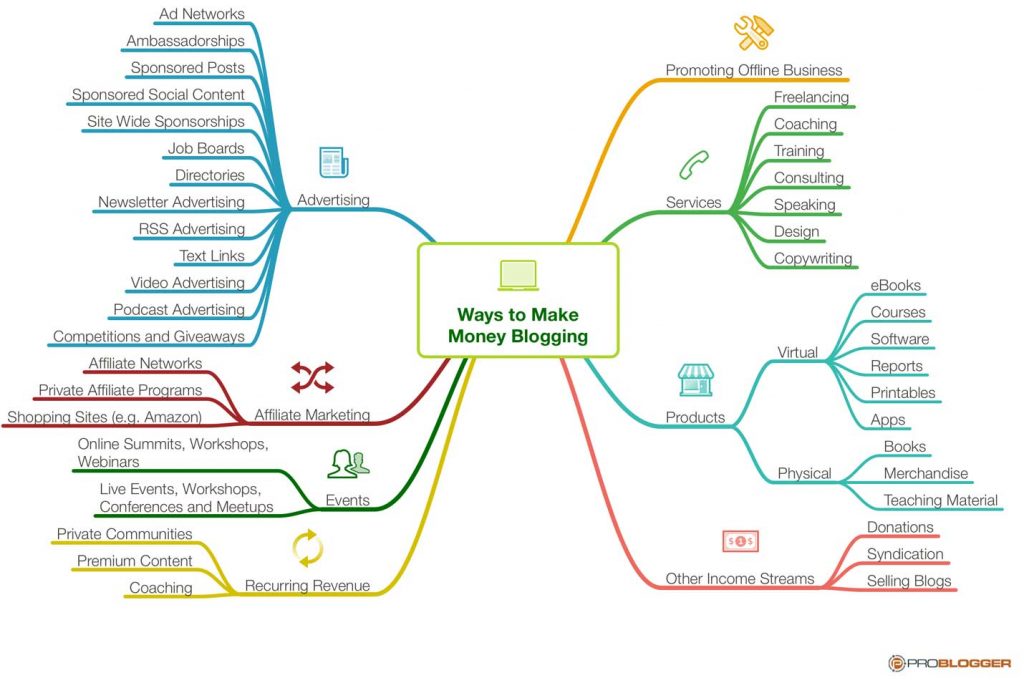
The most resilient bloggers do not rely on a single income source. They utilize a hybrid approach:
- Direct Advertising: Selling space or sponsored content.
- Affiliate Marketing: Earning commissions by recommending products that genuinely solve their readers’ problems.
- Digital Products: Creating e-books, templates, or courses that provide high-value, structured information.
- Services: Using the blog as a portfolio to attract consulting, speaking, or freelance clients.
Implications for the Aspiring Blogger
If you are looking to turn a blog into a professional entity, the implications of these findings are clear: you must shift your mindset from "writer" to "entrepreneur."
1. The Power of Persistence
If you start a blog today, you should not expect a meaningful return for at least 18 to 24 months. The "four-year rule" observed in high-earning cohorts suggests that success is the result of compounding effort. You are building an asset, and assets take time to mature.
2. Action Over Passivity
The internet is rife with the term "passive income," but this is a misnomer for the early stages of blogging. Maintaining a profitable blog requires active management: creating content that answers reader queries, monitoring search trends, building an email list, and constantly iterating on your monetization strategies. It is, in every sense, a "job"—though one that often provides a higher degree of creative freedom than traditional employment.
3. The Quality Imperative
In an era of AI-generated content and information saturation, the value of a "human-centric" blog has never been higher. Readers are not looking for more generic information; they are looking for perspective, experience, and trust. Blogs that matter—those that are original, deeply helpful, and personality-driven—are the ones that survive the volatility of search engine updates and changing consumer behavior.
Conclusion: Is the Effort Worth It?
The decision to start a blog should not be taken lightly. If your goal is to find a "get rich quick" shortcut, you will likely be disappointed. The blogging world is competitive, demanding, and requires a high degree of technical and strategic skill.
However, for those who are passionate about a subject and willing to commit to a long-term strategy of building an audience, the potential is vast. You are not just writing posts; you are building a digital platform that can influence an audience, provide immense value, and ultimately generate a sustainable, independent income.
The barrier to entry is low—you can start a blog today for the cost of a domain name and hosting—but the barrier to success is high. It is guarded by the requirement for consistency, a willingness to learn, and the patience to see your efforts through the years of quiet, necessary work.
If you are ready to stop dreaming and start building, the path is open. The question is no longer whether you can make money blogging; the question is whether you have the discipline to execute the work required to prove it.
 Dwi Wanna
 Siti Muinah
