
 By Sagoh
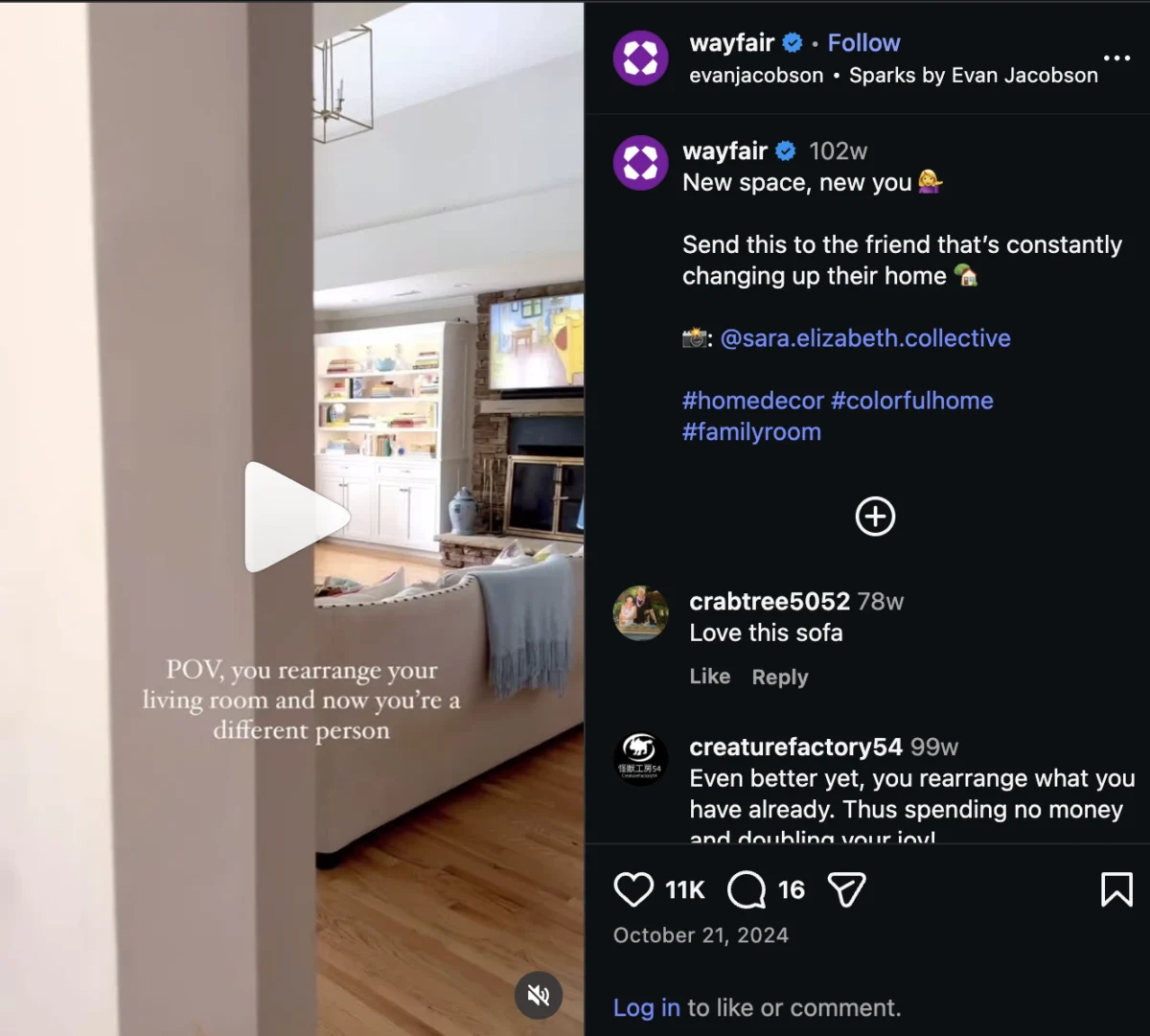
By Christina Newberry
Published by Hootsuite Insights
Main Facts: The Battle for the Consumer in 2026
In the modern digital marketplace, brand loyalty is facing its ultimate stress test. With global e-commerce ecosystems optimizing for instant gratification, a cheaper, more accessible alternative is routinely just one click away. Yet, despite the commoditization of nearly every retail and software category, certain brands continue to command fierce, unyielding devotion.

According to recent data compiled for digital strategists moving into 2026, the foundational definition of brand loyalty has fundamentally shifted. It is no longer secured merely by habit, convenient geographic positioning, or traditional points-based rewards programs. Instead, authentic brand loyalty is anchored in an emotional identity-driven connection between the consumer and the enterprise.
To help modern organizations navigate this volatile landscape, industry leaders are shifting their analytical lens toward a combination of key performance indicators: Net Promoter Score (NPS), Customer Lifetime Value (CLV), and advanced AI-powered social sentiment tracking. Rather than relying on top-of-funnel reach, enterprise growth in 2026 depends on seven actionable strategic pillars designed to transform passive buyers into lifelong brand advocates.

Chronology: From Habitual Buyers to Committed Brand Advocates
To understand how modern brand loyalty operates, marketing historians often trace the concept back to its theoretical roots while tracking its evolution into the social media age.
- The 1990s—Foundational Branding Theory: Professor David Aaker, widely hailed as "the father of modern branding," introduced the Brand Loyalty Pyramid in his seminal 1991 text Managing Brand Equity. Aaker mapped out how consumers transition from having zero loyalty to becoming fully committed buyers through five distinct psychological stages.
- The 2010s—The Rise of Digital Social Proof: As social media platforms matured, brand discovery transformed from traditional television and print advertising into peer-to-peer word-of-mouth. Shared content and user-generated media began dictating brand consideration phases for a vast majority of digital consumers.
- The Early 2020s—The Transactional vs. Emotional Split: Market analysts identified a widening gap between customer loyalty (driven by discounts, points, and convenience) and brand loyalty (driven by shared values and identity). Brands realized that transactional loyalty evaporated the moment a competitor introduced a deeper discount.
- 2025 to 2026—The AI and Real-Time Integration Era: As automated insights, generative AI layers (such as Hootsuite’s Wisdom and Lumen), and unified social inboxes became standard enterprise tools, brands gained the capacity to anticipate customer complaints and sentiment shifts before they materialized into public churn.
Supporting Data: The Metrics Driving Brand Retention
Data-driven decision-making is essential for quantifying the elusive concept of brand loyalty. Modern enterprises utilize several critical benchmarks to evaluate the health of their customer relationships:

- The Power of Shared Content: Studies indicate that shared social content—the digital evolution of word-of-mouth—has successfully spurred brand consideration behaviors in 82% of consumers at least once over a 12-month evaluation period.
- The Premium Pricing Payoff: According to Gartner survey data, highly personalized customer experiences make consumers 1.8 times more likely to pay a premium for products and services, proving that emotional alignment mitigates price sensitivity.
- Predictive Personalization: Projections indicate that by 2030, 1 in 5 marketing leaders will offer fully personalized perks driven by shared customer data, fundamentally altering how loyalty rewards are structured.
- The Speed of Customer Care: Consumer reports emphasize that 53% of people consider timely responses to direct questions and comments on social media to be one of the most compelling attributes of a brand’s digital presence.
Official Responses and Industry Insights
As businesses grapple with shrinking consumer attention spans, industry leaders and researchers have formalized frameworks to diagnose what builds—and conversely, what quietly erodes—brand loyalty.
Researchers such as Latif et al. characterize loyalty as a deliberate progression: moving from familiarity to satisfaction, advancing to trust, and finally culminating in advocacy.

Enterprise software executives emphasize that the margin for error in digital customer care has narrowed drastically. When a customer service interaction sours, the breakdown frequently happens publicly within a direct message thread or a viral comment section. Consequently, organizations are integrating social media management platforms directly with enterprise resource planning tools—such as integrating Hootsuite with Salesforce—to ensure that customer service and social marketing teams operate from a single, unified source of truth.
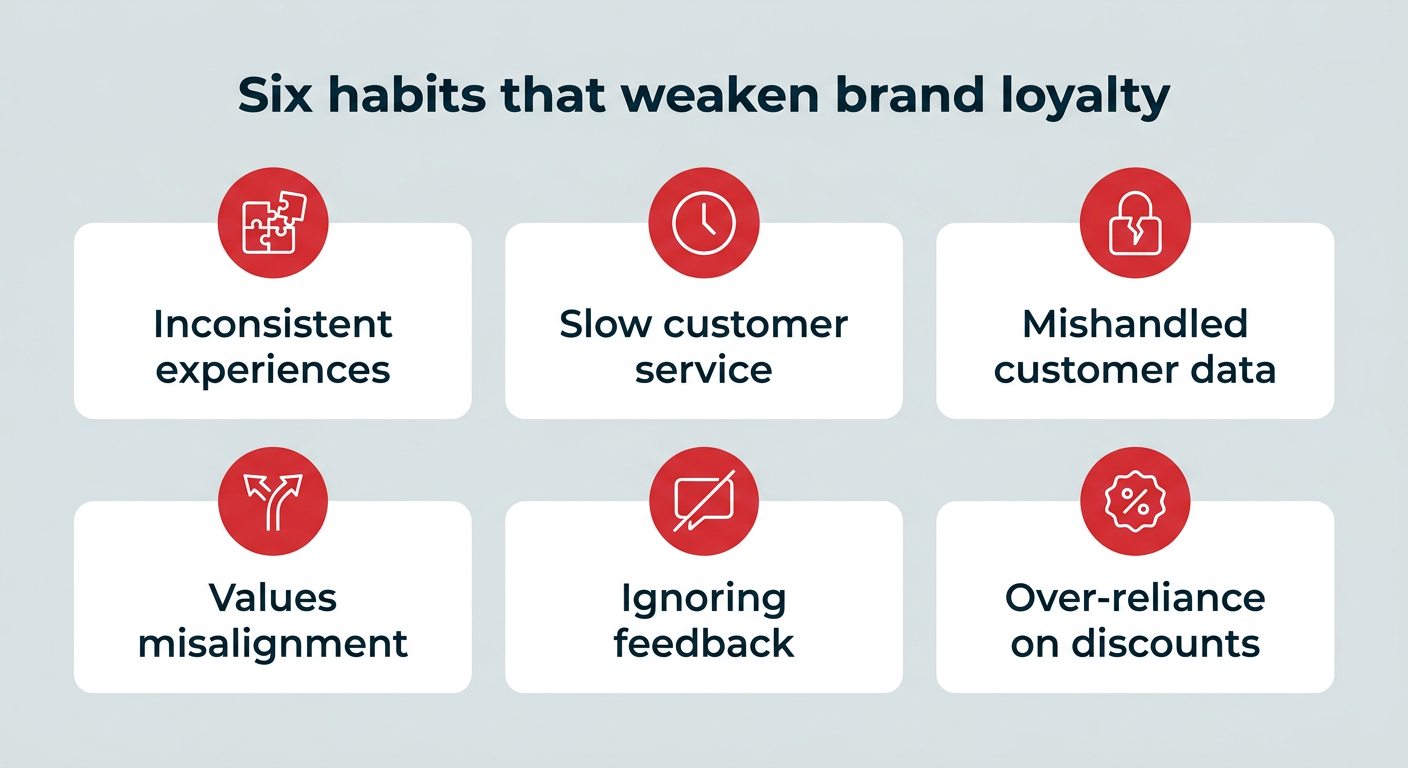
Furthermore, branding experts warn against the dangerous traps of "values inconsistency" and mishandled consumer data. In an era where privacy regulations carry severe legal and reputational consequences, maintaining transparent data practices is a non-negotiable prerequisite for sustaining long-term trust.
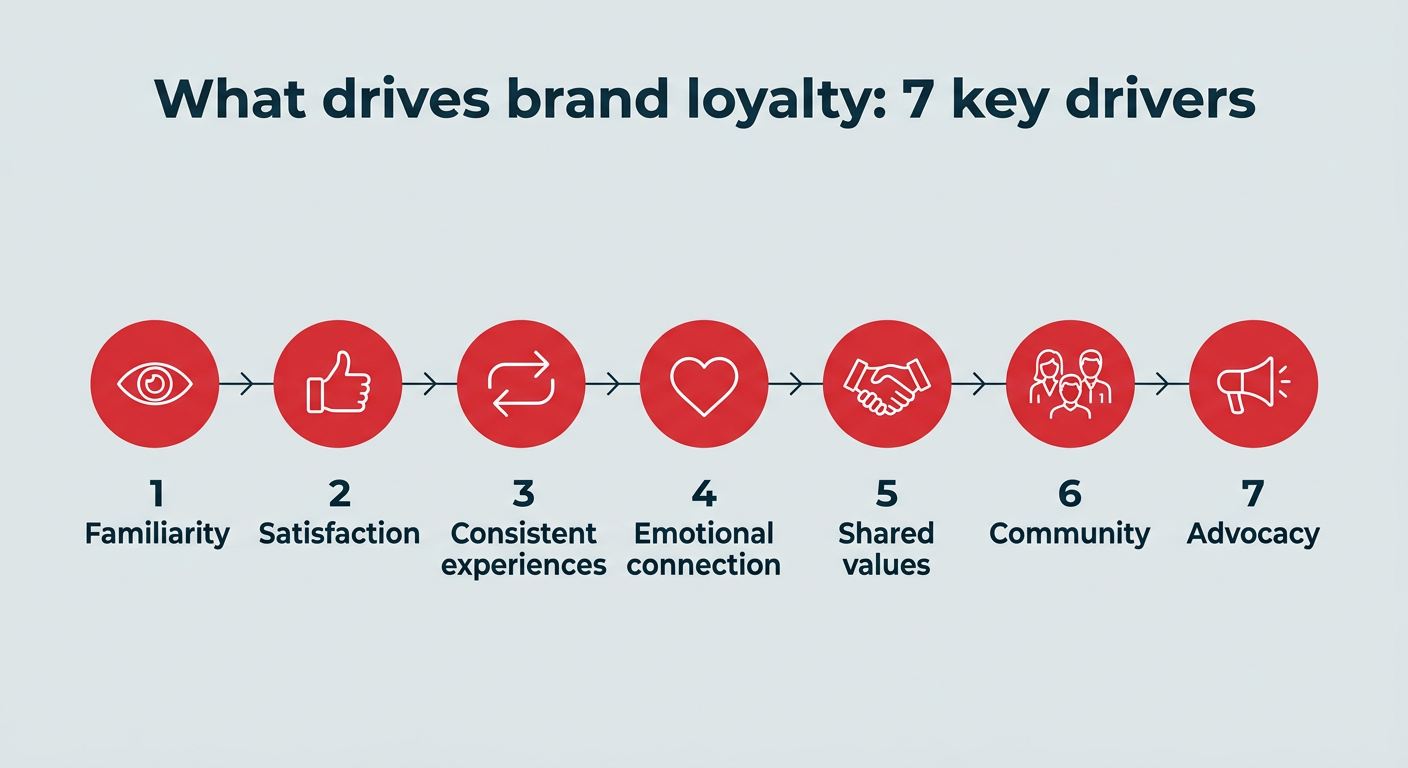
Implications: 7 Strategies to Build Brand Loyalty for 2026
To thrive in the upcoming economic landscape, organizations must execute a disciplined, multi-channel strategy. Here are the seven core methodologies enterprises are implementing:
1. Understand What Your Customers Actually Want
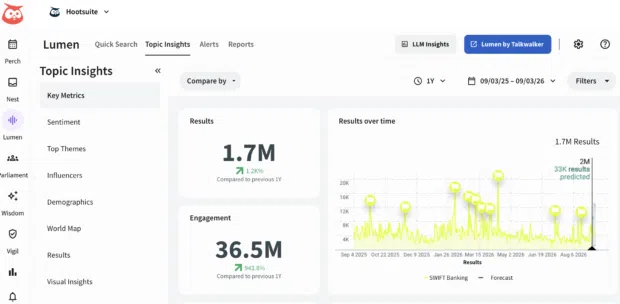
Relying solely on demographic data is no longer sufficient. Modern social analytics tools allow brands to analyze audience engagement patterns across multiple platforms, while listening applications capture unprompted conversations where customers express genuine preferences and frustrations outside of direct brand touchpoints.
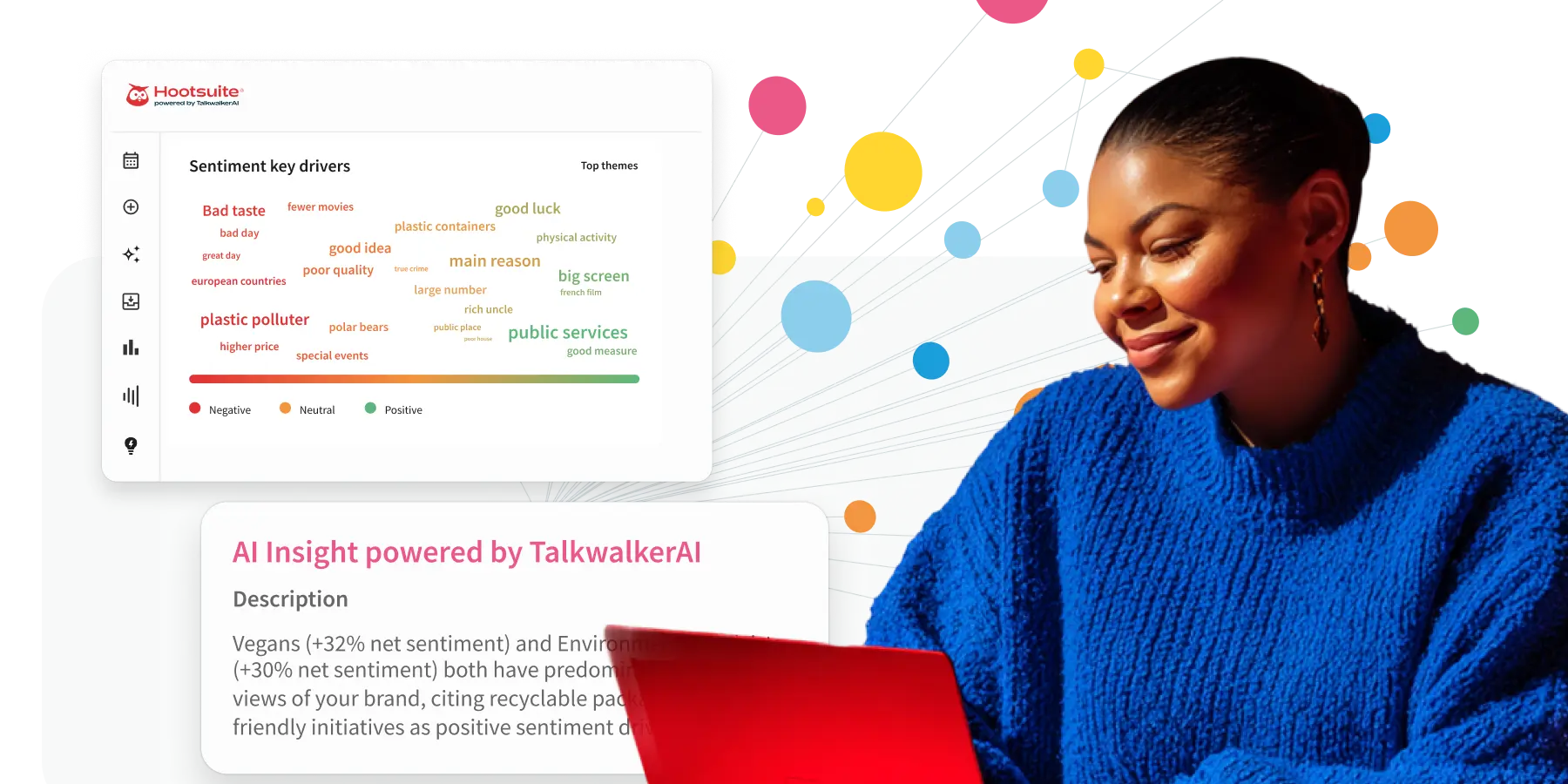
2. Leverage User-Generated Content (UGC)
Research published in academic journals confirms that user-generated content is a primary driver of social media brand loyalty. By amplifying content created by authentic fans, brands showcase their values through a personal lens, fostering the emotional resonance required to reach the apex of the brand loyalty pyramid.
3. Personalize Experiences Across Every Touchpoint
Personalization increases the likelihood of consumer commitment and justifies premium pricing. Utilizing advanced social advertising filters alongside AI-assisted copywriting tools allows brands to tailor messages to specific audience segments while maintaining a consistent and authentic brand voice.
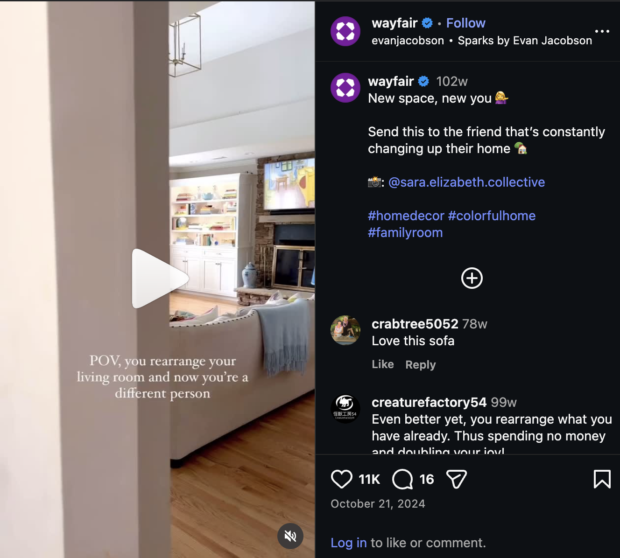
4. Reward Your Most Loyal Advocates
Marketers must pivot their strategies when dealing with established brand loyalists. Instead of pushing top-of-funnel features, enterprises must deploy sophisticated rewards programs—ranging from dynamic loyalty perks to exclusive influencer partnerships—that honor the emotional investment of their most vocal supporters.
5. Deliver Fast, Human-Centered Customer Care
Because most brand-defining service interactions now occur on digital channels, social media teams must be fully empowered. Utilizing unified social inboxes ensures that incoming inquiries are addressed swiftly, bridging the historical gap between marketing and formal customer support.

6. Stay Authentic and Avoid Trust-Eroding Behaviors
Over-indexing on promotional clickbait, posting repetitive content, or adopting public stances without internal follow-through are proven ways to alienate digital audiences. Brands must prioritize transparency, protect consumer data rigorously, and honor privacy commitments.
7. Utilize AI to Anticipate, Not Just React
The competitive advantage in 2026 belongs to teams that leverage AI-powered listening to spot behavioral shifts before they manifest as customer churn. By identifying emerging trends early, brands can proactively adapt their offerings while maintaining a crucial human touch in their responses.
Measuring Success: The Ultimate Brand Loyalty Toolkit
Because no single metric paints a complete picture of brand loyalty, successful organizations track a balanced portfolio of quantitative indicators:
| Metric | What It Measures | How to Track It |
|---|---|---|
| Engagement Rate | Audience interaction depth relative to reach. | Social analytics platforms (likes, shares, comments). |
| Sentiment & Volume | The frequency and emotional tone of brand mentions. | AI-powered social listening applications across 150+ million sources. |
| Share of Voice | Industry conversational dominance versus competitors. | Competitor benchmarking and share-of-conversation tracking. |
| Net Promoter Score (NPS) | Consumer willingness to recommend the brand. | Post-purchase and post-support one-question surveys. |
| Customer Lifetime Value (CLV) | Total revenue generated over the customer relationship. | CRM and historical purchase data integration. |
Frequently Asked Questions (FAQ)
What is the core difference between brand loyalty and customer loyalty?
Brand loyalty is driven by emotional connection, shared values, and identity ("This brand is for me"), whereas customer loyalty is transactional, motivated by price, convenience, or rewards ("This deal works for me"). Brand-loyal customers will absorb price increases and ignore competitor discounts; transactional customers will switch immediately.
Does brand loyalty differ across generations?
Yes. While older demographics tend to value dependable service quality and long-term brand consistency, younger generations (such as Gen Z) prioritize authenticity, social responsibility, and peer recommendations. They commit deeply to aligned values but withdraw their loyalty faster when those standards slip.
How does artificial intelligence assist in building brand loyalty?
AI helps organizations scale personalized experiences, analyze massive datasets for sentiment patterns, and surface emerging customer needs before they turn into complaints. However, sustainable loyalty requires pairing AI insights with human empathy and judgment.

Save time managing your social media marketing strategy with Hootsuite. Publish and schedule posts, find relevant conversations, measure results, and more—all from one comprehensive dashboard. Try it free today.
 Neng Nana
 Ammar Sabilarrohman
 Jia Lissa
