
 By Ali Ikhwan

In the fast-evolving landscape of digital marketing and corporate communications, social media has long since graduated from a secondary brand-awareness channel to a primary battleground for customer acquisition, retention, and service. Today, comments, direct messages (DMs), and public mentions are not merely engagement metrics; they are rich customer relationship management (CRM) data points.

Enter Social CRM (Social Customer Relationship Management)—the strategic integration of social media data into traditional CRM infrastructures. By bridging the gap between historical customer databases and real-time social conversations, modern organizations are transforming unpredictable online chatter into actionable, structured insights.

As digital expectations climb and response-time tolerances shrink, businesses across sectors are racing to adopt AI-driven social CRM workflows. This comprehensive report explores the mechanics, strategic implications, technological breakthroughs, and industry-leading tools defining the future of social CRM.
Main Facts: What is Social CRM and Why Does It Matter Now?
At its core, Social CRM expands traditional customer relationship management by incorporating unstructured and real-time social data into customer profiles. While legacy CRMs rely heavily on historical, structured metrics—such as past purchase records, email threads, support tickets, and billing phone calls—Social CRM captures the live pulse of consumer sentiment.
This data covers far more than mere follower counts. It encompasses:
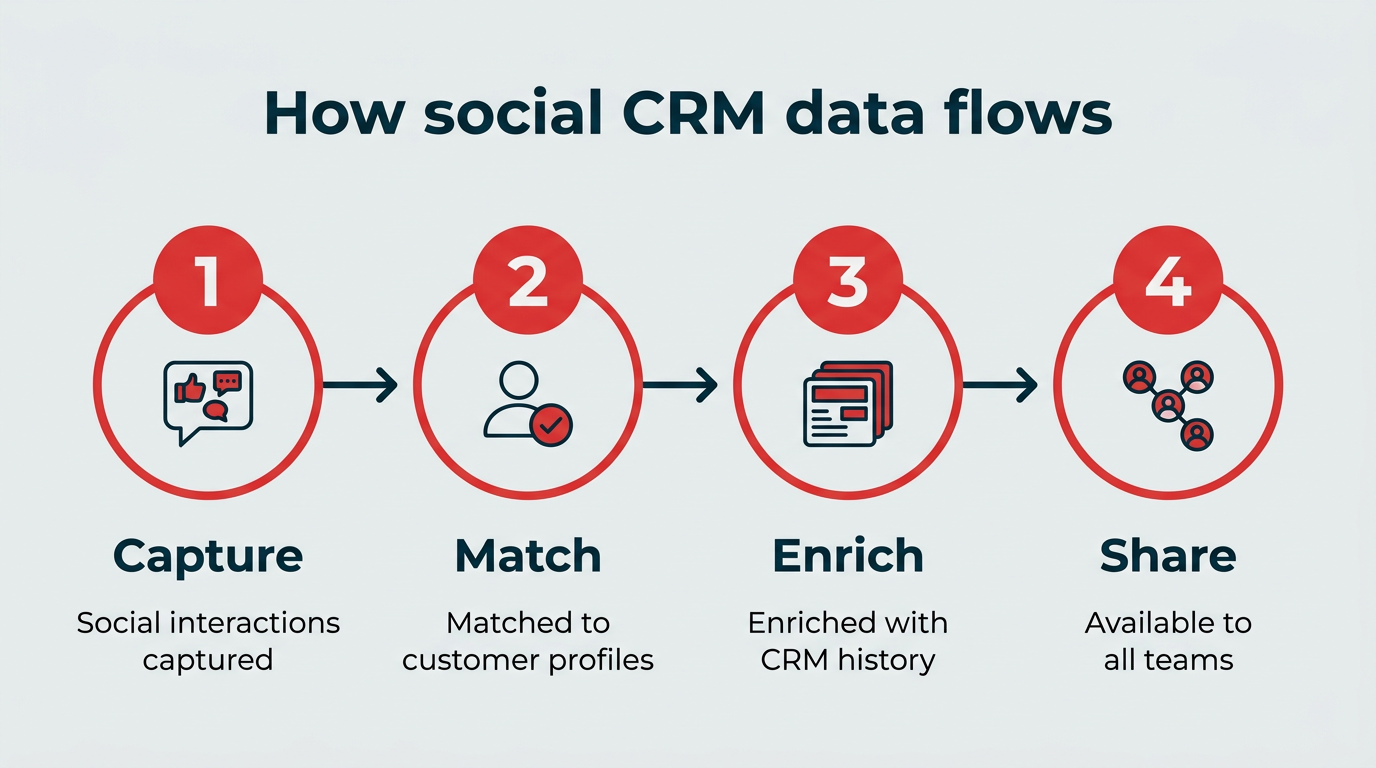
- Granular comments and direct messages across platforms like Instagram, X (formerly Twitter), LinkedIn, and Facebook.
- Public brand mentions and user-generated content.
- Sentiment signals and emotional drivers identified through advanced linguistic analysis.
- Wider conversational trends harvested via comprehensive social listening tools.
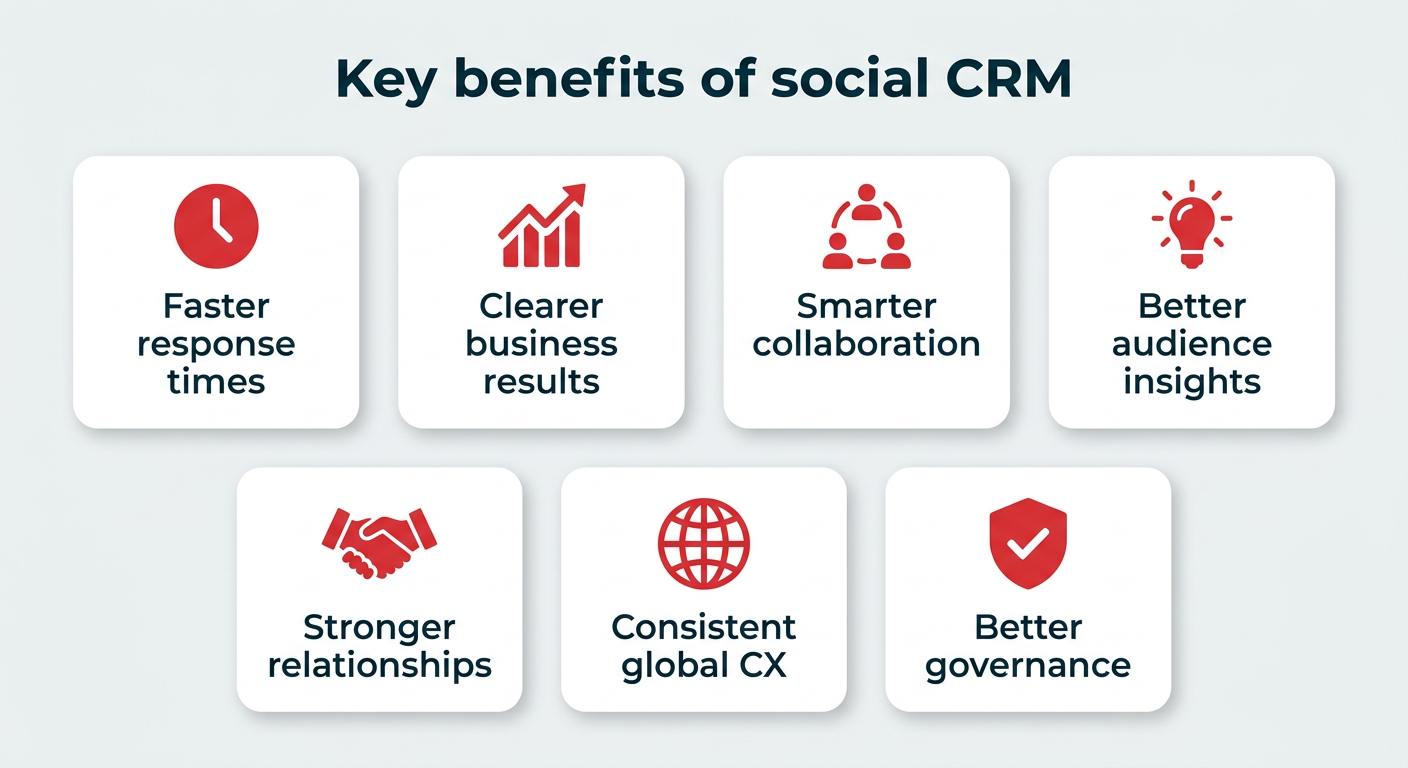
By bridging social channels with enterprise software, customer-facing teams—spanning marketing, sales, and support—gain immediate, unified context. Instead of treating social media as an isolated marketing megaphone, organizations view it as an interactive, bidirectional touchpoint where real-time decisions are made.
Traditional CRM                     | Social CRM
------------------------------------+-------------------------------------
Focuses on past, historical actions | Focuses on real-time conversations
Tracks structured data only         | Tracks structured + unstructured data
Usually managed by a single team    | Shared across marketing, sales, support
Mostly reactive                     | Proactive and relationship-focused
Channel focus: Email and phone      | Channel focus: Social media platforms
Chronology: The Shift from Manual Tracking to Autonomous AI Ecosystems
The journey toward modern Social CRM has evolved through distinct technological phases over the past two decades:

- Phase 1: The Siloed Era (Early 2010s): Social media management and CRM data lived in entirely separate universes. Marketing teams handled social channels independently, often manually copy-pasting customer inquiries into traditional CRM ticket fields—a process that quickly collapsed under the weight of scaling digital volumes.
- Phase 2: Basic Integrations (Late 2010s): Software developers introduced native connectors and API bridges. Standalone social media management platforms began syncing basic contact data back into systems like Salesforce and Microsoft Dynamics, allowing rudimentary tracking of social leads.
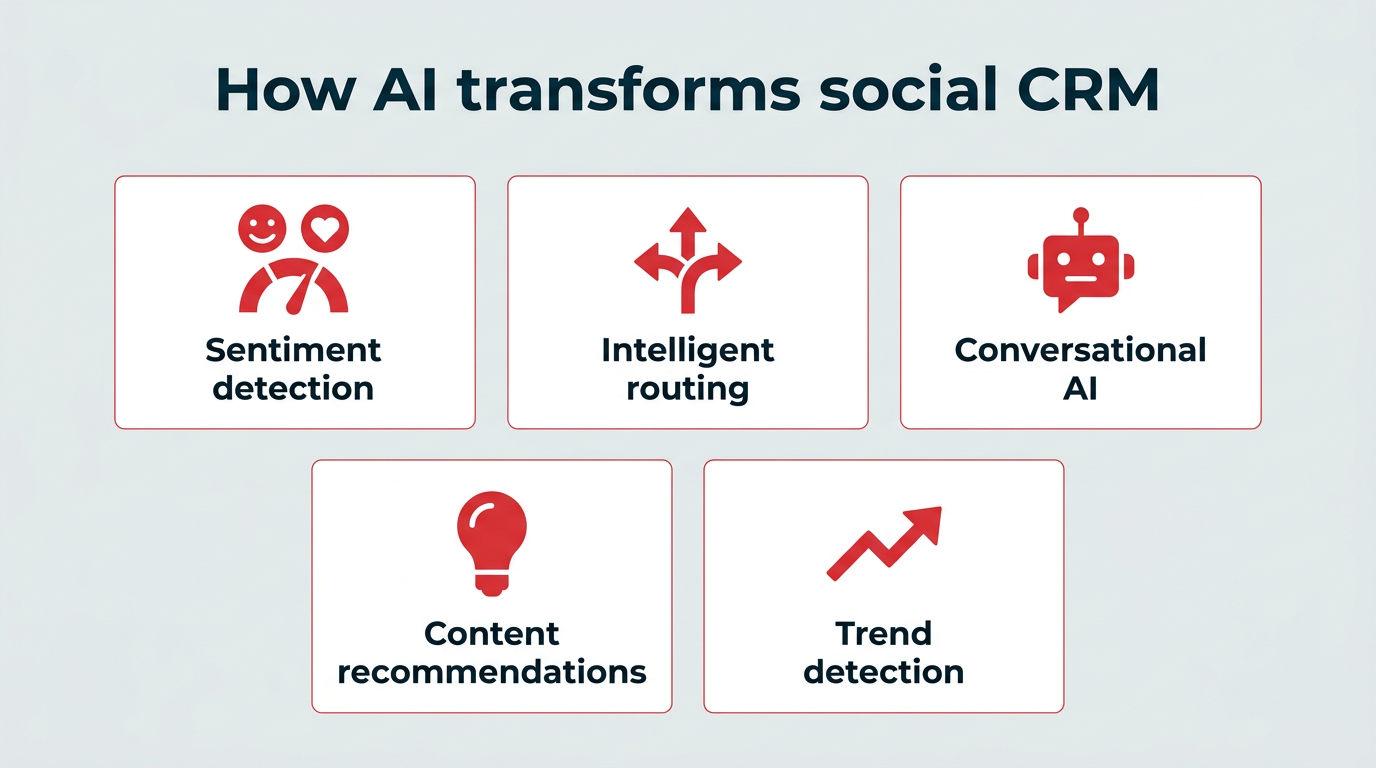
- Phase 3: The Hybrid & AI Revolution (Present Day): The contemporary ecosystem features "Social Operating Systems" (such as Hootsuite Social OS) that sit natively between engagement channels and enterprise databases. Powered by advanced AI layers, these systems instantly triage, route, analyze sentiment, and enrich customer records without requiring manual human intervention.
Supporting Data: The Rising Cost of Silence and Speed
The necessity of implementing an integrated social CRM strategy is underscored by compelling consumer research and market indexes:
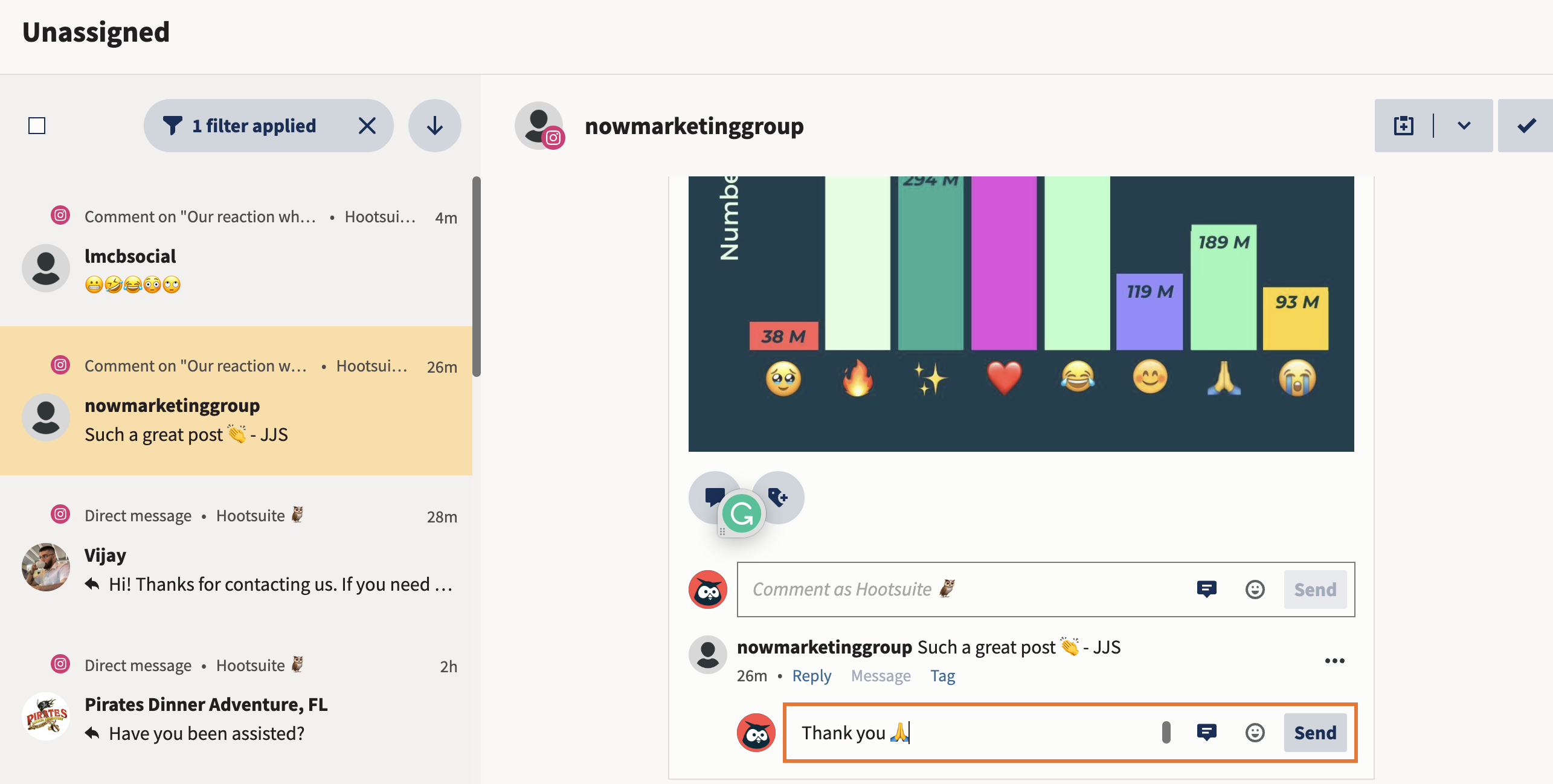
- The Expectations Gap: According to Forrester’s Global Customer Experience Index, the gap between the customer experience brands intend to deliver and what customers actually receive is widening. Social media is frequently where this disconnect is exposed publicly.
- The Price of Ignorance: Hootsuite’s Social Media Consumer Report reveals that 53% of respondents consider quick responses to direct questions and comments to be a brand’s most appealing trait. Conversely, 32% of consumers will actively unfollow a brand that fails to interact with its community, and 28% will abandon a brand that ignores negative or challenging feedback.
- Speed is Currency: Statista data indicates that 37% of consumers expect a response to a social media question or complaint within the same day. In high-volume environments, meeting this threshold is mathematically impossible without automated routing and integrated CRM history.
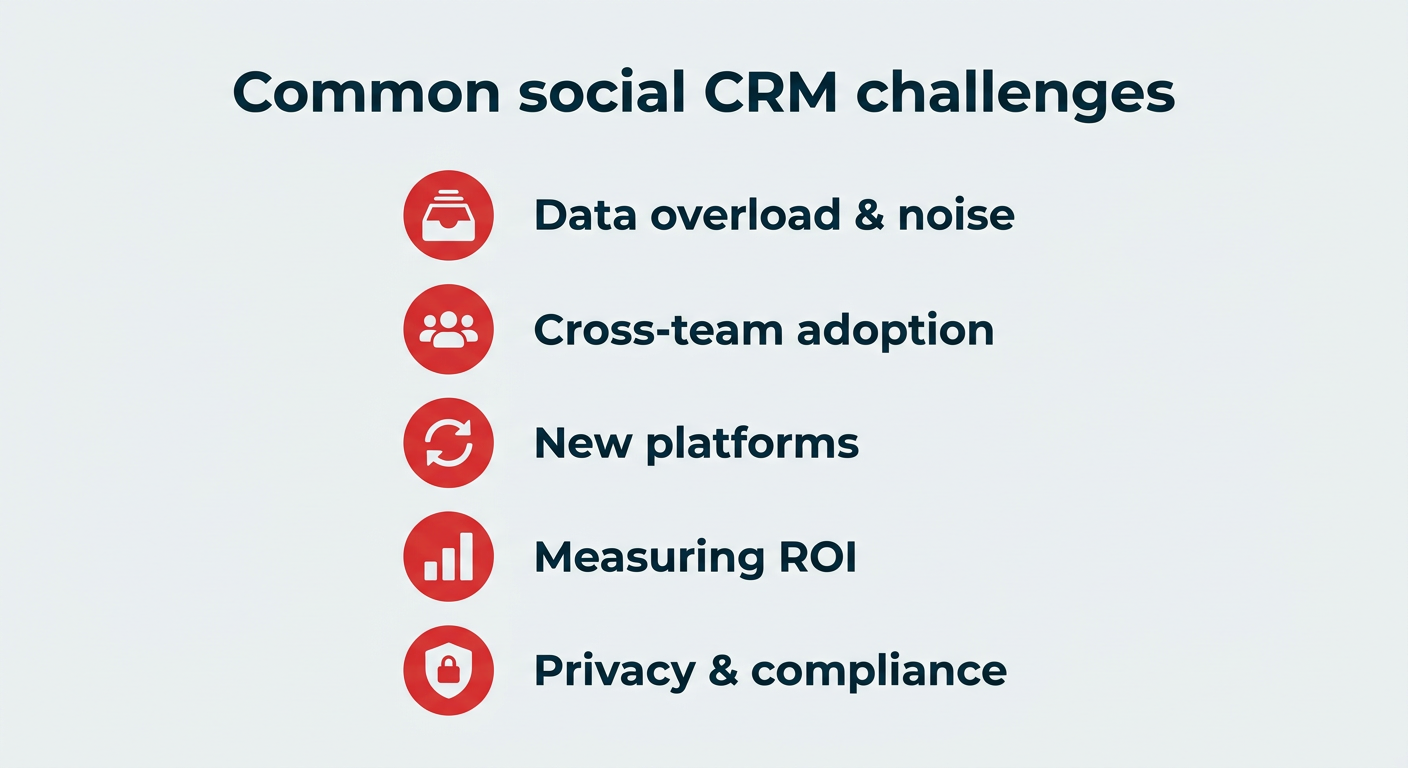
- Proving Value: Despite the clear stakes, a significant hurdle remains. In Hootsuite’s 2024 Social Trends Report, 33% of respondents reported facing an unsatisfactory connection between high-level social metrics and hard business results—a gap that social CRM is uniquely positioned to close.
Official Responses and Industry Perspectives
Industry leaders and market analysts have increasingly emphasized the fusion of AI and customer data management.

Gartner’s enterprise research notes that the definition of CRM sales platforms has fundamentally shifted, with modern solutions now classified primarily as AI-driven operational systems. The underlying customer data has always existed; the breakthrough lies in making that intelligence instantly actionable at the exact moment an agent or sales rep hits "reply."
However, experts also warn against over-automation. Forrester analysts project that up to 30% of firms risk damaging their customer experience (CX) growth by deploying poorly integrated AI self-service tools that alienate human buyers rather than assisting them. The ultimate goal of social CRM is not to remove humans from the relationship equation, but to equip human teams with exhaustive contextual awareness before they begin typing.
Implications for Key Business Units
Implementing a social CRM framework yields distinct, measurable advantages across an organization’s primary customer-facing departments:
1. Customer Service: Elevating Relationship Quality
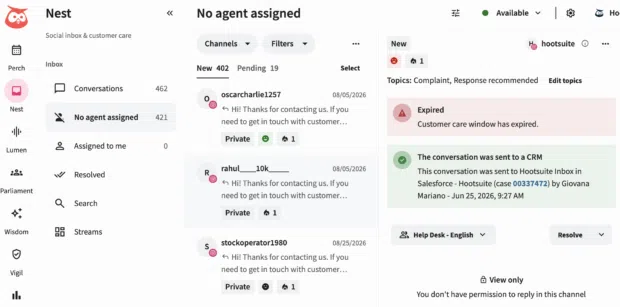
When support teams share a single dashboard with social engagement reps, customers never have to repeat their stories. Tools equipped with unified care inboxes (such as Hootsuite’s Nest) automatically route incoming complaints based on topic, urgency, and historical account value. This drastically reduces resolution times while protecting brand equity during public service breakdowns.
2. Sales: Turning Social Signals into Qualified Leads
Social selling is no longer about cold-pitching via direct message. By tracking high-intent behaviors—such as a prospect commenting on three product releases, saving a comparison Reel, and inquiring about pricing—sales representatives can prioritize outreach based on demonstrated interest rather than working blindly down an alphabetical list.
3. Marketing: Sharpening Content and Strategy
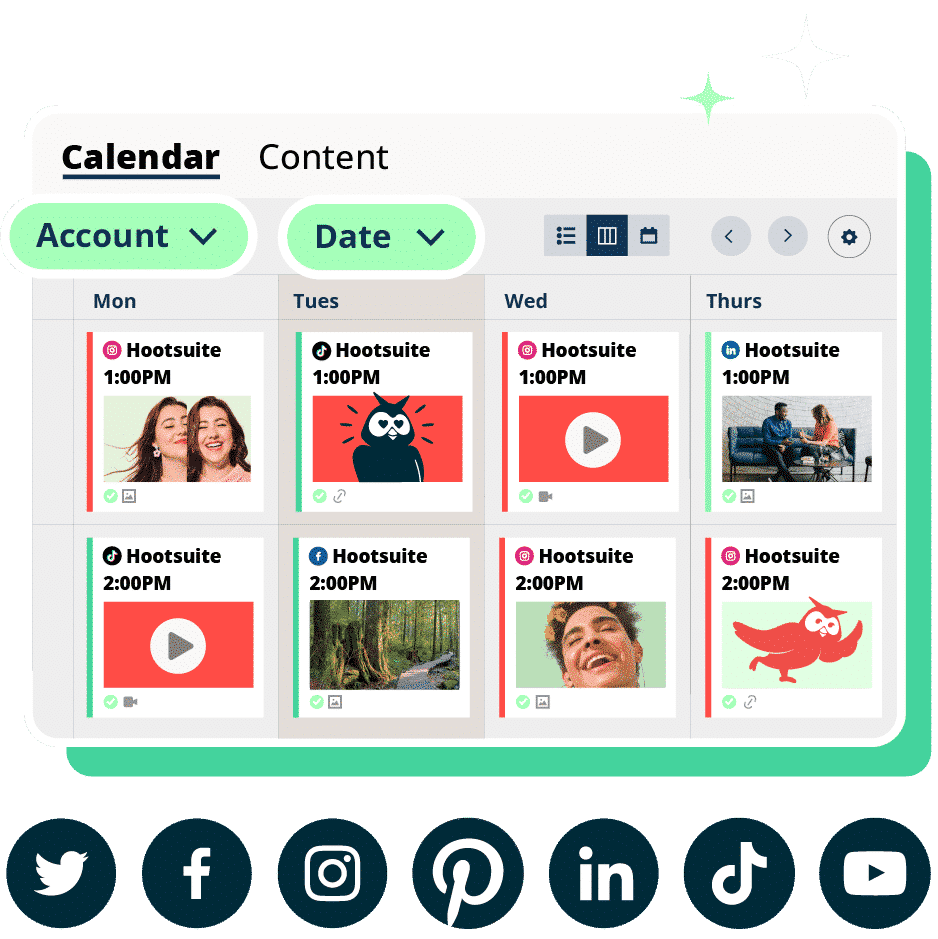
Marketing teams leverage social listening and CRM data loops to pivot content strategies in real time. Instead of guessing what audiences want, marketers can analyze sentiment trends, monitor cross-market frustrations via tools like Lumen, and build hyper-targeted lookalike audiences based on verified buyers rather than passive followers.

Strategic Implementation Framework
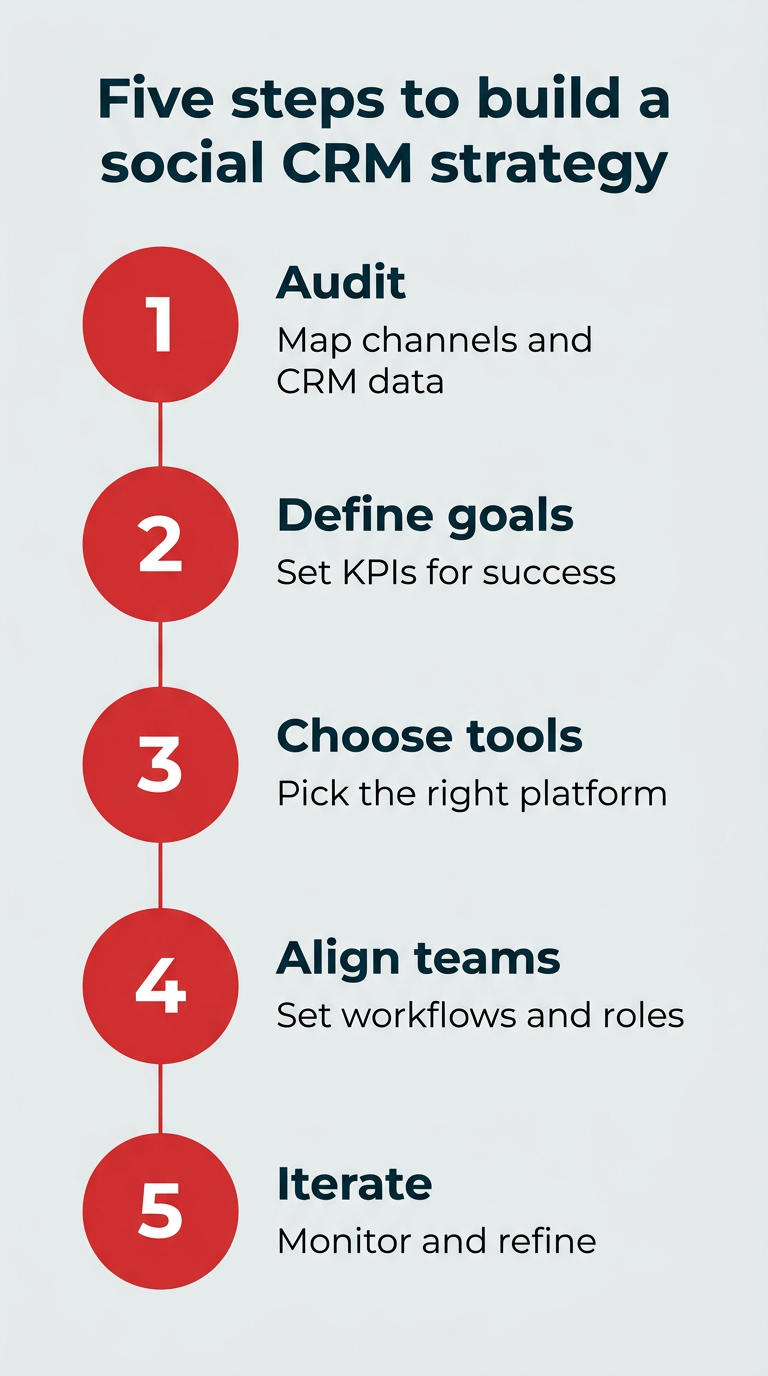
Deploying a successful social CRM operation requires careful planning, technological alignment, and cross-departmental cooperation. Organizations can follow a five-step framework to ensure a seamless rollout:

- Audit Your Current Setup: Map out which social networks your core demographics frequent and identify where customer data currently silos.
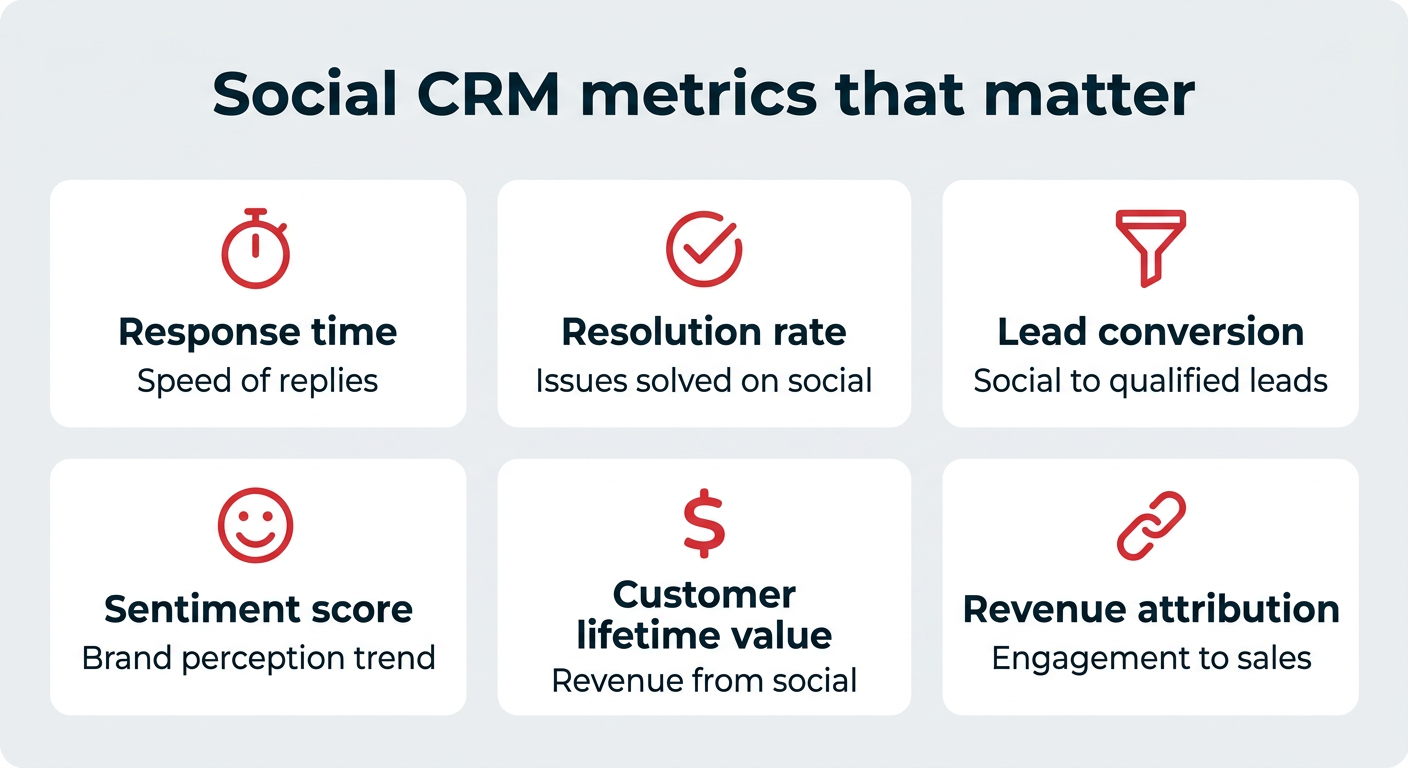
- Define Clear Goals and KPIs: Establish measurable targets—such as reducing first-response times, increasing social lead conversions, or improving net sentiment scores.
- Select the Right Tech Stack: Invest in platforms that offer robust, native integrations with your existing core databases (e.g., Salesforce, HubSpot, or Microsoft Dynamics 365) alongside advanced social management and listening capabilities.
- Align Internal Workflows: Establish explicit ownership rules. Marketing, sales, and support must agree on handoff procedures, routing protocols, and escalation guidelines.
- Monitor, Measure, and Iterate: Continuously track performance metrics—including resolution rates, revenue attribution, and sentiment shifts—refining your approach as digital trends evolve.
Comparative Overview of Leading Social CRM Tools
Choosing the right software depends heavily on your enterprise scale, primary objectives, and existing tech stack. Below is a comparative overview of top-tier platforms:

| Tool | Best For | Starting Price | Hootsuite Integration |
|---|---|---|---|
| Hootsuite | All-in-one social management, listening, & engagement | $99/user/month | Native |
| HubSpot | Full-funnel marketing, sales, and service CRM | Free / $20/month per seat | Yes |
| Salesforce | Enterprise sales and AI-driven insights | $25/user/month | Yes |
| Microsoft Dynamics 365 | Modular, highly customizable enterprise CRM | $65/user/month | Yes |
| SugarCRM | Flexible, customizable relationship tracking | $19/user/month | Yes |
Conclusion: The Future is Contextual
As consumer behavior continues to migrate toward social networks as preferred channels for communication, discovery, and complaint resolution, traditional CRM models are no longer sufficient. Social CRM bridges the divide between historical records and live, unstructured conversations.

By unifying marketing, sales, and support behind AI-powered, context-rich systems, modern enterprises can move away from reactive damage control and toward proactive, relationship-driven growth. In a marketplace where consumer loyalty is easily broken by silence, the organizations that thrive will be those that listen smarter, respond faster, and treat every social interaction as an invaluable chapter in the customer’s journey.
 Neng Nana
 Ammar Sabilarrohman
 Jia Lissa
