
 By Nila Kartika Wati
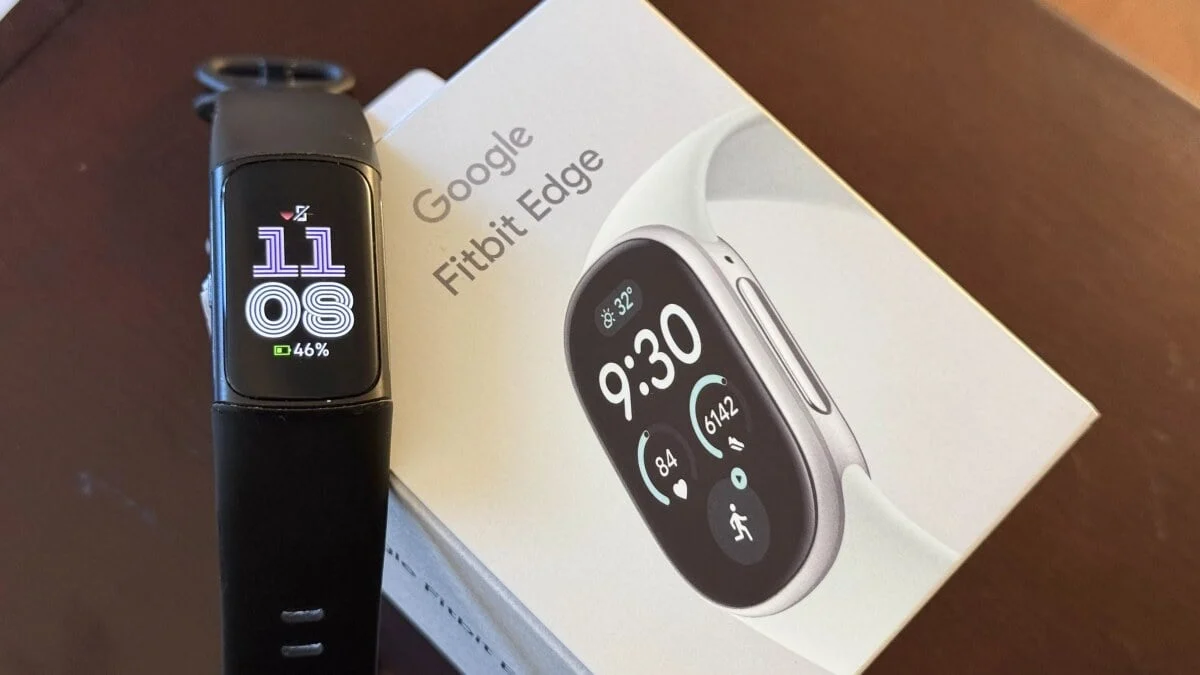
For years, the Fitbit brand has occupied a unique space in the consumer technology ecosystem. Defined predominantly by lightweight fitness trackers featuring streamlined screens rather than bulky, power-hungry smartwatch architectures, Fitbit cultivated a massive, loyal user base. However, the rhythm of hardware releases in this specific category has been notably measured; it has been three full years since the company introduced a brand-new screen-based fitness band.
Now, the silence has been broken. Google has officially announced the arrival of the Fitbit Edge, opening up pre-orders and sending review units out into the wild. For longtime Fitbit enthusiasts and casual health-tracking hobbyists alike, the natural instinct is to look backward before moving forward—specifically, by comparing the fresh architecture of the Edge against its spiritual predecessor and the last screen-equipped tracker in the lineage: the Fitbit Charge 6.
This analysis dives deep into what Google has added, refined, and stripped away in its newest wearable, examining the hardware, the software ecosystem, and what the Edge signals for the future of wrist-bound health monitoring.
1. Main Facts: Bridging the Gap in Google’s Wearable Ecosystem
To understand the Fitbit Edge, one must first understand where it sits in Google’s current hardware hierarchy. The Edge bridges a distinct gap between the ultra-minimalist, screenless Fitbit Air and the premium, curved-glass aesthetic of the Pixel Watch.
From a design and software perspective, the Edge runs on the same underlying operating system as the Fitbit Air—a lightweight platform that shares DNA with, but remains distinct from, the operating system powering the Pixel Watch series. Like its predecessors, the Edge maintains cross-platform compatibility, pairing seamlessly with both iOS (iPhones) and Android devices.
Yet, the core narrative of the Fitbit Edge is one of targeted trade-offs. Google has addressed several chronic pain points that plagued the Charge 6—such as frustrating haptic buttons, restrictive music controls, and flawed GPS tracking—while simultaneously removing a beloved convenience feature (NFC payments) to optimize internal component layout or cost.
2. Chronology: The Road from the Charge 6 to the Edge
To appreciate the design philosophy of the Fitbit Edge, it helps to trace the timeline of Fitbit’s hardware development over the past half-decade.
- Late 2020 (Fitbit Charge 4): This was the last tracker in the lineage to feature a built-in altimeter, a sensor that subsequently vanished from several subsequent generations of budget and mid-tier bands.
- Late 2023 (The Fitbit Charge 6 Release): Billed as a major integration point between Google and Fitbit following Google’s acquisition of the brand, the Charge 6 introduced tighter Google ecosystem integrations—including YouTube Music controls and Google Wallet—alongside a haptic side "button" and a built-in GPS antenna. However, user feedback quickly highlighted hardware vulnerabilities, particularly with the haptic touch area and the strap-tension GPS interference.
- The 3-Year Gap: Following the Charge 6, the Fitbit brand entered a prolonged developmental quiet period. Rumors swirled regarding whether Google intended to cannibalize the standalone fitness tracker market entirely in favor of the Pixel Watch line.
- Present Day: Google breaks the drought by announcing the Fitbit Edge. By introducing a physical button, an altimeter, and universal media controls, the company is signaling that the dedicated fitness band still has a vital, distinct role to play alongside smartwatches.
3. Supporting Data & Hardware Breakdown: Edge vs. Charge 6
Reviewers who have gone hands-on with early production units of the Fitbit Edge have highlighted several crucial hardware and software divergences from the older Charge 6.
The Return of the Physical Side Button
One of the most immediate, tangible improvements on the Fitbit Edge is the inclusion of a genuine, mechanical side button located on the right casing. When pressed, even while the device is powered down, it yields a reassuring, audible click.
This stands in stark contrast to the Charge 6, which relied on a capacitive, haptic "nub." On paper, the haptic approach sounded modern; in practice, users frequently found it unresponsive, requiring multiple squeezes and generating frustration when the device failed to register input or provide haptic feedback. The return to a tactile, clicky button is a major win for ergonomics during sweaty workouts.
Altimeter Inclusion and GPS Overhauls
Hardware enthusiasts will be pleased to find that the altimeter—absent since the days of the Charge 4—has made a triumphant return inside the Fitbit Edge. This barometric sensor allows the device to track relative elevation changes, translating directly into accurate "floors climbed" metrics and providing much cleaner elevation profiles for trail runs, hikes, and hilly cycling sessions.
Both the Charge 6 and the Edge feature independent GPS chips, meaning users can leave their smartphones behind and still accurately map outdoor routes (unlike the screenless Fitbit Air, which must piggyback off a connected phone’s location data). However, the Charge 6 suffered from a notable design flaw: pulling the wristband too tight could physically strain the internal GPS antenna, leading to wildly warped and inaccurate mapping data. Google asserts that the Fitbit Edge utilizes a completely redesigned, higher-quality GPS chipset. While early testing suggests this is a noticeable improvement, the bar was admittedly low given the historical quirks of its predecessor.
The Major Loss: No Google Pay or NFC Capabilities
Every hardware upgrade comes with a compromise, and for the Fitbit Edge, the casualty is NFC support.
With the Charge 6, users could provision Google Wallet to the device, enabling tap-to-pay functionality at retail counters, public transit gates, and cafes. For runners and walkers who prefer to venture out completely phoneless—yet still want the ability to grab a post-workout beverage—this was an indispensable feature.
Regrettably, the Fitbit Edge completely drops Google Pay and NFC capabilities. Industry analysts suspect this component was sacrificed to make physical room for the new altimeter, the upgraded GPS hardware, or to hit a specific aggressive price point. For consumers who relied on wrist-based payments, transitioning to the Edge will require an adjustment.
Universal Media Controls vs. The YouTube Music Lock-In
The media playback controls on the Charge 6 represented one of its most universally criticized software limitations. Those controls were hard-coded exclusively to YouTube Music.
This meant that unless a user maintained an active, paid monthly subscription to YouTube Music, the tracker’s music controls were essentially useless. Spotify, Apple Music, Tidal, and local file listeners were left completely out in the cold.
Google has rectified this misstep with the Edge. The new tracker functions like nearly every other mainstream smartwatch on the market, offering universal media controls capable of steering whatever audio application is currently active on the paired smartphone.
Google Maps: A Feature "Coming Soon"
At launch, the Fitbit Edge does not support on-wrist Google Maps turn-by-turn directions. However, official Google specification sheets confirm that the feature is actively in development and "coming soon."
It is worth noting that the implementation of Google Maps on previous fitness bands was somewhat limited, typically offering text-based cue prompts rather than a rich, interactive visual map view. Nevertheless, for users accustomed to glancing at their wrists for upcoming street turns, this temporary omission is worth keeping in mind.
4. Official Responses and Industry Context
Google has positioned the Fitbit Edge as a reinvigoration of the classic fitness band philosophy: long battery life, lightweight comfort, and essential biometric tracking without the distraction of a full-fledged, power-hungry smartwatch interface.
While official press statements emphasize the refined tracking capabilities, improved outdoor positioning hardware, and broader software compatibility, tech analysts are viewing the Edge as a litmus test. By splitting the difference between the screenless Air and the high-end Pixel Watch, Google is attempting to prove that dedicated fitness trackers still possess unique value propositions in an era dominated by smartwatches. The deliberate omission of NFC, however, has drawn scrutiny from reviewers who view contactless payments as an essential modern utility rather than a luxury add-on.
5. Implications for Consumers: Should You Upgrade?
The release of the Fitbit Edge forces a recalculation for anyone currently wearing a Charge 6 or an older Fitbit tracker.
- Upgrade if: You were endlessly frustrated by the Charge 6’s haptic touch button, wanted universal control over your Spotify or Apple Music playlists, or missed having an altimeter for accurate elevation and stair-climbing data during outdoor workouts.
- Hold off if: Wrist-based contactless payments (Google Pay/NFC) are an absolute non-negotiable part of your daily routine. Losing this feature on the Edge means either carrying your phone, a wallet, or a traditional smartwatch when you need to make purchases.
Ultimately, the Fitbit Edge proves that Google is still investing in the core Fitbit DNA, ironing out historical hardware kinks while making strategic (if sometimes painful) compromises to shape the future of wrist-worn wellness.
 rifanmuazin
 Nana
