
 By Nana Wu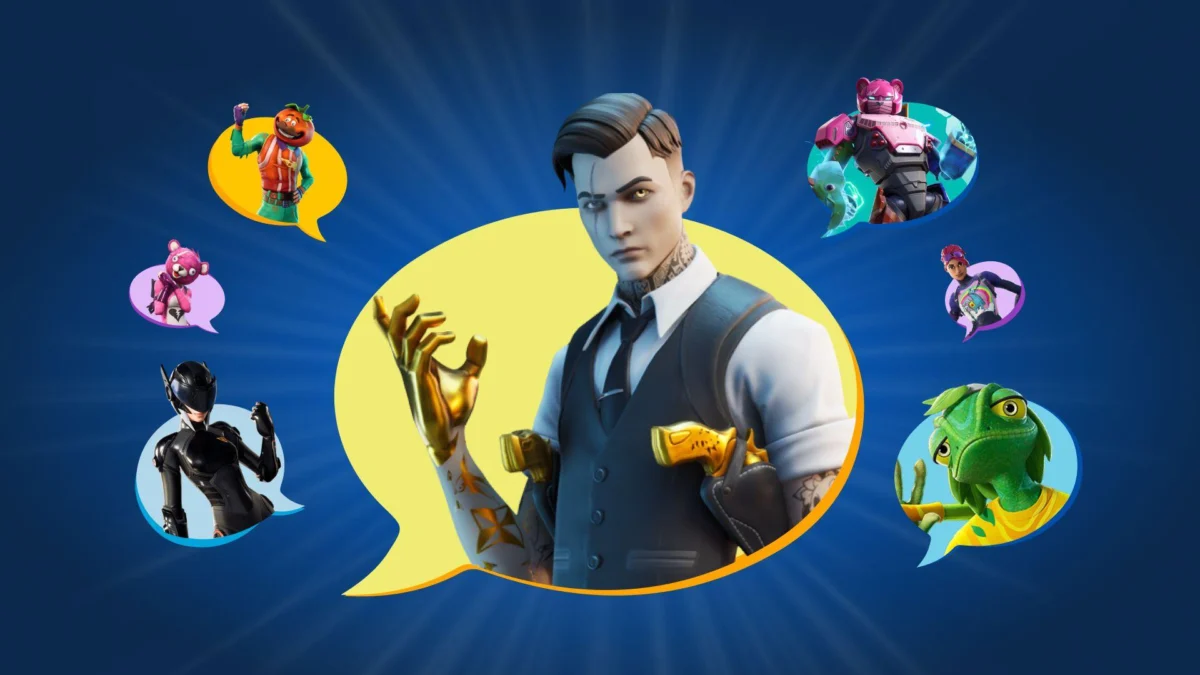
The landscape of interactive entertainment is on the cusp of a significant transformation. Epic Games, the powerhouse developer behind the cultural phenomenon Fortnite, has officially announced that beginning July 30th, creators within the Fortnite ecosystem will be empowered to publish experiences featuring characters driven by Large Language Model (LLM) technology. This move marks a pivotal shift in how players interact with non-player characters (NPCs), moving away from static, pre-scripted dialogue toward dynamic, conversational experiences.
To facilitate this transition, Epic Games has unveiled a roster of 36 pre-made characters, each possessing consistent voices and distinct, programmed personas. These characters include some of the most recognizable icons in the game’s history, such as the tactical Agent Jonesy, the fan-favorite banana known as Peely, the aquatic anomaly Fishstick, and the whimsical Cuddle Team Leader.
A Chronology of Integration: From Darth Vader to Dynamic NPCs
The journey toward this AI-integrated future was not an overnight decision but rather a deliberate, iterative process. Epic Games began testing the viability of AI-driven vocal performances with a high-profile experiment featuring one of cinema’s most legendary villains: Darth Vader.
In a collaboration authorized by the estate of the late James Earl Jones, Epic implemented an AI-powered voice model for a Darth Vader NPC. While the experiment demonstrated the immense potential for immersive storytelling, it also highlighted the volatility inherent in generative technology. Shortly after launch, players discovered that they could manipulate the AI into using inappropriate language. Epic moved swiftly to address these "jailbreak" attempts, refining their safety guardrails to ensure the technology remained consistent with brand standards.
Following this high-profile test, Epic signaled its broader intentions. Shortly after the Darth Vader debut, the company announced that it would eventually democratize this technology, allowing the creative community to craft their own AI-powered personas. This period of early testing, which began earlier this year, allowed select creators to experiment with the tools while Epic established a robust set of "ground rules" designed to prevent the emergence of toxic or problematic content.
The Foundation of Voice: Ethical AI and Professional Talent
One of the most critical aspects of this rollout is Epic’s approach to voice modeling. In an era where AI-generated voice synthesis has become a flashpoint for labor disputes and ethical concerns, Epic Games has been vocal about its commitment to professional standards.
The company clarified that the voice models for the new roster of 36 characters are not derived from scraping unlicensed audio. Instead, they rely on "performances captured from independent professional actors specifically for use in developer-made islands." According to Epic, these actors have provided explicit consent for their performances to be used in the development of voice models that power the LLM responses. This framework ensures that the creative labor behind the voices is recognized and compensated, setting a precedent for how gaming studios might navigate the integration of AI without alienating the human talent that defines their games.
Strategic Implications: Expanding the Fortnite Ecosystem
The introduction of these AI characters represents a significant expansion of the Fortnite Creative toolset. By providing creators with the infrastructure to build conversational NPCs, Epic is effectively transforming Fortnite from a battle royale game into a sophisticated engine for social and narrative experiences.
The Quest for Iconic Voices
While the initial rollout features professional actors specifically hired for these roles, Epic Games has set its sights on a more ambitious goal: integrating the voices of the original actors who have voiced Fortnite characters over the years. The company stated, "Our next step is to work with the relevant guilds and character voice actors who have previously worked on Fortnite Battle Royale to explore opportunities to make their original voices available across the Fortnite ecosystem."
This ambition suggests that Epic intends to curate a bridge between the "old guard" of voice acting and the "new wave" of AI-driven interactivity. By securing the necessary approvals from guilds and individual performers, Epic hopes to allow players to interact with the "definitive" versions of their favorite characters, albeit through a medium that allows for infinite, generative dialogue.

The Challenges of Moderation and Safety
The decision to open the gates to AI-powered NPCs carries inherent risks. As evidenced by the initial Darth Vader experiment, LLMs can be unpredictable. When a character is capable of holding a conversation on any topic, the potential for hate speech, misinformation, or inappropriate content rises exponentially.
Epic Games has spent the better part of this year implementing safety filters and behavioral guidelines for its creators. These rules are designed to prevent the AI from veering into forbidden territory, ensuring that while the characters can hold a conversation, they remain within the bounds of a PG-13 or T-rated environment. For developers, this means that the "freedom" of AI comes with the responsibility of rigorous testing and monitoring.
Implications for the Gaming Industry
The move by Epic Games is likely to have ripple effects across the entire gaming industry. As Fortnite continues to function as a "metaverse" platform, the standard set by its AI tools will likely become the benchmark for other developers.
1. The Death of Scripted Monotony
For decades, NPCs have relied on dialogue trees—limited, pre-written responses that players quickly exhaust. The transition to LLM-powered characters means that NPCs can react to context, player history, and current game events in real-time. This creates a level of immersion that was previously impossible, making game worlds feel more "alive."
2. The Democratization of Narrative Design
By providing these tools to creators, Epic is essentially handing out the keys to a high-end narrative engine. Creators who may lack the resources to hire a team of writers to pen thousands of lines of dialogue can now utilize AI to fill the gaps, allowing for more complex, reactive, and long-form storytelling within their custom islands.
3. The Future of Labor Relations
The gaming industry is currently grappling with how AI will affect roles such as writers, voice actors, and narrative designers. Epic’s proactive approach—engaging with guilds and ensuring consent—offers a blueprint for how developers can adopt new technologies without triggering widespread industry backlash. However, the long-term impact on the demand for human voice acting remains a topic of intense debate among industry professionals.
Conclusion: A New Frontier
As July 30th approaches, the Fortnite community stands on the edge of a new era. The introduction of LLM-powered characters is not merely a technical update; it is a fundamental shift in the relationship between players, creators, and the virtual world.
If Epic Games succeeds in maintaining the balance between creative freedom and safety, Fortnite could well become the most prominent case study for the successful integration of AI in gaming. The ability to converse with a virtual version of Peely or Agent Jonesy may seem like a novelty today, but the underlying technology promises a future where the line between scripted game design and organic, human-like interaction continues to blur.
For now, the industry will be watching closely. Whether this initiative leads to a more engaging, personalized gaming experience or presents unforeseen challenges in moderation and ethics will depend on how effectively Epic Games manages its "consistent voices and personas" in the wild. Regardless of the outcome, one thing is certain: the NPCs of Fortnite are finally learning how to speak, and they have a lot to say.
 Raul Delapena Setiawan
  Siti Muinah
  Asro
Asro 