
 By Iffa Jayyana
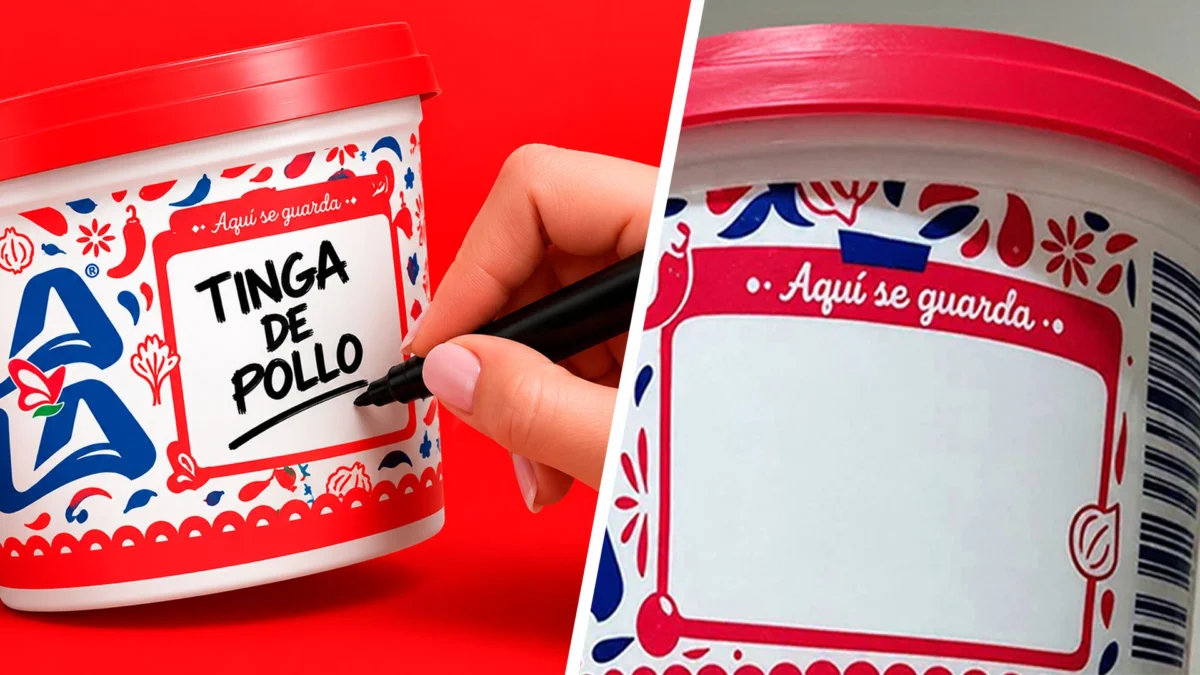
In the landscape of modern consumer branding, sustainability is often treated as a buzzword—a corporate mandate relegated to back-of-pack recycling symbols. However, in Mexico, a quiet, decades-long revolution in sustainable behavior has been taking place inside the nation’s refrigerators. It involves a humble plastic tub of Lala cream, a household staple that rarely contains actual cream after its first week of life. Instead, these iconic containers have served as the unofficial storage vessels for everything from frijoles and tinga to rice and salsa.
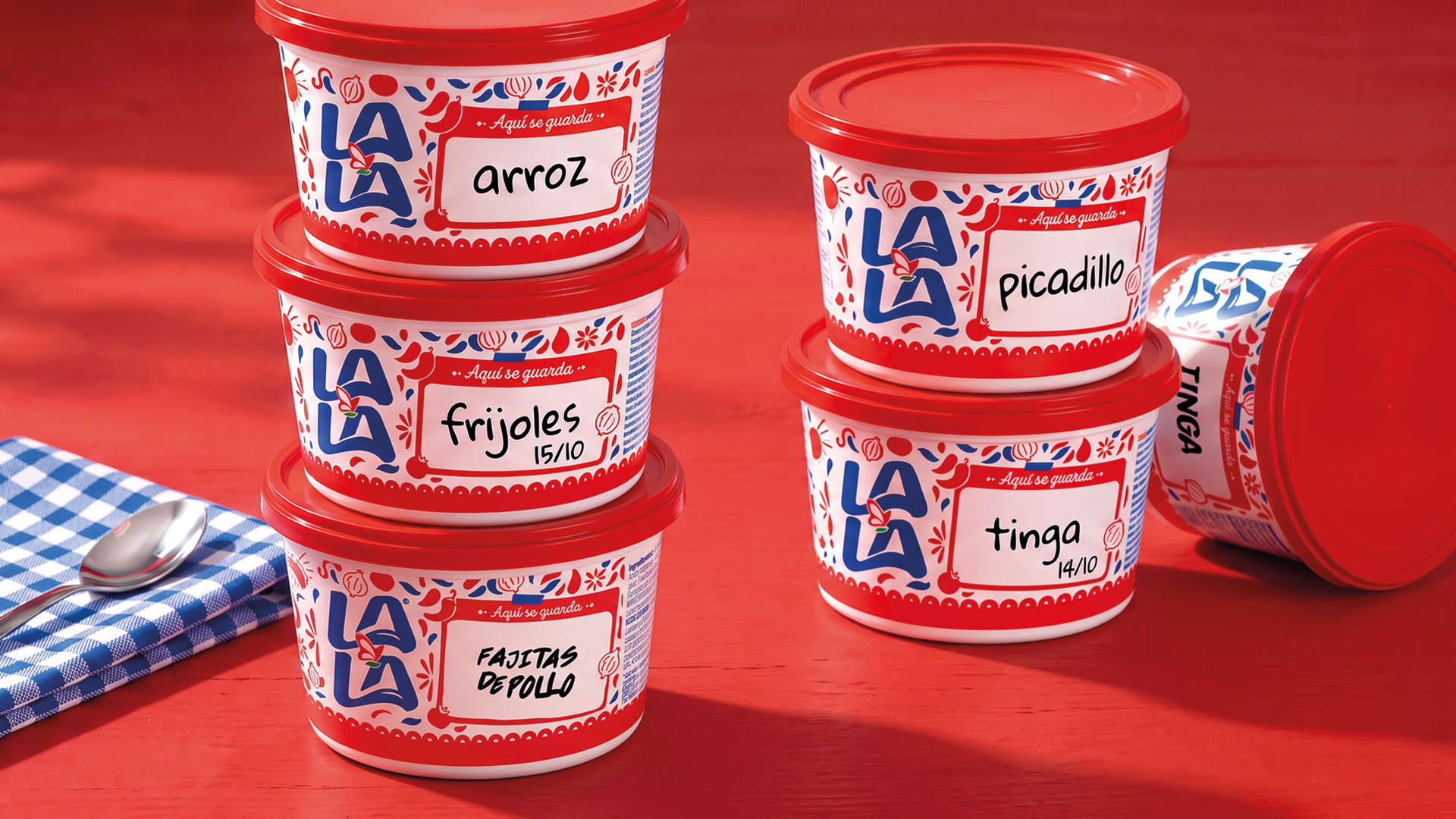
Recognizing this deeply ingrained cultural habit, the dairy giant Lala, in collaboration with creative agencies Zurda México and Conciergency, recently launched the "Mexiconteiners" project. By officially acknowledging the "fridge Russian roulette" that every Mexican family plays, the brand has transformed a functional packaging oversight into a brilliant piece of design innovation, turning a simple tub into an interactive, cultural asset.
The Cultural Context: The Life Cycle of a Plastic Tub
To understand the genius of the Mexiconteiners, one must first understand the "re-use" culture prevalent in Mexico. For generations, the plastic tubs used by dairy brands like Lala have been prized for their durability and lid-tight seal. Once emptied of their original contents, these tubs are washed and repurposed, becoming the primary storage solution for leftovers in millions of Mexican homes.
This behavior, while incredibly sustainable and practical, has historically been the source of mild domestic frustration. When a family member opens a container in the fridge expecting a dollop of cream for their tacos, only to discover it contains a serving of leftover beans, the surprise—and the ensuing humor—has become a shared national experience. It is a "universal truth" of Mexican domestic life, frequently documented in memes and casual conversation, yet until now, it was a phenomenon that brands largely ignored or treated as a branding challenge to be "solved" through opaque packaging.
Chronology of a Viral Innovation
The path from a common household observation to a national marketing campaign was not paved by traditional market research, but by lived experience.
1. The Observation Phase: The creative teams at Zurda México and Conciergency began by analyzing the brand’s relationship with its consumers. They observed that the bond between the consumer and the brand was not limited to the product’s consumption phase, but extended long into the product’s second life as a storage container.
2. The Conceptualization: Diego Gueler Montero, Chief Creative Officer at Zurda México, described the moment of clarity as a "lightbulb moment." The team realized that rather than trying to prevent the reuse of their packaging, they should celebrate it. The concept of the "Mexiconteiners" was born: a design that explicitly invites the consumer to repurpose the packaging.
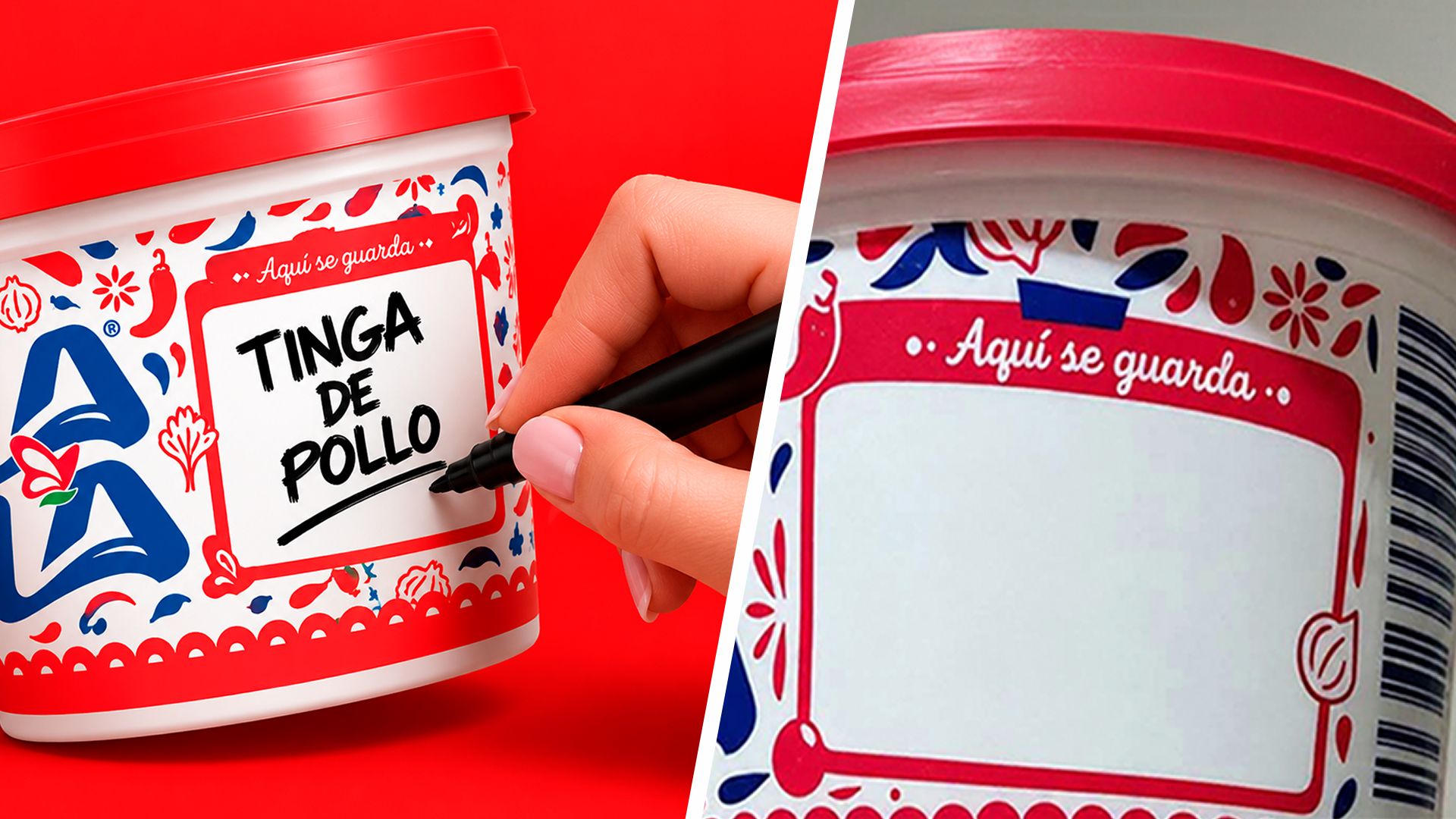
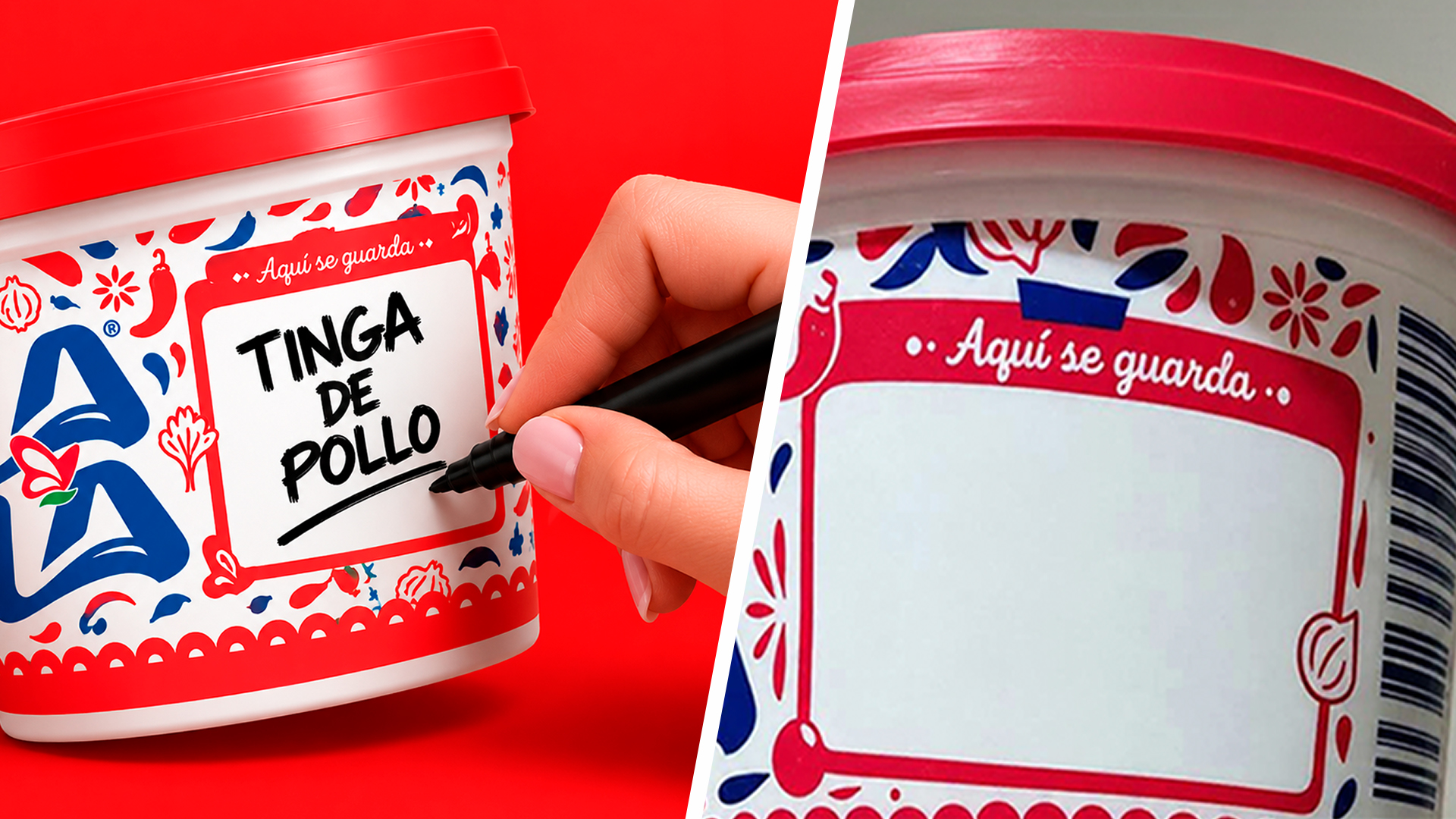
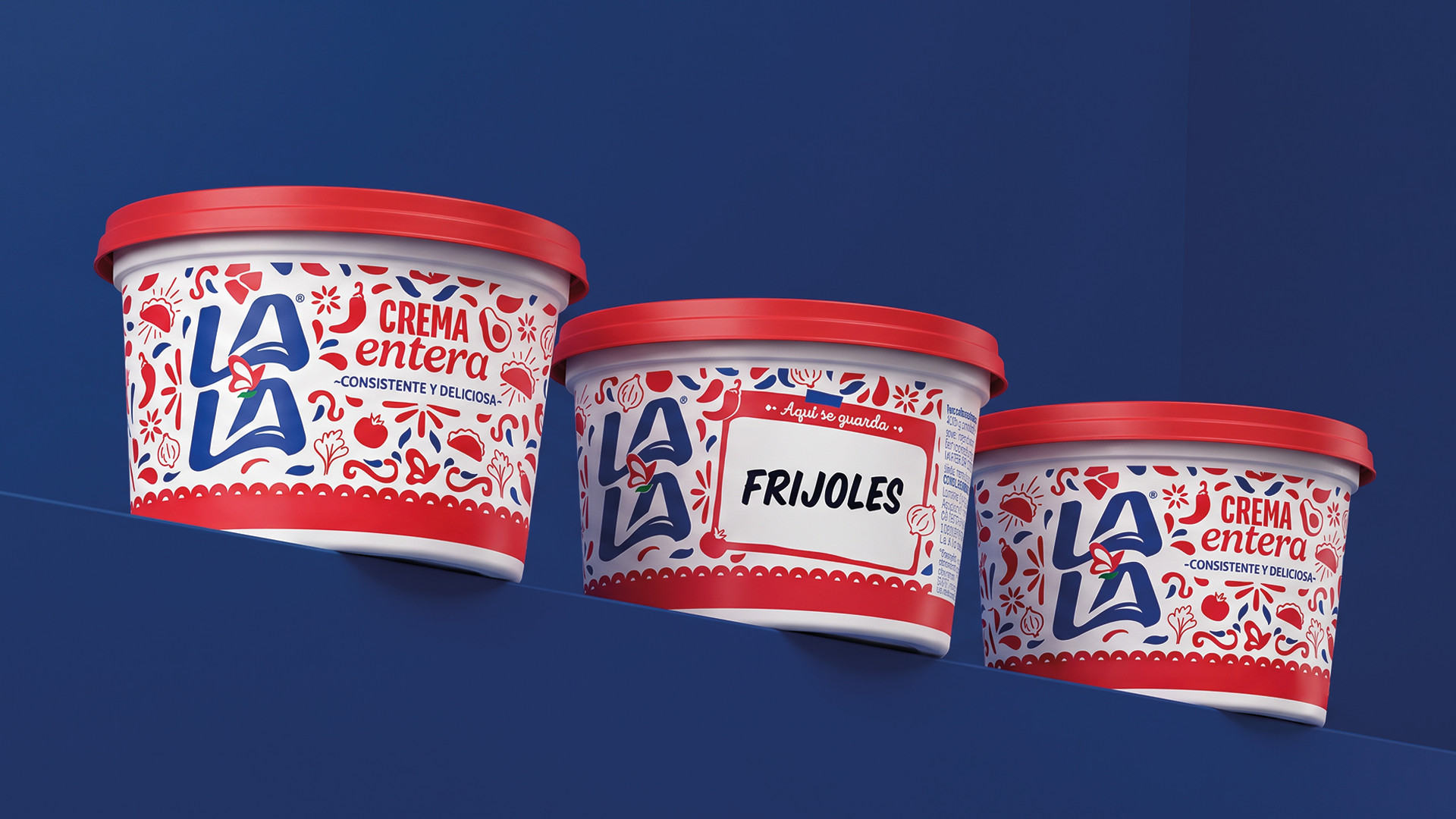
3. The Design Iteration: The agencies developed a new label design for the Lala tubs. The critical innovation was the inclusion of a dedicated, clearly marked space—essentially a "What’s inside?" field—where consumers can write the contents of the container once the original product has been depleted.
4. The Rollout: The project launched as a proactive campaign that resonated instantly. By printing the labels with space for a marker, the brand gave consumers permission to do what they were already doing, effectively legitimizing a long-standing informal practice.
5. The Expansion: Following the success of the initial launch, the concept has transcended its origins as a singular campaign. It has evolved into a permanent design platform, with the brand introducing licensed editions, such as Peanuts collaborations, and expanding the design language to other products within the company’s portfolio.
Supporting Data: Why "Cultural Resonance" Outperforms "Market Research"
The success of the Mexiconteiners project provides a compelling case study for brand managers and designers alike. In an era where data-driven marketing often leads to sterile, focus-group-tested campaigns that lack personality, the Mexiconteiners project succeeded because it was rooted in authentic human behavior.
According to the project leads, the campaign required no massive, multi-million dollar research study. Instead, it relied on "generational inside knowledge." By validating the consumers’ reality, Lala strengthened its brand equity. The project turned a simple, commodity-based item into a functional tool for the home.
The engagement metrics were immediate. On social media, the campaign sparked a viral wave of user-generated content. Consumers began sharing photos of their own "labeled" Lala tubs, showing off their organizational skills and, occasionally, the comical contents of their fridge. This created a virtuous cycle: the more the brand encouraged the behavior, the more consumers felt connected to the brand, ultimately cementing Lala’s status as an indispensable part of the Mexican household.
Official Perspectives: The Creative Vision
The architects of this project emphasize that the design challenge was twofold: keeping the branding recognizable while creating a space for user customization.
"The challenge was to make that new function feel completely integrated into the brand," explains Valentina Zuchiatti, Chief Creative Officer at Conciergency. "We incorporated illustrations and graphic codes rooted in Mexican culture and everyday life, together with a dedicated space where people could write what they were storing inside, while keeping the pack unmistakably Lala."
From the brand’s perspective, the pivot was a shift from being a "product provider" to a "lifestyle partner." As Diego Gueler Montero noted, "We realized we didn’t need to push the product itself; we needed to celebrate the container’s second lifecycle. That second life is the ultimate proof of how deeply rooted the brand is in our culture."
The Wider Implications: Sustainability and Future Design
The implications of the Mexiconteiners project extend far beyond the dairy aisle. In a global climate where plastic waste is a mounting concern, the "reuse" culture is a vital component of a circular economy. While the primary goal of the campaign was to build brand affinity, it also highlights a shift in how companies might approach the life cycle of their packaging.
1. Design as a Tool for Behavior Optimization
By providing a space to write the contents of the container, the designers have improved the utility of the packaging. This is a form of "user-centered design" that goes beyond the point of purchase. It acknowledges that the consumer’s journey with a product does not end when the product is consumed.
2. The Power of Cultural Integration
Brands that fail to acknowledge the cultural context of their products often find themselves disconnected from their audience. Lala’s success proves that when a brand stops trying to "control" the consumer experience and instead "participates" in it, the results are exponentially more effective. The Mexiconteiners are not just a campaign; they are an acknowledgment of the consumer’s intelligence and autonomy.
3. Creating "Flexible Design Platforms"
The evolution of the project into a "flexible design platform" suggests a new way forward for packaging. By moving away from rigid, static designs and toward templates that allow for seasonal, collaborative, or functional variations, brands can maintain a fresh presence in the consumer’s home. The expansion into licensed editions, such as the Peanuts collaboration, demonstrates that the "Mexiconteiners" framework is a scalable, long-term asset.
4. A Template for Global Brands
Could the "Mexiconteiners" model work elsewhere? It is entirely possible. Many cultures share the "re-use" tradition—from the classic glass jars of pickles or preserves in Eastern Europe to the repurposed metal tins of tea or biscuits in the UK. The success of this project suggests that if global brands were to identify these unique, localized habits and design for them, they could build deeper, more authentic connections with their global consumer base.
Conclusion: A Lesson in Brand Humility
The story of the Mexiconteiners is ultimately one of humility. It is a story about a brand listening to its consumers, recognizing the quiet ways they have integrated its products into their lives, and having the courage to lean into those habits.
By turning a "fridge secret" into a public celebration, Lala has achieved what most brands spend millions trying to do: they have become a part of the cultural fabric of a nation. They have transformed a plastic tub from a piece of disposable waste into a functional, cherished, and humorous household object.
As we look toward the future of packaging design, the Mexiconteiners project stands as a shining example of how creative thinking can solve problems that weren’t even on the drawing board. It is a reminder that the best design is often the one that recognizes the truth of the user’s experience—even if that experience involves a tub of beans hiding in a cream container. The project is a testament to the power of cultural observation, and it proves that sometimes, the most effective innovation is simply acknowledging what is already there.
 Reynand Wu
 Nila Kartika Wati
 Nana Muazin
