
 By Raul Delapena Setiawan
For the modern independent artist, the era of relying solely on streaming royalties is effectively over. In 2026, the music industry has completed a radical shift: music is no longer just a product; it is the entry point into a comprehensive digital ecosystem. Whether you are a solo producer selling sample packs or a touring band managing a global merchandise operation, ecommerce has become the essential backbone of a sustainable creative career.
Success today is defined by how effectively an artist converts passive listeners into active patrons. To achieve this, musicians are increasingly turning to dedicated ecommerce platforms that go far beyond simple storefronts. These tools are now the command centers for digital downloads, exclusive memberships, high-end merchandise, and tour ticketing.
The Evolution of Artist Monetization: A Chronology
The transformation of the musician’s digital presence can be traced through three distinct phases:
- The Aggregator Era (2010–2016): Artists focused almost exclusively on getting tracks onto iTunes and early streaming services. Digital sales were passive, and artist websites were often little more than static "link-in-bio" pages.
- The Direct-to-Fan Renaissance (2017–2022): The rise of platforms like Bandcamp and Patreon shifted the narrative. Artists began to recognize the value of owning their audience data and bypassing middlemen to capture a larger share of their earnings.
- The "Creator-Entrepreneur" Era (2023–2026): We have now entered a phase where artists function as full-scale digital businesses. The integration of Merchant of Record (MoR) services, AI-driven marketing tools, and seamless print-on-demand (POD) manufacturing has lowered the barrier to entry, allowing artists to scale operations that previously required a professional management team.
Comparative Landscape: Choosing Your Command Center
Selecting the right platform is a strategic decision that depends entirely on your business model. Below is a breakdown of the leading solutions for 2026.
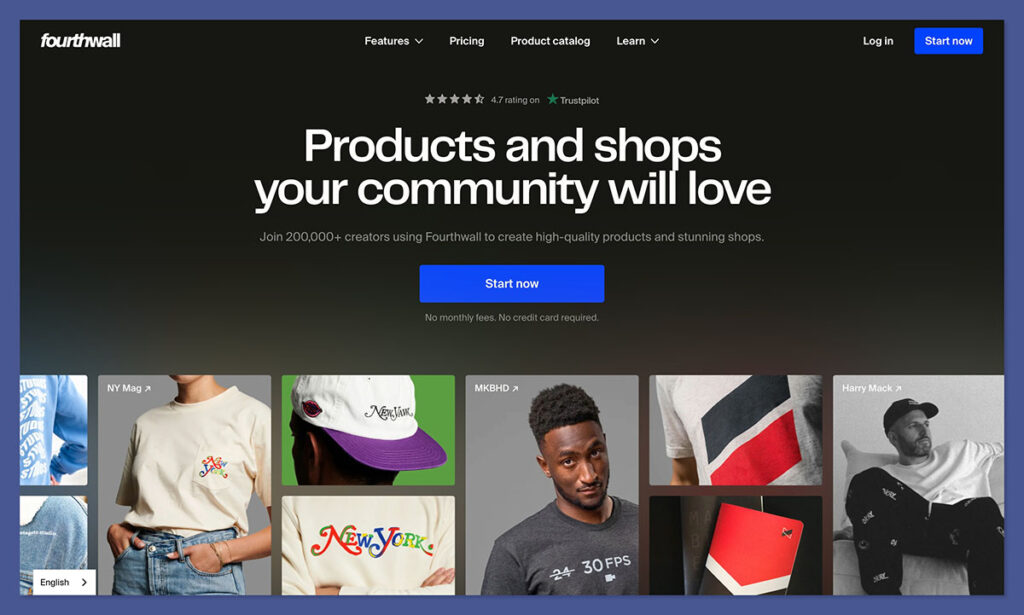
1. Fourthwall: The All-in-One Powerhouse
Fourthwall has emerged as the "hidden gem" of the creator economy. Unlike traditional platforms, it functions as a Merchant of Record, handling the complex headaches of global sales tax and compliance.
- Best For: Artists who want a single dashboard for merch, memberships, and digital downloads.
- Key Advantage: Seamless integration with YouTube Merch Shelf and premium print-on-demand services with no upfront monthly fees.
2. Shopify: The Scalable Standard
Shopify remains the industry gold standard for artists who view themselves as serious retail entities.

- Best For: High-volume operations, global shipping, and artists managing complex product bundles.
- Key Advantage: With the introduction of "Shopify Sidekick," an AI-powered assistant, artists can automate inventory management and store design with unprecedented speed.
3. Bandcamp: The Purist’s Choice
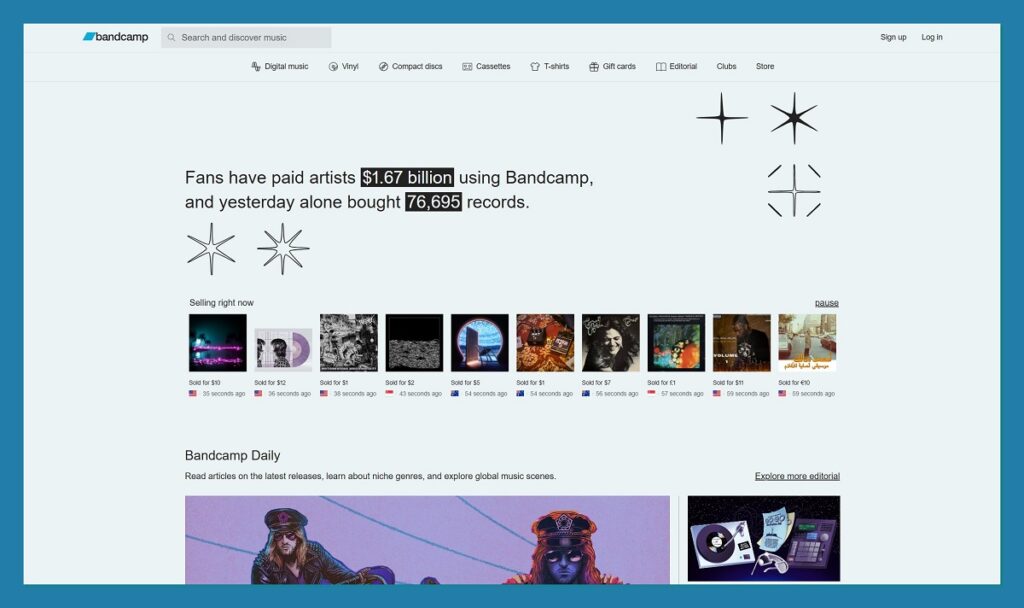
Bandcamp remains the most trusted platform for music-first creators.
- Best For: Selling digital EPs, vinyl records, and high-fidelity audio files directly to a dedicated fan base.
- Key Advantage: A fee structure that prioritizes artist revenue and an interface designed specifically for music discovery.
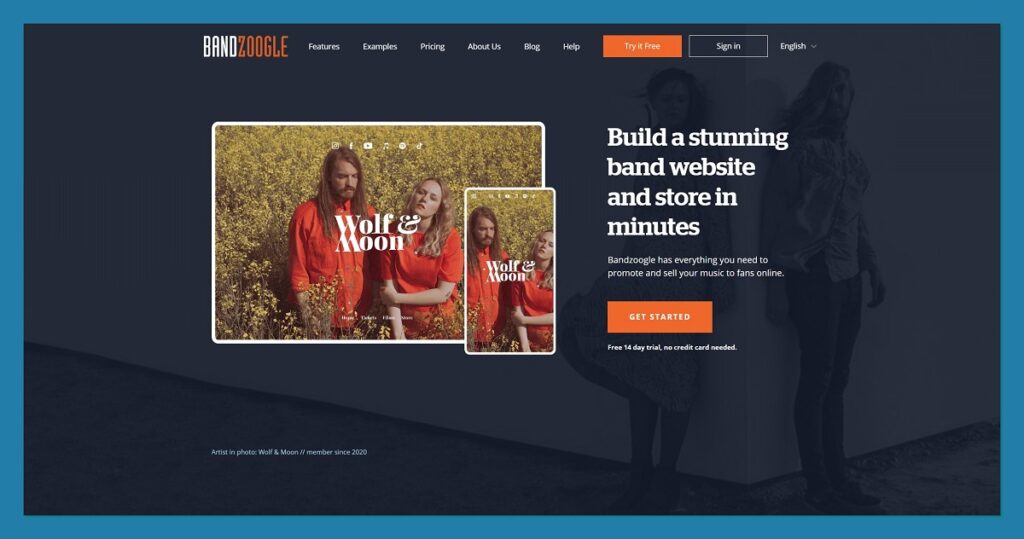
4. Bandzoogle: The Musician-Specific Website Builder
Bandzoogle is unique because it was built from the ground up for artists, by developers who understand the music industry.
- Best For: Musicians needing an all-in-one hub (EPK, music player, store, and mailing list).
- Key Advantage: No commissions on sales and native tools for selling concert tickets.
5. Specialized Platforms: Patreon, Gumroad, and Ko-fi
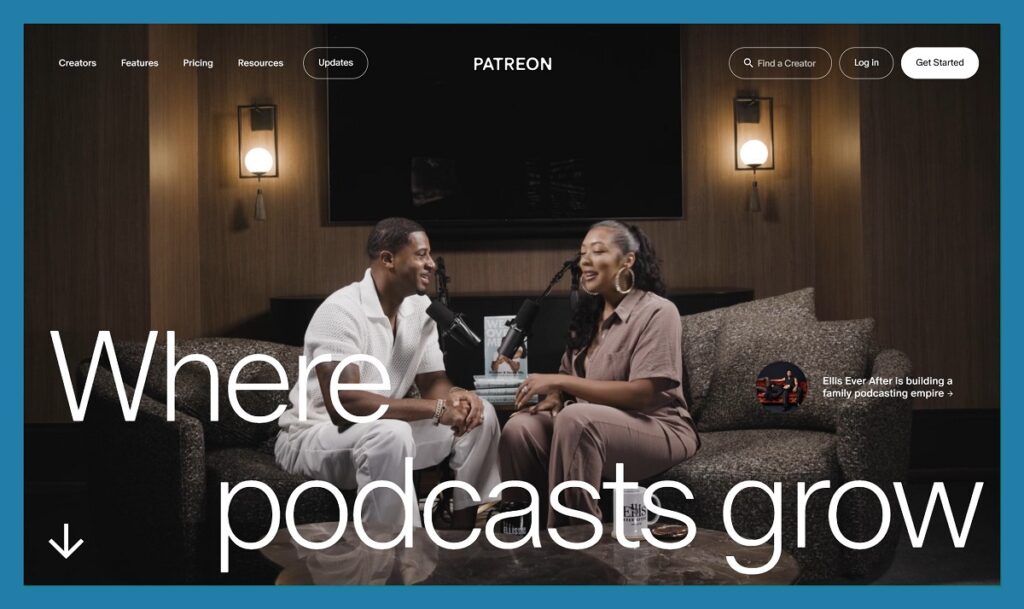
- Patreon: The definitive tool for recurring revenue through tiered community memberships.
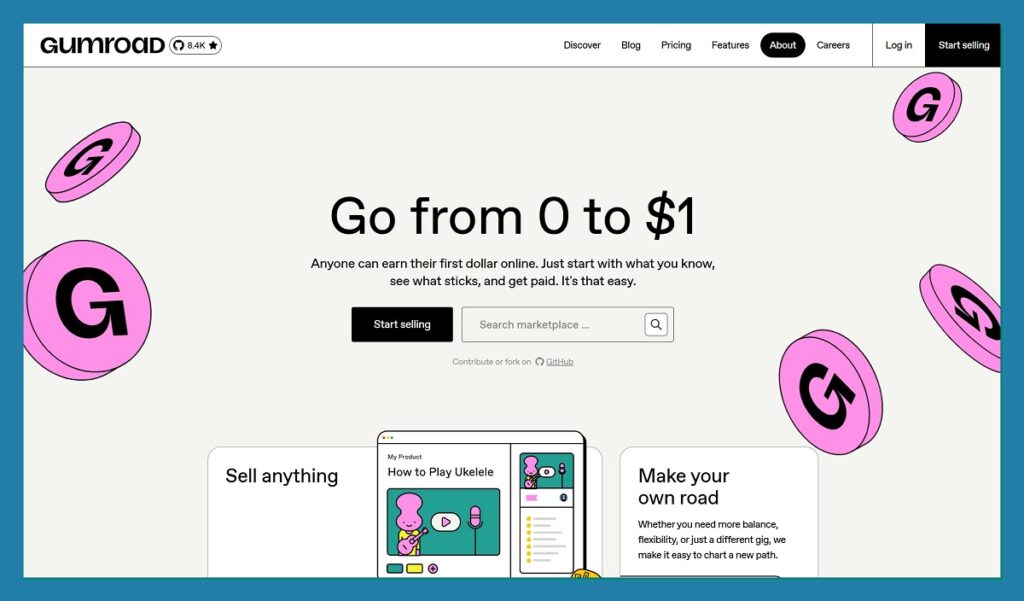
- Gumroad: Ideal for the "educational" artist—perfect for selling sample packs, DAW presets, and masterclasses.
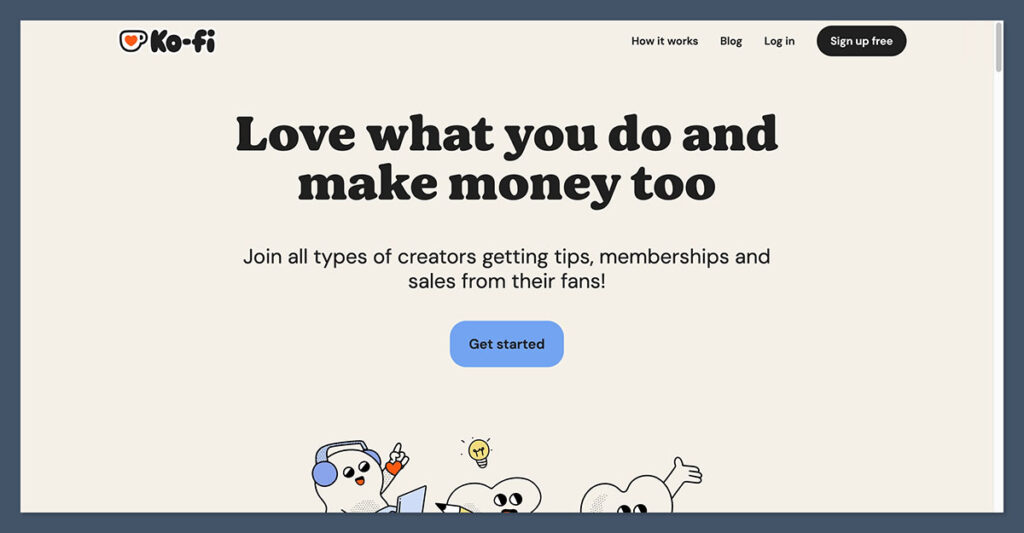
- Ko-fi: The low-friction solution for accepting tips and small-scale digital contributions without the pressure of a full storefront.
Supporting Data: Why Infrastructure Matters
Market analysis from 2026 indicates that artists who maintain their own ecommerce stores rather than relying solely on third-party streaming platforms earn, on average, 3.5 times more per fan. Furthermore, data suggests that "Direct-to-Fan" revenue streams are significantly more resilient to shifts in music industry trends.
- Conversion Rates: Artists using integrated storefronts report a 12% higher conversion rate when products are linked directly from their social content (e.g., YouTube Merch Shelf).
- Margin Efficiency: Artists using POD services (like those integrated into Fourthwall or Shopify) reduce their inventory risk by 80%, compared to traditional bulk-purchased merchandise.
Official Responses and Industry Outlook
"The goal for the independent musician in 2026 is no longer just ‘virality,’" notes industry analyst Sarah Jenkins. "The goal is ‘sustainability.’ Platforms that handle the administrative load—taxes, shipping, and digital fulfillment—are winning because they allow the artist to stay in the studio rather than the warehouse."
Major platforms have responded to this by doubling down on "headless" commerce, allowing artists to embed checkout buttons directly into music videos, social media posts, and interactive web experiences.
Implications for Your Career: Strategic Implementation
Assessing Your Needs
Before settling on a platform, categorize your primary revenue driver. Are you selling physical goods, intellectual property (digital samples), or your time and access (memberships/lessons)?
- If you are a touring band: Prioritize platforms that offer POS (Point of Sale) integration. Being able to sync your online inventory with your tour-van stock is essential for avoiding double-selling.
- If you are a bedroom producer: Focus on low-overhead platforms like Gumroad or Bandcamp. Your goal is to maximize margins on digital goods where there is zero shipping cost.
- If you are a brand-focused artist: Squarespace or Wix offer the design flexibility needed to maintain a high-end, aesthetic-heavy brand identity while still providing decent ecommerce features.
The Cost of Doing Business
Don’t be fooled by "zero-fee" platforms. While platforms like Bandcamp or Patreon take a larger percentage of your revenue, they often save you money in subscription fees and professional management costs. Conversely, Shopify’s monthly fee is an investment that pays off as soon as you scale to higher volumes where transaction-based models become expensive.
Frequently Asked Questions (FAQ)
Q: Do I really need my own website, or is a link-in-bio enough?
A: A link-in-bio is a starting point, but it is not a business. A website grants you control over your email list, which is the single most valuable asset in your digital marketing arsenal.
Q: Can I use multiple platforms at once?
A: Absolutely. Many successful artists use Bandcamp for music sales, Shopify for merchandise, and Patreon for community building. This multi-channel approach is often safer than putting all your eggs in one basket.
Q: What is the "Merchant of Record" (MoR) and why should I care?
A: An MoR (like Fourthwall or Gumroad) takes on the legal responsibility of collecting and remitting sales tax in different countries and states. For a touring artist, this is a lifesaver, as it removes the need to track tax laws in every jurisdiction where you have a customer.
Q: How do I handle international shipping?
A: If you aren’t ready for a 3PL (Third-Party Logistics) provider, look for platforms that integrate with global shipping calculators like PirateShip or ShipStation. These tools provide significantly better rates than standard post office prices.
Final Verdict
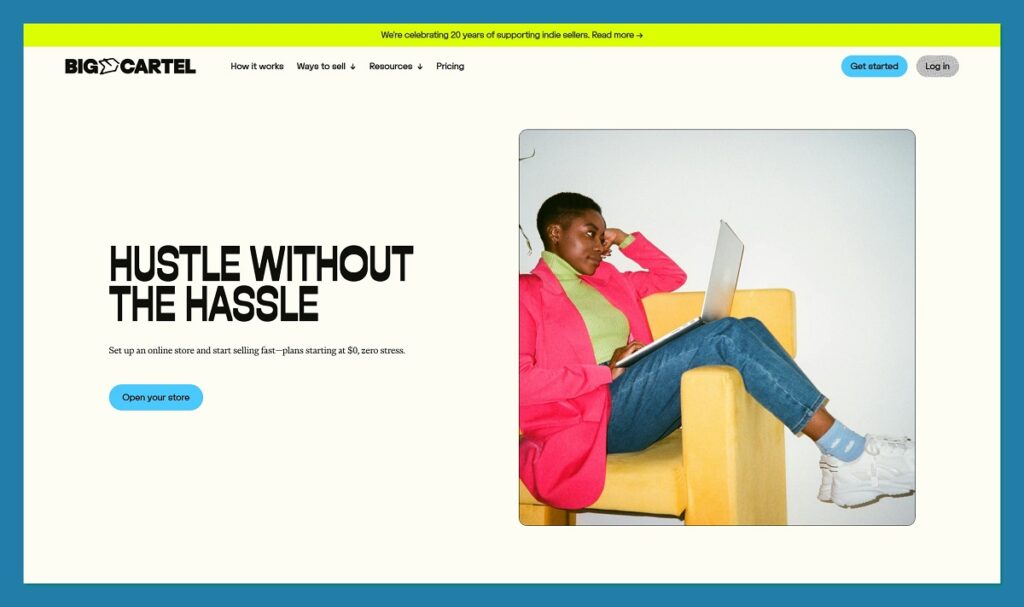
The "best" platform is the one that aligns with your current level of growth. If you are just starting, do not over-engineer. Begin with a simple solution like Bandcamp or Big Cartel. As your audience expands and your product catalog grows, transition to more robust systems like Shopify or WooCommerce.
In 2026, the technology to sustain a music career is more accessible than ever. The only barrier left is your willingness to treat your artistry with the same professional rigor as you would any other successful business. By choosing the right infrastructure today, you are not just selling music—you are building a career that can weather the volatility of the modern industry.
 Dwi Wanna
  Lina Irawan
  Basiran