
 By Reynand Wu
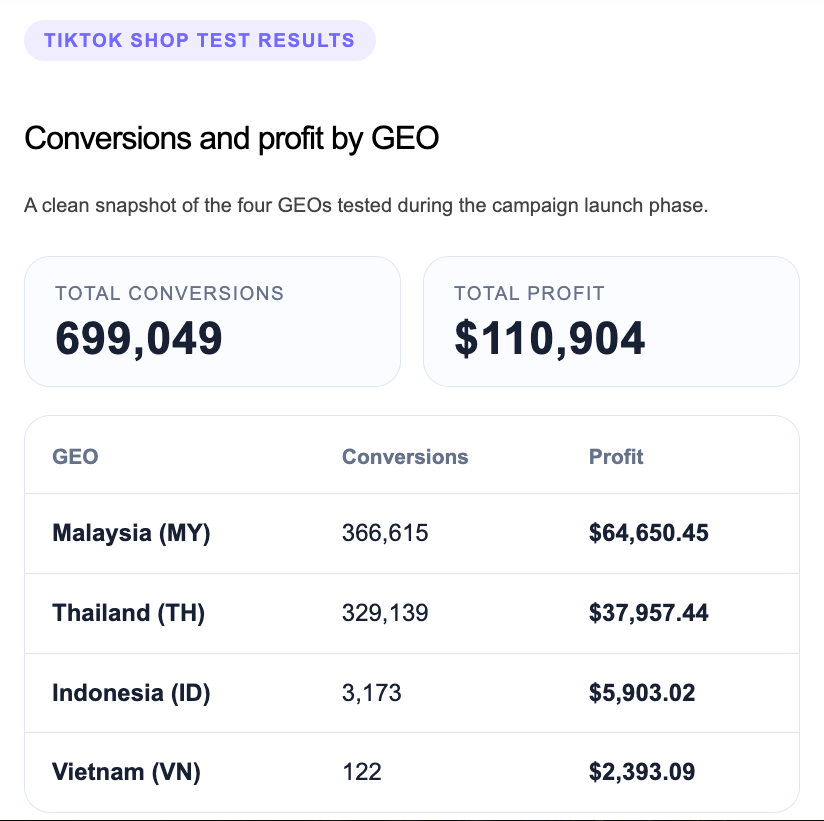
In the rapidly evolving landscape of digital commerce, the intersection of entertainment and purchasing power has created a formidable new paradigm: social commerce. At the forefront of this shift is TikTok Shop, a platform that has transformed from a viral content engine into a global powerhouse for direct-to-consumer transactions. A recent deep-dive case study by PropellerAds has illuminated the immense potential for ecommerce affiliates, highlighting a campaign that generated over 699,000 conversions and $110,000 in profit during Q1 2026. This success story serves as a masterclass in leveraging non-traditional traffic sources to capture the high-intent audiences of Southeast Asia.
The Evolution of the Purchase Journey
The traditional e-commerce funnel—characterized by long discovery paths, multiple clicks, and external checkout processes—is being systematically dismantled. TikTok Shop thrives by minimizing friction. By integrating product discovery directly into the video feed, the platform allows users to engage with content and complete a purchase without ever leaving the application.
For affiliate marketers, this is a game-changer. It caters perfectly to the "impulse-buy" nature of lifestyle, fashion, beauty, and gadget categories. As mobile-first consumption habits become entrenched in Asian markets like Malaysia, Indonesia, Vietnam, and Thailand, the ability to capitalize on immediate consumer gratification has become the primary driver of ROI for sophisticated media buyers.
Case Study: A Blueprint for Success
The PropellerAds study provides a detailed look at how high-volume performance marketing is executed in the current climate. Rather than relying solely on organic social reach, the advertiser in question utilized a robust combination of Popunder traffic and advanced bidding strategies to scale their TikTok Shop offers.
Campaign Structure and Methodology
The campaign was intentionally designed with a multi-layered approach, focusing on four key Asian markets. The strategy was built upon a foundation of data-driven decision-making, moving from broad experimentation to surgical optimization.
| Campaign GEO | Traffic & Bidding Methods |
|---|---|
| Malaysia | Popunder Traffic, CPA Goal |
| Thailand | Popunder Traffic, SmartCPM |
| Indonesia | Popunder Traffic, High Intent CPM |
| Vietnam | Popunder Traffic, CPA Goal |
The Strategy: Broad Testing Before Optimization
One of the most critical takeaways from the case study is the rejection of premature optimization. The advertiser began with "Run-On-Network" (RON) campaigns. The goal was not immediate profit, but the collection of high-quality conversion signals. By casting a wide net across various devices, traffic sources, and demographics, the team identified which specific pockets of users were most responsive to TikTok Shop offers.

Once the data set was statistically significant, the campaign shifted into an optimization phase. This involved:
- Source Pruning: Eliminating low-performing placements that failed to yield the desired CPA.
- Creative Iteration: Tailoring ad visuals to align with local cultural aesthetics.
- Bidding Refinement: Transitioning from broader CPM models to refined CPA-based bidding to ensure profitability per conversion.
Supporting Data: Performance Metrics
The results of this strategic approach were striking. In regions like Malaysia and Thailand, conversion rates climbed as high as 10%, a testament to the effectiveness of pairing TikTok’s native shop ecosystem with external traffic drivers. The cost-per-acquisition (CPA) was maintained at a highly competitive range, fluctuating between $0.04 and $0.20.
These figures demonstrate that even in a saturated market, there remains significant margin for affiliates who are willing to bridge the gap between alternative traffic formats (like Popunder and Push notifications) and the seamless checkout experience provided by TikTok Shop.
Implications for the Affiliate Marketing Industry
The success of this campaign has broader implications for the future of digital marketing. It suggests that the "walled garden" approach—where marketers only use native social platform ads—is no longer the only path to success.
1. Diversification of Traffic Sources
Affiliates are increasingly recognizing that relying exclusively on platform-native advertising is risky and often expensive. The PropellerAds case study proves that integrating "alternative" traffic sources—such as Popunder and Push notifications—can effectively prime audiences and drive them toward high-conversion environments like TikTok Shop. This strategy allows for scale that is often unattainable through standard social media bidding alone.
2. The Power of "In-App" Frictionless Flow
The "TikTok effect" is real. By keeping the user within a familiar interface, the psychological barriers to purchase are significantly lowered. For affiliates, this means that the "landing page" is effectively the video content itself. The role of the affiliate has shifted from creating elaborate sales funnels to creating high-engagement content that triggers the initial click, handing off the rest of the conversion process to the platform’s optimized checkout.
3. Regional Focus as a Competitive Advantage
The Asian markets remain the "testing ground" for the future of social commerce. The high smartphone penetration and the existing cultural comfort with live-stream shopping and in-app purchasing make these regions the most profitable for early adopters. Marketers who master the nuances of these markets now will be best positioned when similar shopping behaviors reach full maturity in Western markets.
Expert Insight: Practical Advice for Affiliates
For those looking to replicate these results, the path forward requires a blend of technological agility and creative intuition. Bogdan Rancea, a veteran of the ecommerce space, emphasizes that the key to success lies in the ability to test rapidly and discard ineffective strategies without hesitation.
"The modern affiliate needs to be part-data scientist, part-content creator," Rancea notes. "The tools provided by networks like PropellerAds allow for granular control, but they are only as effective as the strategy behind them. Testing is not a one-time event; it is the core of the business model."
Key Takeaways for Future Campaigns:
- Prioritize Localized Content: What works in Indonesia may fail in Vietnam. Cultural context, language, and trends are paramount.
- Leverage Automated Bidding: Using tools like SmartCPM allows the system to bid more aggressively on high-converting traffic, maximizing the budget where it counts.
- Focus on High-Intent Categories: Impulse categories like fashion, gadgets, and personal care continue to yield the highest returns in the social commerce model.
- Monitor Traffic Quality: Not all traffic is created equal. Using high-intent traffic sources is essential to maintaining the low CPA figures required to stay profitable in the long run.
The Future of Social Commerce
As TikTok Shop continues to roll out new features, including advanced creator collaboration tools and improved inventory management for sellers, the opportunity for affiliates will only grow. The symbiotic relationship between the platform’s native discovery engine and external performance marketing traffic is creating a robust ecosystem that shows no signs of slowing down.
For media buyers and affiliates, the message is clear: the integration of social commerce into everyday life is a permanent shift. By leveraging data-backed testing, focusing on high-growth GEOs, and embracing non-traditional traffic formats, affiliates can tap into a goldmine of conversion potential.
The case study from Q1 2026 is likely just the beginning. As technology continues to close the gap between seeing a product and owning it, the affiliates who move quickly to adopt these integrated strategies will define the next decade of online retail. Whether you are a seasoned media buyer or a newcomer to the ecommerce affiliate space, the data suggests that now is the time to pivot toward social-first strategies. The infrastructure is there, the traffic is available, and the consumers are ready to shop—all that remains is the execution.
 Dwi Wanna
  Lina Irawan
  Basiran