
 By Ammar Sabilarrohman
The global dropshipping market is undergoing a profound transformation. Once dismissed by critics as a "get-rich-quick" scheme, the industry is maturing into a legitimate, multi-trillion-dollar pillar of global e-commerce. According to recent market intelligence from Grand View Research, the dropshipping sector is projected to exceed a valuation of $1.2 trillion by 2030.
However, the "golden era" of low-effort retail—where entrepreneurs could simply list cheap, low-quality goods with a high markup—has effectively come to an end. Today’s consumers are more discerning, demanding faster shipping times, superior product quality, and responsive customer service. For the modern entrepreneur, success now hinges on platform selection. In this competitive landscape, two names have risen to the forefront: dropXL and Zendrop.
While both platforms aim to simplify the supply chain, they cater to fundamentally different business strategies. This article provides a deep dive into their capabilities, logistical frameworks, and long-term viability for your e-commerce venture.
The Core Philosophy: Supplier-Led vs. Entrepreneur-Led Models
To understand the difference between these two platforms, one must look at their underlying DNA.
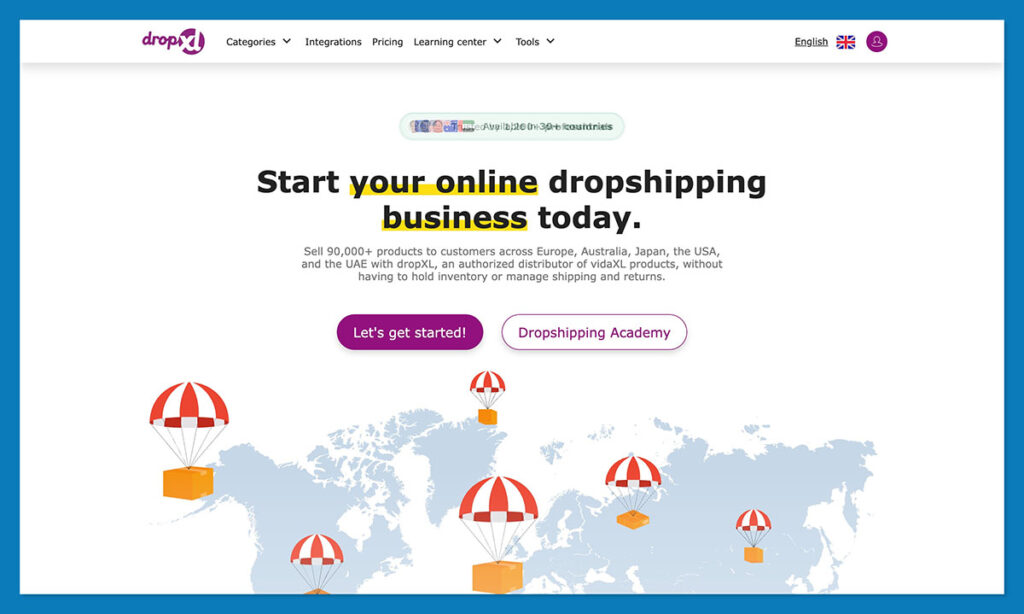
dropXL functions as a specialized, supplier-first ecosystem. It is essentially the dropshipping arm of the established retail giant, vidaXL. It provides a curated, stable environment where the primary focus is on quality control, inventory depth in specific niches (home, garden, and furniture), and consistent fulfillment.
Zendrop, by contrast, operates as a comprehensive "growth engine." It is designed for the experimental entrepreneur. With a vast, sprawling catalog and a suite of AI-driven tools, Zendrop is less of a supplier and more of an all-in-one business launchpad. It caters to those who need to iterate, test products, and scale rapidly through digital marketing.
Chronology and Evolution of the Platforms
The evolution of these platforms mirrors the shifting needs of the e-commerce market.
- The Early Phase (The "Wild West"): Initially, dropshipping was dominated by platforms that functioned as simple directories. Quality was inconsistent, and shipping times were notoriously long.
- The Middle Phase (Integration and Automation): As platforms like Zendrop emerged, they focused on "one-click" integrations with Shopify and Wix, solving the technical hurdle of store building.
- The Modern Phase (Niche Specialization): We are currently in the era of specialization. dropXL represents this shift—moving away from the "everything store" model toward specialized catalogs with integrated logistics and local warehousing, recognizing that furniture and bulky goods require a different, more professional level of handling than generic accessories.
Supporting Data: Comparing the Features
| Feature | dropXL | Zendrop |
|---|---|---|
| Primary Focus | Furniture, Home, Outdoor, Garden | General, Tech, Beauty, Fashion, POD |
| Catalog Size | 130,000+ (vidaXL focus) | 1,000,000+ |
| Warehouse Network | Global (USA, EU, AU, Japan, UAE) | US/China 3PL & Supplier Network |
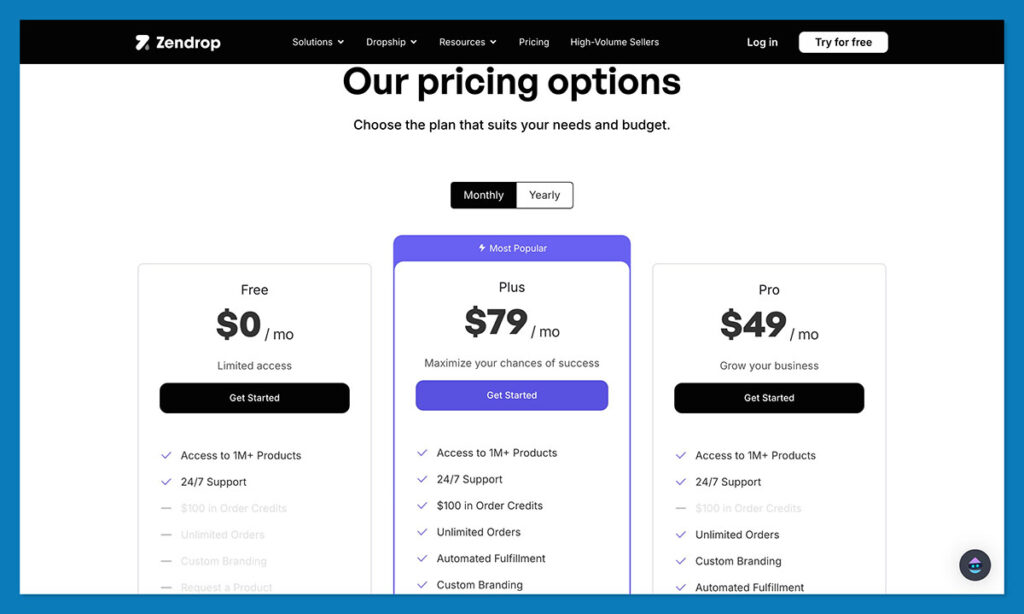
| Pricing Model | Flat €30/month | Free / $49 / $79 tiers |
| Key Advantage | Return Handling & Quality Control | AI Tools, Coaching, Speed to Market |
| Target Audience | Established Niche Retailers | Testing/Scaling Entrepreneurs |
Detailed Analysis: dropXL—The Specialist’s Choice
dropXL is designed for the retailer who understands that reputation is everything. By leveraging the massive infrastructure of vidaXL, it offers a level of reliability that is hard to find elsewhere.
The Logistics Advantage
When you sell a coffee table or a garden lounge set, the stakes are significantly higher than selling a phone case. Returns are difficult, shipping is expensive, and damage in transit can destroy your profit margin. dropXL excels here because it manages the logistics from end to end. With warehouses located across 30+ countries, they keep stock close to the end consumer, ensuring that "last-mile" delivery is as efficient as possible.
The Professional Backend
Unlike platforms that rely on fragmented suppliers, dropXL offers a clean, professional API and product feed system. Inventory updates happen hourly, and pricing updates occur daily, preventing the classic dropshipping "out of stock" disaster. For a business owner looking to build a long-term, trustworthy brand, this level of synchronization is invaluable.
Detailed Analysis: Zendrop—The Growth Accelerator
Zendrop is the choice for the "Lean Startup" model. If your goal is to find the next viral product on TikTok and test it within 48 hours, Zendrop is built for that speed.
AI Integration
Zendrop has leaned heavily into artificial intelligence. Their suite includes AI-built store templates, AI video ad generators, and an "AI assistant" (via MCP server) that helps with product discovery. This drastically reduces the barrier to entry for beginners who lack coding or design skills.
Print on Demand (POD) and Custom Sourcing
Beyond traditional dropshipping, Zendrop allows users to pivot into Print on Demand. This is a powerful feature for creators who want to build a brand around unique designs without holding inventory. Furthermore, their custom sourcing team can help you find specific suppliers for products not currently in their catalog, effectively acting as an extension of your procurement department.
Official Stances on Service and Support
Customer Service Paradigms:
- dropXL: Because they control the supplier side, they act as the direct point of contact for issues. They offer comprehensive returns support, which is a massive differentiator in the furniture and home goods sector.
- Zendrop: They provide 24/7 support across all plans. While they don’t handle returns with the same direct, supplier-backed authority as dropXL, they offer a vast educational ecosystem, including their own Academy, workshops, and coaching calls to help users navigate common business hurdles.
The "Risk" of Scaling:
Both platforms have addressed the biggest fear in dropshipping: the "invisible middleman." By providing tracking numbers, professional invoicing, and automated order syncing, they eliminate the manual labor that once plagued the industry.
Implications for Your Business Strategy
Choosing between these two platforms requires an honest assessment of your business model.
When to choose dropXL:
- You have a clear, pre-defined niche in the home, garden, or furniture space.
- You are prioritizing customer retention and brand trust over rapid, high-volume product testing.
- You want a predictable cost structure (flat monthly fee) and don’t want to worry about order commissions or tiered feature lockouts.
- You need robust return policies to support high-ticket items.
When to choose Zendrop:
- You are in the "Discovery Phase"—you want to test multiple categories (e.g., tech one month, beauty the next) to see what sells.
- You rely heavily on paid social media ads and need tools to create ad creative and landing pages quickly.
- You are a beginner who needs hand-holding through the process, including access to coaching and educational resources.
- You want the flexibility of a free starting tier to keep overheads low while you validate your business concept.
Final Verdict: The Path Forward
The dropshipping landscape of 2025 and beyond is no longer about finding the cheapest product; it is about building a sustainable supply chain.
dropXL is the better option for the "Builder." It is for the entrepreneur who wants to construct a reliable, professional, and niche-specific storefront where the focus is on providing high-quality household goods to a loyal customer base. The lack of commissions and the focus on logistics make it a stable, long-term partner.
Zendrop is the better option for the "Innovator." It is for the entrepreneur who thrives on agility. If your strength lies in marketing, testing, and keeping up with fleeting consumer trends, Zendrop’s toolkit—ranging from AI-generated stores to print-on-demand—provides the speed required to stay ahead of the curve.
Ultimately, your success will depend not just on the platform you choose, but on how you utilize the tools they provide to solve your customers’ problems. Whether you opt for the furniture-focused stability of dropXL or the high-speed, AI-enabled ecosystem of Zendrop, the key to the next $1.2 trillion in market growth is professionalism. Choose the tool that fits your current phase of growth, and remember: in today’s market, your brand is defined by the quality of your supply chain.
 Dwi Wanna
  Lina Irawan
  Basiran