
 By Iffa Jayyana
In the modern business-to-business (B2B) ecosystem, the days of "spray and pray" digital marketing are long gone. Unlike the impulse-driven nature of consumer (B2C) sales, a single B2B transaction often requires the consensus of a dozen stakeholders and a sales cycle that can span the better part of a year. Success in this arena is not defined by viral hits, but by the systematic accumulation of trust among decision-makers.
As B2B buyers become increasingly digital-first, social media has evolved from a branding afterthought into a critical component of the revenue engine. This guide explores the strategic imperative of B2B social media marketing, the tactics required to influence long-tail sales cycles, and the advanced analytics necessary to prove return on investment (ROI) to the C-suite.

The Core Philosophy: Trust as the Primary Currency
B2B social media marketing is the deliberate use of social platforms to foster relationships between organizations. It is fundamentally different from its B2C counterpart. While B2C marketing focuses on emotional resonance and immediate conversion, B2B marketing focuses on professional credibility, problem-solving, and risk mitigation.
The Anatomy of the B2B Buyer
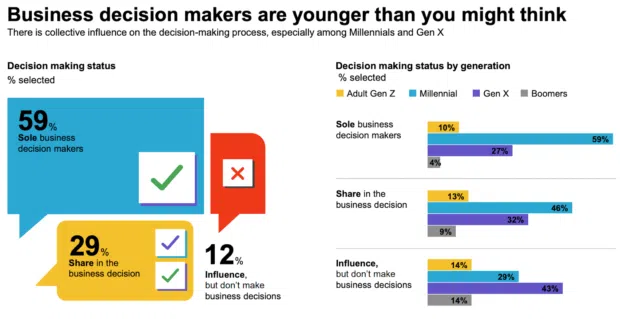
Today’s B2B landscape is dominated by a generational shift. Millennials now lead 59% of all business buying decisions. These buyers are digital natives who conduct extensive research online before ever speaking to a sales representative. They look for peer validation, industry expertise, and authentic brand voices. Consequently, the goal of a B2B social strategy is to position your organization as a trusted advisor, not just a service provider.

Strategic Channel Selection: Quality Over Quantity
The common mistake among B2B marketers is attempting to maintain a presence on every platform. A more effective approach is to identify where your specific decision-makers congregate.
1. The LinkedIn Dominance
LinkedIn remains the undisputed heavyweight of B2B. With over 1.3 billion users—including 98% of Fortune 500 CEOs—it is the primary habitat for professional discourse. However, a LinkedIn profile is not a strategy. It must be paired with active engagement and high-value content distribution.
2. Diversifying Beyond the Feed
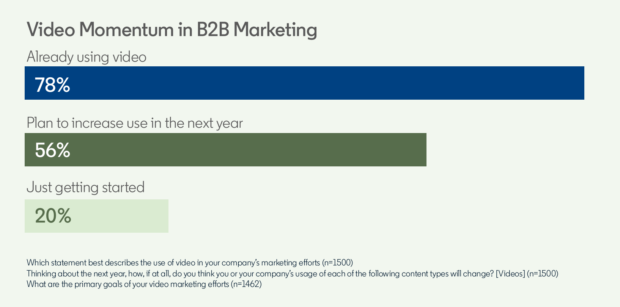
While LinkedIn is the anchor, platforms like YouTube are vital for long-form educational content. As the B2B audience trends younger, short-form video on Instagram and TikTok is increasingly used to showcase company culture and humanize the brand. The rule of thumb: start with two or three platforms where your audience is most active and build depth before attempting to scale.
Content Strategy: Mapping to the Funnel
To convert a skeptic into a buyer, your content must address the specific needs of the prospect at each stage of the marketing funnel.
Top of Funnel (TOFU): Awareness
At this stage, the objective is to earn attention. Content should focus on "hot takes" on industry trends, educational carousels, and myth-busting. The goal is to provide value without the pressure of a sales pitch.
Middle of Funnel (MOFU): Consideration
Buyers here are actively comparing vendors. Your content must provide the evidence they need to evaluate your solution. Webinars, expert interviews, feature comparisons, and "how-to" guides are essential. This is where you prove that your solution is the most reliable path to solving their specific pain points.

Bottom of Funnel (BOFU): Decision
At the final stage, you must mitigate risk. Case studies, detailed testimonials, and product demos serve as social proof. In B2B, the primary barrier to purchase is the fear of making the wrong decision. Your content should act as a safety net, showcasing successful implementations and happy clients.
Advanced Tactics: Driving Performance
Beyond traditional posting, high-performing B2B brands are leveraging three specific tactics to gain a competitive edge.
1. The Rise of Business Influencers (KOLs)
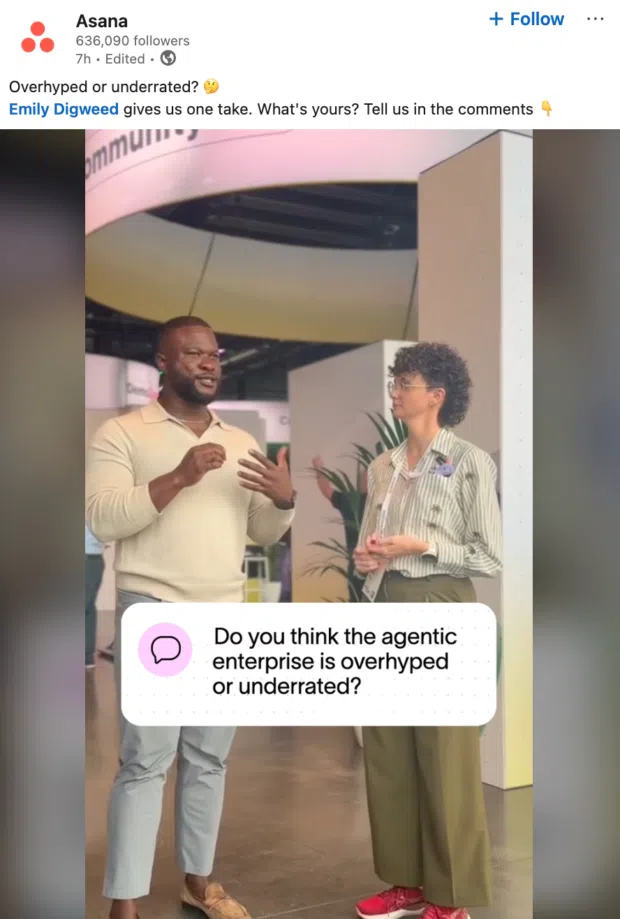
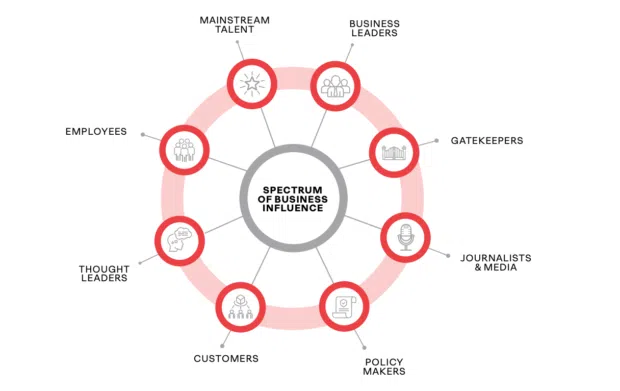
Partnering with Key Opinion Leaders (KOLs) is a rapidly growing trend. Unlike celebrity influencers, KOLs possess deep industry expertise. A recommendation from a respected industry analyst or a prominent practitioner carries more weight than any corporate advertisement. 53% of B2B organizations are increasing their KOL budgets this year to capture this credibility.
2. Employee Advocacy: The Human Trust Factor
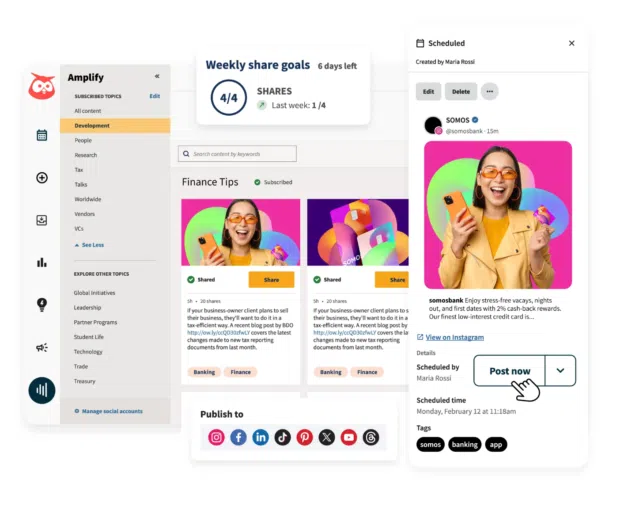
Your employees are your greatest untapped asset. Content shared by employees sees up to 200% higher click-through rates and 700% more engagement than content shared via corporate pages. By using tools like Hootsuite Amplify, organizations can empower their workforce to become brand ambassadors, drastically reducing ad spend while increasing organic reach.

3. Tapping into "Dark Social"
"Dark social" refers to the private, untrackable conversations happening in Slack channels, DMs, and emails. While you cannot track these directly, you can influence them by creating content so compelling that it is worth sharing in private groups. Social listening tools allow you to monitor sentiment and brand mentions, providing a proxy for how your brand is perceived in these private forums.
The Measurement Framework: Proving ROI
For B2B marketers, the biggest challenge is proving the financial impact of social media to stakeholders. Executives are not interested in vanity metrics like "likes"; they care about revenue, customer acquisition cost (CAC), and pipeline velocity.

The Role of Multi-Touch Attribution
Because B2B sales cycles are long and multi-step, relying on "last-click" attribution is a mistake. A prospect might see an ad on LinkedIn, read a whitepaper via an email link, and finally attend a webinar before signing. A multi-touch attribution model allows you to distribute credit across these touchpoints, showing the true contribution of social media to the final sale.
Benchmarking for Growth
Effective reporting requires consistent benchmarking. By tracking engagement rates, lead generation, and conversion rates month-over-month, you can identify long-term trends. If your engagement is flat while your follower count grows, your content strategy needs an immediate pivot.
Implications for the Future of B2B
As we look toward the future, the integration of social media into the broader B2M (Business-to-Many) strategy will become more seamless. The shift toward video-first content, particularly short-form, will continue to dominate. Furthermore, the use of AI-driven social listening will allow marketers to predict industry shifts before they happen, allowing for more proactive, rather than reactive, content creation.
The Executive Summary for CMOs
To succeed, organizations must treat their social media presence as a strategic profit center. This requires:
- Alignment: Ensure social media teams are working directly with Account-Based Marketing (ABM) and Demand Gen teams.
- Investment: Invest in advanced analytics tools that connect social activity to CRM data.
- Culture: Cultivate a culture of employee advocacy, recognizing that in B2B, trust is the remedy to risk.
By moving away from siloed marketing tactics and embracing a data-backed, relationship-first approach, B2B brands can successfully navigate the complexities of the modern sales cycle, turning their social media channels into powerful engines for sustainable growth.
For those looking to streamline these efforts, integrated platforms like Hootsuite provide the necessary infrastructure to manage publishing, advanced analytics, social listening, and employee advocacy in a single, unified dashboard—a prerequisite for any enterprise aiming to scale its B2B impact.
 Reynand Wu
  Muslim
  Nila Kartika Wati