
 By Nila Kartika Wati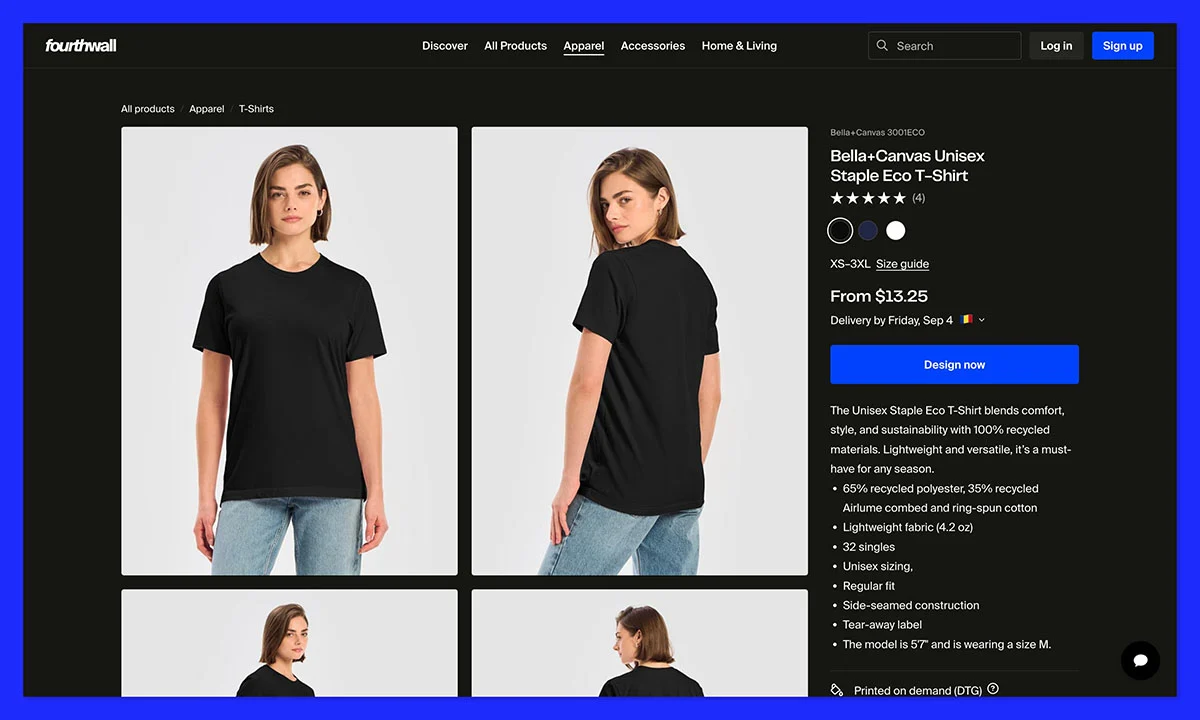
In the modern digital marketplace, sustainability is no longer a niche preference—it is a central pillar of consumer decision-making. As the e-commerce landscape matures, brand identity is increasingly defined by ethical accountability. According to PwC’s 2024 Voice of the Consumer survey, shoppers are demonstrating a clear willingness to pay a premium—nearly 10% more—for products that align with their environmental values.
For entrepreneurs utilizing print-on-demand (POD) models, this shift presents both a significant opportunity and a complex logistical challenge. While the demand for "green" goods is undeniable, the market is often saturated with "greenwashed" claims. To build a brand that resonates with discerning modern consumers, entrepreneurs must transition from superficial marketing to deep-tier supply chain verification.
The Core Mandate: Defining True Sustainability
The term "sustainable" is frequently employed as a marketing buzzword, often lacking the rigorous documentation required to support the label. For a product to be considered genuinely eco-friendly, its lifecycle—from raw material extraction to disposal—must be scrutinized.
Navigating the Certification Landscape
When curating a catalog, look beyond supplier promises. Specific, industry-recognized certifications act as the gold standard for verification:
- GOTS (Global Organic Textile Standard): This is the worldwide leading textile processing standard for organic fibers, encompassing both ecological and social criteria.
- OEKO-TEX Standard 100: A comprehensive testing system that ensures every component of an article is free from harmful substances, safeguarding the end consumer.
- GRS (Global Recycled Standard): This certification tracks the presence and amount of recycled materials in a final product through the entire supply chain.
- FSC (Forest Stewardship Council): Essential for paper and wood-based goods, ensuring materials originate from responsibly managed forests.
The Durability Factor
Sustainability is fundamentally rooted in longevity. A product that requires replacement after three washes—regardless of its organic cotton content—is inherently unsustainable. Before finalizing a product listing, it is imperative to test for colorfastness, seam integrity, and the long-term quality of print applications.
Chronology of the Sustainable E-commerce Shift
The transition toward sustainable POD has occurred in three distinct phases over the last decade:
- The Awareness Phase (2018–2020): Consumers began vocalizing concerns regarding the environmental impact of "fast fashion" and excessive textile waste. POD platforms began introducing organic cotton alternatives.
- The Certification Phase (2021–2023): As greenwashing concerns mounted, leading suppliers like Printful, Gelato, and Fourthwall began integrating GOTS and GRS certifications directly into their product descriptions to build trust.
- The Circularity Phase (2024–Present): We are currently seeing the rise of circular fashion—business models like Teemill’s that offer QR-code-based return systems, where customers can send back worn items for recycling, closing the loop on garment waste.
Supporting Data: Why Eco-Friendly Wins
Data from recent retail analyses consistently suggests that eco-conscious inventories drive higher customer lifetime value (CLV).
- Premium Pricing Power: Research indicates that the average consumer is willing to absorb a 9% to 12% price increase for products verified as eco-friendly.
- Retention Metrics: Customers who purchase sustainable goods report a 15% higher likelihood of repeat purchases, provided the product quality meets the "durability test."
- Market Growth: The global sustainable fashion market is projected to grow at a compound annual growth rate (CAGR) of approximately 8-10% through 2030, far outpacing the growth rate of traditional fast-fashion sectors.
The 20 Best Sustainable Products for Your Catalog
To assist in your curation, we have categorized the most reliable, high-performing sustainable products currently available in the POD ecosystem.
Sustainable T-Shirts: The Foundation
T-shirts remain the bedrock of any POD business due to their low cost-of-entry and universal appeal.
- Stanley/Stella Organic Cotton T-Shirt: A premium choice featuring 100% organic ring-spun cotton. Its unisex sizing and robust profit margins (selling at ~$30 with a ~$15.50 margin) make it a retail favorite.
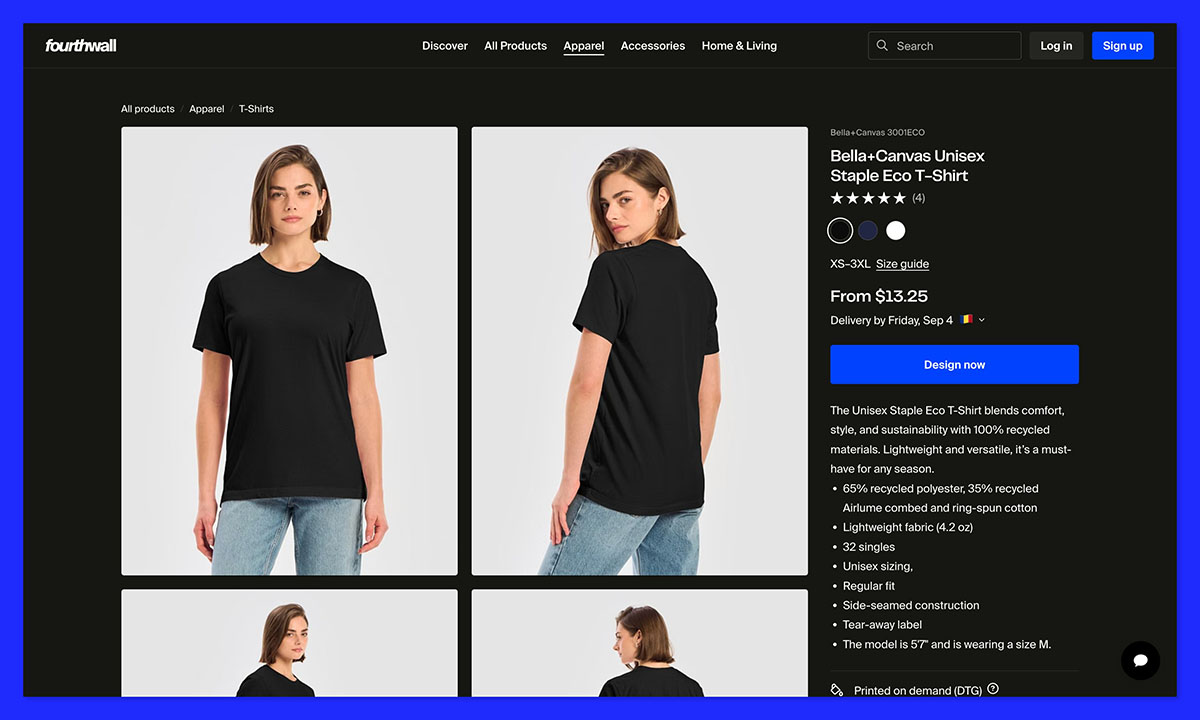
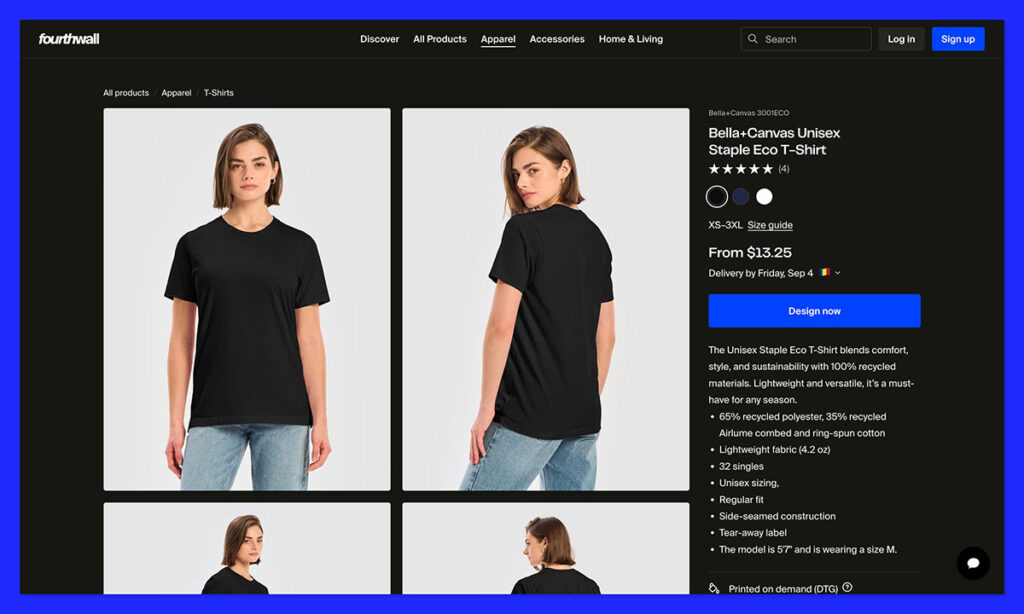
- Bella+Canvas Unisex Staple Eco Shirt: A budget-friendly alternative that blends 65% recycled polyester with 35% recycled Airlume cotton.
- Gelato Organic Crewneck: Leveraging a 90% local-fulfillment model, these shirts provide excellent supply chain transparency and rapid shipping times.
- Teemill Circular Organic Tee: A model built for the future, utilizing vegan inks and a closed-loop recycling program via customer return QR codes.
Hoodies and Sweatshirts: The High-Margin Staples
As your store grows, these items offer higher price points and increased creative space for embroidery.
- Stanley/Stella Essential Eco Hoodie: A balanced blend of 85% organic cotton and 15% recycled polyester. It serves as a perfect canvas for complex embroidery.
- SOL Eco Raglan Hoodie: Offers unique color palettes, though sellers must be diligent—material mixes often vary significantly by shade.
- Gelato Organic Hoodies: Available in both zip-up and pullover styles, utilizing water-based, low-impact inks.
- Organic Stanley/Stella Oversized Sweatshirt: A trendy, streetwear-focused option featuring a brushed interior and GOTS/OEKO-TEX certifications.
- Recycled Polyester Sweatshirt (Gelato): An innovative item utilizing yarn derived from post-consumer PET bottles.
Totes, Hats, and Practical Accessories
Accessories provide low-risk, high-margin additions to your collection.
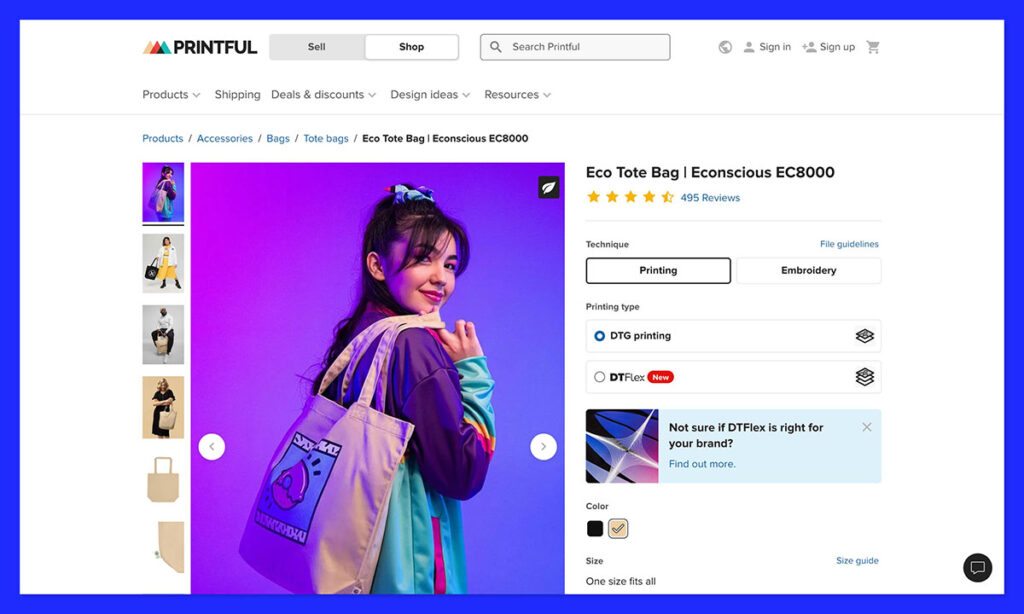
- Econscious Organic Cotton Tote: A heavy-duty, 20×14 inch workhorse capable of holding 30 pounds.
- Printful Eco Tote Bag: A slightly smaller but equally certified organic cotton twill bag.
- Econscious Organic Dad Hat: A versatile accessory that circumvents the complexities of clothing sizes.
- Atlantis B50 Organic Ribbed Beanie: Ideal for seasonal winter drops; highly rated for its durability and snug fit.
- SOL’S 03569 Organic Cotton Apron: A niche product perfect for brands centered on culinary or artistic content.
Lifestyle and Niche Products
For creators looking to diversify beyond traditional apparel:
- Stanley/Stella Kids T-Shirt: Perfect for family-oriented content creators.
- Babybugz Organic Bodysuit: High-gifting potential makes this a staple for parents and relatives.
- Sublicolor All-Over Print Sports Jersey: A high-performance, moisture-wicking item suitable for esports and fitness communities.
- Sublicolor Recycled String Bikini: A seasonal favorite that utilizes up to 88% recycled polyester.
- Biodegradable Phone Case: A low-cost add-on that decomposes in moisture-rich environments after its lifecycle.
- Scented Soy Candle: A 9 oz. candle using US-grown soybeans and a 50-60 hour burn time, allowing for a "wellness" branding angle.
Implications for the Modern Entrepreneur
Transitioning to a sustainable catalog is not merely a moral choice; it is a long-term business strategy.
Operational Risks:
The primary risk for new entrepreneurs is "over-extending." Adding 20 products at once creates inventory management chaos and makes it difficult to track what truly resonates with your audience. Start with a core collection—a high-quality tee, a hoodie, and one accessory—and expand based on verified sales data.
The Sample Imperative:
Before a single item is sold to a customer, you must order samples. Test the durability, the feel of the fabric, and the accuracy of the print. If a product fails to meet your standards, it will fail to meet your customers’ standards, resulting in returns that hurt your bottom line and your brand’s environmental reputation.
Supply Chain Transparency:
When marketing these products, do not just list the features. Educate your customers. Explain what the GOTS certification means, why you chose organic cotton over conventional, and how the "circular" return process works. By positioning yourself as a curator who cares about the details, you build the kind of brand loyalty that is immune to the transient nature of fast-fashion trends.
In conclusion, the path to a successful sustainable POD business is paved with transparency, rigorous testing, and a deep understanding of the certifications that matter. By aligning your business with these principles, you are not just selling goods; you are participating in a fundamental shift toward a more responsible, conscious retail economy.
 Dwi Wanna
  Lina Irawan
  Basiran