
 By Muslim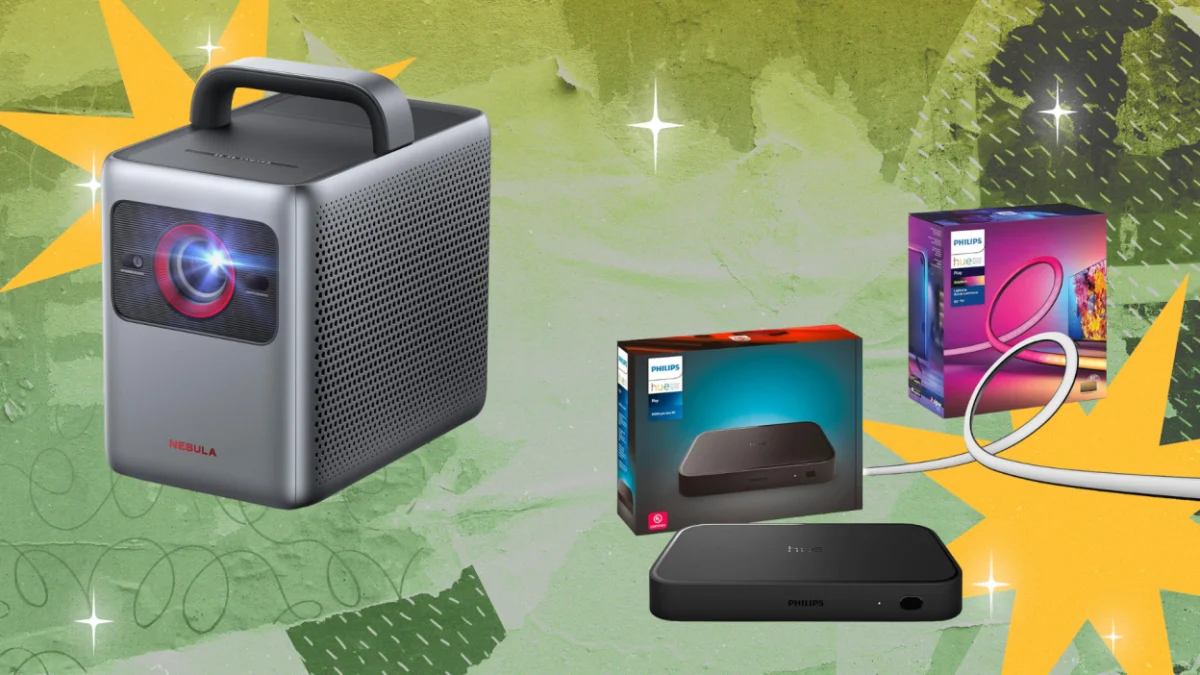
By Stephen Johnson
Senior Staff Writer, Lifehacker
Published: September 18, 2026
When the holiday season rolls around, the hunt for the ultimate home entertainment gift often triggers a predictable race toward excess. Shoppers traditionally default to metrics that belong in a bygone era: buying the biggest screen available, tracking down the loudest speakers, or emptying their bank accounts on the most expensive piece of hardware on the showroom floor.
However, as living spaces evolve, technology fragments, and consumer habits shift dramatically toward personalization, that old-school playbook no longer works. Modern gifting requires a more nuanced approach. Instead of buying hardware simply because it dominates a spec sheet, the key to a successful holiday surprise in 2026 is matching the gadget to the actual personality, living situation, and daily media consumption habits of the recipient.
Whether you are shopping for a college student squeezed into a cramped dorm room, a digital minimalist who abhors the aesthetic of a traditional television, a new parent desperate for a quiet night, or an uncompromising media purist who looks down on compressed streaming video, the right piece of tech can completely transform how they interact with their favorite content.
Below is the definitive, curated breakdown of the best home entertainment gifts for every type of media consumer this season.
Main Facts: Shifting Paradigms in Home Entertainment Gifting
The home entertainment landscape of 2026 is defined by extreme specialization. Gone are the days when a generic 55-inch LED TV and a soundbar satisfied everyone on your shopping list. Today’s market caters to micro-audiences with specific lifestyle constraints and specialized performance demands.

Key takeaways from this year’s top hardware selections include:
- Ambient Enhancement Over Replacement: Instead of buying a new TV, consumers are turning to real-time syncing hardware like the Philips Hue Play HDMI Sync Box 8K to drastically upgrade existing displays.
- The Anti-TV Movement: Portable, high-resolution projection systems like the Anker Nebula Cosmos 4K are empowering minimalists to eliminate bulky black screens from their living spaces entirely.
- Hybrid Productivity and Play: Devices like the ROG Xbox Ally X20 bridge the gap between high-end portable gaming and functional workspace computing for students.
- Wellness Tech Integration: Audio equipment is no longer strictly for consumption; products like the Anker Soundcore Sleep A20 shift the paradigm toward active sleep management and noise-masking.
- Uncompromised Physical Media: High-end hardware like the Magnetar UDP800 proves that physical media purists are willing to invest heavily to bypass the limitations of compressed streaming codecs.
Chronology: The Evolution of Consumer Media Consumption Leading to 2026
To understand why this year’s gift guide looks so radically different from those of five or ten years ago, it helps to examine how consumer habits and hardware capabilities have evolved.
- 2015–2018: The Era of the "Smart TV" Monopoly
During this period, manufacturers focused almost exclusively on making screens larger, thinner, and smarter by packing operating systems directly into the television panel. Streaming services established total market dominance, pushing physical media (DVDs and Blu-rays) into a steep commercial decline. - 2019–2022: The Pandemic Boom and Niche Customization
With global populations spending unprecedented amounts of time indoors, demand for home theater upgrades skyrocketed. At the same time, supply chain pressures forced manufacturers to innovate in smaller form factors, giving rise to advanced short-throw projectors and high-performance handheld gaming devices. - 2023–2025: The Rise of Ambient Computing and Audio Wellness
As smart home ecosystems matured, consumers began demanding hardware that blended seamlessly into their interior designs. Smart lighting synchronization moved from a novelty to a mainstream expectation. Simultaneously, wellness tech exploded, merging consumer audio with sleep science and biometric tracking. - 2026: Hyper-Personalization and Format Polarization
Today, the market is split. The mainstream casual audience relies heavily on ultra-thin OLED panels and portable streaming, while a passionate sub-market of audiophiles and videophiles rejects compression in favor of lossless physical media and bitstream perfection. Meanwhile, minimalists and students demand multi-functional, space-saving technology that adapts to dynamic lifestyles.
Supporting Data & Detailed Product Breakdown
1. Best Overall Home Entertainment Gift of 2026: Philips Hue Play HDMI Sync Box 8K
- The Problem: You cannot reasonably buy someone a brand-new television for the holidays—it’s too expensive, highly subjective in size, and logistically difficult.
- The Solution: The Philips Hue Play HDMI Sync Box 8K. Acting as an intelligent middleman between a television and various HDMI sources (such as game consoles, Apple TVs, or streaming boxes), this device analyzes incoming video signals in real time. It commands compatible smart light strips and bulbs behind the set to dynamically match the color and intensity of the on-screen action.
- Why It Works: It dramatically enhances both gaming immersion and casual viewing. By projecting complementary colors onto the wall behind the television, it creates an optical illusion of a much larger screen while reducing eye strain in dark rooms.
2. Best for the Uncompromising Purist: Magnetar UDP800
- The Problem: True media purists sneer at the heavy video and audio compression inherent to modern streaming platforms like Netflix and Spotify. They demand absolute fidelity.
- The Solution: The Magnetar UDP800. This is a heavyweight, uncompromising universal media player designed for consumers who demand picture and sound at the highest possible bitrate.
- Why It Works: While streaming services squeeze 4K video files, the Magnetar processes 4K UHD video at bitrates reaching up to 100 Mbps. For audio, it humiliates standard streaming codecs by supporting lossless formats such as Dolby TrueHD and DTS-HD Master Audio. It also handles physical media across the board—from 4K UHD Blu-rays and standard DVDs to legacy formats like Kodak Picture CDs. While it carries a steep price tag, it is the ultimate luxury gift for the cinephile who values absolute quality.
3. Best Home Entertainment Gift for the Minimalist: Anker Nebula Cosmos 4K
- The Problem: Many modern interior designers and minimalists object to the traditional living room setup: a massive, semi-matte black rectangle dominating the space like the monolith from 2001: A Space Odyssey.
- The Solution: The Anker Nebula Cosmos 4K projector.
- Why It Works: Compact enough to be tucked away in a closet when not in use, this projector allows minimalists to maintain pristine, screen-free interior aesthetics. When powered on, it projects a remarkably crisp 4K image onto any flat wall. Its portability also makes it exceptionally versatile for impromptu backyard film screenings.
4. Best Home Entertainment Gift for the Student Gamer: ROG Xbox Ally X20
- The Problem: College students live in severely constrained spaces—typically dorm rooms with cramped desks and shared, sub-par television sets—while needing hardware that handles both coursework and high-performance gaming.
- The Solution: The ROG Xbox Ally X20.
- Why It Works: This versatile, highly capable handheld system functions seamlessly as a portable gaming rig for killing time between classes, supporting both PC and Xbox libraries. Back in the dorm, it can connect directly to a monitor or TV for late-night gaming sessions. Crucially, because it runs a full version of Windows 11, it doubles as a fully functional workstation for writing papers and tackling academic assignments.
5. Best Home Entertainment Gift for New Parents: Anker Soundcore Sleep A20 Earbuds
- The Problem: New parents face a unique auditory challenge: chronic sleep deprivation driven by the erratic noises and waking schedules of infants, coupled with the difficulty of finding comfortable earbuds designed for sleep.
- The Solution: The Anker Soundcore Sleep A20 Earbuds.
- Why It Works: Counterintuitive as it may seem to gift audio equipment meant for not listening to active media, these specialized earbuds feature advanced noise-masking technology designed to block disruptive household sounds and induce deep sleep. Engineered specifically with side-sleepers’ ergonomics in mind, they also track sleep analytics. During waking hours, they double as normal Bluetooth earbuds for music and podcasts.
6. Best Home Entertainment Gift for Empty Nesters: Samsung S95H OLED TV
- The Problem: Empty nesters transitioning into a quieter phase of life deserve a dramatic home upgrade that transforms their newly liberated space into a private screening room.
- The Solution: The Samsung S95H OLED TV.
- Why It Works: Available in massive, immersive configurations like the ultra-thin 77-inch model, the S95H represents the pinnacle of contemporary television design. Featuring a tasteful metallic frame and a matte display surface that banishes glare, its panel delivers some of the deepest blacks, most vibrant colors, and highest peak brightnesses available on the market. It is an indulgent, standalone centerpiece for a newly quiet home.
Official Responses and Industry Context
Consumer electronics manufacturers have increasingly shifted their research and development budgets toward lifestyle-integrated technologies rather than incremental panel updates. Industry analysts note that while traditional television sales have plateaued due market saturation, ancillary upgrade hardware—such as smart lighting synchronization boxes, short-throw laser projectors, and specialized wellness audio—is experiencing rapid year-over-year growth.
Makers of high-end physical media hardware, such as Magnetar, report steady, dedicated demand among audiophiles and collectors who remain skeptical of cloud-based digital libraries subject to licensing removals and compression artifacts. Meanwhile, portable gaming hardware developers like ASUS (ROG) continue to blur the lines between console, PC, and mobile computing, responding directly to consumer demand for hardware flexibility.
Implications: What This Means for the Future of Gifting
The evolution of home entertainment tech toward radical specialization carries clear implications for consumers, retailers, and gift-givers alike.
- The Death of the "One-Size-Fits-All" Gadget: As homes become multifunctional spaces—serving as offices, nurseries, dorms, and media rooms simultaneously—tech manufacturers can no longer rely on monolithic, catch-all products. Gifting requires empathy and observation; you must understand how a recipient lives before choosing their hardware.
- The Re-Valuation of Physical Media and Local Control: The enduring popularity of devices like the Magnetar UDP800 signals a broader consumer pushback against purely digital, cloud-dependent ecosystems. Users increasingly value owning their media locally, uncompressed, and free from internet dependency.
- The Integration of Tech and Wellness: The success of products like the Soundcore Sleep A20 proves that consumer technology is increasingly stepping into the realm of personal wellness. Entertainment gear is no longer just about stimulation; it is frequently being engineered to help users wind down, disconnect, and recover.
By aligning your holiday shopping strategy with these modern realities, you ensure that the technology you gift doesn’t just sit on a shelf, but actively improves the daily life, comfort, and entertainment experience of the person receiving it.
 Layla Zulfa
  Nana
Nana 