
 By Laily UPN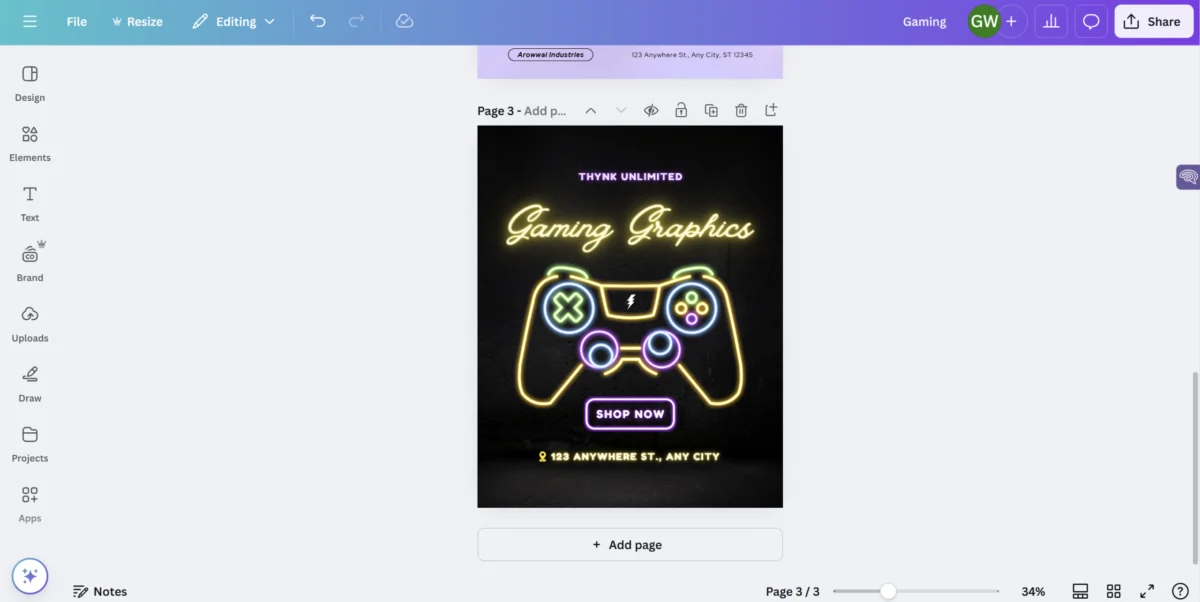
In the hyper-competitive digital landscape of 2025, the adage "a picture is worth a thousand words" has never been more literal. For modern businesses, visual identity is no longer an optional luxury—it is the frontline of consumer engagement. However, the traditional barrier to entry for high-end graphic design—steep learning curves and expensive software—has historically left small-to-medium enterprises at a disadvantage.
Enter Canva. Over the past decade, this Australian-born design juggernaut has democratized visual communication, transforming how businesses approach marketing collateral, brand consistency, and digital presence. In this deep dive, we explore how Canva has evolved from a simple hobbyist tool into an enterprise-grade powerhouse that every business leader should master.
The Core Concept: What is Canva?
At its most fundamental level, Canva is a web-based design and publishing platform that simplifies the creation of visual content through an intuitive drag-and-drop interface. Unlike professional-grade software such as Adobe Photoshop or Illustrator, which require extensive training to master, Canva is built on the philosophy of "design accessibility."
By providing thousands of pre-designed templates, millions of stock assets, and a streamlined workflow, Canva allows users—regardless of their artistic background—to produce professional-quality graphics. Whether you are creating a quick Instagram story, a complex infographic for a white paper, or a comprehensive brand identity kit, Canva serves as the bridge between raw ideas and polished execution.
The Evolution of the Platform
Canva was founded in 2013 by Melanie Perkins, Cliff Obrecht, and Cameron Adams. Their mission was simple yet ambitious: to empower the world to design. Since then, the platform has grown from a niche tool for social media managers into an all-in-one "Visual Suite."
As of 2025, the platform has integrated advanced AI features (known as "Magic Studio"), which allow users to generate images, expand backgrounds, and rewrite text snippets instantly. This evolution marks a shift from a passive template library to an active, intelligent creative partner for business owners.
Chronology: From Graphic Design Disruptor to Industry Standard
The rise of Canva represents a broader shift in SaaS (Software as a Service) business models.
- 2013: Canva launches with a focus on simplifying basic design tasks for non-designers.
- 2015: Introduction of "Canva for Work," signaling the platform’s pivot toward business-to-business (B2B) utility.
- 2018–2020: Rapid scaling occurs as remote work demands surge. The introduction of video editing and social media scheduling features makes Canva a "one-stop shop" for digital marketers.
- 2022–2023: The acquisition of Affinity (the primary competitor to Adobe’s creative suite) signals Canva’s intent to cater to professional designers while maintaining its user-friendly roots.
- 2025: Canva consolidates its position as the global standard for business visual communication, emphasizing AI-driven efficiency and enterprise-level collaboration tools.
Supporting Data: The Efficiency Gap
Why do businesses continue to flock to Canva? The data suggests it is primarily a matter of time-to-market and cost-efficiency.
Industry studies indicate that the average graphic design turnaround for a small business using traditional software can take anywhere from four to eight hours for a single social media campaign, including software setup and file conversion. With Canva, that same campaign can be executed in under 45 minutes.
Key Metrics for the Modern Business:
- Productivity: Users report a 70% reduction in time spent on routine design tasks compared to legacy software.
- Cost: The "Freemium" model allows startups to scale their branding efforts without upfront capital investment.
- Engagement: Visual-first content, which Canva excels at producing, yields 2.3x more engagement on LinkedIn and Instagram compared to text-only posts.
Official Responses and Industry Impact
Industry experts often contrast Canva with Adobe. While Adobe remains the gold standard for creative professionals tasked with high-fidelity, original art, Canva has carved out a massive territory in "speed-to-market" design.
In official statements, Canva’s leadership has consistently framed their platform not as a "replacement" for creative agencies, but as a "force multiplier." By automating the repetitive tasks of resizing, formatting, and layout design, Canva allows creative directors to focus on strategy rather than the pixel-pushing details of a Facebook ad.
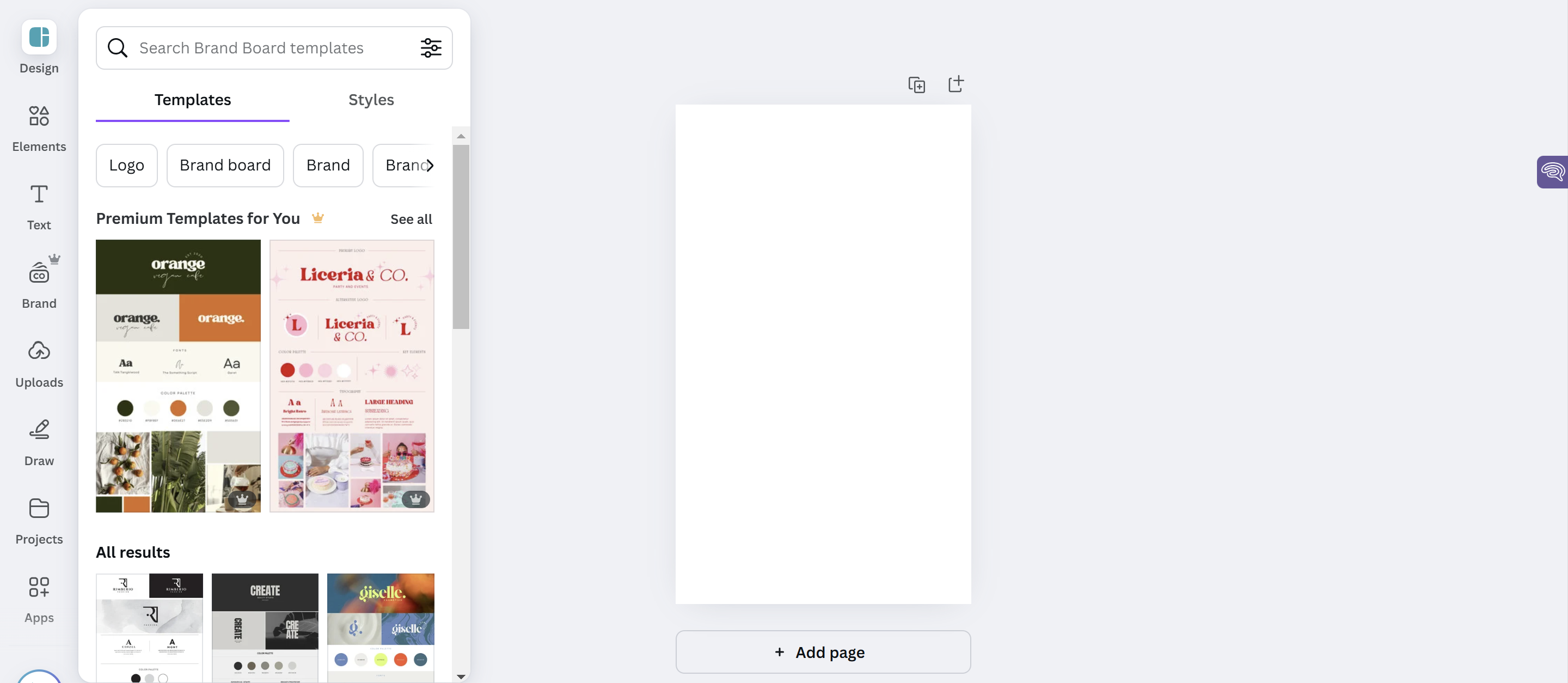
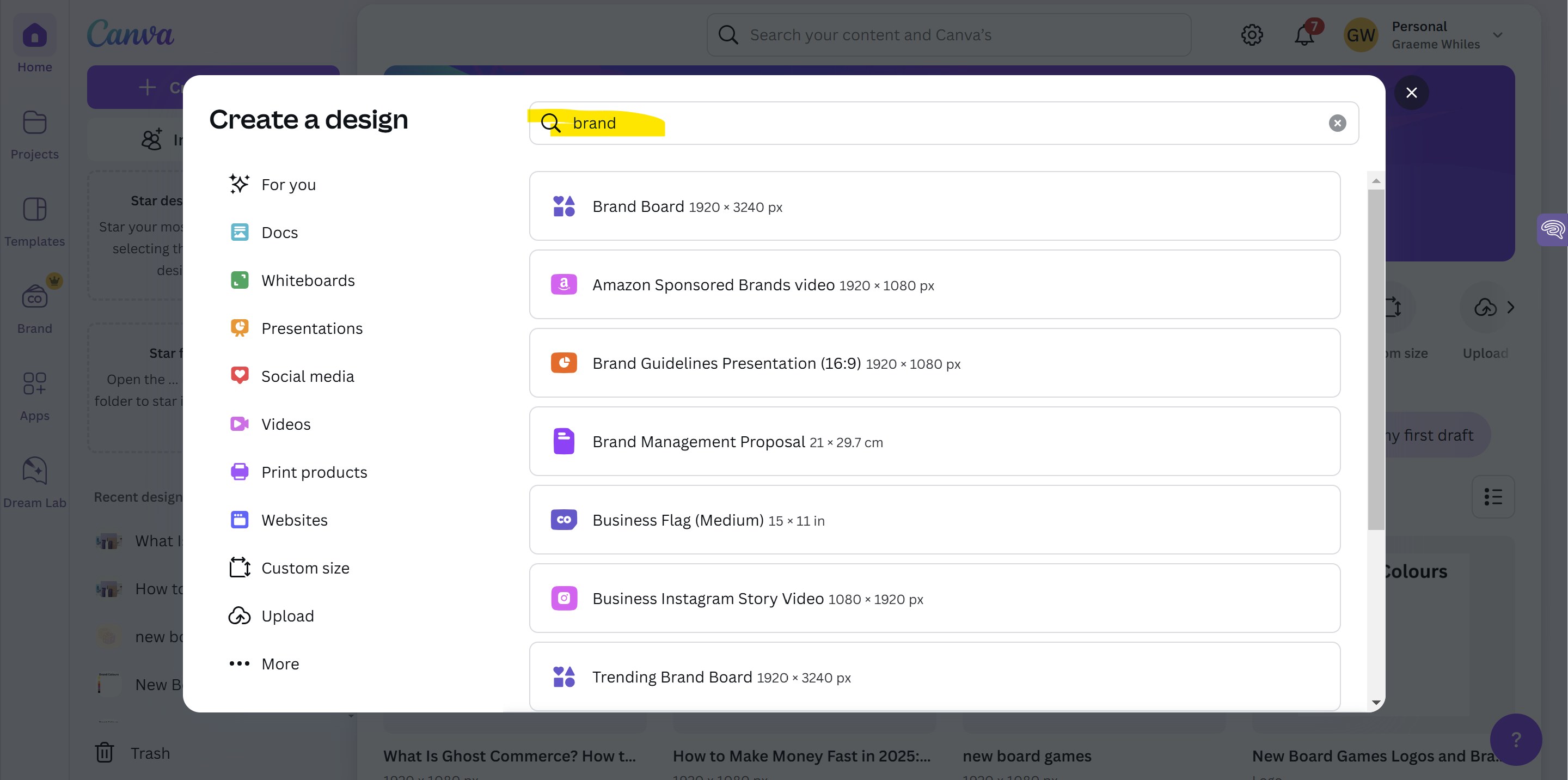
Furthermore, the introduction of Canva Teams and Canva Enterprise has addressed the long-standing corporate concern of brand consistency. Through "Brand Kits," companies can now lock in specific fonts, color palettes, and logos, ensuring that every employee—from HR to Sales—produces content that aligns with the corporate identity.
Strategic Implementation: How to Use Canva for Business in 2025
To truly benefit from the platform, businesses should move beyond simple "flyer design." Here are the six pillars of Canva usage:
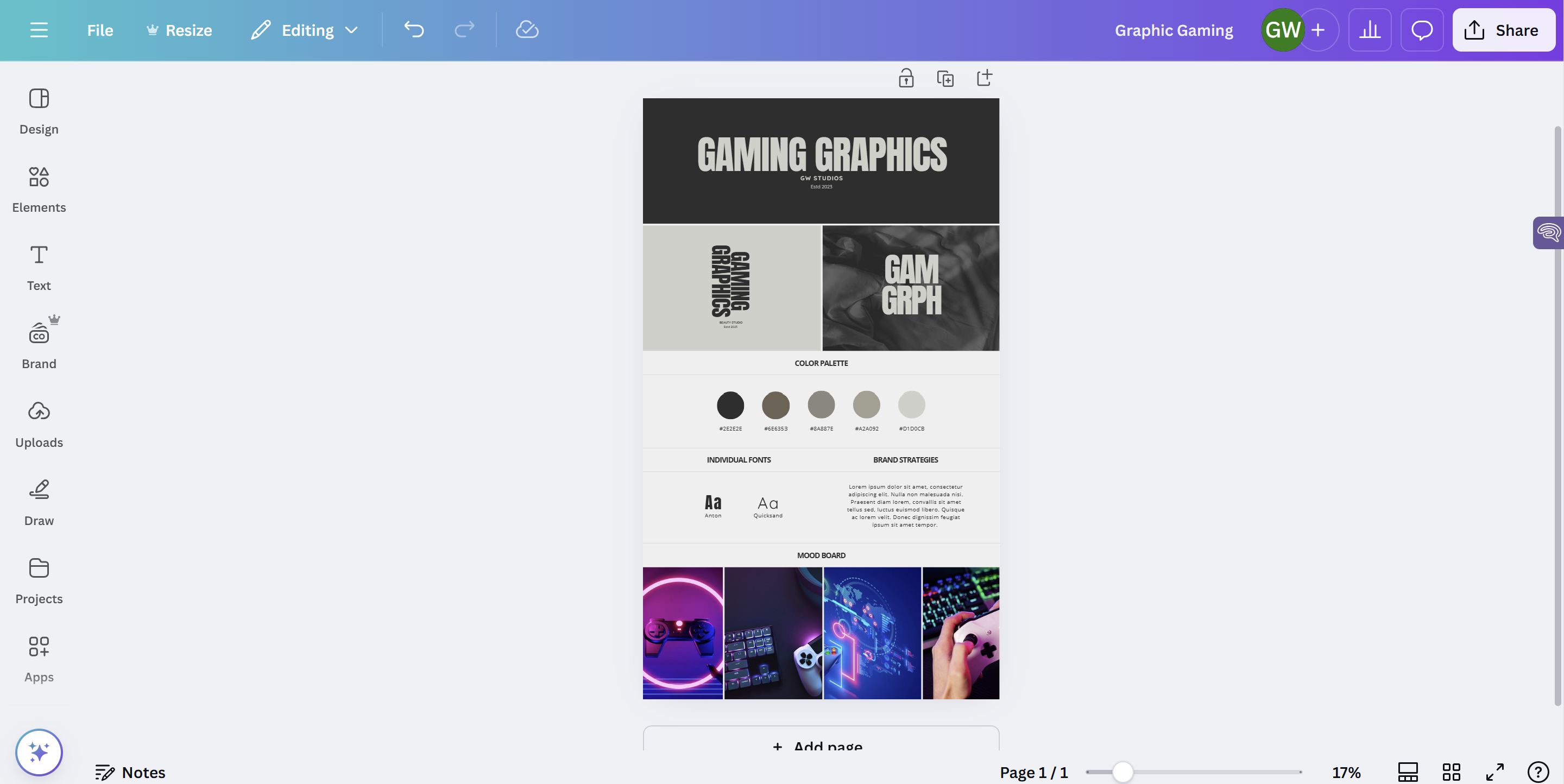
1. Unified Brand Assets
Consistency breeds trust. By using the "Brand Board" feature, you can centralize your identity. When your team creates content, they should be pulling from a shared library of approved colors and typography. This prevents the "dilution" of your brand image across different platforms.
2. Social Media Content Engines
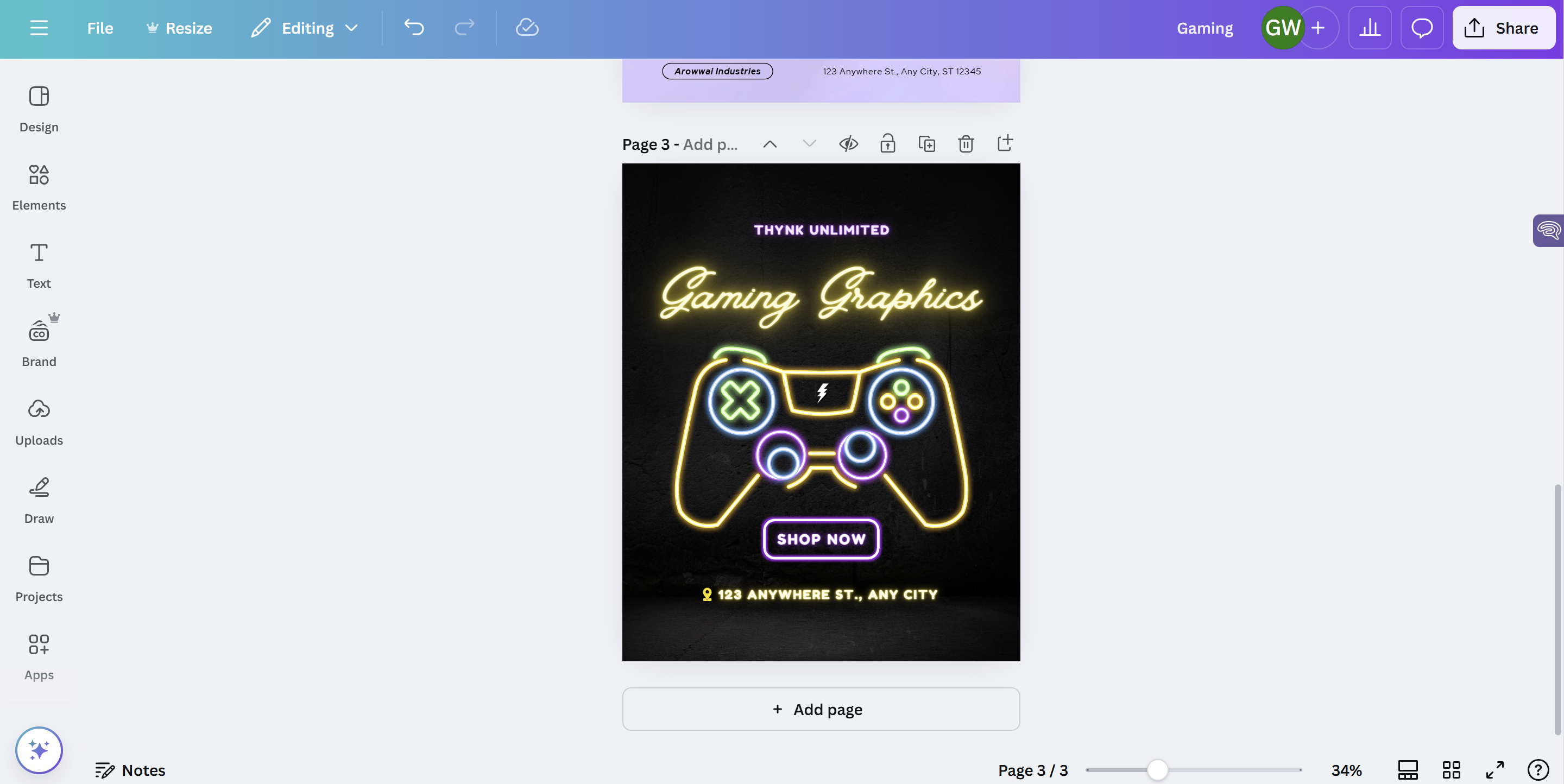
Canva’s social media suite allows for bulk-content creation. By using "Magic Switch," you can take one design—say, a blog banner—and instantly resize it for a LinkedIn post, an Instagram story, and a TikTok thumbnail. This capability is essential for omnichannel marketing.
3. High-Value Blog and Web Visuals
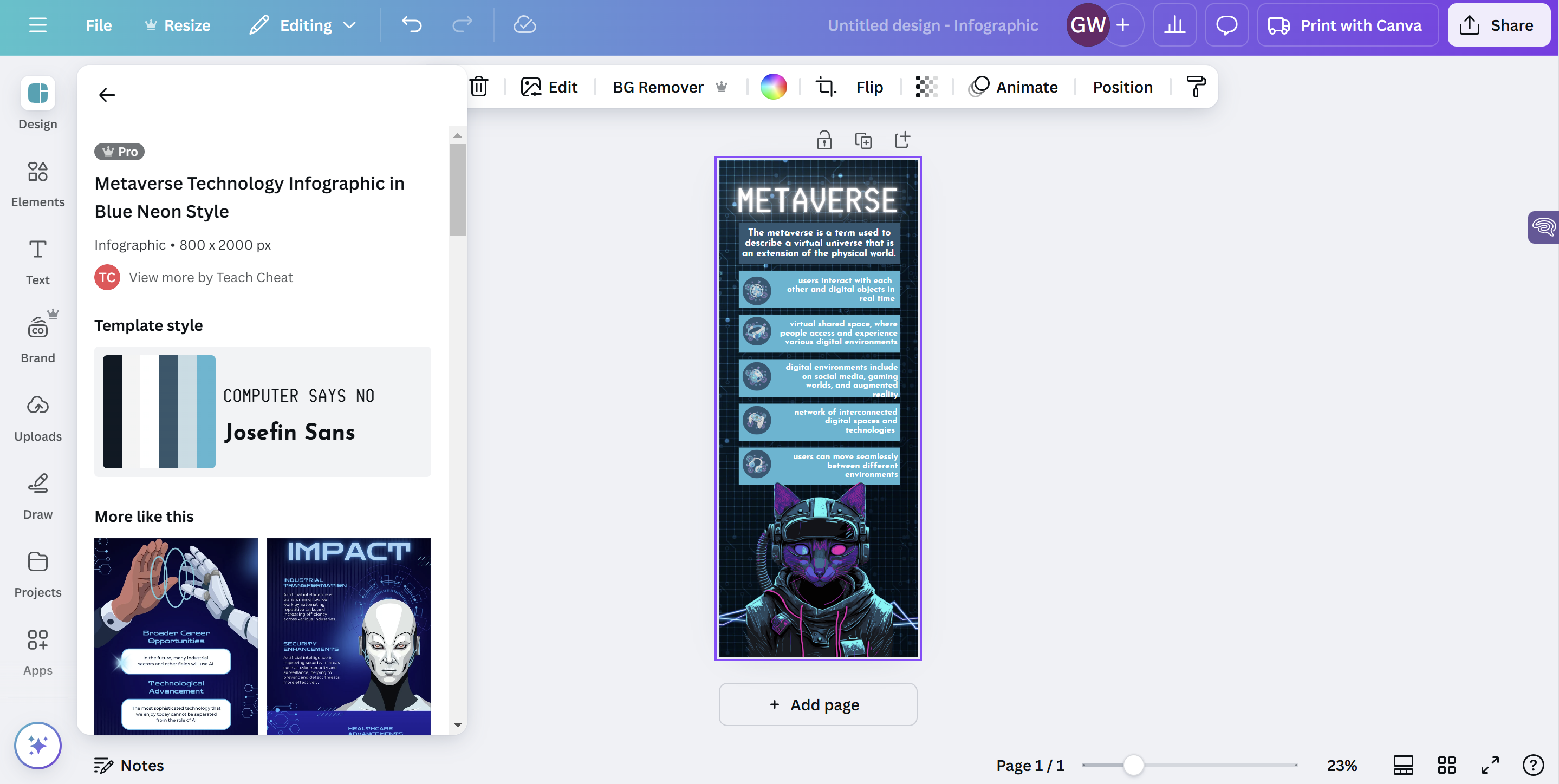
Google’s search algorithms increasingly favor pages with original, high-quality imagery. Creating custom infographics, charts, and headers in Canva helps lower bounce rates. When users see bespoke visuals that explain complex concepts, they stay on the page longer, signaling value to search engines.
4. Lead Magnets and Collateral
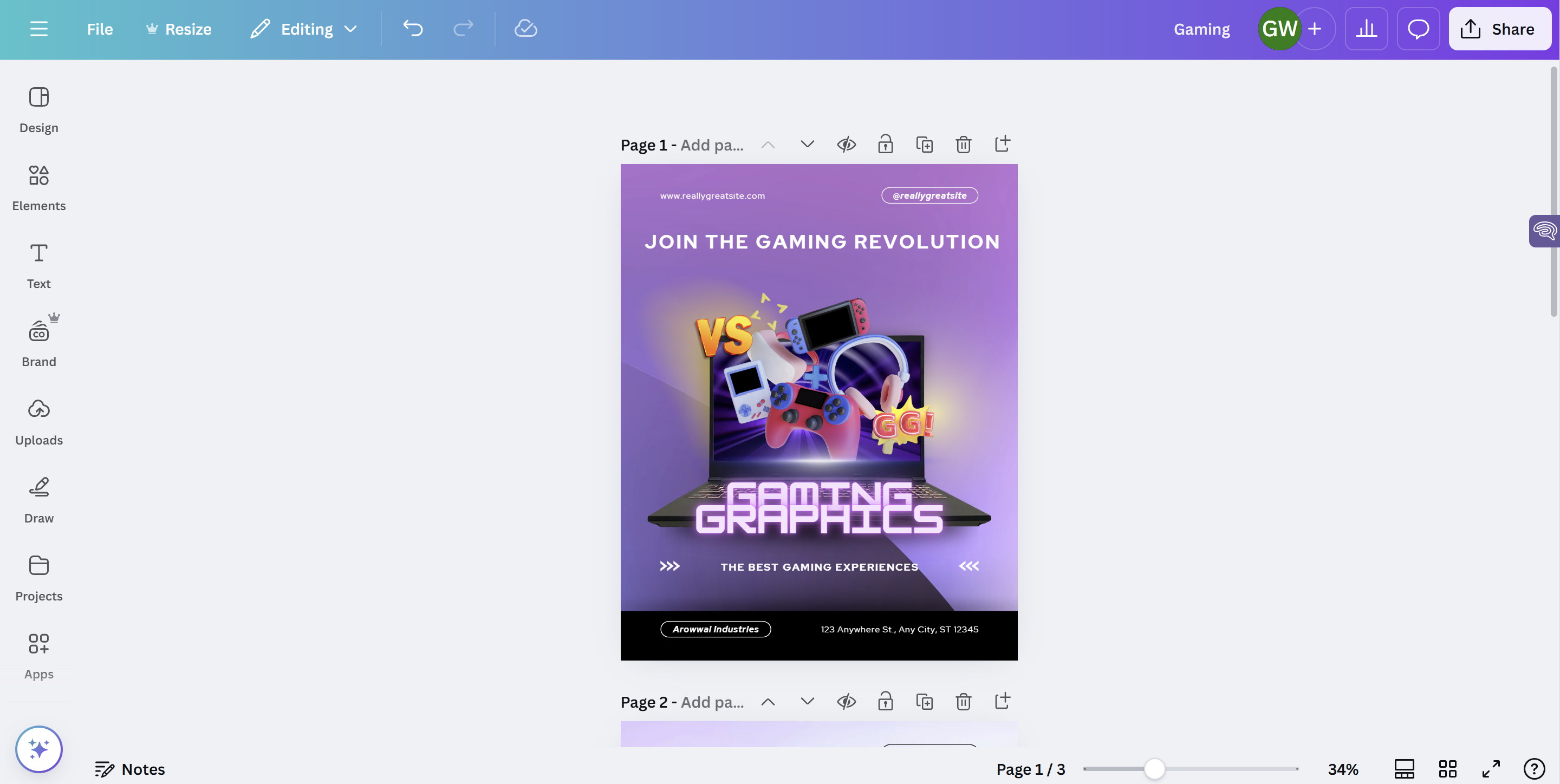
The "Free eBook" or "White Paper" remains the king of B2B lead generation. Canva’s document-editing capabilities make it easy to design professional-grade PDFs that look like they were produced by a top-tier design agency.
5. Internal Communications
Don’t neglect internal branding. Use Canva to create onboarding decks, meeting agendas, and internal newsletters. When your internal documents look professional, it fosters a culture of excellence and pride within the team.
6. AI-Powered Scaling
In 2025, leverage the AI tools within the platform. If you have a low-resolution image, use the "Enhancer." If you need a quick background removed for a product shot, use the "Background Remover." These small, AI-automated actions save hundreds of hours of manual work over a fiscal year.
Implications: The Future of Business Design
The rise of Canva represents a broader "democratization of skill." We are entering an era where the ability to communicate visually is considered a baseline requirement, much like basic literacy or word processing.
For business owners, the implication is clear: the excuse of "not having the budget for a design team" is no longer valid. The tools are available, the barrier to entry is minimal, and the competitive cost of ignoring your visual presence is simply too high.
Conclusion: Taking the Next Step
Canva is more than a design tool; it is a business growth engine. However, mastery of a tool is only half the battle. To truly scale, you must pair your visual assets with a robust strategy for marketing, branding, and operations.
If you are ready to elevate your business in 2025, you need more than just a graphic design software—you need a roadmap. For those looking to master the intersection of design, marketing, and business growth, resources like Foundr+ provide the expert-led guidance necessary to transform your brand from a startup into an industry leader.
By combining the speed of Canva with the strategic insights of seasoned entrepreneurs, you can ensure that your business doesn’t just look the part—it acts the part, outperforming competitors and capturing the attention your brand deserves.
Ready to unlock your entrepreneurial potential? The next stage of your business growth is just one click away.
 Dwi Wanna
  rifanmuazin
  Asep Darmawan