
 By Asro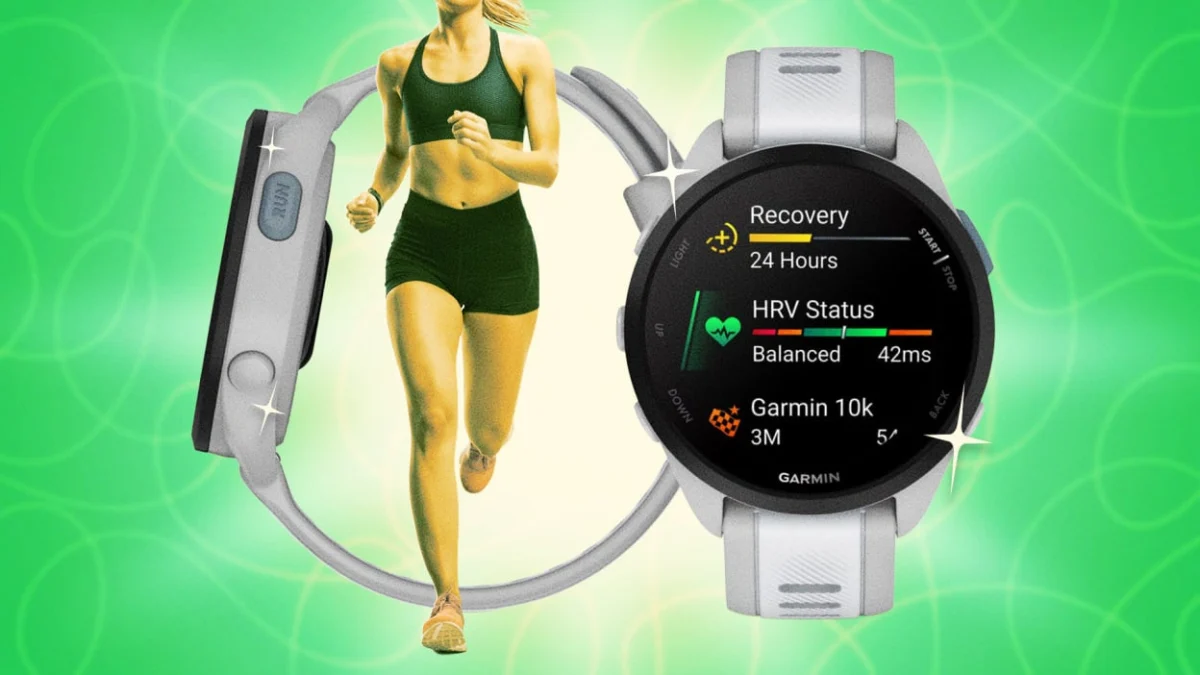
By Meredith Dietz, Senior Staff Writer
July 14, 2026
The Garmin Forerunner 165 has firmly established itself as the "Goldilocks" device in the Garmin ecosystem. Positioned as an accessible, high-performance running watch for athletes who demand precise metrics without the overwhelming complexity—or the premium price tag—of top-tier models like the 965 or the Fenix series, the 165 is a masterpiece of efficiency. While its newer sibling, the Forerunner 170, has recently entered the market, the 165 remains a powerhouse for those who value fundamentals: bright AMOLED visuals, reliable GPS, and comprehensive physiological tracking.
However, owning a piece of technology is rarely the same as mastering it. Many users navigate their fitness journey utilizing only a fraction of the watch’s true capability. To help you squeeze every ounce of performance out of your device, we have compiled the ultimate guide to optimizing your Forerunner 165.
1. The Main Facts: Why the 165 Still Matters
At its core, the Forerunner 165 is designed for the focused runner. It strips away the clutter of heavy-duty mapping and solar-charging hardware to provide a lightweight, vibrant, and lightning-fast experience.
Key Technical Specifications:
- Display: 1.2-inch AMOLED touchscreen with a crisp 390 x 390 resolution.
- Battery Life: Up to 11 days in smartwatch mode and up to 19 hours in GPS mode.
- Core Metrics: VO2 Max, training status, heart rate variability (HRV), and advanced sleep/stress tracking.
- Connectivity: Seamless integration with Garmin Connect and automatic sync to third-party platforms like Strava.
Despite being a "mid-range" offering, the 165 supports structured workouts and race-day adaptive coaching, making it a professional-grade tool for amateur and competitive runners alike.
2. Chronology of the Forerunner Line
To understand the 165’s place in the market, one must look at the evolution of the Forerunner series. For years, the "200" series (the 245, 255, and 265) served as the benchmark for mid-range performance.
- Pre-2024: The market was dominated by the Forerunner 255/265, which introduced premium multisport features to the mid-tier.
- Early 2024: Garmin launched the Forerunner 165, effectively bridging the gap between the entry-level Forerunner 55 and the higher-tier 265. It brought AMOLED technology to a more accessible price point.
- Mid-2026: The release of the Forerunner 170 continues the iterative process. While the 170 offers minor hardware improvements, the 165 remains the most cost-effective entry point into Garmin’s high-fidelity training ecosystem.
3. Mastering the Hidden Features: Optimization Strategies
The "Flashlight" Workaround
While the 165 lacks the dedicated LED hardware flashlight found on high-end adventure watches, it hides a powerful software-based alternative.
How to set it up:
- Hold the UP button to access your Controls menu.
- Navigate to Add New and select Flashlight.
- Once added, use the DOWN button to toggle between standard white light and the "Red Light" mode.
- Pro Tip: Use the Red Light mode at night. It is significantly less harsh on your eyes and prevents you from losing your night vision, which is essential for early morning or late-night trail runs.
Breadcrumb Navigation: The Hidden Map
Many users erroneously believe that because the 165 lacks "Map" functionality, it cannot assist with navigation. This is incorrect. The 165 is fully capable of "Breadcrumb Navigation."
When you load a course from Garmin Connect to your watch, it provides a line-based path. While it does not render street names or building silhouettes, it provides a perfect visual reference of the route’s shape. This allows you to follow complex turns on a trail or city run without needing to carry a phone or an expensive navigation-heavy device.
Custom Activity Profiles
A common mistake among new users is attempting to use a single "Run" profile for every type of workout. This leads to cluttered data screens.

Instead, duplicate your "Run" profile. Create distinct profiles for:
- Easy Runs: Focus on heart rate and time-of-day.
- Track Workouts: Focus on current lap pace, lap distance, and cadence.
- Long Runs: Focus on total distance, average pace, and heart rate zones.
By tailoring the screens to the specific goal, you reduce the time spent fiddling with buttons during intense efforts.
4. Supporting Data: The Importance of Syncing Discipline
A frequently overlooked aspect of fitness tracking is the "data handoff" between devices. As users, we are often eager to see our results the moment we stop moving, but haste can compromise data integrity.
The "Pause" Protocol:
When you finish a run, resist the urge to immediately hit "Save" and sync. Allow your Forerunner 165 two to three minutes to "breathe." During this time, the internal processor completes GPS smoothing and segment matching. If you push the data to Strava prematurely, you risk jagged pace spikes and "broken" GPS lines that the software may struggle to rectify later. By waiting, you ensure that the data synced to your third-party apps is as polished and accurate as the metrics on your wrist.
5. Official Perspectives and Ecosystem Integration
Garmin’s philosophy—as evidenced by their consistent updates to the Connect ecosystem—is that hardware is only as good as the software supporting it. The 165 benefits from the same backend processing that powers their $800+ watches.
According to technical support documentation, the 165 is designed to prioritize battery efficiency. This is why the watch lacks some of the "Always-On" animation features of the 965. Users are encouraged to customize their "Controls" menu to place their most-used features (like music controls or Do Not Disturb) at the top of the list, minimizing the need to scroll through the menu, which in turn saves battery life and reduces user frustration during a run.
6. Implications for the Future of Training
The Forerunner 165 represents a shift in how athletes view "value." We are moving away from the era where "more features" equals "better athlete." The 165’s success proves that runners prioritize:
- Reliability: The watch should work every time you step out the door.
- Clarity: The AMOLED display ensures that data is readable at a glance, even in harsh sunlight or low-light conditions.
- Simplicity: By removing the "noise" of unnecessary navigation tools, the 165 allows the runner to focus entirely on their pace, heart rate, and cadence.
As we look toward the future, it is clear that devices like the 165 are setting the standard for what a fitness watch should be. It is not merely a tracking device; it is a coach, a navigator, and a training partner.
Final Thoughts for the User
Whether you are training for your first 5K or looking to shave seconds off your marathon personal best, the Forerunner 165 is a capable companion. By utilizing custom activity profiles, mastering the hidden breadcrumb navigation, and practicing patience during your post-run syncs, you can elevate your training experience.
The hardware is only the beginning. It is how you configure, maintain, and interact with the device that transforms it from a simple watch into a high-performance training instrument.
For more tips, tricks, and deep dives into the latest fitness tech, keep checking back with our recurring coverage of the Garmin ecosystem. We are here to help you train smarter, not just harder.
Disclaimer: This article contains affiliate links. Lifehacker may earn a commission if you make a purchase through these links. Our recommendations are based on rigorous testing and editorial independence.
 Layla Zulfa
  Reynand Wu