
 By Nila Kartika Wati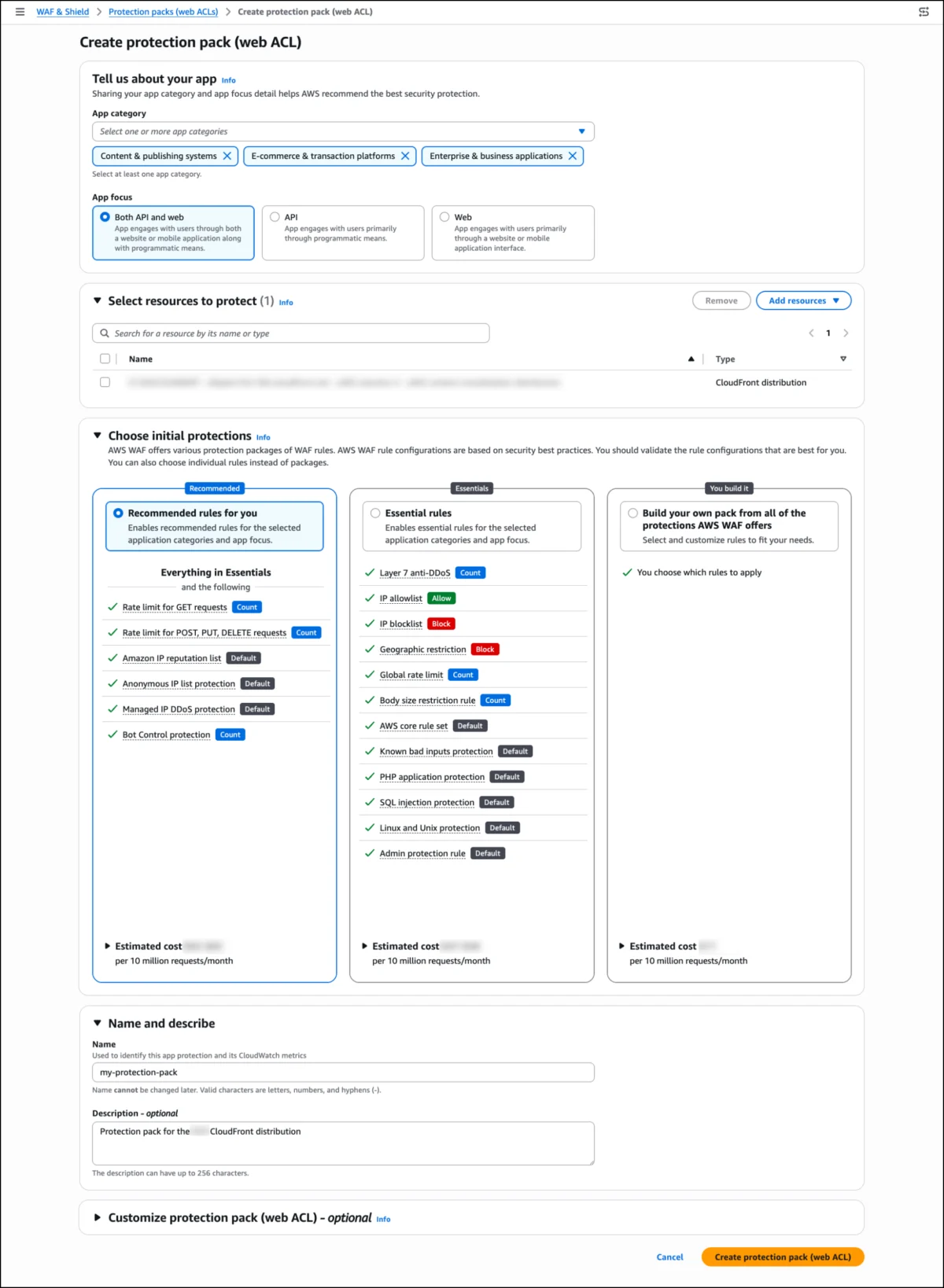
In a move that promises to redefine the economic relationship between digital publishers and the rapidly expanding ecosystem of Artificial Intelligence, Amazon Web Services (AWS) has unveiled a groundbreaking capability for AWS WAF: AI traffic monetization. This new feature allows content owners to directly charge AI bots and automated agents for accessing protected web content, effectively turning the tide on the "scraping" epidemic that has burdened publishers with high infrastructure costs and dwindling referral traffic.
For years, the rise of Large Language Models (LLMs) has been a double-edged sword for the internet. While AI has revolutionized information retrieval, it has created a massive imbalance in value exchange. As AI crawlers consume vast swaths of data to train models and generate summaries, they often bypass the traditional "click-through" model, leaving content creators with the bill for bandwidth and server load, but without the corresponding ad impressions or subscription sign-ups. With AWS’s latest integration, that paradigm is shifting toward a direct, machine-to-machine payment model.
The Problem: The Asymmetry of AI Crawling
To understand the significance of this launch, one must first recognize the sheer scale of the disruption. Recent industry data indicates that AI bot traffic now accounts for more than 50% of total web traffic for many major content providers. Even more staggering, AI-specific crawlers have seen a year-over-year growth rate exceeding 300%.
Unlike legacy search engine crawlers—which functioned as a symbiotic engine, indexing content to drive users back to the source—modern AI bots often act as "consumption-only" entities. They ingest content to fuel generative interfaces, answering user queries directly on their own platforms. This creates a significant "value gap": the publisher bears the financial and operational burden of serving the content, while the AI platform harvests the data to provide value to the end user, often resulting in near-zero traffic returning to the original site.
Previously, publishers had limited recourse. AWS WAF Bot Control allowed for the blocking or rate-limiting of these bots, but these were blunt instruments. For many, blocking meant losing potential visibility, even if the monetization wasn’t there. AWS’s new monetization capability closes this loop by providing a frictionless, standardized way to charge for access.
Chronology and Technical Evolution
The development of this tool is the culmination of years of iterative work on AWS’s WAF Bot Control.
- Early Phase: AWS WAF introduced sophisticated bot classification, allowing users to distinguish between "good" bots (like Googlebot) and "bad" or nuisance bots.
- The Scaling Issue: As AI-specific bots (such as GPTBot, Claude-Web, and Perplexity-Bot) proliferated, the need for more granular control became evident.
- The x402 Protocol Integration: The pivot point occurred with the adoption of the x402 Facilitator, a mechanism designed for machine-to-machine payments. This allowed AWS to move beyond traditional, manual billing—which was prone to negotiation bottlenecks—into an automated, programmatic settlement layer.
- The Launch: As of June 2026, AWS has integrated these monetization capabilities directly into the WAF console, allowing for the deployment of "Protection Packs" that act as the primary engine for content governance.
Mechanics of Monetization: How it Works
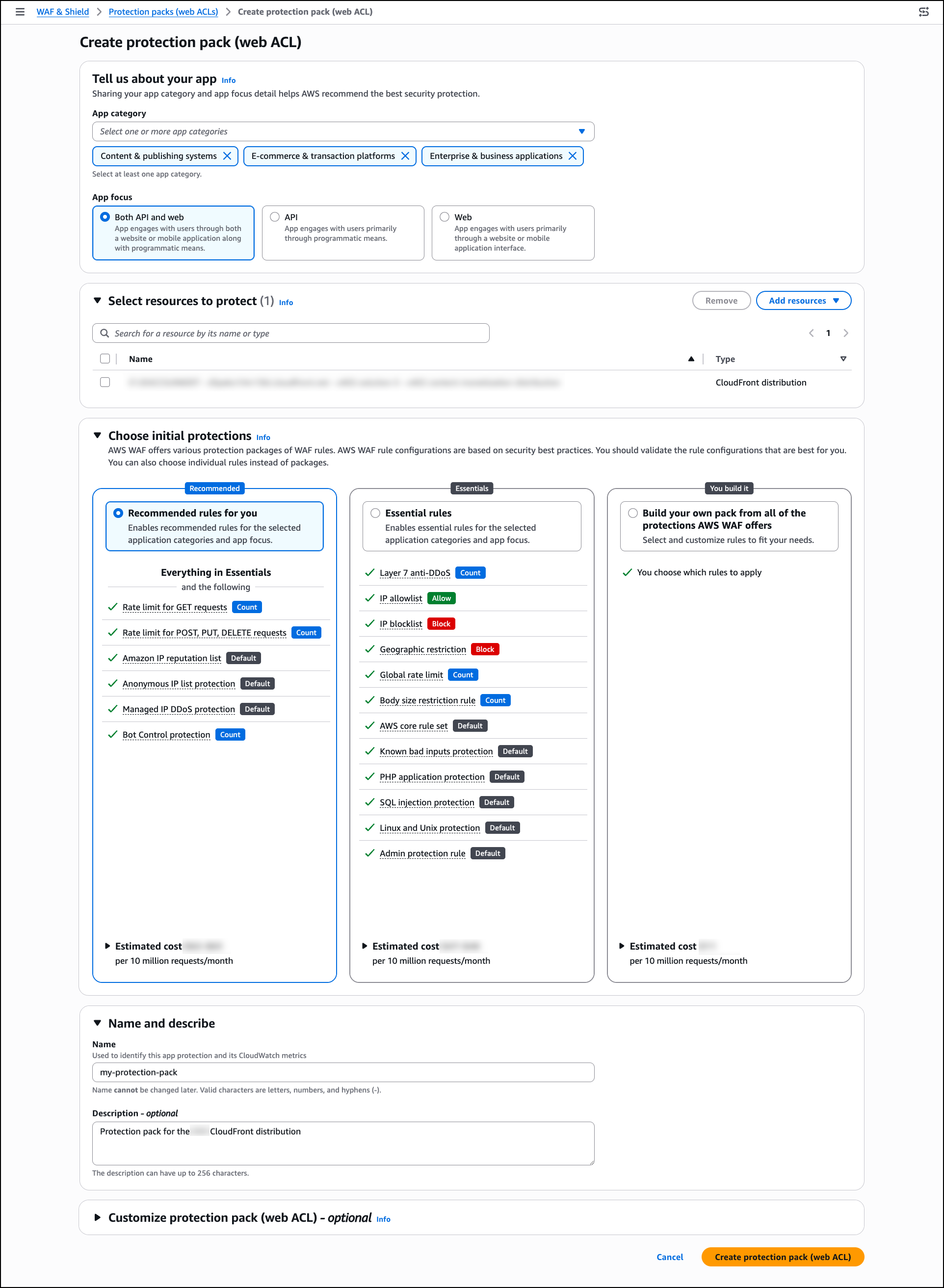
The system is built on the concept of the "Protection Pack," a configuration unit that allows publishers to define the rules of engagement for their content.
Defining Access Policies
The process begins within the AWS Management Console, where administrators associate their CloudFront distributions with a Protection Pack. Publishers can categorize their content into specific paths—for instance, distinguishing between a free-to-view marketing page and a premium, high-value data repository.

For each agent verification tier identified by AWS’s classification engine (which tracks over 650 distinct AI types), the publisher can assign a specific action:
- Monetize: The system returns an HTTP 402 "Payment Required" response.
- Allow: Free access for verified entities.
- Block: A hard stop for unwanted scrapers.
- Challenge/CAPTCHA: A way to force human-like verification for suspicious traffic.
The Payment Flow
The payment infrastructure is perhaps the most innovative aspect of the release. When a "Monetize" rule is triggered, AWS WAF sends an HTTP 402 response containing a machine-readable JSON price manifest. This manifest communicates the price in USDC (a stablecoin), the supported blockchain networks (such as Base or Solana), and the destination wallet address.
This allows for autonomous, near-instantaneous settlement. An AI agent, programmed to adhere to the x402 protocol, can read the manifest, submit a signed payment authorization, and proceed to consume the content—all in milliseconds. AWS manages the verification, while the actual payment settlement happens on-chain, effectively removing the middleman and the administrative overhead of individual licensing agreements.
Supporting Data and Analytics
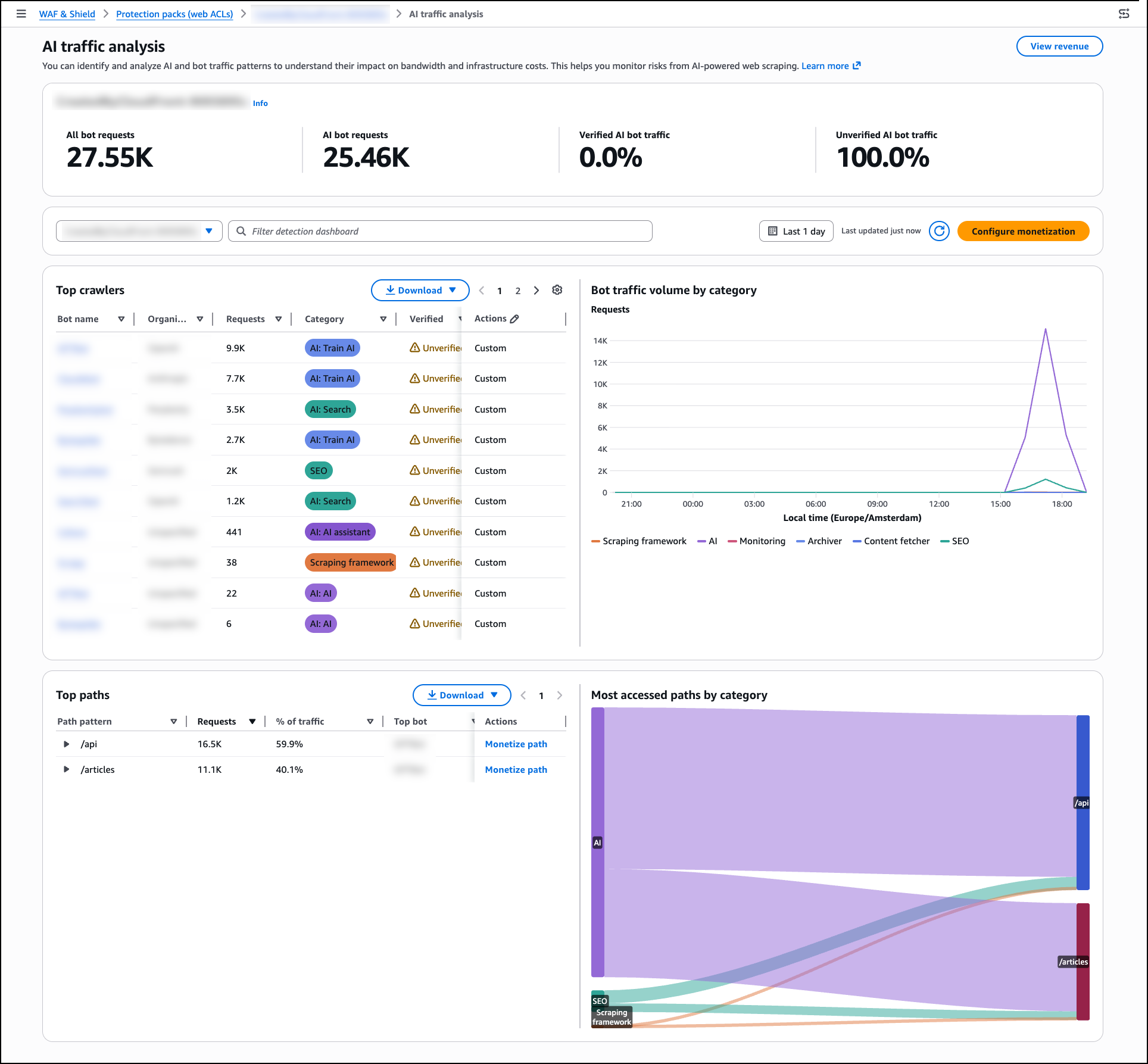
Before setting a pricing strategy, AWS provides a comprehensive "AI traffic analysis" dashboard. This tool is designed to move publishers from guesswork to data-driven decision-making.
The dashboard segments traffic into four distinct tiers:
- All bot requests: A high-level overview of total automated activity.
- AI bot requests: Specifically identifying generative AI traffic.
- Verified AI bot traffic: Traffic from known, authenticated agents.
- Unverified AI bot traffic: Unknown or potentially malicious agents.
By mapping this data against infrastructure metrics—such as bandwidth consumption and estimated monthly server costs—publishers can identify their "break-even" price point. The inclusion of a per-path heatmap allows for granular pricing; a publisher could, for example, charge a premium for access to historical archives while keeping current news headlines free.
Implications for the Digital Ecosystem
The introduction of this tool signals a broader shift toward an "API-first" economy for content.
For Publishers
The implications are profound. For the first time, independent media, research outlets, and e-commerce platforms can treat their content as a digital asset that carries a specific price tag for non-human consumption. This could provide a much-needed revenue stream to compensate for the decline in traditional advertising efficacy.
For AI Developers
While some might argue that this creates a "pay-to-crawl" environment, it also provides clarity. Currently, many AI companies operate in a legal gray area, scraping data without clear authorization. An automated payment system provides a legitimate path for AI developers to secure high-quality data without the constant threat of being blocked or legal pushback. It turns an adversarial relationship into a commercial transaction.
Future Integration
AWS has indicated that this is only the beginning. Support for Stripe integration and the Machine Payments Protocol (MPP) is on the horizon. This suggests that the ecosystem will soon evolve to include more traditional fiat-based payment methods, lowering the barrier to entry for smaller organizations that may not have the capacity to manage blockchain-based treasury operations.
Conclusion: A New Standard for the Web
The AI traffic monetization capability in AWS WAF is more than just a security update; it is a fundamental infrastructure shift for the internet. By embedding payment mechanisms directly into the network edge, AWS is facilitating a transition toward a more sustainable digital ecosystem.
As we look toward the future, the ability to automate the value exchange between human-created content and machine-generated insights will likely become a cornerstone of the modern web. Publishers are no longer forced to choose between total openness or total isolation; they now have the tools to participate in the value their content generates, ensuring that the next generation of AI is built on a foundation of fair compensation and technological efficiency.
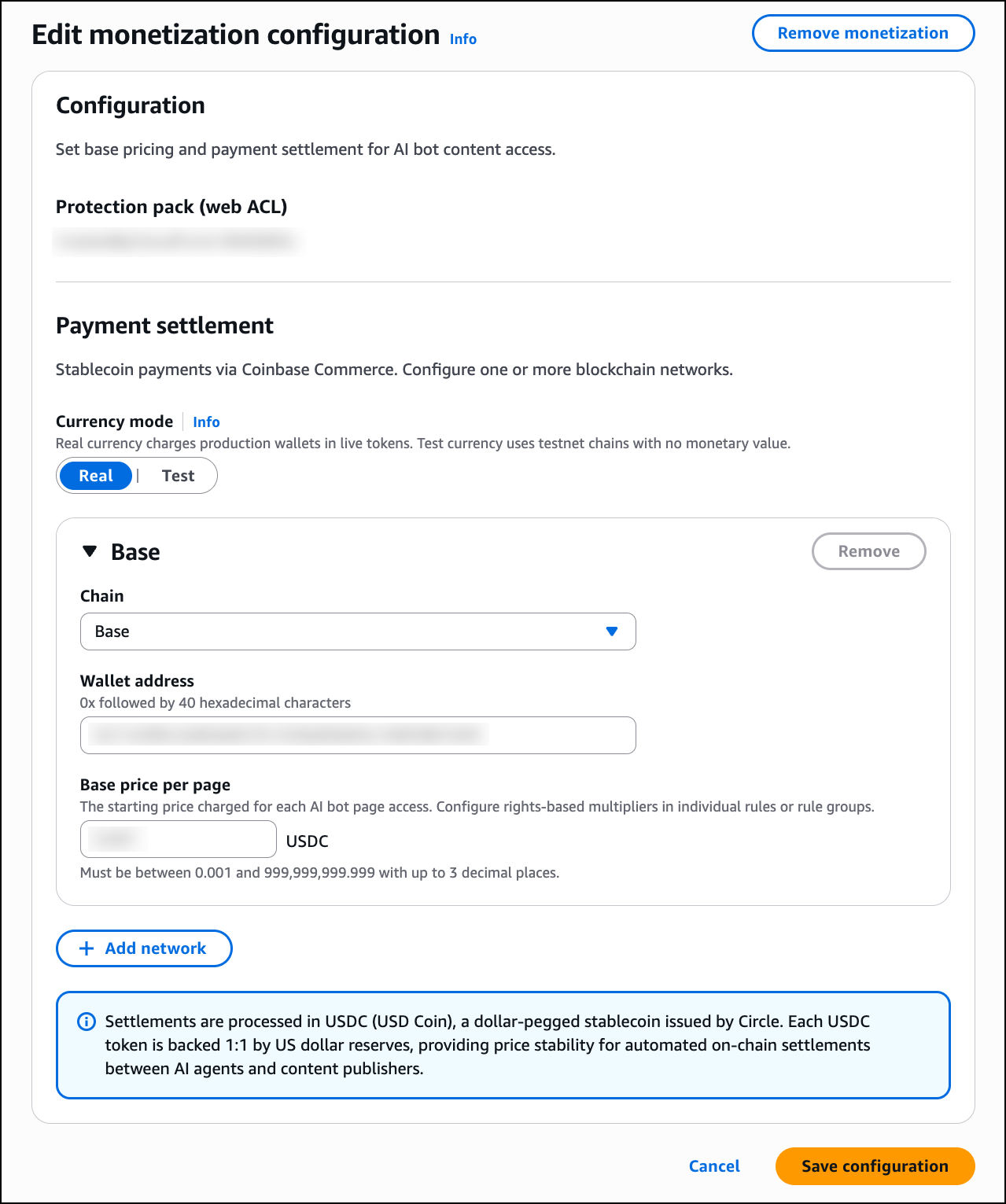
For now, the capability is available for all CloudFront customers at no additional cost beyond existing WAF pricing, setting the stage for a rapid adoption phase across the global web. As publishers begin to activate these "Monetize" rules, we are likely to see the emergence of a new, transparent market for data that powers the world’s most advanced AI systems.
 Neng Nana
  Suro Senen
  Lina Hope