
 By Laily UPN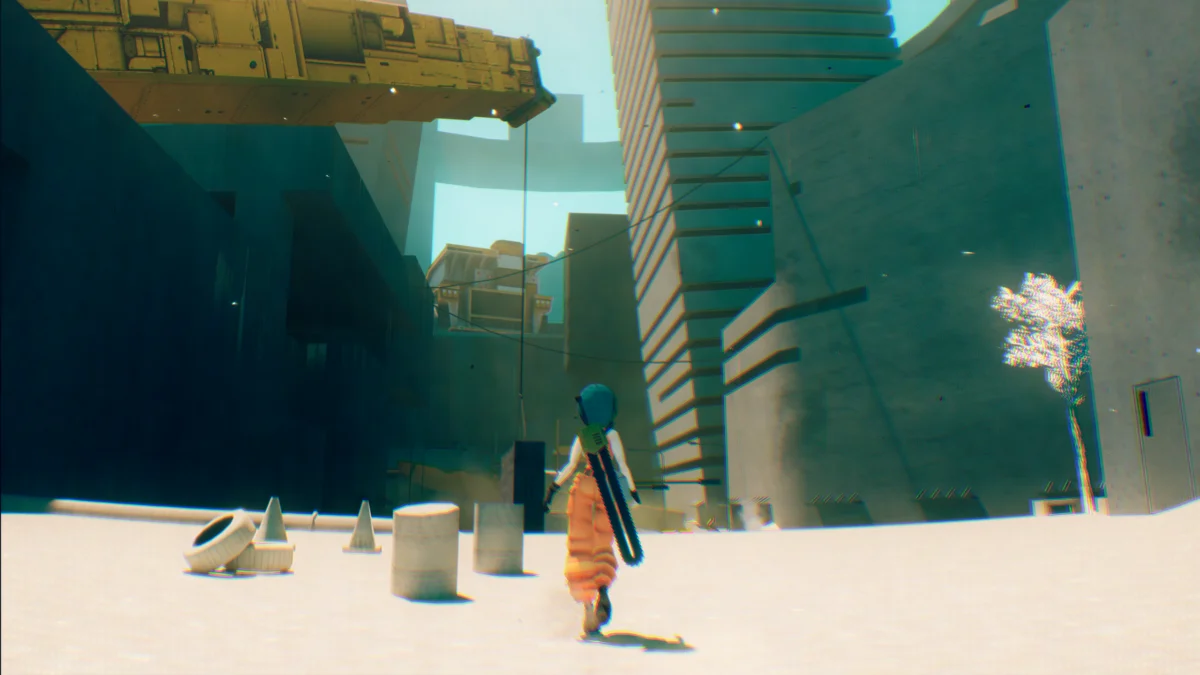
In an era often dominated by hyper-realistic graphics and sprawling open worlds, a quiet revolution is taking place within the indie gaming scene. One of its most compelling recent examples is Motorslice, a game that has emerged as a true sleeper success story of the year. Developed by the incredibly lean two-person team at Regular Studio, Motorslice doesn’t chase graphical fidelity for its own sake, but instead leverages a striking, minimalist visual design that feels both familiar and refreshingly confident. It’s a poignant love letter to brutalist megastructures and a nostalgic nod to classic 3D action games like Shadow of the Colossus and Mirror’s Edge, offering an experience that is as deeply atmospheric as it is engaging.
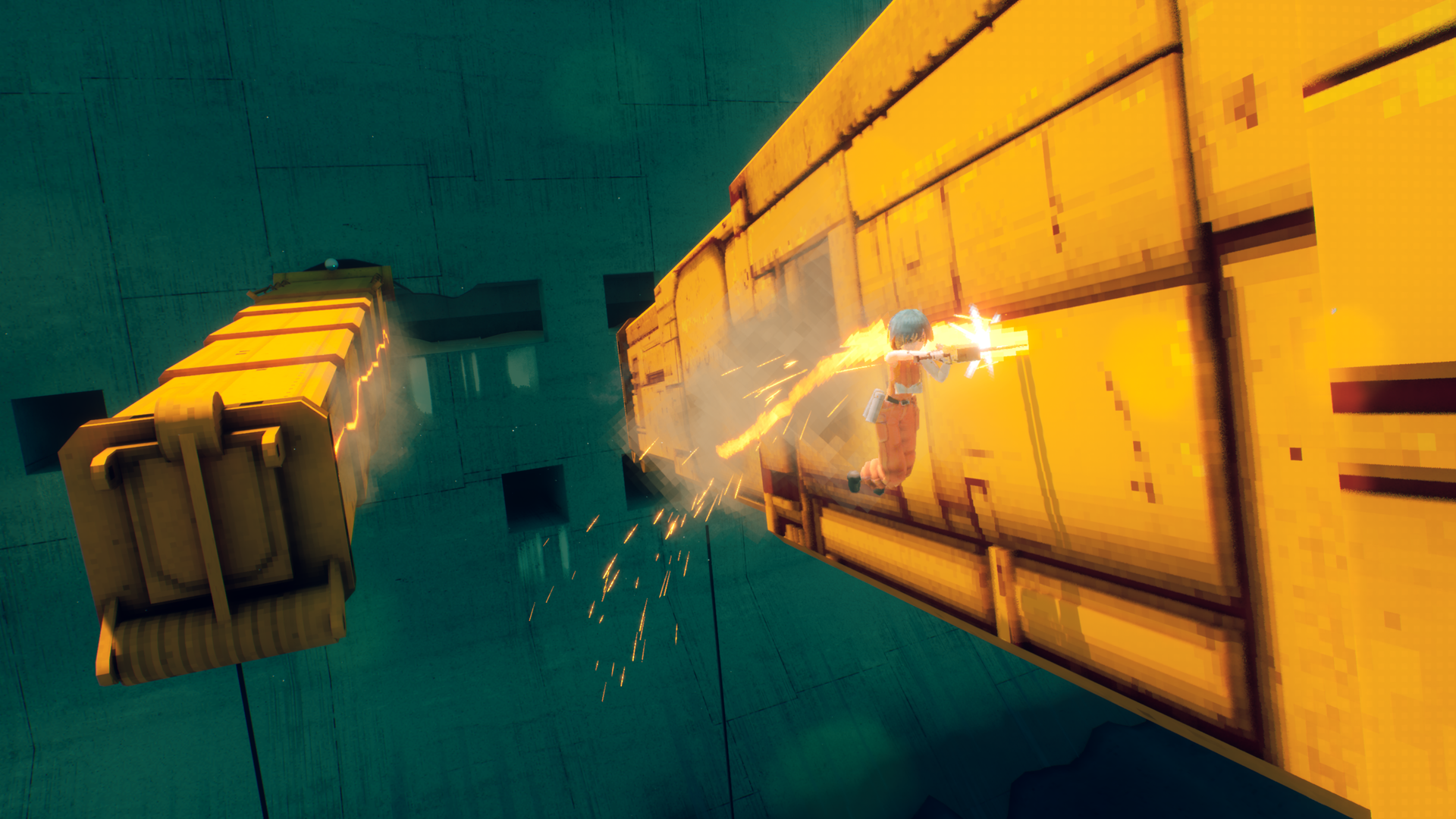
The game’s unique identity stems from a deliberate embrace of constraints, transforming what might be seen as limitations for a small team into defining features of its visual style and core gameplay loop. Towering concrete structures, stark yellow hazard markings, and rich, almost ethereal blue skies paint a desolate yet captivating world. This aesthetic tapestry weaves together diverse influences, from the vast, lonely worlds crafted by Fumito Ueda to the guided clarity of early Prince of Persia titles, and the oppressive, labyrinthine megastructures found in Tsutomu Nihei’s manga Blame!. All these inspirations are filtered through a meticulously hand-crafted approach, resulting in a game that stands out as one of the best indie titles of the year and a compelling showcase for Unreal Engine 5.
Creative Bloq recently delved deeper into the making of this artistic and technical achievement, speaking with Lucas Bonatti, one half of the Regular Studio duo alongside his brother Luiz Bonatti. In an exclusive interview, Lucas shared insights into how readability is maintained at high speeds, why brutalism served as both an aesthetic and a pragmatic production strategy, and the surprising scope behind building an interconnected world as a single, continuous space. His revelations cover everything from the deliberate colour theory and lighting choices powered by Unreal Engine 5’s Lumen system to the foundational decision to eschew photorealism entirely.
The Rise of Motorslice: A Brutalist Masterpiece from a Two-Person Team
A Sleeper Hit with Distinctive Vision
Motorslice‘s journey from concept to critical acclaim is a testament to the power of focused vision and ingenious execution. It carved out its niche by offering a distinct aesthetic and gameplay experience that resonated deeply with players and critics alike. Its "sleeper success" status isn’t about massive launch numbers, but rather the quiet, growing appreciation for its unique artistic direction and polished mechanics. Players are drawn into its liminal spaces, finding themselves immersed in a world that feels both alien and strangely inviting. The game’s ability to evoke a sense of vastness and solitude within its concrete labyrinths, while simultaneously providing fluid, high-speed parkour action, is a delicate balance rarely achieved, especially by a team of its size.
The review by Creative Bloq highlighted its liminal qualities and its success in drawing inspiration without merely replicating, solidifying its reputation as a must-play. This sentiment is echoed across various gaming communities, where players praise its evocative atmosphere and the sheer satisfaction of traversing its intricate environments.
Regular Studio: Crafting Art from Constraint
At the heart of Motorslice is Regular Studio, a development house comprising just two brothers, Lucas and Luiz Bonatti. Their story is a powerful illustration of how passion and ingenuity can overcome the inherent limitations of a tiny team. Rather than attempting to compete with larger studios on fidelity or scope in conventional ways, they turned their constraints into creative advantages. This approach allowed them to hone a very specific artistic vision and production methodology that maximized their resources. The minimalist nature of their chosen art style, for instance, became a cornerstone of their development efficiency, enabling them to create a sprawling world without requiring an army of artists and modelers. Their dedication to a hand-crafted experience, despite its labor-intensive nature, became a signature element, distinguishing Motorslice from many procedurally generated or asset-heavy titles.
The Genesis of a Unique Aesthetic: Influences and Early Vision
Drawing from Gaming Legends and Architectural Icons
The initial artistic spark for Motorslice was not a vague mood board, but a "strong vision" right from the beginning, as Lucas Bonatti articulated. "We wanted to make an atmospheric deadly place, but not in the common sense of a gritty world, but with a colourful yet desolate art direction." This bold declaration set the stage for a game that would eschew typical post-apocalyptic grimness for something more nuanced and visually arresting.
The inspirations behind Motorslice‘s aesthetic language are diverse and deeply considered. Fumito Ueda’s games, particularly Shadow of the Colossus, served as a "huge inspiration," teaching Regular Studio how to achieve a desolate vibe coupled with an immense sense of scale and solitude. This influence is palpable in Motorslice‘s towering structures and the feeling of being a small, solitary figure navigating a monumental, ancient-feeling world.
Mirror’s Edge also played a pivotal role, praised by Lucas for its "timeless art direction that’s used for both gameplay purposes to guide the player and to create a striking and unique atmosphere." The clean lines, vibrant accent colours, and architectural clarity of Mirror’s Edge clearly informed Motorslice‘s approach to player guidance within complex environments.
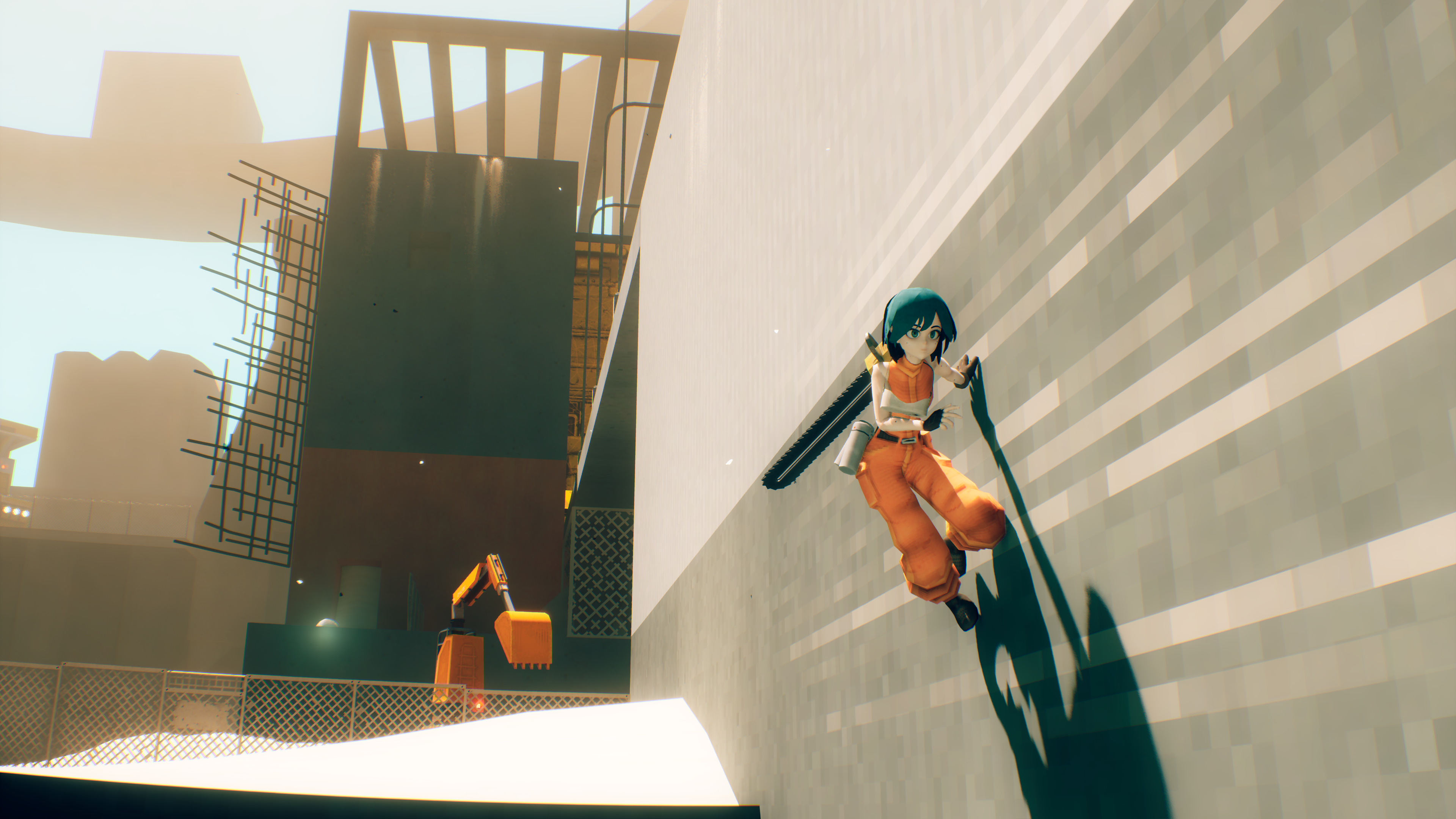
Beyond gaming, brutalist architecture emerged as a foundational element. "Brutalism architecture takes a huge part as well," Lucas noted, promising further explanation later in the interview. This architectural movement, known for its monumental concrete forms and raw, exposed materials, lent itself perfectly to the game’s sense of scale and imposing structures.
Indirectly, Tsutomu Nihei’s Blame! manga contributed to the vision of megastructures. While not a direct replication, the sheer scale and endless, machine-like environments of Blame! inevitably influenced the game’s depiction of vast, interconnected architectural spaces, giving them an almost oppressive, overwhelming quality.
Brutalism: More Than Just a Style, a Production Philosophy
The choice of brutalism for Motorslice was not merely an aesthetic preference; it was a pragmatic production strategy born from necessity. Lucas explained, "Brutalism was chosen for multiple reasons, and one of them was because of our limitations as a tiny team. Because of the minimalist nature of this movement, it gave us a way to create beautiful vistas with very little, and as a tiny team, this is crucial to be able to make such a huge game."
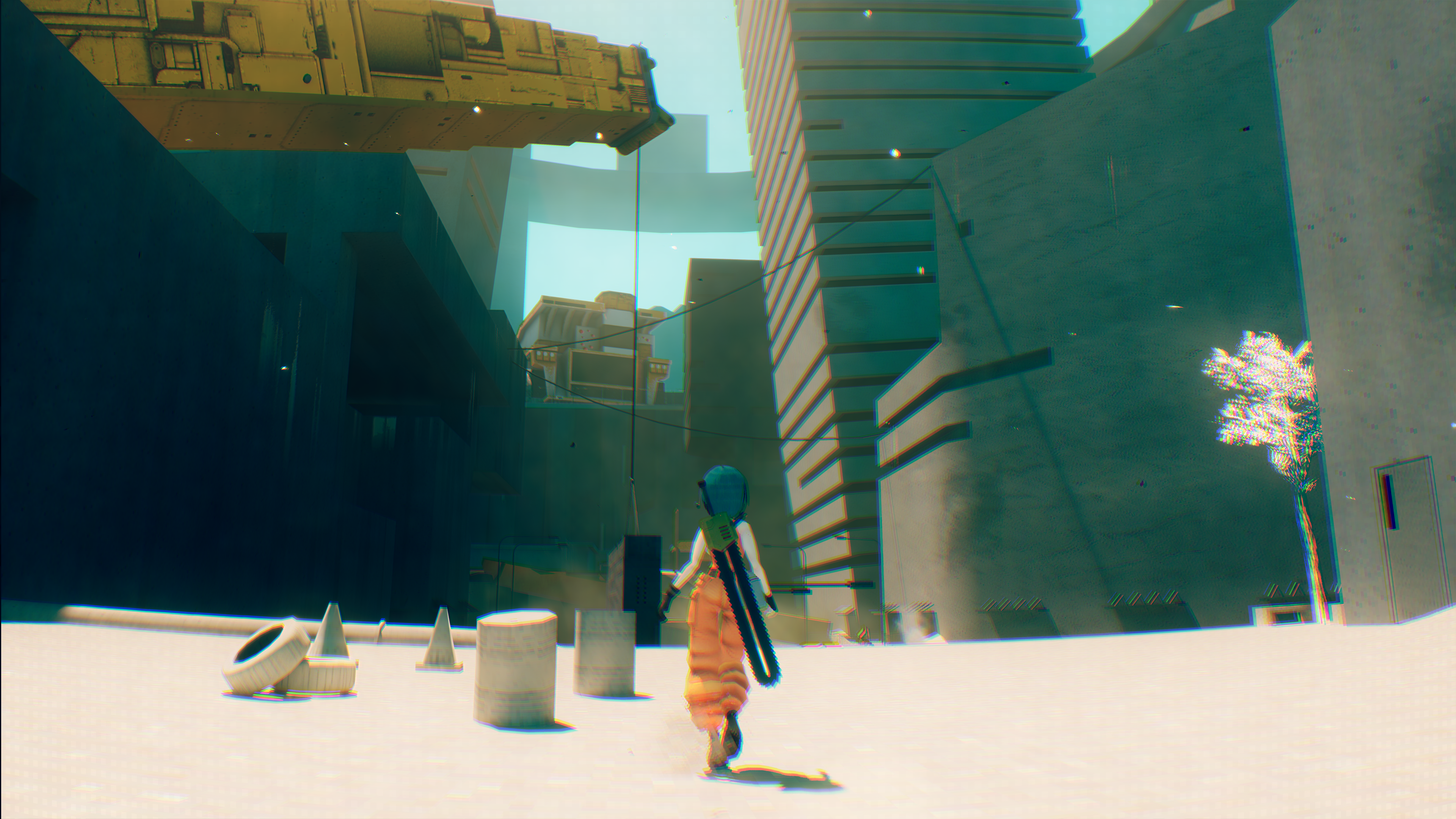
This insight is crucial for understanding the game’s success. The stark, unadorned concrete forms of brutalist design inherently require fewer intricate details and textures than, say, a highly ornamented Victorian setting or a photorealistic modern city. This minimalism allowed the small team to construct massive environments efficiently, focusing on form, scale, and lighting rather than elaborate surface details.
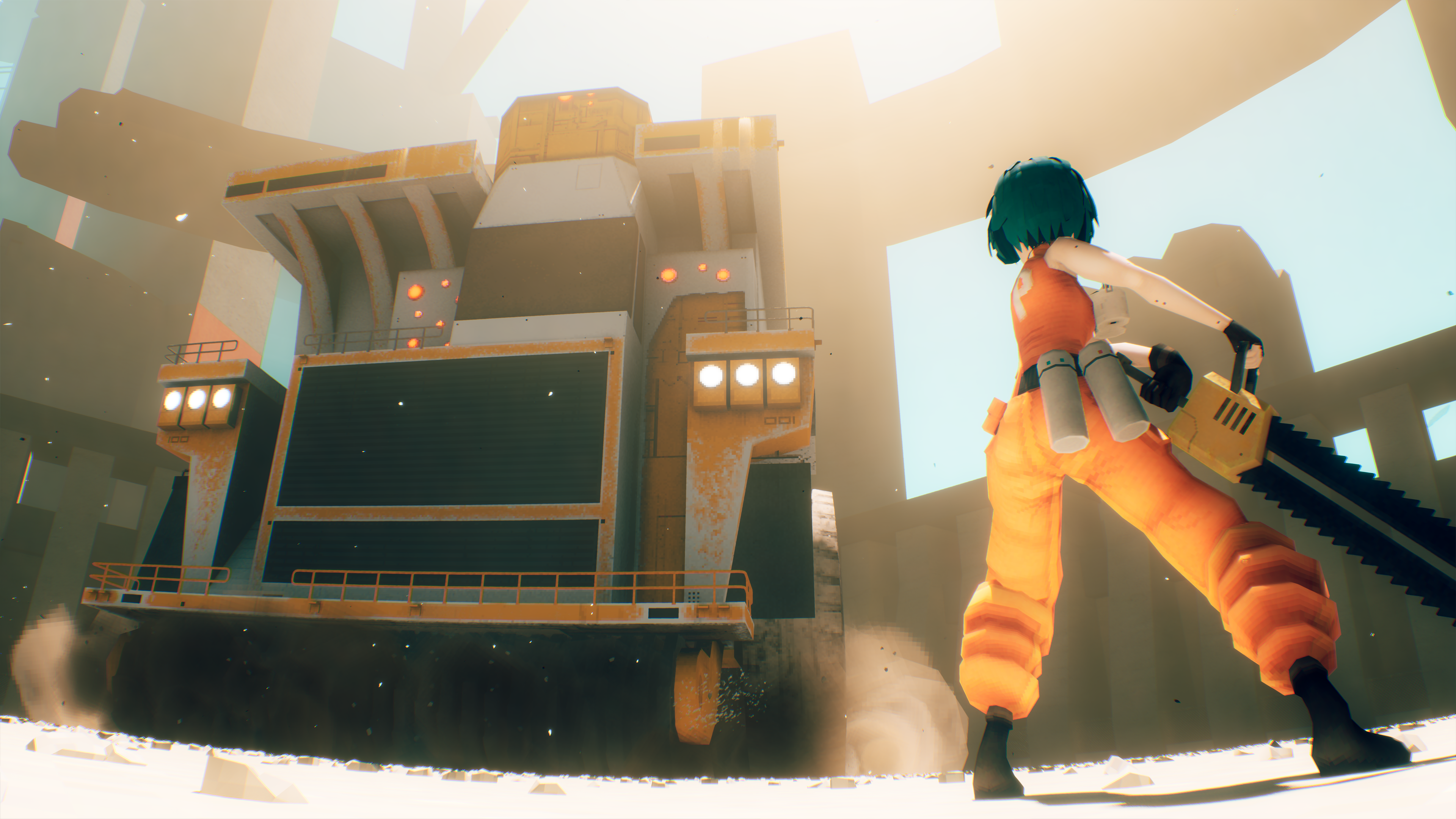
Furthermore, the enemy design also leveraged this strategic minimalism. Lucas elaborated, "The machines were also included for this reason. We couldn’t afford to have complex models, and machines are easy to be done for us. So, a game about killing construction equipment with brutalist architecture felt right, with the huge focus on concrete." This fusion of aesthetic and practical decisions led to a cohesive and believable game world where every element, from the environment to the enemies, felt purposefully integrated.
The Power of Stylization Over Photorealism
In a gaming landscape often pushing for ever-greater photorealism, Motorslice deliberately chose a different path. Lucas confirmed, "We didn’t pursue realism, but rather a graphic fidelity that makes sense on the main core elements we are trying to do, which is an old school parkour game trying to evoke a PS2-PS3 era vibes, brutalism and a striking and memorable art direction."
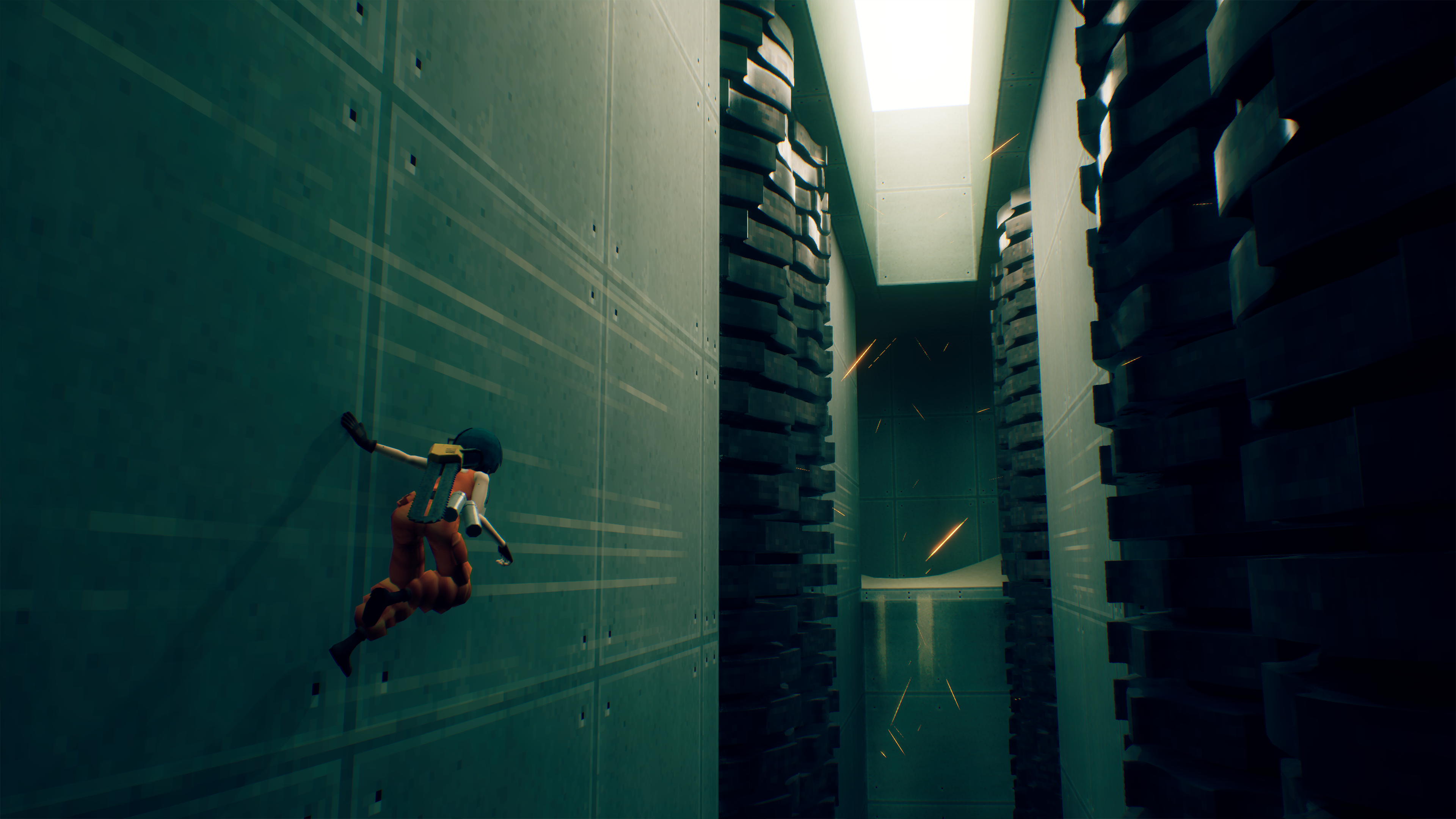
This decision freed the team from the immense resource demands of photorealistic assets and allowed them to focus on creating a distinctive, stylized look. The "PS2-PS3 era vibes" refer to a period in gaming where visual fidelity was rapidly advancing but still retained a strong sense of artistic stylization, often favoring clear visual language and exaggerated forms over absolute realism. This era saw games like Mirror’s Edge, ICO, and Shadow of the Colossus define their visual identities through strong art direction rather than pure graphical horsepower. Motorslice captures this spirit, using its stylized approach to enhance readability, evoke nostalgia, and establish a unique artistic fingerprint that is instantly recognizable and visually arresting. It proves that artistic vision, rather than raw polygon count, is the ultimate determinant of visual impact.
Building a World: Art Direction, Technical Choices, and Player Guidance
Unreal Engine 5’s Lumen: Illuminating the Desolate
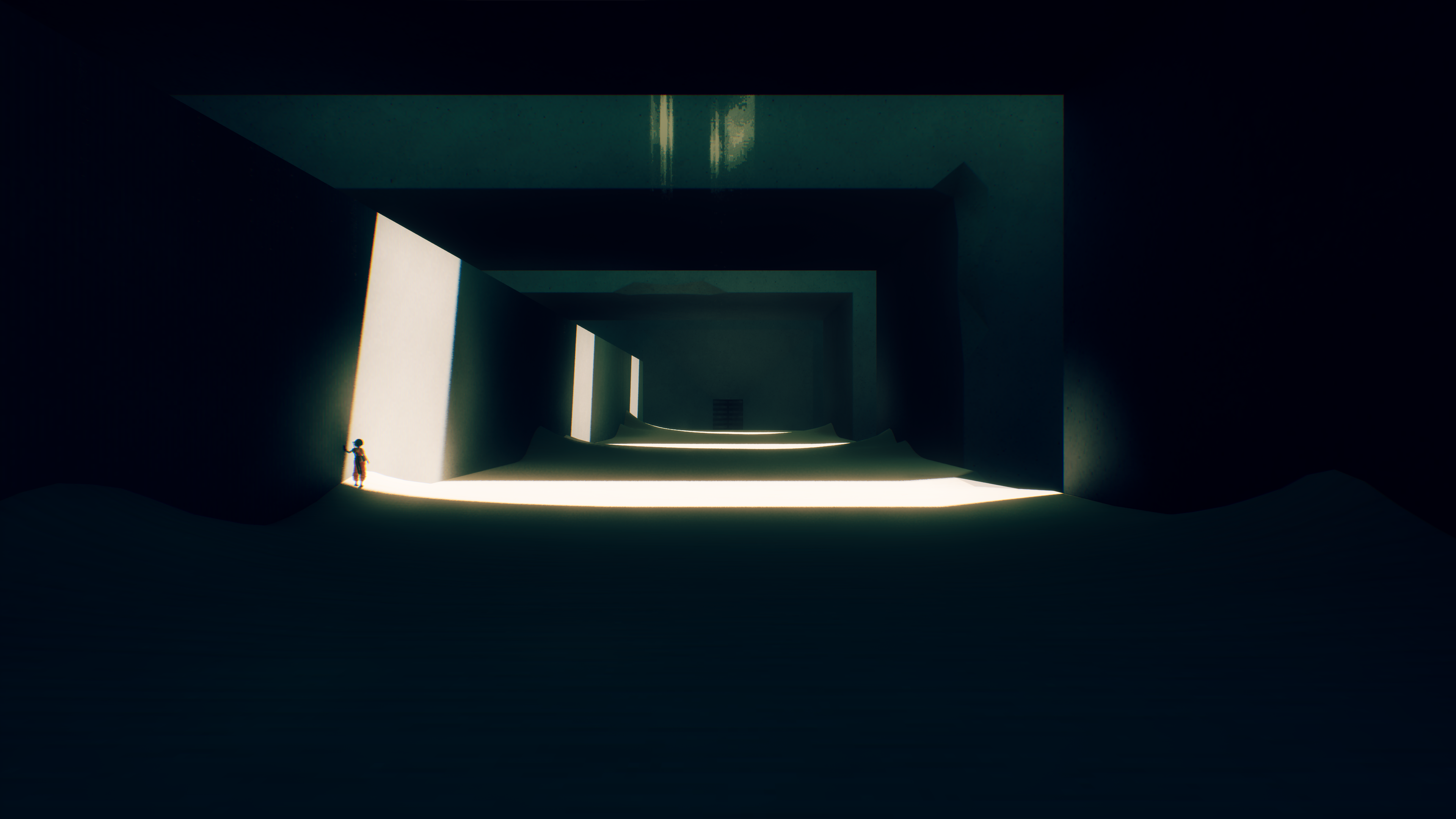
Despite its stylized aesthetic and "old school" vibes, Motorslice is built on the cutting-edge foundation of Unreal Engine 5, specifically leveraging its powerful Lumen global illumination system. Lucas explicitly stated, "The game was built with Lumen in mind. The expensive lighting system from Unreal Engine 5. The visual style is only possible because of this tech. The soft shadows, the subtle colour palettes, the gradient darkness… All of this was used to create the visual fidelity."
Lumen is a dynamic global illumination and reflections system that allows for incredibly realistic lighting without the need for baked lightmaps, adapting in real-time to changes in the environment. For Motorslice, this technology isn’t used to create photorealistic textures, but rather to enhance the atmosphere and sense of scale in its stylized brutalist world. The "soft shadows" and "gradient darkness" add depth and drama to the monolithic concrete structures, making them feel immense and imposing. The "subtle colour palettes" of the environment, often dominated by greys and blues, are given life and mood by Lumen’s ability to accurately simulate light bounces and indirect illumination, creating a desolate beauty that would be difficult to achieve with less sophisticated lighting. This combination of "old and new" — low-poly, low-fidelity aesthetics powered by state-of-the-art lighting — gives Motorslice a truly unique visual signature.
Navigating Speed: The Art of Readability
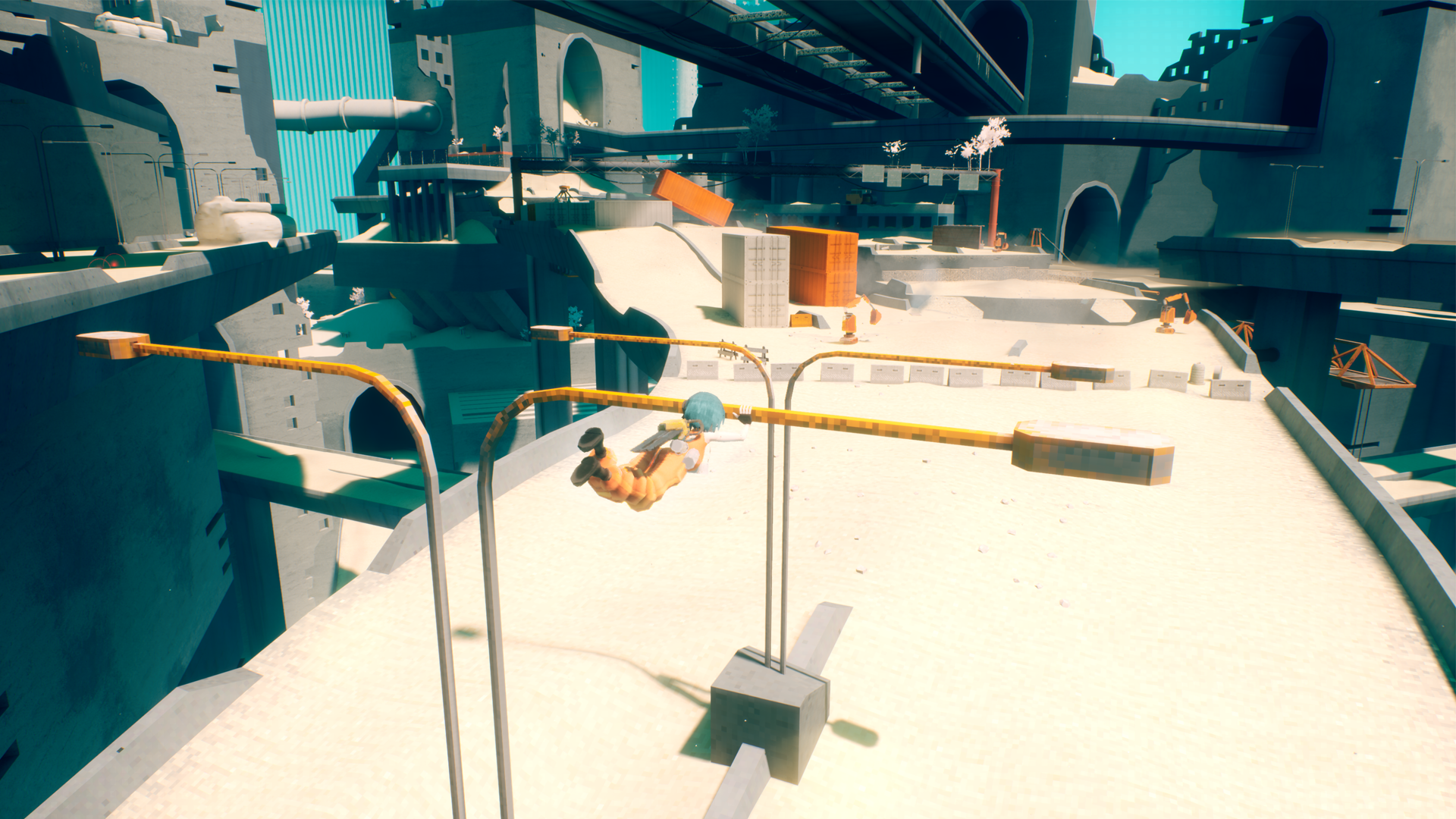
A core challenge for any fast-paced parkour game is ensuring player readability amidst visual complexity. Motorslice, with its towering structures and high-speed traversal, masters this through intelligent art direction. Lucas explained their approach: "It comes down to the art direction. We created rules using our visual style to help the player and other things. Motorslice uses the yellow colour from heavy machinery as a motif for the world design, and this is the major key element for readability, but there are other elements as well, such as shapes, vistas, and other types of world elements to make things clear."
This systematic use of colour, particularly the vibrant yellow, acts as a visual breadcrumb trail, guiding players through intricate paths and highlighting interactive elements or safe landing zones. This is reminiscent of Mirror’s Edge‘s iconic use of red. Beyond colour, the game employs clear shapes and carefully constructed vistas to provide visual cues and landmarks, allowing players to orient themselves and plan their next moves even at breakneck speeds. The inherent clarity of brutalist forms, with their strong lines and distinct geometric shapes, further aids in this readability, preventing visual clutter from hindering gameplay.
A Handcrafted, Interconnected Universe
One of the most impressive and defining features of Motorslice‘s world design is its commitment to being a single, continuous, handcrafted space. Lucas revealed, "Early on, we decided to make the world one big place, and this affected everything about the game. From how the game feels and plays, to how textures were made to all feel part of one big thing. This gives this huge sense of a ‘tactile’ game world. And we literally made a physically connected world, all handcrafted, every single window and dune. And you can feel this while playing. It is not something you can achieve otherwise."
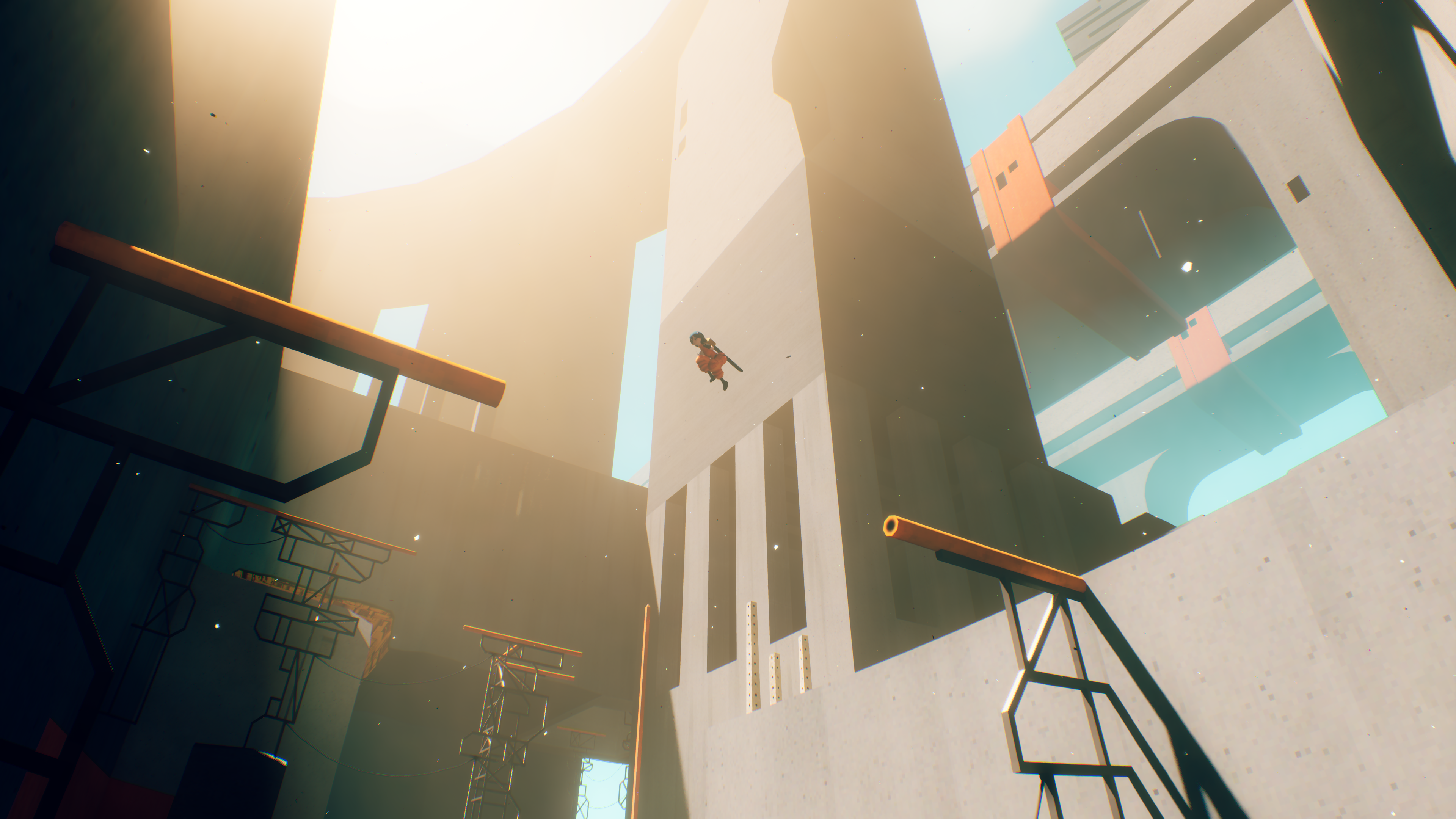
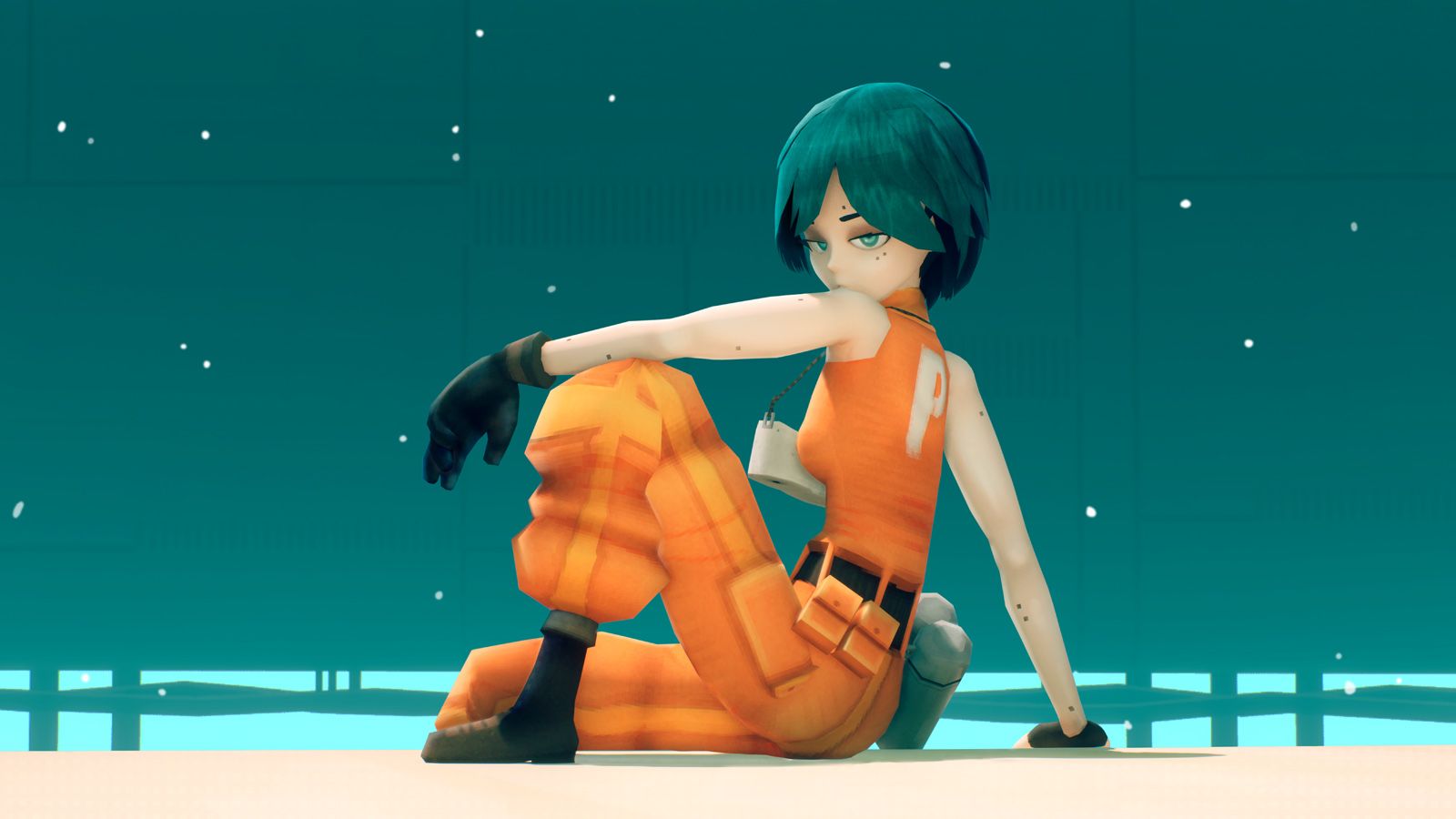
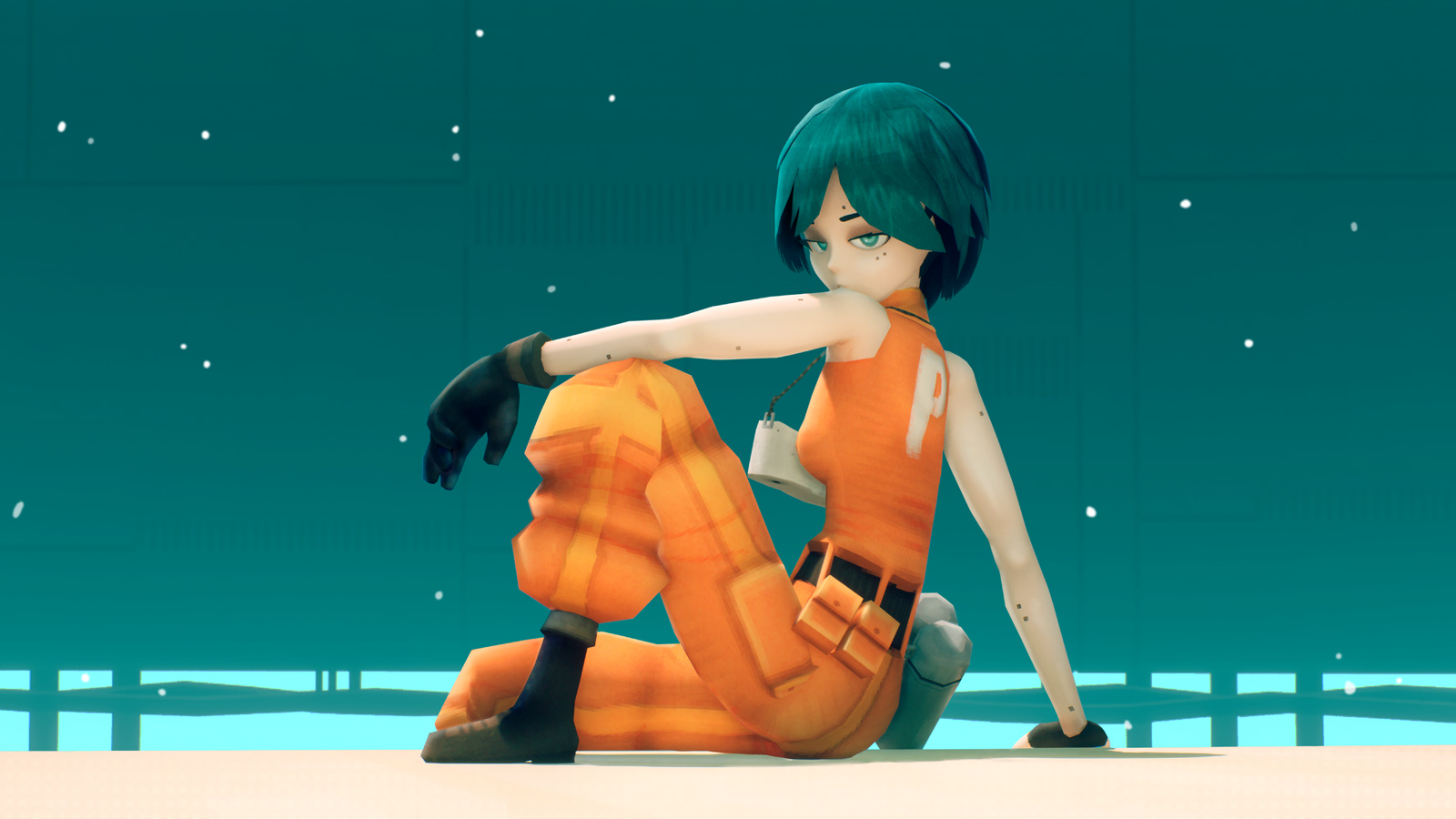
In an age where many games rely on procedural generation or discreet, loading-screen-separated levels, Regular Studio’s dedication to a fully handcrafted, interconnected world is a monumental achievement for a two-person team. This approach creates an unparalleled sense of immersion and believability. Players aren’t merely moving between zones; they are traversing a coherent, physically tangible environment where every architectural detail, every vista, and every hidden path has been thoughtfully placed. This "tactile" quality translates into a grounded feeling for the player character, P, who feels genuinely reactive and connected to her surroundings. The absence of loading screens between major areas further reinforces this seamless experience, allowing for uninterrupted exploration and flow.
The Deliberate Palette: Cyan Skies and Guiding Yellows
The game’s distinctive visual tone is built upon a carefully chosen colour palette. Lucas shared the genesis of this decision: "The first thing I decided was to use cyan as the sky colour. That was because of what I said previously, to evoke a certain feeling from older games. From that, the rest of the colour palette was to fit and feel beautiful with each other."
The cyan sky is more than just an aesthetic choice; it’s a nostalgic anchor, evoking the clear, stylized skies often seen in games from the PS2-PS3 era. It provides a striking contrast to the grey concrete, instantly establishing a unique mood that is both desolate and surprisingly vibrant. With the primary brutalist structures being grey, additional colours were introduced strategically for functionality and visual appeal. "The brutalism architecture makes things grey, so I wanted to add another colour to make readability better, so it becomes the white sand on top of almost every platform. And so on." This layering of colours — the cyan sky, the grey concrete, the guiding yellow markings, and the white sand platforms — creates a clear visual hierarchy that aids player navigation and enhances the overall aesthetic coherence. It’s a masterclass in using a limited palette to maximum effect, ensuring that beauty and functionality go hand-in-hand.
The Development Journey: Vision to Reality
A Consistent Artistic North Star
From the outset, Lucas Bonatti held a "strong vision" for Motorslice‘s visual identity, a testament to the power of a clear artistic direction in game development. He notes, "Since day one I had a strong vision of what I wanted to achieve. You can see on early footage." This early commitment meant that while there was an "experimental process across development, with decisions being made based on what best serves the bigger picture," the core art direction remained largely unchanged. This consistency is remarkable for an indie project, often prone to scope creep and stylistic shifts. It suggests a deep understanding of the game’s identity and a disciplined approach to staying true to that initial spark, allowing the team to refine rather than reinvent.
Overcoming Limitations Through Creative Choices
The journey of translating this strong vision into a fully playable 3D space involved a distinct workflow that eschewed traditional concept art for a more iterative, hands-on approach. Lucas explained, "We don’t work much with concept art, since I believe this doesn’t translate that well and it is not the most efficient way to work as a tiny team of 2 who develop everything. But I did some, mostly trying to communicate what I have in mind when transforming the block levels prototype into something. But overall, it was pretty much a free form on the go." This agile method, where concepting often happened directly within the game engine through prototyping and sketching over screenshots, allowed for rapid iteration and ensured that visual ideas were always grounded in playable realities.
Perhaps even more unconventional was their approach to building the world itself. In an era where procedural tools are often employed to generate vast environments, Regular Studio went in the opposite direction. "It is exactly the opposite in our case (ha-ha). I started using some procedural tools, but later I realised it was easier and the results far better if everything was handcrafted. Yes, every build, every dune was handcrafted without any procedural tool at all. I might be insane; who knows." This painstaking dedication to handcrafting every element underscores the "tactile" feeling Lucas spoke of, imbuing the world with a sense of deliberate construction and unique character that procedural generation, no matter how sophisticated, often struggles to achieve.
The Unsung Pride: Believable Spaces
When asked what part of the game’s visual design he was most proud of, Lucas immediately pointed to the interconnected world. "Definitely the interconnected world. It was a massive amount of work to make this place believable and grounded. Like opening holes to connect into the grand scheme of things was a common thing I did while developing the world and this kind of thing. But luckily, players are noticing this, and they are also thinking it is the coolest aspect of the game."
This validation from players highlights the success of their ambitious approach. The sense of a unified, breathable world where every path leads somewhere meaningful, and the scale is consistent, is a subtle but profound achievement. It’s a design philosophy that elevates the player experience beyond mere level progression, fostering a sense of genuine exploration and discovery within a truly cohesive environment.
Motorslice’s Enduring Impact: A Blueprint for Indie Innovation
Redefining Expectations for Small Teams
Motorslice stands as a powerful example of what a tiny, dedicated team can achieve with a clear vision and strategic use of technology. Its development within three years, with minimal discarded content, is a remarkable feat that challenges the notion that ambitious, visually distinctive games require vast resources. Lucas reflected on this, stating, "There were a few things regarding game design that affects how the game was built, which made things a bit harder for us, and I would have done better now, but I don’t think this affects the game and players will never notice any of this. So, there is nothing that I want to change. I think we did our best with what we had, and we barely discarded anything. This is huge for a tiny team and a project that was made within just three years." This sentiment speaks volumes about their efficiency and the strength of their initial design philosophy. Motorslice demonstrates that constraint, when embraced creatively, can foster incredible innovation and lead to deeply personal and impactful games.
A Testament to Focused Art Direction
In a world saturated with games, Motorslice‘s ability to stand out visually is its superpower. It proves that strong, cohesive art direction, even if stylized or minimalist, can be far more impactful than raw graphical power. The game’s brutalist aesthetic, combined with its distinct colour palette and expert lighting, creates an atmosphere that is instantly recognizable and deeply memorable. It’s a testament to the idea that visual design can serve not only as an aesthetic wrapper but also as a fundamental pillar of gameplay, storytelling, and player immersion. Motorslice doesn’t just look unique; its look defines its experience.
The Future of Regular Studio
The critical reception and growing player base for Motorslice position Regular Studio as a compelling voice in the indie game development landscape. The success of this project, born from passion and pragmatism, bodes well for their future endeavors. It highlights their ability to craft meaningful and visually striking experiences, leveraging their unique blend of influences and technical proficiency. As players continue to discover the desolate beauty and exhilarating traversal of Motorslice, it solidifies its place not just as a noteworthy game of the year, but as a blueprint for how ingenuity and artistic integrity can thrive in the fiercely competitive world of game development. It’s a vibrant, desolate, and utterly unforgettable journey, proving that sometimes, the most profound experiences come from the most unexpected places.
 Evan Lee Salim
  Nana
Nana  Ammar Sabilarrohman