
 By Lina Irawan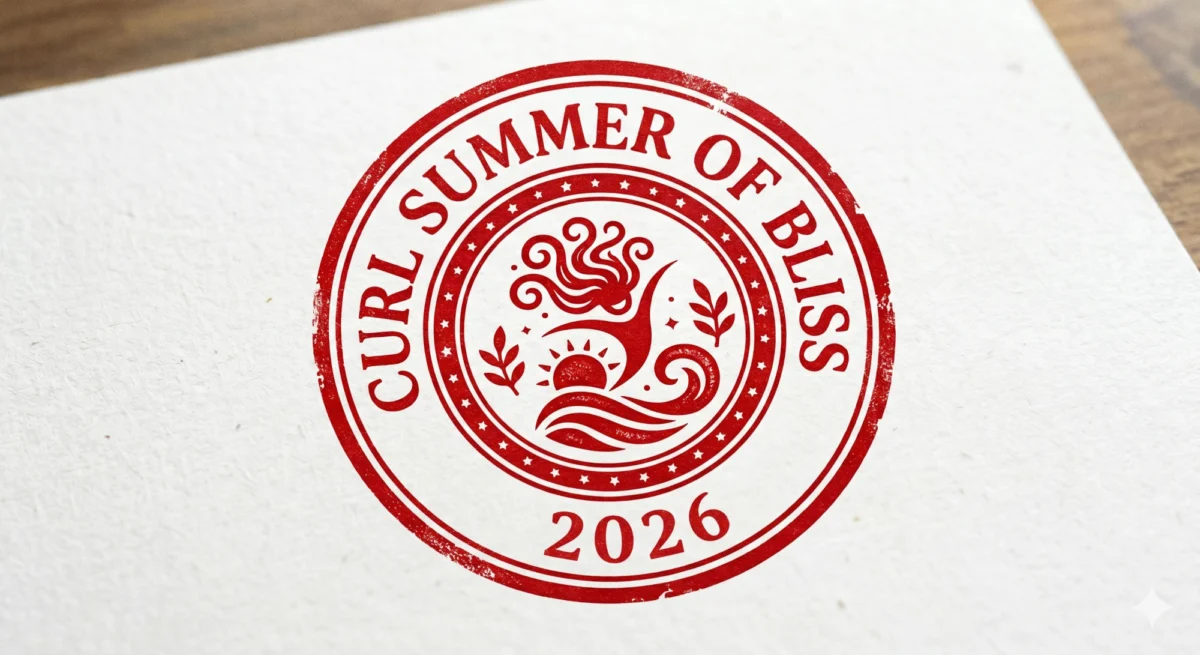
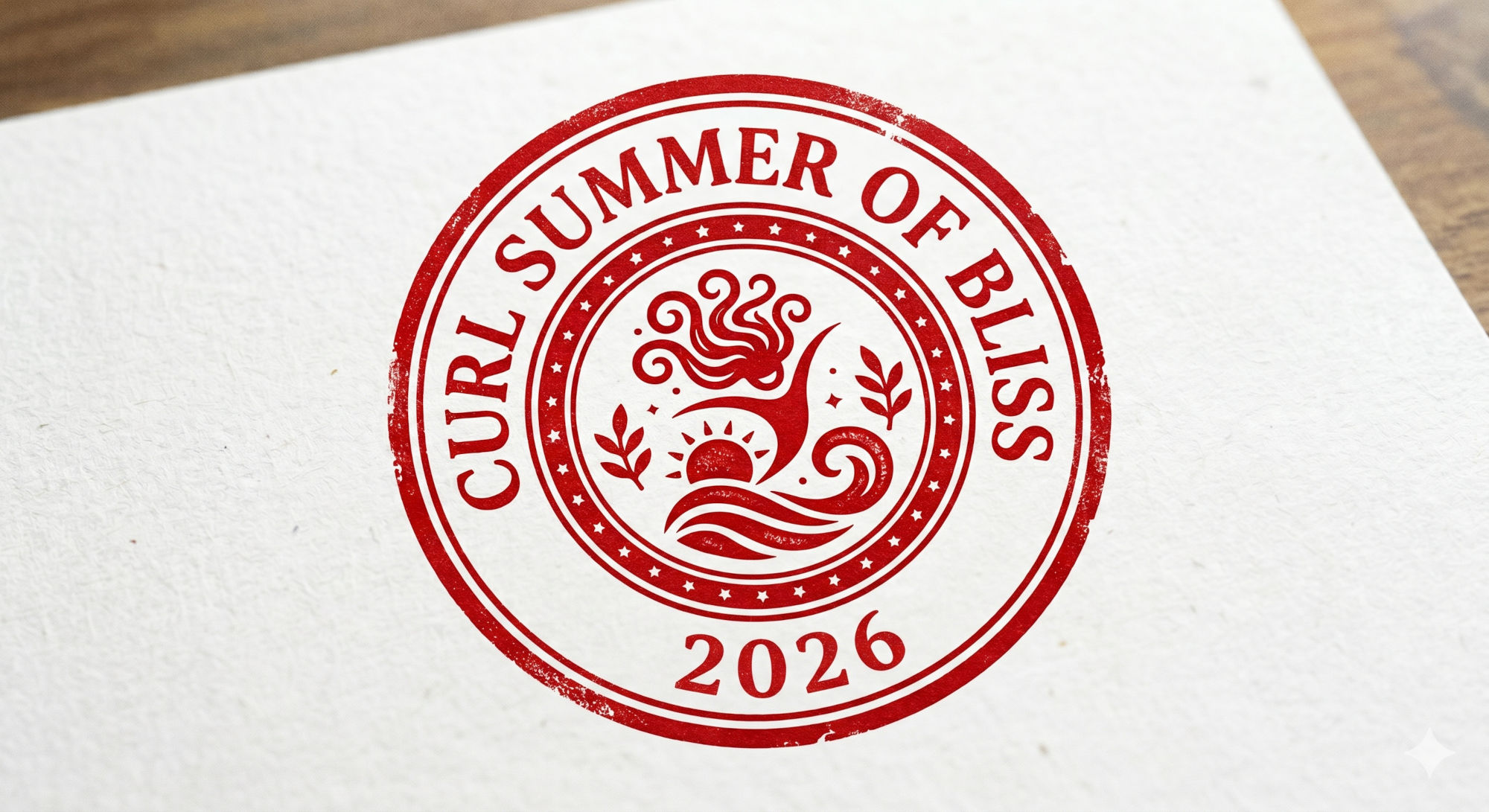
In an unprecedented move for a cornerstone of the modern internet, the curl project—the ubiquitous command-line tool and library responsible for moving the vast majority of the world’s data—has announced a mandatory hiatus on security vulnerability reporting. Beginning July 1, 2026, and lasting throughout the month, the project will implement what it calls a "Summer of Bliss," a deliberate cessation of vulnerability intake that marks a significant shift in how open-source maintainers are reclaiming their work-life balance in the face of unsustainable industry pressure.
The Core Mandate: A Total Shutdown of Vulnerability Intake
For the duration of July 2026, the curl project will effectively go "off the grid" regarding security disclosures. The project’s dedicated submission portal on HackerOne will be shuttered at 00:00 CEST on July 1, and the team has explicitly stated that security-related emails sent to the project during this period will be ignored.
This is not a temporary inconvenience; it is a structural pause. The maintainers have made it clear that any security issues discovered during this month must be held by the reporter until the submission process resumes on August 3, 2026, at 09:00 CEST. While standard GitHub issue and pull-request trackers will remain open and active for non-security development, the security pipeline—often a high-stress, high-stakes environment—will be entirely dormant.
Chronology of the "Summer of Bliss"
The timeline for this initiative is precise, designed to provide the core team with a clean, uninterrupted window of rest:
- June 2026: Final preparations are made to transition the project into a low-maintenance state.
- July 1, 2026, 00:00 CEST: The official start of the "Summer of Bliss." HackerOne submissions are paused, and security email queues are designated as dead ends.
- July 2026: A complete moratorium on security reports. Maintainers shift focus away from external triage toward personal well-being, leisure, and self-directed, "fun" coding projects.
- August 3, 2026, 09:00 CEST: The formal reopening of the HackerOne submission portal.
- September 2, 2026: The revised release date for curl version 8.22.0.
This calendar shift is intentional, reflecting the project’s need to recalibrate after a grueling first half of the year.

The Burden of Infrastructure: Why Now?
To understand the necessity of this move, one must look at the data surrounding the project’s recent performance. The maintainers have openly characterized the last four months as a period of "huge pressure." As a critical piece of global infrastructure, curl is subject to constant scrutiny, with security researchers and automated scanners relentlessly hunting for vulnerabilities.
The "deluge" of reports has created an environment where the core maintainers are perpetually reacting to external demands rather than driving the project’s internal roadmap. By declaring a "Summer of Bliss," the project is signaling that the current model of open-source maintenance—where unpaid or underfunded developers are expected to provide 24/7 security triage for the entire global internet—is reaching a breaking point.
The decision is a direct response to the "burnout epidemic" that has plagued high-visibility open-source projects for years. Rather than waiting for a systemic failure, the curl leadership is proactively setting boundaries, proving that even the most essential software projects require human-centric maintenance cycles.
Official Responses and Strategic Implications
The project’s leadership, spearheaded by Daniel Stenberg, has framed this decision as a vital step toward sustainability. The message to the broader developer community is clear: "Take care of yourself as a top priority."
The "Emergency" Question
When asked how the project will handle critical, world-ending security emergencies during the July shutdown, the response is characteristically pragmatic. If a catastrophic issue arises, the project will address it upon returning in August. However, the team leaves a significant loophole: those who have formal, paid support contracts will continue to receive full, uninterrupted service. This distinction highlights the dichotomy between the "free" open-source model and the professional, enterprise-grade expectations that accompany it.
Downstream Effects: The Delay of Version 8.22.0
The most tangible technical impact of the hiatus is the two-week delay of curl version 8.22.0. By pushing the release to September 2, 2026, the team is buying themselves a buffer zone. This grace period allows the maintainers to clear the inevitable backlog of reports that will arrive on August 3 without immediately jumping into the pressures of a release cycle. It is a strategic move to ensure that the project’s health remains stable through the latter half of the year.
A Cultural Shift in Open Source
The "Summer of Bliss" is more than just a vacation; it is a political statement within the software industry. By formalizing this break, the curl project is challenging the "always-on" expectation that governs open-source participation.
Encouraging Others to Follow Suit
Stenberg has explicitly encouraged other open-source projects to participate in similar rest cycles. He suggests that if maintainers across the ecosystem took coordinated or independent breaks, it would lead to a more resilient, less stressed community. This movement seeks to redefine the "social contract" between software users and the individuals who maintain that software.
The Reality of "The Bad Guys"
The project is well aware that malicious actors do not take vacations. The acknowledgment that "the bad guys won’t rest" while the team does is a calculated risk. However, the maintainers have concluded that the risk of a temporary pause in vulnerability reporting is outweighed by the existential risk of losing key contributors to burnout. If the primary maintainers burn out, the security of the project suffers permanently; therefore, a temporary pause is, in the long term, a security feature.
The Broader Context of Security Triage
The curl project’s situation serves as a mirror for the larger open-source ecosystem. In recent years, projects like OpenSSL, Log4j, and XZ Utils have highlighted how fragile the chain of trust really is. When critical infrastructure is maintained by a handful of people, the vulnerability pipeline becomes a bottleneck of stress.
By implementing the "Summer of Bliss," curl is moving away from a model of "unlimited, unpaid availability" toward a model of "sustainable stewardship." This shift is likely to be viewed by historians of the internet as a pivotal moment where open-source projects began to demand the same professional boundaries as any other industry.
Conclusion: A New Standard for Sustainability
As we move toward July 2026, the tech industry will be watching the curl project closely. The success of this experiment will depend on how the community responds to the temporary closure. Will users respect the boundaries, or will they attempt to bypass them?
Ultimately, the "Summer of Bliss" is a testament to the fact that software, while digital and seemingly eternal, is built by humans who are subject to the same physical and mental limits as anyone else. By choosing to step back, the curl maintainers are not abandoning their duty; they are ensuring that they can continue to fulfill it for years to come. In an era of constant, high-speed digital evolution, the most radical act an open-source project can take is to simply pause, breathe, and enjoy the summer.
 Ammar Sabilarrohman
  rifanmuazin
  Layla Zulfa