
 By Muslim
For years, the creator economy was defined by ad revenue and brand sponsorships. Today, that model is undergoing a seismic shift. Top-tier YouTubers are no longer just content creators; they are entrepreneurs building diversified digital conglomerates. Whether it is an exclusive clothing line, a deep-dive educational course, or a recurring membership program, the ability to convert passive viewers into loyal customers has become the primary indicator of a sustainable career.
However, choosing the right ecommerce infrastructure is not merely a technical decision—it is a strategic one. The platform you select dictates how your audience interacts with your brand, how much operational "drag" you experience, and, ultimately, how effectively you can scale.
Main Facts: The Intersection of Content and Commerce
The fundamental challenge for any YouTuber is friction. Every additional click between a viewer watching a video and purchasing a product represents a potential lost sale. The modern ecommerce landscape for creators has bifurcated into two distinct paths: Native Integration and Independent Scaling.

Native integration platforms, such as Fourthwall and Spring, allow you to leverage YouTube’s "Product Shelf," which displays your catalog directly beneath your videos, on your channel page, and across Shorts. This keeps the user within the YouTube ecosystem, significantly increasing conversion rates. Conversely, platforms like Shopify and Kajabi are designed for creators who want to own their customer data, build robust brand identities, and scale well beyond the confines of a social media platform.
Chronology: The Evolution of Creator Monetization
The timeline of creator commerce has moved from manual to automated.
- The Early Days (2010–2015): Creators manually linked to third-party marketplaces or used rudimentary print-on-demand services with little to no branding control.
- The Rise of Specialized Tools (2016–2020): Platforms like Gumroad and Teespring (now Spring) revolutionized the space by providing low-barrier, creator-first interfaces.
- The "Merchant of Record" Era (2021–Present): With the introduction of Fourthwall and deeper Shopify integrations, the burden of sales tax, global VAT compliance, and customer support has shifted from the creator to the platform.
This evolution marks a transition from "side-hustle" merch to "business-grade" infrastructure.
Supporting Data: Comparative Analysis
| Platform | Best For | Starting Cost | YouTube Integration | Key Strength |
|---|---|---|---|---|
| Fourthwall | Merch & Memberships | Free | Native | Merchant of Record/Taxes |
| Shopify | Scaling Brands | $39/mo | Via Google | Infinite Extensibility |
| Spring | Print-on-Demand | Free | Native | Zero Upfront Risk |
| Sellfy | Digital Products | $22/mo | No | Sleek Storefronts |
| Gumroad | Quick Downloads | 10% Fee | No | Frictionless Setup |
| Kajabi | Coaching/Courses | $149/mo | No | All-in-One Business Hub |
| WooCommerce | WordPress Pros | Free | No | Full Customization |
Deep Dive: The Top 7 Platforms
1. Fourthwall: The Gold Standard for Creators
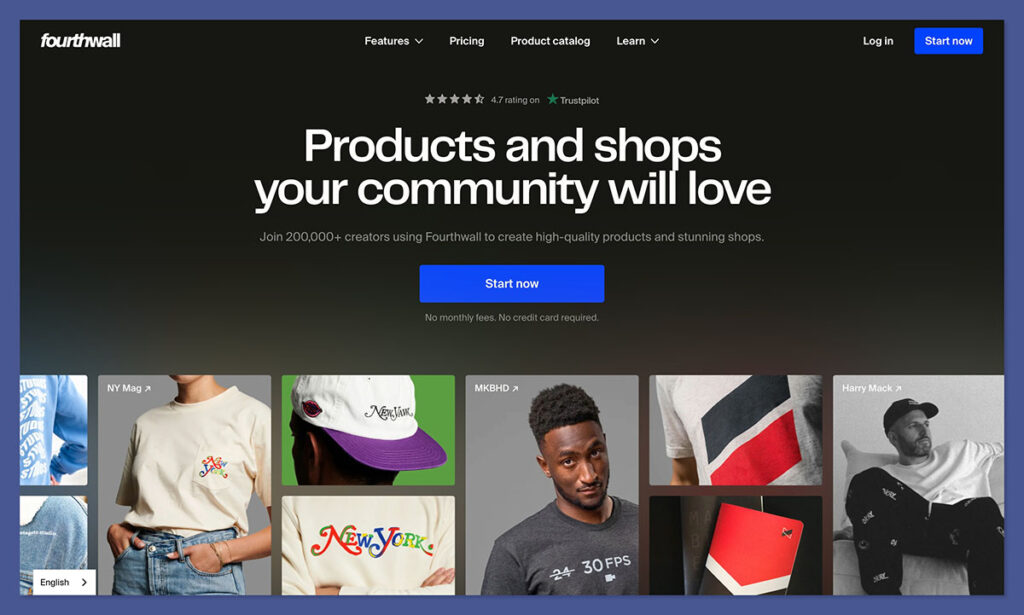
Fourthwall has emerged as the premier "all-in-one" solution. By acting as the Merchant of Record, it removes the headache of global tax compliance—a major pain point for growing creators. Its native YouTube integration is seamless, allowing for real-time stock updates on your product shelf.
2. Shopify: For the Serious Entrepreneur
Shopify is not a "creator tool" in the traditional sense; it is an enterprise-grade engine. It is the best choice for creators who view their YouTube channel as a top-of-funnel marketing engine for a larger lifestyle or retail brand. While the setup is more complex, the ability to bundle products, manage complex inventory, and leverage a massive app ecosystem is unmatched.
3. Spring: The Risk-Free Entry Point
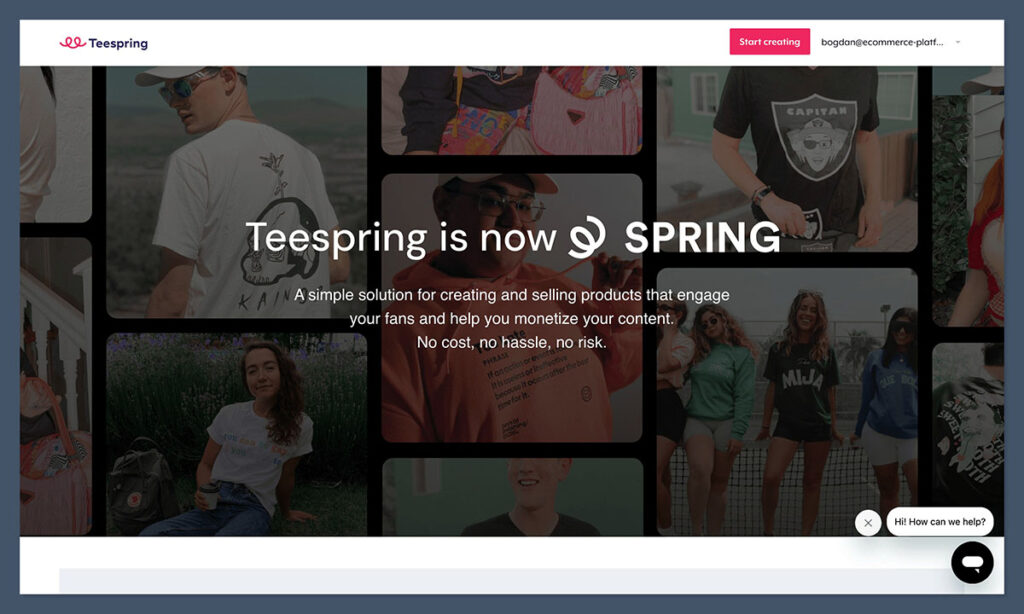
Spring remains the most accessible option for creators launching their first-ever merch drop. With no upfront costs and a massive catalog of apparel, it allows creators to test designs without worrying about fulfillment or inventory risk.

4. Sellfy & Gumroad: The Digital Specialists
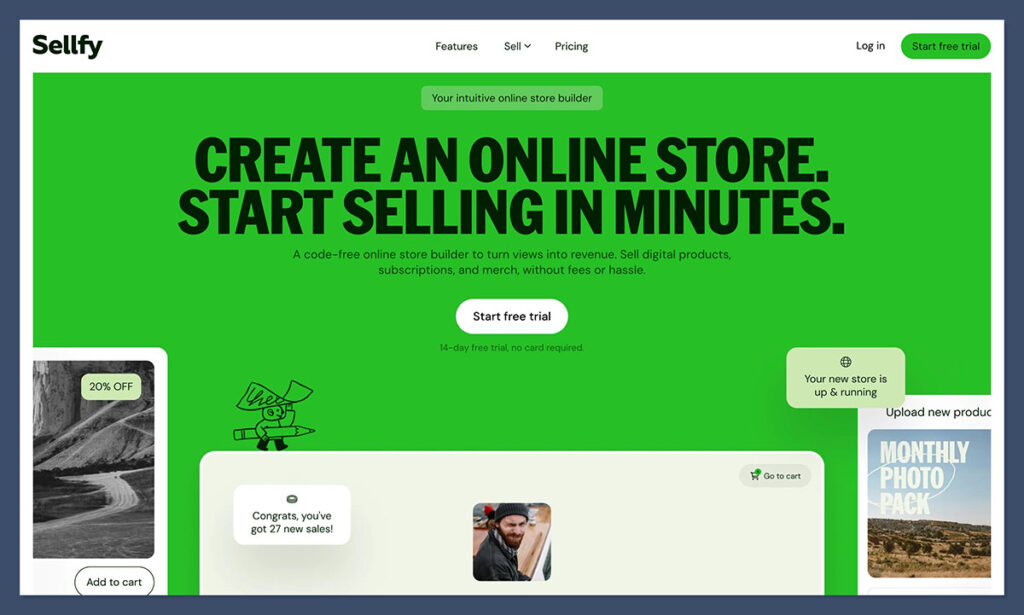
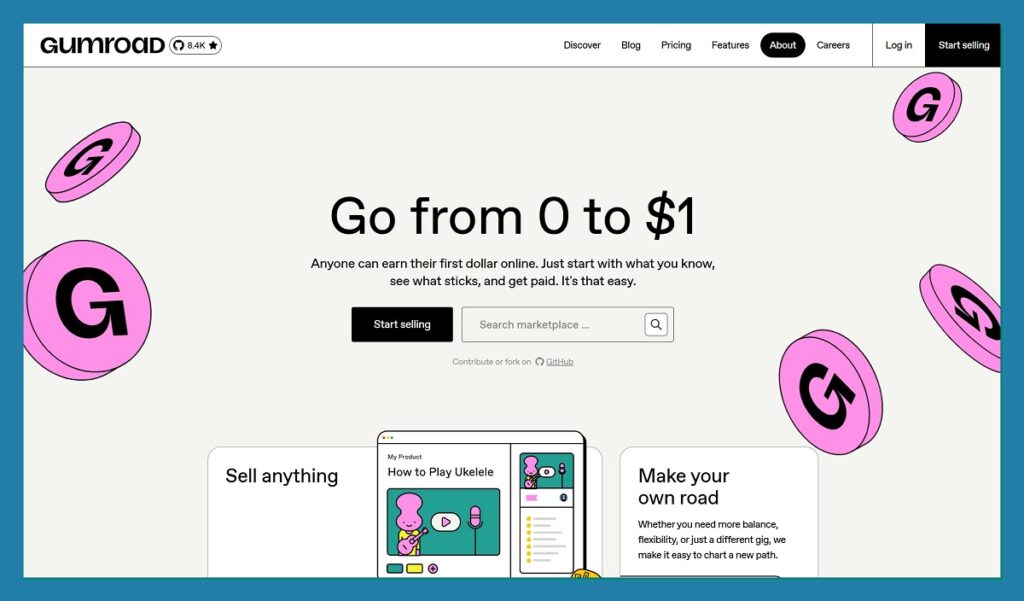
These platforms prioritize digital assets—LUTs, presets, eBooks, and templates. Gumroad is the fastest, "link-in-bio" style solution, while Sellfy offers a more professional, branded "store" experience. If your YouTube channel provides tutorials, these platforms are your natural monetization partners.
5. Kajabi: The Knowledge Economy Powerhouse
For educators and coaches, Kajabi is the industry leader. It replaces the need for separate hosting for video courses, email marketing tools, and community platforms. While the monthly cost is high, it is a comprehensive solution for creators whose value proposition is their expertise.
6. WooCommerce: The Developer’s Choice
For creators who already run a WordPress site, WooCommerce is the logical extension. It provides total ownership of data and design. However, it requires a high degree of technical maintenance, making it better suited for creators with a team or a background in web development.
Official Responses and Industry Implications
Industry analysts observe that the "Creator-as-CEO" movement is forcing ecommerce platforms to adapt. In recent interviews, representatives from these platforms have emphasized "platform-agnostic" growth—the idea that a creator should be able to sell to their audience regardless of where that audience is located.
The implications for the industry are profound:
- Lower Barrier to Entry: The shift toward free-to-start, print-on-demand models means that any creator with an engaged audience can become a retailer.
- Increased Professionalism: As creators move toward dedicated storefronts, the quality of branding and customer experience is rising to match traditional retail standards.
- Data Sovereignty: The most successful creators are moving away from relying solely on social media algorithms and toward building email lists and direct-to-consumer relationships via their own stores.
Choosing Your Path: A Strategic Framework
When evaluating which platform to adopt, you must be honest about your current business maturity.
- If you are a beginner: Focus on minimizing operational friction. Choose Spring for merch or Gumroad for digital products. These tools allow you to focus on content while the platform handles the commerce infrastructure.
- If you are in a growth phase: If you are consistently selling products and need to manage memberships, Fourthwall is the logical next step. It provides the professionalism of a brand while handling the regulatory burdens of a business.
- If you are a brand-first business: If you want to build a long-term company that exists independently of your YouTube channel, Shopify is the inevitable destination.
Frequently Asked Questions
Does YouTube take a commission?
No. YouTube does not take a cut of sales made through your third-party ecommerce integrations. They earn revenue through ad placement and their own native memberships.
Can I use multiple platforms?
Yes, though it is often inefficient. Many creators use a "hub and spoke" model—using one primary store (e.g., Shopify) for their main catalog while using specialized tools for specific needs like coaching (e.g., Kajabi).
Is an LLC necessary?
While you can start as a sole proprietor, transitioning to an LLC is highly recommended once your store generates consistent, recurring revenue. This protects your personal assets and simplifies tax filing.
What is the "Merchant of Record" benefit?
Platforms that act as the Merchant of Record handle the legal and tax complexities of selling internationally. They ensure that VAT, sales tax, and local regulations are met, so you don’t have to hire a tax professional in every country where you sell a t-shirt.
Conclusion
The era of the "starving creator" is over, replaced by a generation of entrepreneurs who use YouTube to drive tangible, measurable commerce. Whether you choose the plug-and-play simplicity of Spring or the robust power of Shopify, the most important step is to begin. Start small, test your audience’s appetite for your products, and iterate as you grow. Your channel is your storefront—make sure it’s built on a foundation that allows you to scale.
 Dwi Wanna
  Lina Irawan
  Basiran