
 By Nila Kartika Wati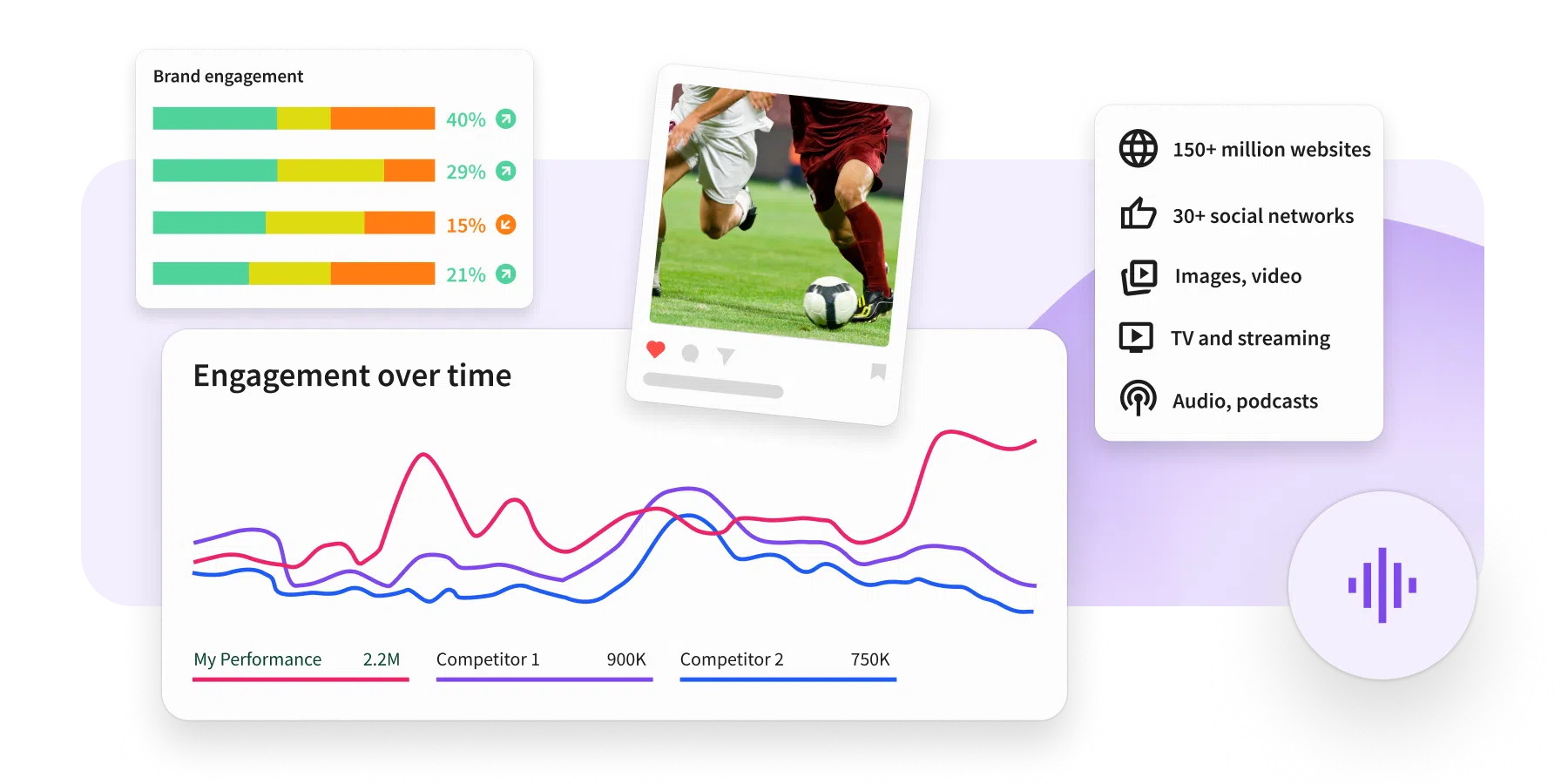
The social media landscape of 2026 bears little resemblance to the digital environment of even a few years ago. With the velocity of cultural shifts, the volatility of platform algorithms, and the sheer volume of global conversation, the traditional tools used by marketing teams have hit a breaking point. Recognizing this, Hootsuite has unveiled its most significant transformation to date: Hootsuite Social OS.
This is not a feature update or a cosmetic UI refresh. It is a fundamental, ground-up reconstruction of the platform. By shifting from a traditional dashboard to an "AI-native operating system," Hootsuite is positioning itself to handle the hyper-accelerated pace of modern social media.

Main Facts: What is Social OS?
At its core, Hootsuite Social OS is a unified, connected suite of applications designed to manage the entire lifecycle of social media operations—from listening and intelligence to creation, engagement, and employee advocacy. The "OS" (Operating System) moniker is deliberate; just as a computer OS manages hardware and software resources, Social OS acts as a centralized intelligence layer that connects disparate social workflows.
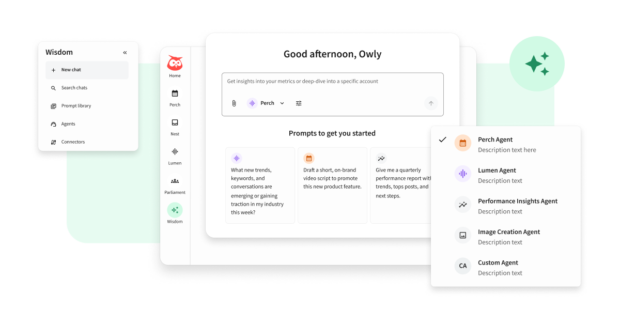
The platform is powered by a unified artificial intelligence engine, Wisdom, which serves as the brain for four specialized applications:

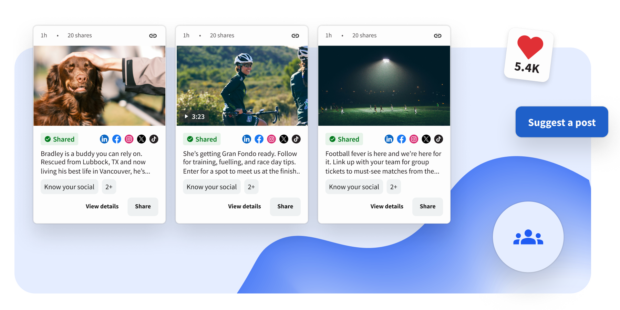
- Perch: The evolution of Hootsuite’s core publishing and content creation engine.
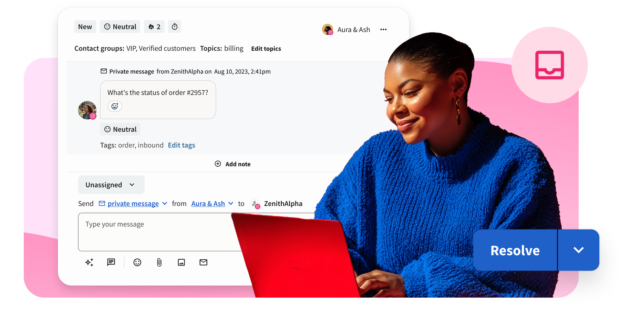
- Nest: The next-generation social inbox for high-stakes customer care.
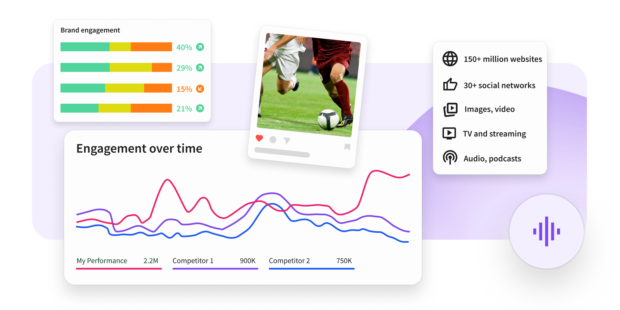
- Lumen: A powerful intelligence hub merging enterprise social listening (formerly Talkwalker) with audience analytics.
- Parliament: An advanced employee advocacy and amplification tool.
What differentiates this release is the architecture. Rather than "bolting on" generative AI to existing legacy systems, Hootsuite has woven AI into the fabric of these applications. This ensures that intelligence gained in one department—such as a customer complaint in Nest—can immediately inform content strategy in Perch or sentiment analysis in Lumen.
Chronology of a Transformation
The journey to Social OS represents the culmination of a multi-year strategic pivot.
- The Acquisition Phase: Hootsuite’s acquisition of Talkwalker provided the company with one of the most robust social intelligence engines in the world. However, for a long time, the integration between the enterprise listening platform and the day-to-day management dashboard remained siloed.
- The AI Prototyping Period: Throughout 2024 and 2025, Hootsuite experimented with AI agents like OwlyGPT and Yeti. These served as the "proof of concept" for conversational AI in social media management.
- The Rebuild (2026): In June 2026, the company officially sunset its legacy naming conventions. By retiring individual product names like "Amplify" and "Inbox" in favor of the new ecosystem-aligned names (Perch, Nest, etc.), Hootsuite signaled that these tools were no longer independent features, but rather modules within a single, cohesive operating system.
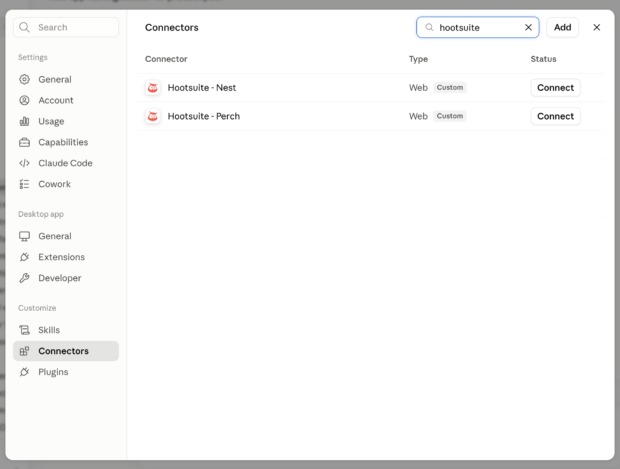
- The Connectivity Launch: The simultaneous introduction of MCP (Model Context Protocol) connectors allows the platform to communicate with external AI tools like Claude and ChatGPT, effectively allowing Hootsuite’s social data to travel to where teams already work.
Supporting Data: Why AI-Native Matters
The need for this rebuild is backed by clear market signals. In 2026, brands are struggling with two specific types of AI failure: "Surface-level AI" (which merely summarizes past events) and "Disconnected AI" (which cannot take action).
Hootsuite’s data suggests that the "window of opportunity" for a brand to engage with a trend is shrinking to hours, if not minutes. Traditional social media management tools were built for a weekly planning cadence. The Social OS architecture is designed to handle real-time signal processing.
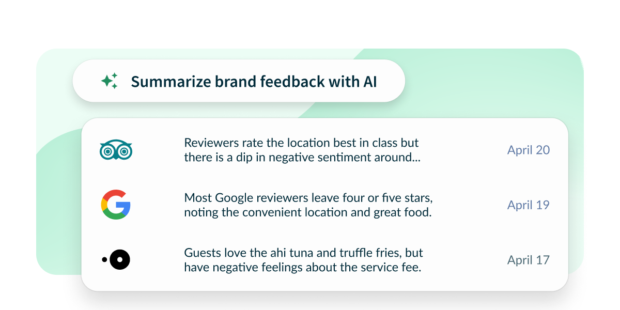
By leveraging 150 million data sources across 187 languages, Lumen provides a depth of insight that goes beyond basic brand mentions. It distinguishes between social monitoring (tracking your own brand) and social listening (understanding the cultural and competitive trends shaping your industry). By feeding this intelligence directly into the creation tools of Perch, Hootsuite enables brands to move from "reactive" to "predictive" content strategies.
Official Stance and Strategic Vision
Madelaine Jack, Product Marketing Manager at Hootsuite, emphasizes that this move is about operational efficiency as much as it is about innovation. "The old platform was built for a world where social moved at a pace a human team could keep up with," she notes. "That world no longer exists."
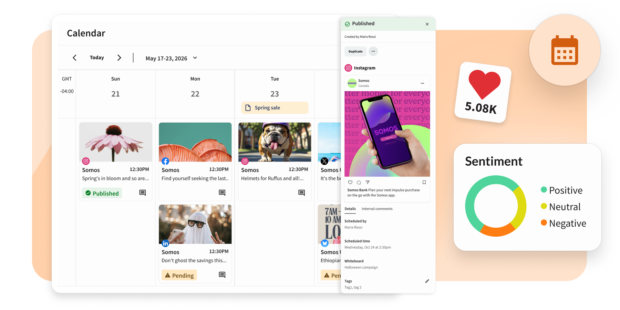
The company’s decision to unify its identity under the "Owl" mascot—with names like Perch (where you sit and plan), Nest (where you care for the community), and Lumen (where you find light/insight)—serves as a brand-wide consolidation. It signals to enterprise clients that they no longer need to manage a stack of disparate software; they have a single source of truth.
Hootsuite is also addressing the "AI fatigue" common in corporate environments. By offering both an internal AI (Wisdom) and external connectivity (MCP connectors), they are providing flexibility. Teams can use Wisdom to generate a post within the app or use an MCP connector to pull a sentiment report directly into a Slack channel or a Jira ticket.
Implications for Social Media Teams
The implications of the Social OS release are significant for three distinct tiers of organizations:
1. SMBs: The Efficiency Gain
For smaller teams, the primary benefit is the reduction of "context switching." By using Perch and Nest, a solo social media manager can handle creation and customer care in a unified interface, with Wisdom acting as an on-demand assistant to bridge the gap between tasks.
2. Mid-Market: The ROI Argument
Growing companies often struggle to prove the value of social media to leadership. Lumen provides the analytical muscle to demonstrate how social sentiment correlates with business outcomes. By connecting this data to the content engine in Perch, mid-market brands can justify their social spend with clearer data-driven narratives.
3. Enterprise: Governance at Scale
Large organizations face the highest risk when it comes to brand safety and compliance. Social OS allows for rigorous governance while still leveraging AI at scale. Parliament, in particular, empowers employees to become brand ambassadors without the risk of rogue posting, thanks to a library of pre-approved content and institutional AI guardrails.
The Future of the "Social-First" Agent
Perhaps the most disruptive element of this launch is the role of Wisdom. Unlike general-purpose chatbots, Wisdom is "social-first." It is trained on the specific nuances of brand voice, customer interaction history, and live social data.
As teams look to the future, the ability to "call" social intelligence from other applications via MCP connectors will likely become the industry standard. When a creative director can ask an AI, "How are people reacting to our new product launch on TikTok?" and get an answer backed by real-time Lumen data—without ever leaving their design software—the traditional "dashboard" model becomes obsolete.
Conclusion
Hootsuite’s transition to an AI-native Social OS is a bold bet on the future of work. By moving away from a siloed toolset and toward an integrated, AI-driven infrastructure, the company is attempting to solve the fundamental problem of 2026: the gap between the speed of the internet and the speed of the organization.
For brands, the choice is no longer about which features a platform has; it is about how intelligence flows through the organization. As Hootsuite’s rebuild demonstrates, the winners in the next decade of social media will not be those with the most tools, but those with the most connected intelligence.

Interested in seeing how the new architecture functions in practice? Hootsuite is currently offering a 14-day free trial of the new Social OS modules to help teams transition into this new era of AI-driven social management.
 Reynand Wu
  Muslim