
 By Evan Lee Salim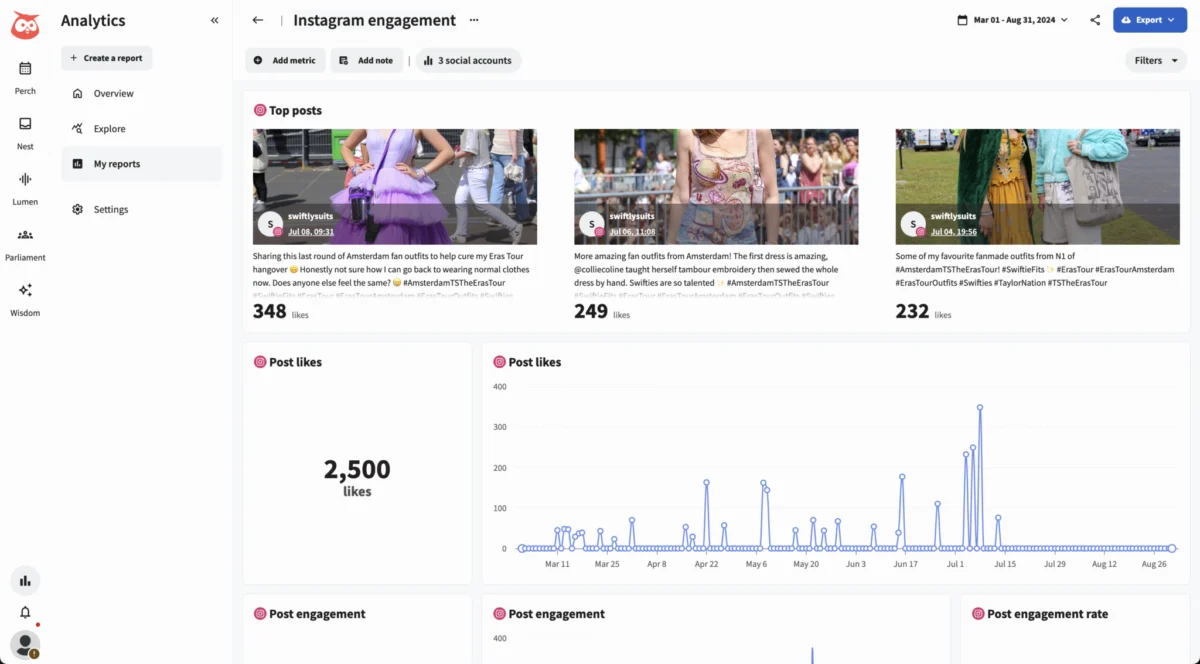
In the hyper-competitive digital landscape of 2026, where over 1.39 billion users dedicate nearly 12 hours a month to Instagram, intuition is no longer a viable business strategy. With 62.3% of users leveraging the platform specifically to research brands and products, the margin for error is razor-thin. For marketers and business owners, the difference between a stagnant profile and a growth engine lies in the ability to translate raw data into actionable intelligence.
This comprehensive report examines the necessity of data-driven social media management and provides an analysis of the top tools designed to help you navigate the complexities of Instagram’s algorithmic environment.

The Imperative of Data-Driven Strategy
The "guesswork" era of social media marketing has officially concluded. Modern Instagram success is built on a foundation of rigorous performance tracking. Without the quantitative backing of analytics, marketers are essentially shouting into a void. Analytics tools act as the bridge between creative effort and business outcomes, allowing teams to test hypotheses, refine content pillars, and scale their reach based on empirical evidence.
Beyond mere vanity metrics like follower counts, sophisticated analytics tools allow for a granular examination of content efficacy. They answer the critical questions: Which content formats drive the highest conversion? At what precise moment does our audience transition from passive scrollers to active engagers? How do our organic efforts compare to our paid investments?

Chronology of Evolution: From Basic Metrics to Predictive Insights
The trajectory of social media analytics has shifted dramatically over the last decade. Initially, "insights" were limited to basic engagement counts—likes and comments. By the early 2020s, the focus shifted toward video metrics, specifically watch time and retention rates for Reels.
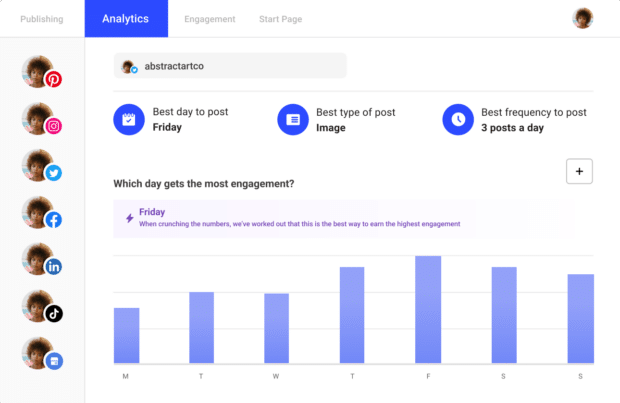
As we move through 2026, the industry standard has evolved into predictive intelligence. Today’s tools don’t just report on what happened; they synthesize historical data to recommend the most optimal times to post, suggest content themes that align with current audience sentiment, and provide competitive benchmarks that allow brands to pivot before their market share erodes.
Supporting Data: Why Timing and Precision Matter
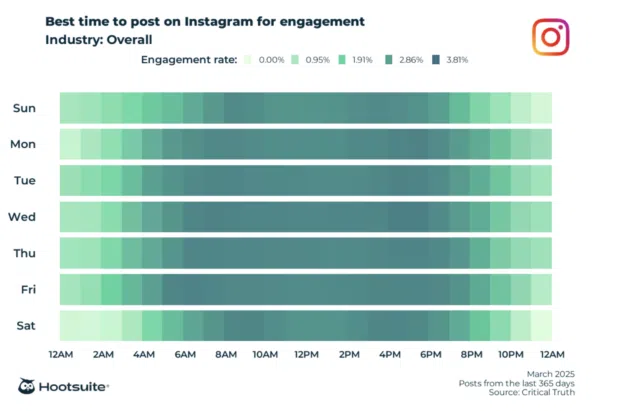
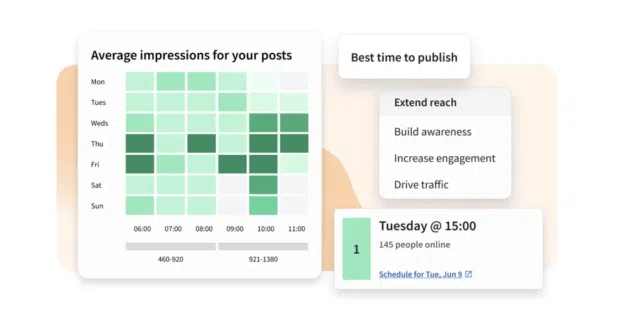
Data from Hootsuite’s 2026 research highlights the critical importance of temporal alignment. Posting at the wrong time is a leading cause of content failure, as it results in algorithms burying content before it has a chance to gain momentum.
Universal Benchmarks for Engagement:
- Mondays: 3 PM to 9 PM (High intent periods)
- Tuesdays: 5 AM to 8 AM and 3 PM to 7 PM (Commuter engagement windows)
- Thursdays: 5 PM to 7 PM (Pre-weekend peak)
These windows are not merely suggestions; they are derived from cross-continental heatmaps that account for localized time zones. When brands align their publishing schedules with these peaks, they observe a statistically significant increase in organic reach and interaction rates.
9 Best Instagram Analytics Tools for 2026
To move beyond the limitations of native apps, professional marketers must deploy robust third-party platforms. Below are the nine most effective tools currently shaping the industry.
1. Perch by Hootsuite
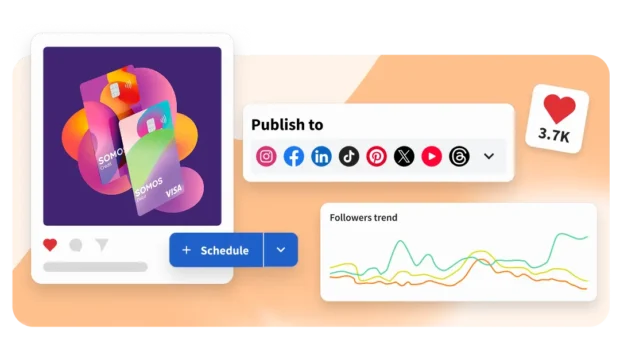
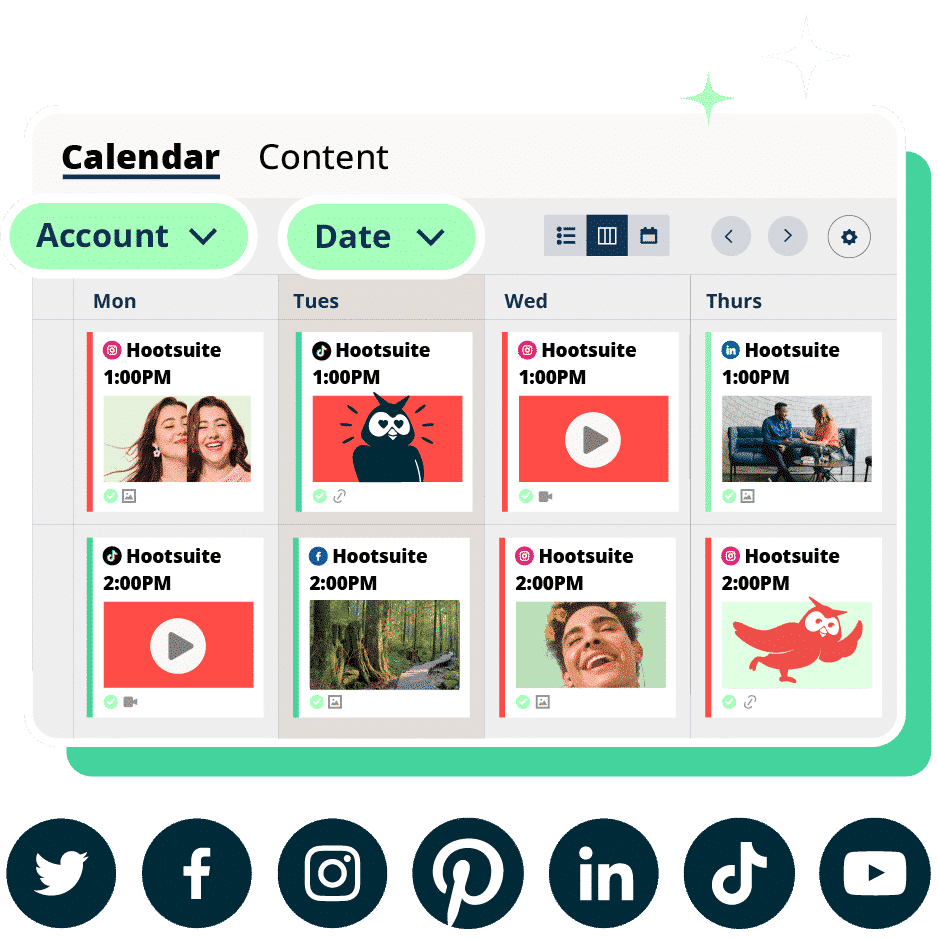
Perch stands as the gold standard for integrated social media management. It offers a comprehensive dashboard that unifies data from Instagram, TikTok, Facebook, and LinkedIn.
- Key Advantage: It tracks both profile-level metrics (follower growth, reach) and post-level performance (saves, shares, and engagement rates).
- Predictive Feature: The "Best Time to Publish" tool is a standout, utilizing your brand’s unique history rather than generic industry averages to maximize visibility.
2. Instagram Insights (Native)
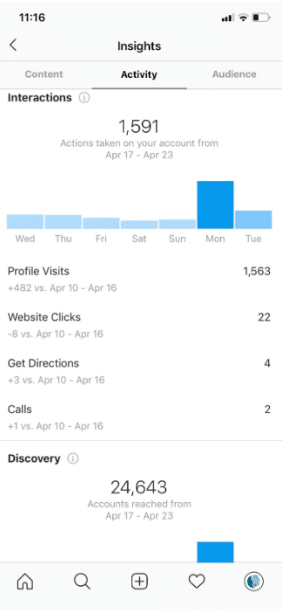
While it lacks the depth of enterprise-grade software, the native Insights tool remains the best starting point for beginners. It is free, accessible, and provides real-time data on follower demographics and audience activity. However, because data is often purged after 90 days, it is best used in tandem with a more permanent reporting solution.
3. Later
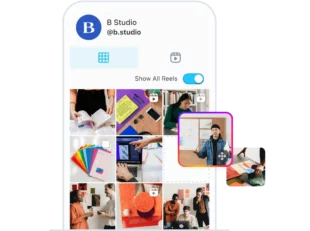
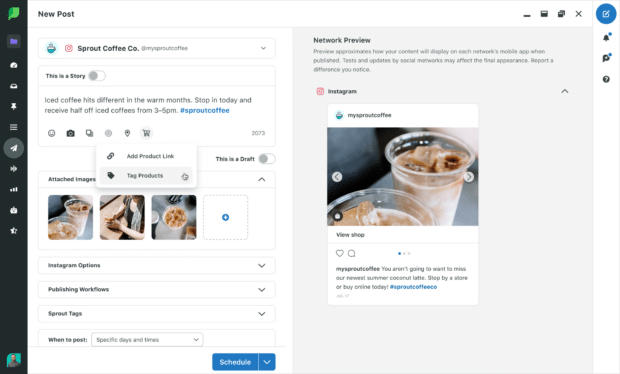
Later has carved out a niche as the premier tool for visual-first brands. Its "Visual Instagram Planner" allows users to preview their grid layout before publishing. It is an ideal entry-level tool for solo entrepreneurs who prioritize aesthetic cohesion and basic performance tracking.
4. Buffer
Buffer is the quintessential "minimalist" tool. It is prized for its clean, intuitive dashboard that removes the clutter often found in larger suites. While it lacks advanced features like deep social listening or competitor benchmarking, its simplicity makes it an efficient choice for small-to-medium-sized businesses that need to schedule and review basic stats without a steep learning curve.
5. Sprout Social
Sprout Social is a powerhouse for large-scale marketing teams. It excels in white-labeled reporting, allowing agencies to present professional, data-rich documents to clients. Its strength lies in its depth—providing granular data on paid versus organic performance across multiple platforms.
6. Panoramiq Insights
Designed specifically to augment the Hootsuite ecosystem, Panoramiq Insights provides a deep dive into follower demographics. For brands running hyper-targeted campaigns, the ability to analyze audience age, location, and gender distribution is an invaluable asset for ROI optimization.
7. Panoramiq Multiview
This tool solves the "inbox chaos" problem. It allows managers to monitor mentions, tags, and comments across multiple Instagram accounts within a single stream, drastically reducing the time spent jumping between profiles.
8. Mentionlytics
If your strategy relies heavily on brand sentiment and competitor monitoring, Mentionlytics is the solution. It tracks keywords and brand mentions across the broader web, including Instagram, allowing for a 360-degree view of your brand’s reputation.
9. Phlanx
Phlanx serves a unique function as an influencer marketing assistant. Its engagement calculator allows you to stress-test potential influencers by revealing their true engagement rates, ensuring that your partnership budget is spent on accounts with genuine, active audiences rather than those inflated by bot activity.
Official Perspectives and Industry Implications
Marketing analysts emphasize that the shift toward these tools is a reaction to the "Algorithm Fatigue" experienced by brands. As platforms prioritize AI-driven discovery, the importance of "knowing your data" has shifted from a professional advantage to a requirement for survival.
Implications for 2026 and Beyond:
- Shift to Short-Form Video: Analytics are now heavily weighted toward video retention. Brands that ignore the "Watch Time" metric are effectively invisible.
- Conversion-Oriented Reporting: The industry is moving away from "Likes" as a primary KPI. The new focus is on "Saves" and "Shares," which indicate high-intent engagement and brand loyalty.
- Cross-Platform Integration: The most successful brands are those that use data to create a cohesive narrative across TikTok, Instagram, and beyond, rather than treating each as an isolated silo.
Conclusion: Turning Data into Growth
The tools outlined in this guide represent the current frontier of digital marketing. Whether you are a solo content creator or part of a global marketing team, the strategy remains the same: monitor the metrics, identify the patterns, and iterate your content.
In 2026, those who leverage these analytics tools to refine their approach will see their reach expand, their engagement deepen, and their ROI clarify. Those who continue to rely on guesswork, however, risk being left behind in a feed that favors data-driven precision over intuition.
To begin your journey, consider auditing your current performance using a standardized report template, and remember: the most powerful tool in your arsenal is the one that turns a confusing stream of numbers into a clear, winning strategy.
 Reynand Wu
  Muslim
  Nila Kartika Wati