
 By Neng Nana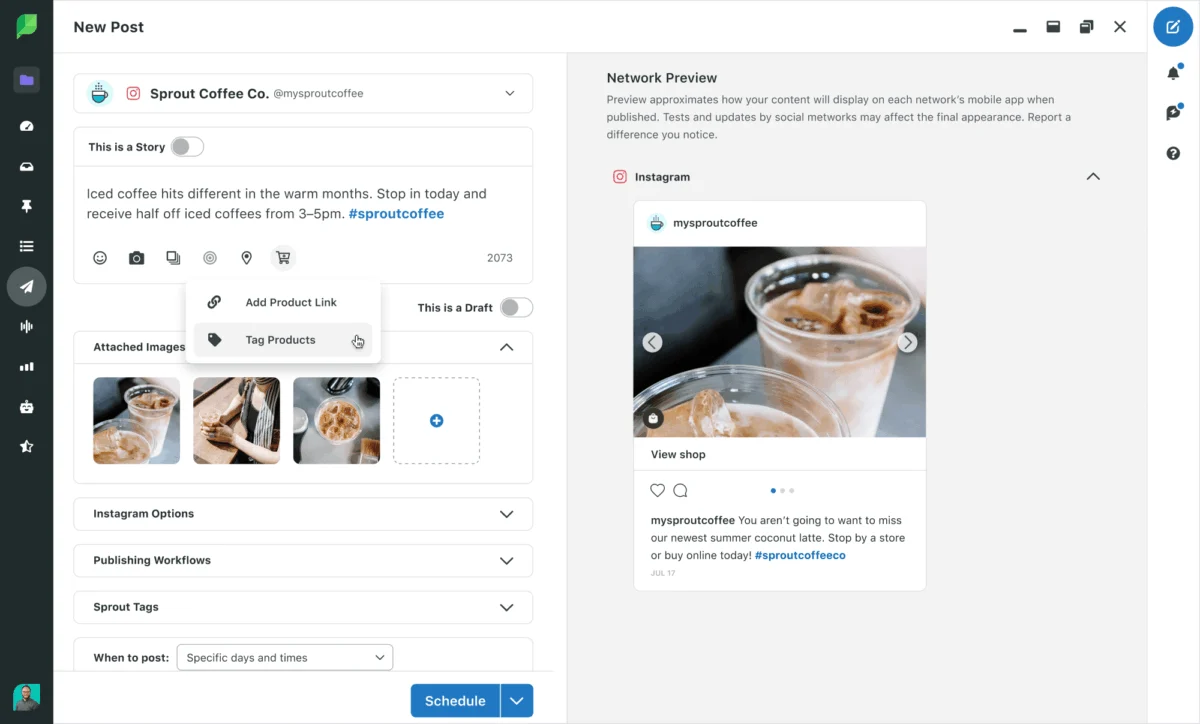
In the modern digital landscape, data is the currency of growth. For brands and marketers, Facebook remains a cornerstone of the social media ecosystem, yet its sheer volume of data can be overwhelming. Simply tracking "likes" is no longer enough; in 2026, success requires a nuanced understanding of audience behavior, sentiment, and the precise ROI of every post. The real challenge for today’s social media managers isn’t finding data—it’s turning that raw information into a strategic roadmap for growth.
The Evolution of Facebook Analytics
To understand the current state of social media measurement, one must look at the trajectory of the platform itself. In 2021, Meta made a significant pivot by sunsetting its dedicated "Facebook Analytics" tool, effectively nudging users toward the more holistic Meta Business Suite. This shift signaled a move away from siloed data toward a more integrated, cross-platform approach.

As the ecosystem matured, the gap between what native tools offer and what professional marketers require widened. While Meta provides the raw numbers, it lacks the benchmarking capabilities, cross-channel integration, and advanced AI-driven predictive modeling that modern, high-growth brands demand. This gap has given rise to a robust market of third-party analytics platforms, each offering a unique value proposition for measuring performance.
Supporting Data: Why Third-Party Tools Are Essential
Data-backed insights are the primary driver of improved platform performance. According to industry benchmarks, brands that utilize third-party analytics tools report a 30% higher efficiency rate in content optimization compared to those relying solely on native insights. This is largely due to the ability to aggregate data across multiple platforms, allowing marketers to spot cross-platform trends that are otherwise invisible.

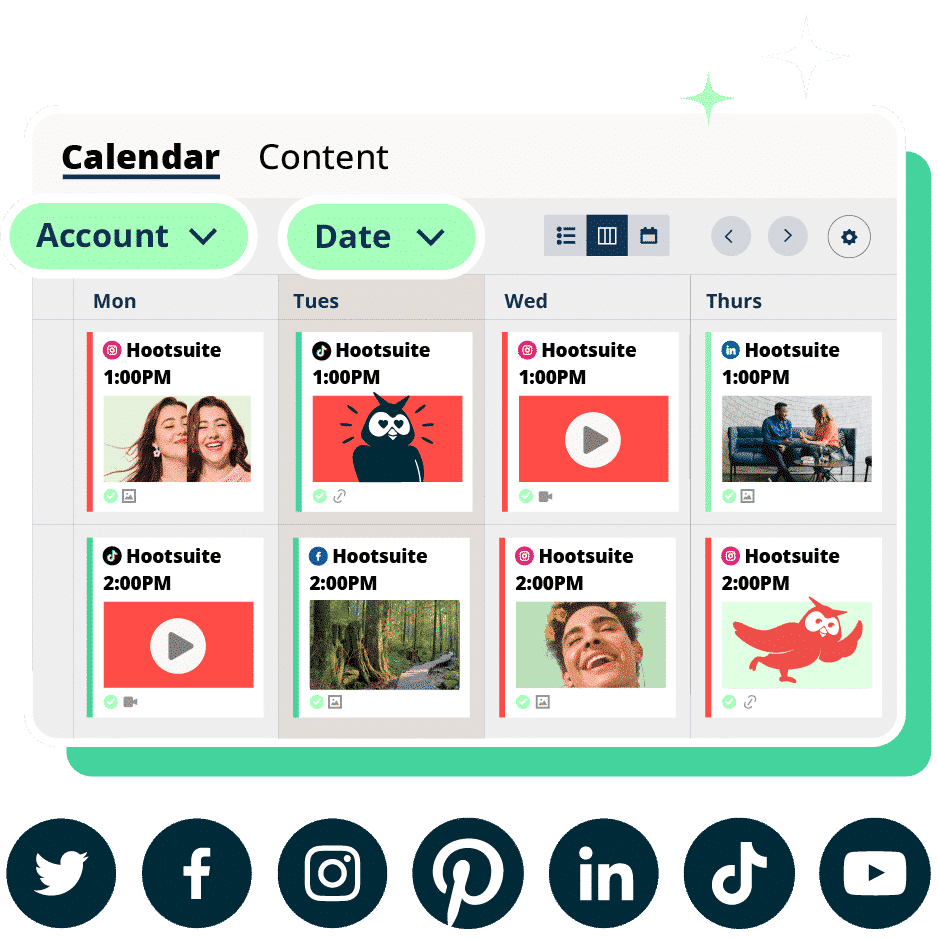
For instance, when a brand notices a surge in engagement on a specific video format on Instagram, a sophisticated tool like Perch by Hootsuite can help identify if that trend is replicating on Facebook, enabling the team to adjust their content calendar in real-time. This level of granular visibility is the difference between guessing what works and knowing what drives revenue.
12 Leading Facebook Analytics Tools for 2026
To assist in navigating this competitive landscape, we have analyzed the top tools available today, ranging from enterprise-grade suites to focused, niche solutions.
1. Perch by Hootsuite
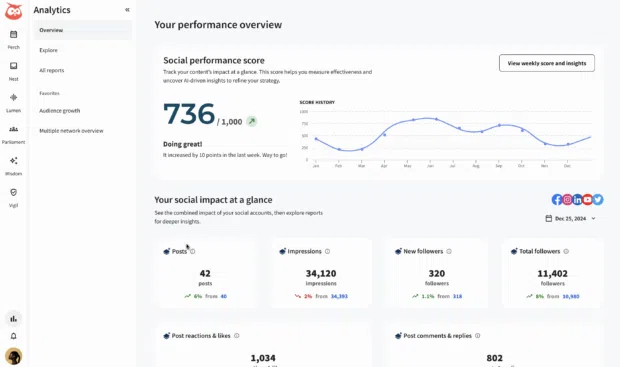
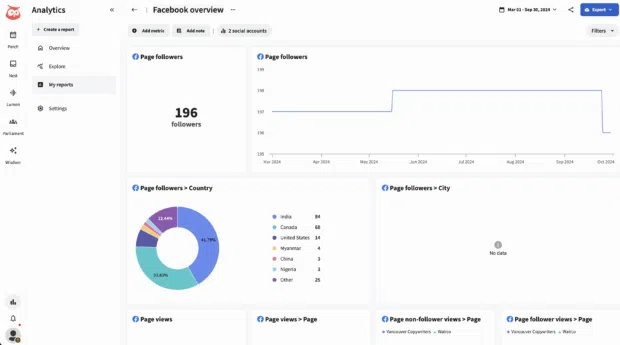
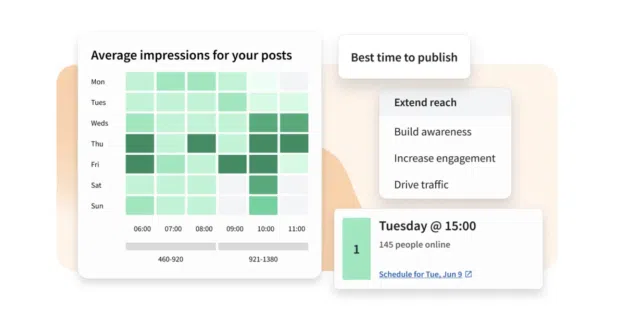
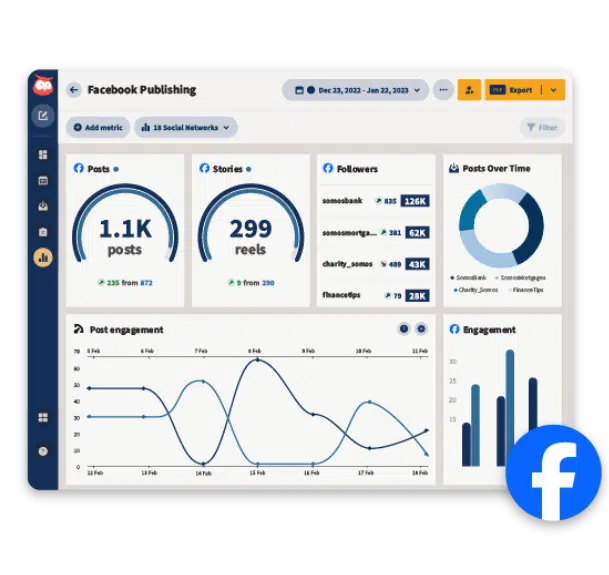
As the industry leader, Perch is designed for the modern marketer who needs a 360-degree view. It excels in cross-platform reporting and benchmarking. Its "best time to publish" feature uses historical data to ensure maximum reach, while its stakeholder-ready reporting capabilities turn complex metrics into visual stories.
2. Meta Business Suite
For those just starting or managing smaller budgets, the native Meta Business Suite remains an essential, free starting point. It provides direct access to Ads Manager and basic page insights. While it lacks the deep, competitive benchmarking of paid tools, it is indispensable for day-to-day management.
3. Buffer
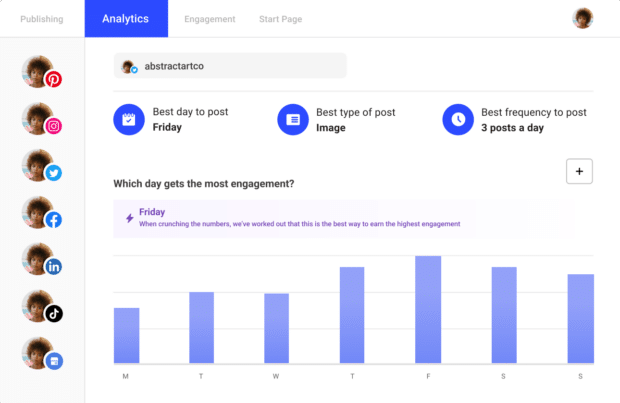
Buffer is the gold standard for simplicity. With an intuitive dashboard, it allows managers to track basic performance metrics without the clutter. It is ideal for teams that value a clean, "no-fuss" interface.
4. Sprout Social
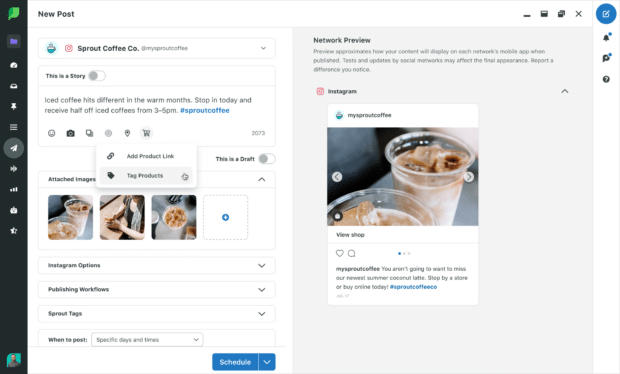
Sprout Social offers a comprehensive approach, particularly for enterprise-level organizations. Its strength lies in its deep integration with customer service and social listening, making it a powerful tool for brands that prioritize brand reputation management.
5. Rival IQ
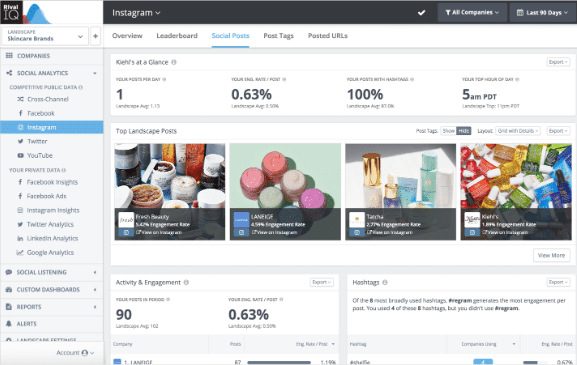
For companies in highly competitive industries, Rival IQ is a game-changer. It focuses heavily on competitive analysis, allowing you to see exactly how your engagement rates, audience growth, and content velocity stack up against your direct competitors.
6. Keyhole
Keyhole bridges the gap between analytics and social listening. By tracking specific hashtags and keywords, it provides sentiment analysis, helping you understand the feeling behind the data.
7. Social Status
This platform shines in its ability to analyze both paid and organic content simultaneously. It is particularly effective for brands that rely on influencer marketing, as it provides specific tracking for influencer-led campaigns.
8. Facelift Data Studio
Formerly known as Quintly, this tool is built for data scientists and analysts. Offering access to over 500 performance metrics, it is the most robust option for teams that require deep, highly customized data sets.
9. Vaizle
Vaizle represents the future of AI-driven analytics. Its conversational chatbot allows users to ask plain-English questions about their ad performance—such as "Why did my conversion rate drop last week?"—and receive immediate, data-backed insights.
10. Social Insider
Similar to Rival IQ, Social Insider provides an excellent benchmarking suite. Its industry-standard comparisons help marketers determine if their performance is truly exceptional or just average for their sector.

11. Sotrender
Sotrender is a balanced tool that focuses on the intersection of reach, engagement, and customer service. It is particularly strong in tracking the sentiment of organic campaigns, providing a clear picture of brand perception.
12. NapoleonCat
Rounding out the list, NapoleonCat offers a unified platform for publishing, analytics, and community management. It is highly efficient for teams that need to handle high volumes of comments and inquiries while simultaneously tracking their performance.
Implications for Strategic Planning
The selection of an analytics tool should not be treated as a one-time purchase but as a strategic alignment with your business goals. For an enterprise, the requirement for multi-seat access and deep API integrations points toward solutions like Sprout Social or Facelift Data Studio. Conversely, a boutique agency might find more value in the agility of Buffer or the AI-assisted insights of Vaizle.
The implication here is clear: the "right" tool is the one that minimizes the time spent gathering data and maximizes the time spent acting upon it. When you remove the friction of data collection, your team is freed to focus on the creative elements of your strategy—the content, the community, and the narrative.
Official Perspectives: The Value of Data-Driven Decision Making
Industry experts consistently emphasize that metrics without context are dangerous. "The danger of modern analytics is not a lack of data, but the paralysis of analysis," notes one industry analyst. "A good tool doesn’t just show you that your reach dropped by 5%; it explains the market context, compares it to your peers, and suggests a pivot."
This is why tools like Perch and Rival IQ are gaining traction; they provide the context that turns numbers into a competitive advantage. By monitoring the market, rather than just your own feed, you gain a macro-view of the industry’s pulse.
Future-Proofing Your Social Strategy
As we head toward the latter half of the decade, the integration of artificial intelligence into these analytics platforms will only deepen. We are entering an era where your dashboard will not only report what happened yesterday but will predict what will happen tomorrow.
To stay ahead, brands must prioritize:

- Competitive Benchmarking: Never analyze your data in a vacuum. Always compare it to the top players in your vertical.
- Sentiment Analysis: Numbers tell you "what," but sentiment tells you "why." Understanding whether your audience is excited, frustrated, or indifferent is key to brand loyalty.
- Cross-Platform Correlation: Facebook is just one piece of the puzzle. Ensure your tools can connect the dots between your Facebook, Instagram, and TikTok performance.
Conclusion: Turning Insights into Action
The landscape of Facebook analytics is vast, but it is navigable with the right framework. By assessing your team’s specific needs—whether that is deep, granular reporting or simple, efficient scheduling—you can select a tool that acts as an extension of your marketing department.
Ultimately, the goal of these platforms is to simplify the complex. Whether you are using the free, foundational capabilities of Meta Business Suite or the high-powered, AI-driven insights of an enterprise platform, the focus must remain on the same objective: creating meaningful connections with your audience. In 2026, those who leverage data to humanize their brand will be the ones who win the feed.

As you refine your strategy, remember that tools are the facilitators, but your vision is the driver. Start by auditing your current reporting process, identifying the gaps in your data, and choosing the platform that best bridges those gaps. The path to higher engagement and better ROI begins with a single, data-backed decision.
 Reynand Wu
  Muslim
  Nila Kartika Wati