
 By Nana Muazin
If you are treating LinkedIn like TikTok or X, you are likely missing the mark. While most social media platforms are built on the intoxicating, unpredictable engine of virality, LinkedIn operates with a fundamentally different objective: professional relevance.

As of 2026, the LinkedIn algorithm has undergone its most significant transformation in years, shifting away from simple keyword matching toward a sophisticated, semantic understanding of content. For brands, creators, and business leaders, the "rules of the road" have changed. Understanding how to navigate this ecosystem is no longer just a "nice-to-have"—it is a professional necessity.

The Core Philosophy: Why LinkedIn Isn’t Designed for Virality
The primary misconception about LinkedIn is that it functions like a content discovery engine aimed at maximum eyeballs. The reality is that LinkedIn is a "utility-first" platform. Its mission is to fill user feeds with the most pertinent professional advice, industry insights, and career-advancing opportunities.
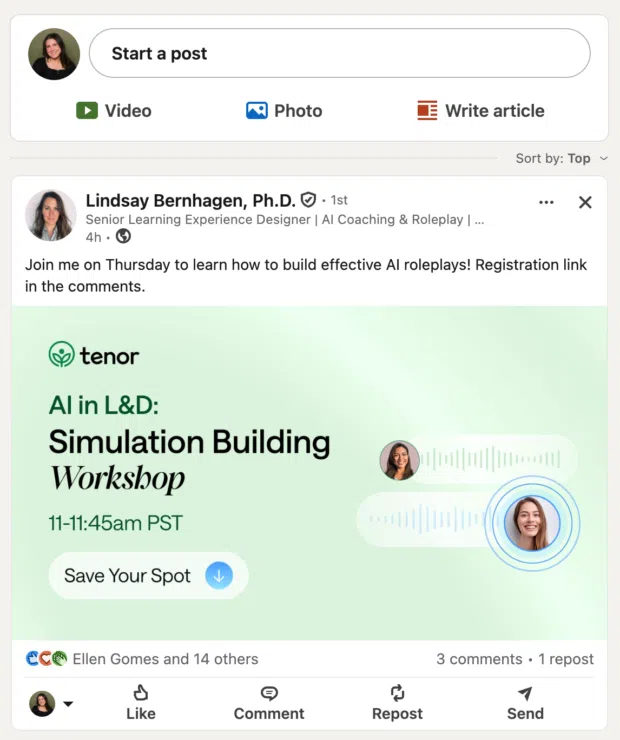
With over 1.3 billion members, the platform processes billions of data points daily. Unlike other platforms that prioritize "trending" content, LinkedIn’s algorithm is specifically designed to suppress the viral-at-all-costs culture, favoring content that provides genuine value to a niche professional audience.
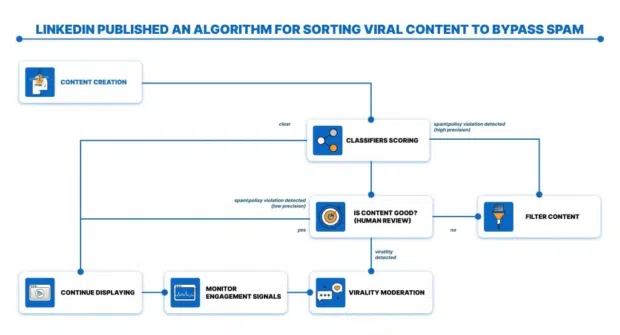
The Four-Stage Vetting Process
Before your post even reaches a human reader, it must pass through a multi-layered screening process designed to maintain platform integrity:
- Spam Filtering: The algorithm first scans your post for compliance with community policies. Posts containing suspicious links, excessive tag-stuffing, or prohibited content are sidelined immediately.
- Engagement Assessment: Once live, the post is shown to a small test group. The algorithm measures "dwell time"—how long users spend looking at your content—and initial engagement.
- Network Relevancy: The system evaluates your connections. It doesn’t show your post to every follower; it predicts who in your network is most likely to find the content meaningful based on their historical behavior.
- Semantic Mapping: The algorithm reads your post for intent. It assesses the depth of the topic and matches it to users with demonstrated interests in that specific field.
Chronology of Change: The 2026 Updates
The landscape of LinkedIn has evolved rapidly over the last 18 months. The 2026 updates represent a departure from the "quantity-over-quality" era.
- Mid-2025: LinkedIn introduced a major shift, confirming that "recency" is no longer the primary driver for feed placement. The platform began surfacing older, high-value content (weeks old) if it remained relevant to the user’s interests.
- Early 2026: A surge in video uploads marked a new priority for the platform. The algorithm began heavily favoring native, camera-facing video content that provides actionable, authentic insights.
- Mid-2026: The current state of the algorithm is "Semantic-First." It has moved beyond hashtag counting, prioritizing the actual substance and context of the text.
Supporting Data: What Actually Drives Performance?
Data analysts have observed a clear shift in how engagement signals are weighted. According to recent industry analyses of over 3 million posts, the "Like" button is losing its dominance.
- The Power of Saves: A "Save" is currently the gold standard of engagement. Data indicates that a save can drive approximately five times the reach of a like, as it signals to the algorithm that the content is a high-value resource worth revisiting.
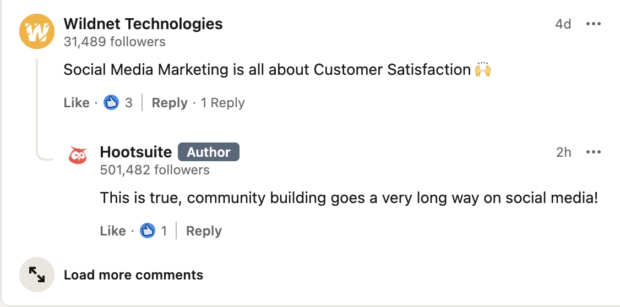
- Comments Over Clicks: Thoughtful, long-form comments are prioritized over simple emoji reactions.
- Video Dominance: The platform has seen three consecutive quarters of double-digit growth in video uploads, signaling that users—and the algorithm—are increasingly hungry for visual, human-centric storytelling.
Official Responses and Platform Stance
LinkedIn’s engineering team has been transparent about their shift in focus. Their official documentation confirms that they are "not designed for virality." Instead, they are engineering for "Trust and Safety."
LinkedIn’s internal metrics prioritize the reduction of "engagement bait"—content that uses manipulative tactics like "Comment YES if you agree" to inflate reach. By penalizing these low-effort prompts, the platform is effectively forcing a return to high-quality thought leadership. The goal is clear: create a space where professional expertise acts as the currency for growth.
Implications for Your Strategy
If you want to thrive in this new environment, your content strategy must pivot to accommodate the following realities:
1. Expertise is the New Algorithm
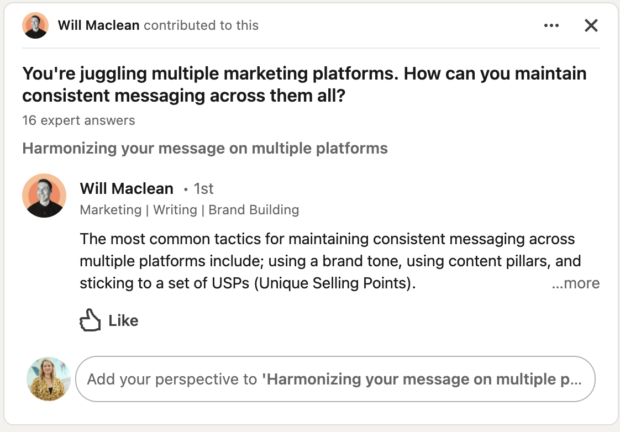
The platform now actively rewards subject-matter experts. If you consistently post about specific topics (e.g., AI integration in healthcare, B2B SaaS marketing), the algorithm begins to classify you as an authority. This "topical authority" acts as a multiplier, giving your future posts a higher baseline of reach.
2. The Death of Hashtag Stuffing
The semantic algorithm is smart enough to understand the context of your post without being told via hashtags. While a few relevant tags are still acceptable, "stuffing" your post with 10+ hashtags is now viewed as an outdated practice that can actually hurt your readability and professional perception.
3. Embrace "Evergreen" Value
Because the algorithm is now prioritizing relevance over recency, you should focus on creating "evergreen" content. A well-researched guide or a thoughtful analysis of an industry trend can continue to pull in views and leads for weeks after the initial post. Stop chasing the 24-hour news cycle and start building a library of high-value resources.
4. The "Native" Advantage
LinkedIn explicitly discourages users from leaving the platform. Posts with external links (e.g., "Click here to read my blog") are often throttled. A more effective strategy is to provide the core value directly in the LinkedIn post or a document/carousel, and then place the external link in the first comment or your profile bio.
5. Cultivating Conversations
The algorithm is a social creature. It looks for genuine dialogue. When a follower comments, your reply should be substantive. A simple "Thanks!" is a missed opportunity; a thoughtful, follow-up question keeps the conversation going and signals to the algorithm that your post is a destination for meaningful professional discourse.
Conclusion: The Path Forward
Mastering the 2026 LinkedIn algorithm requires a shift in mindset. It is no longer about "hacking" the feed to go viral; it is about building a reputation through consistent, high-value, and authentic contributions.

By focusing on semantic clarity, fostering genuine community engagement, and leveraging the platform’s native features, you can ensure that your content doesn’t just reach an audience—it resonates with the people who matter most to your career and business. In the professional world, relevance always beats virality. Start posting with purpose, and the algorithm will follow.
 Reynand Wu
  Muslim
  Nila Kartika Wati